
Precautions for Madecassic Acid: What You Must Know Before Use
Madecassic acid is widely used as a soothing care ingredient, but caution is needed when using high concentrations alone, combining it with strong exfoliating ingredients, or applying it directly to irritated skin after procedures. Especially after lifting or laser treatments, or when the skin barrier is compromised, it is safer to prioritize gentle soothing care first and then introduce madecassic acid gradually in stages.
Madecassic acid is an ingredient extracted from Centella asiatica and is frequently used in skincare products for soothing care purposes. However, the ingredient itself is not a cure-all, and depending on skin condition and other ingredients used together, some people may experience irritation, so it is good to review a few points before use.
What is madecassic acid?
Madecassic acid is one of the main components of Centella extract and is known to help with skin soothing and conditioning care. It is used as a single ingredient but is also widely used in soothing product lines when formulated together with madecassoside, asiatic acid, and others.
However, since it is an organic acid-type ingredient, it can be perceived differently by individuals depending on the product's acidity (pH) and concentration, and it is worth noting that there is potential for irritation, especially when the skin barrier is thin.
Extra caution is needed in these cases
When the skin barrier is temporarily compromised, such as immediately after laser or lifting procedures or after peeling, it is recommended to start with gentle soothing care without irritation rather than applying high-concentration madecassic acid products right away.
Using high concentrations of madecassic acid simultaneously with exfoliating ingredients like retinol, AHA, or BHA can add to irritation during sensitive skin periods, so it is safer to divide application times or set priorities and apply them in stages.
When using a new product for the first time, it helps to apply a small amount to the inner arm or behind the ear to check for any reaction before using it on the entire face.
Adjust your approach by stage
When skin is irritated immediately after a procedure (1-3 days post-treatment or after intensive exfoliation), it is best to use products containing madecassoside minimally with a focus on low-irritation and soothing care.
From around day 4 to one week after irritation begins to subside, skin tightness and dryness often remain, so it is natural to shift to care focused on deep hydration and skin texture refinement rather than soothing during this period.
Once skin condition stabilizes, it is often fine to reincorporate products containing madecassoside into your regular routine, but it remains important to observe and adjust based on individual skin response.
Suggested home care routine by stage
Stage 1 (immediately after irritation~3 days): After cleansing, lightly refine skin texture with a low-irritation soothing product, and applying it in thin layers multiple times is less burdensome than applying it thickly in one layer.
Stage 2 (4 days~1 week): It helps to supplement a hydrating cream on areas experiencing skin tightness and dryness to refine skin texture.
Stage 3 (after 1 week): Resume using soothing products containing madecassoside, but it is recommended to space out exfoliating ingredients and monitor skin response when using them together.
Post-procedure recovery depends on home care
During periods when skin becomes sensitive, such as immediately after a procedure, a 2-STEP approach designed for post-procedure management can be more helpful than madecassoside treatment alone. During the initial phase when irritation is concentrated, prioritize redness calming and barrier care with an ultra sera-rich cream containing a complex of 5 ceramides and panthenol, and then continue with deep hydration and skin texture care using a high-concentration panthenol hydro re-boosting cream during the recovery phase when skin tightness remains.
물리적 자극으로 붉어진 피부의 붉은기 진정에 도움. 개인차가 있을 수 있습니다.
출처 P&K 피부임상연구센타 시험성적서 (PNK-26224-RI2R)
물리적 자극으로 손상된 장벽이 손상 전 수준으로 회복되는 데 도움. 개인차가 있을 수 있습니다.
출처 P&K 피부임상연구센타 시험성적서 (PNK-26224-RI2R)
자극 후 건조함 케어에 도움. 개인차가 있을 수 있습니다.
출처 P&K 피부임상연구센타 시험성적서 (PNK-26223-RI1R)
피부결 정돈에 도움. 개인차가 있을 수 있습니다.
출처 P&K 피부임상연구센타 시험성적서 (PNK-26223-RI1R)
FAQ
- Are madecassic acid and madecassoside different ingredients?
- Both are derived from Centella asiatica, but they have different chemical structures. They are often combined together and used in soothing care products, with varying concentrations and ratios depending on the product, so it is advisable to check the listed ingredients.
- Can I use madecassic acid daily?
- Many people use it consistently in normal skin conditions, but when skin becomes sensitive or when combined with other exfoliating ingredients, adjusting the frequency of use can help reduce irritation.
- Can I apply madecassic acid products right after a procedure?
- It depends on the product's concentration and formulation, but when skin is sensitive immediately after a procedure, it is recommended to prioritize gentle soothing care first and use madecassic acid-containing products only after the skin has stabilized to some extent.
- What should I do if I feel stinging after using madecassic acid?
- Stop use immediately and cleanse gently, then calm the skin with a non-irritating hydrating product. If stinging persists, it is safe to consult a skincare professional.
Related products
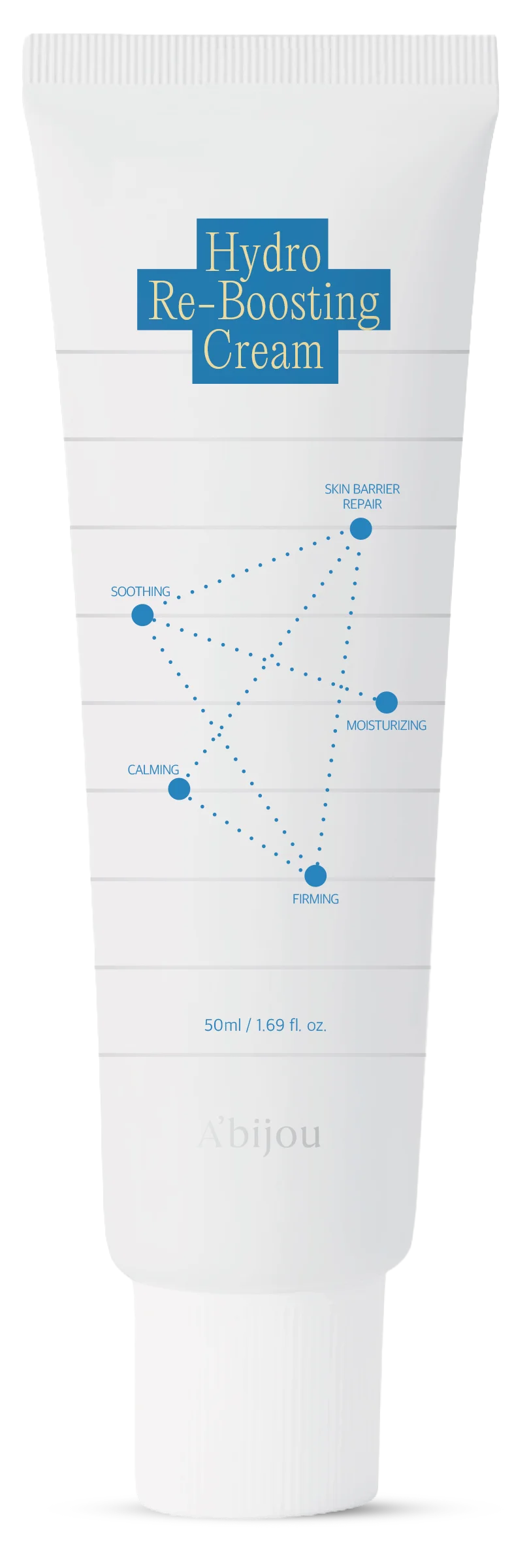 하이드로 리-부스팅 크림Buy
STEP 2 · 회복기 속보습
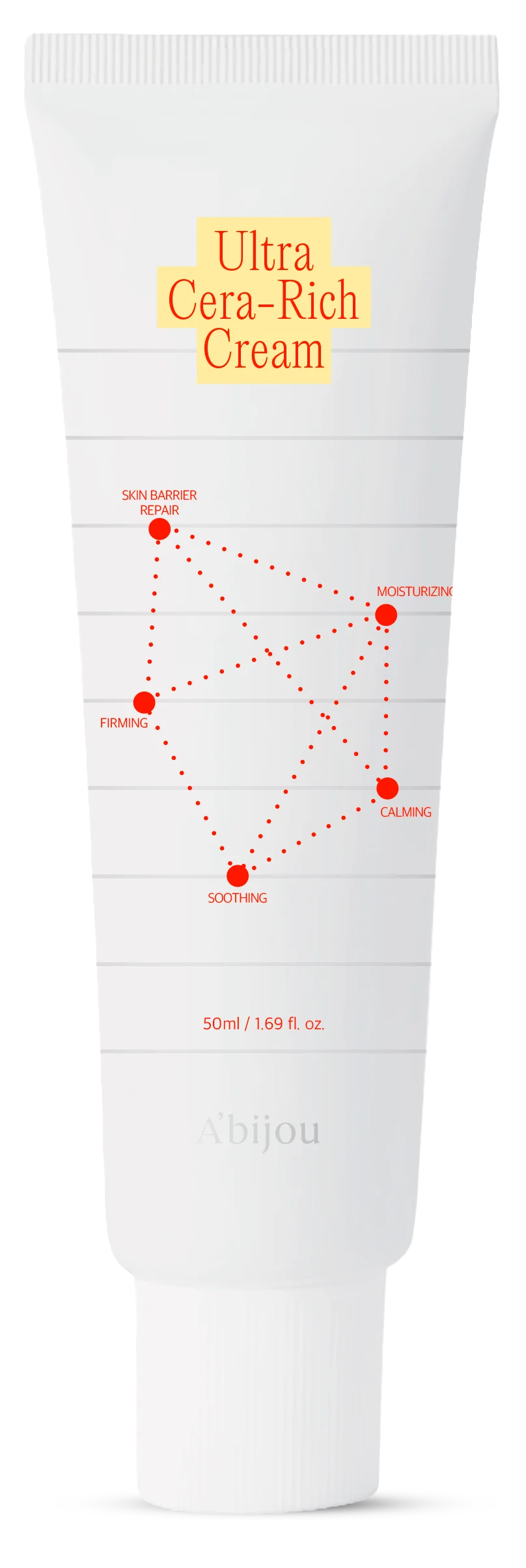 울트라 세라-리치 크림Buy
STEP 1 · 시술 직후 진정·장벽 케어