
How to Choose Bakuchiol: Just Check These Points
Bakuchiol is gaining attention as a retinol alternative, but actual usage feel and irritation levels vary greatly depending on each product's concentration, formulation, and overall ingredient mix. When choosing, you should consider the stated concentration, the soothing/moisturizing ingredients included alongside it, and your skin condition (whether sensitive or in a post-procedure recovery period). Especially during periods when the skin barrier is weakened, such as right after lifting procedures or skin booster treatments, barrier care should take priority over bakuchiol itself.
Bakuchiol is an ingredient extracted from the seeds of the 'Babchi' plant, a traditional Indian botanical, and many people seek it out as a mild alternative that offers texture- and tone-improving effects similar to retinol. However, choosing a product based solely on the phrase 'contains bakuchiol' can lead to disappointment. Even with the same named ingredient, the feel on skin and potential for irritation can vary greatly depending on concentration, the purity of the raw material, and the other formulation ingredients included.
Bakuchiol: Why Reactions Differ From Person to Person
Bakuchiol is known to work relatively gently rather than stimulating skin cell turnover the way retinol does, so it is relatively often chosen even for skin that is sensitive to photoaging or irritation. However, apart from the perception that it is 'mild,' a formulation with a high concentration or containing many irritation-triggering elements like alcohol or fragrance can actually cause stinging or redness.
In other words, the balance of the overall formulation matters more to actual skin reactions than the ingredient name 'bakuchiol' itself. Especially when the skin barrier is already thin (due to excessive exfoliation, frequent procedures, seasonal dryness, etc.), it's important to look at the irritation potential of the whole product rather than judging based on a single ingredient.
How Skin Changes After Introducing Bakuchiol Feel Different Depending on the Stage
When introducing a new active ingredient, skin typically goes through an adjustment period. In the first 1-2 weeks, mild flaking or slight sensitivity may occur, and from week 3-4 onward, the skin often adapts to the product and texture tends to improve. This pattern can vary depending on individual skin condition, frequency of use, and other products used alongside it.
If you've just had a lifting procedure or skin booster treatment, the situation is a bit different. Right after such procedures, the skin's barrier function is temporarily weakened, so adding an active ingredient like Bakuchiol too aggressively during this period can slow down soothing or overlap with sensitivity reactions. It's important to distinguish between the period when recovery should be the priority and the period when texture care can begin.
3 Things to Check When Choosing Bakuchiol
First, check the concentration and ingredient order. The higher up an ingredient appears on the full ingredient list, the higher its content, so if you're using it for the first time, it's safer to start with a milder formulation rather than a high-concentration product with the ingredient listed too high up.
Second, look at the soothing and barrier ingredients formulated alongside it. If ingredients like panthenol, ceramide, allantoin, or beta-glucan are included, they can help buffer the temporary irritation that may occur when introducing an active ingredient.
Third, first check whether your skin is currently 'ready to accept a new ingredient.' If you've recently had a procedure, or still have flaking, redness, or tightness, barrier recovery should come before introducing Bakuchiol. Increasing the amount gradually after the barrier has stabilized is ultimately safer and more effective.
If You're in the Post-Procedure Recovery Period, the Order Should Be Different
Right after heat-energy lifting procedures like Ultherapy, Thermage, or Shurink, or skin booster treatments like Rejuran or Juvelook, reactions such as redness, warmth, and tightness can naturally occur. During this period, the goal of home care is not to add new active ingredients, but to help the skin stably return to its pre-procedure state.
The first 1-3 days after a procedure are when redness and warmth are most pronounced, so it's best to minimize irritation and focus on soothing and barrier care. From day 4 onward, as redness subsides, internal tightness or dryness often becomes more noticeable, making it natural to shift toward deep-moisture-focused care during this period. It's recommended to introduce texture-care ingredients like Bakuchiol only after this recovery process is sufficiently complete, gradually and while monitoring skin condition.
Post-Procedure Recovery Depends on Home Care
During periods when the barrier is sensitized, such as right after a procedure, soothing and moisturizing take priority over active ingredients. The ABZU Cream is designed with a 2-STEP system tailored to the post-procedure recovery flow: STEP1 Ultra Cera-Rich Cream for managing initial redness and warmth, and STEP2 Hydro Re-Boosting Cream for the tightness and dryness care that follows once redness subsides. Once recovery is established, adding texture-care products like Bakuchiol can help reduce the burden on skin.
물리적 자극으로 붉어진 피부가 진정되는 데 도움. 개인차가 있을 수 있습니다.
출처 P&K 피부임상연구센타 시험성적서 (PNK-26224-RI2R)
손상된 장벽이 손상 전 수준으로 회복되는 데 도움. 개인차가 있을 수 있습니다.
출처 P&K 피부임상연구센타 시험성적서 (PNK-26224-RI2R)
자극 후 건조함 케어에 도움. 개인차가 있을 수 있습니다.
출처 P&K 피부임상연구센타 시험성적서 (PNK-26223-RI1R)
화학적 자극으로 거칠어진 피부결이 자극 전 수준으로 정돈되는 데 도움. 개인차가 있을 수 있습니다.
출처 P&K 피부임상연구센타 시험성적서 (PNK-26223-RI1R)
FAQ
- Is it okay to use bakuchiol and retinol together?
- Using both ingredients simultaneously at high concentrations can increase the burden of skin irritation. It's best to introduce them one at a time initially to check your skin's reaction, and during periods when the barrier is weakened, such as post-procedure recovery, it's safer to pause both for a while.
- My skin stings and flakes after applying a bakuchiol product—should I keep using it?
- If stinging or flaking persists, it's best to stop use temporarily and monitor your skin condition. Rather than pushing through, we recommend soothing the skin first with barrier care ingredients, then reintroducing the product at a reduced frequency.
- When can I start using bakuchiol again after a procedure?
- This varies by individual, but it's safer to wait until recovery symptoms like redness and tightness have sufficiently subsided. Right after a procedure, focus on soothing and moisturizing home care, and try reintroducing bakuchiol in small amounts once your skin condition has stabilized.
- Does a higher bakuchiol concentration mean better effects?
- A higher concentration isn't always better. As concentration increases, the potential for irritation can also increase, so it's safer to gradually increase the amount to a level your skin can tolerate.
Related products
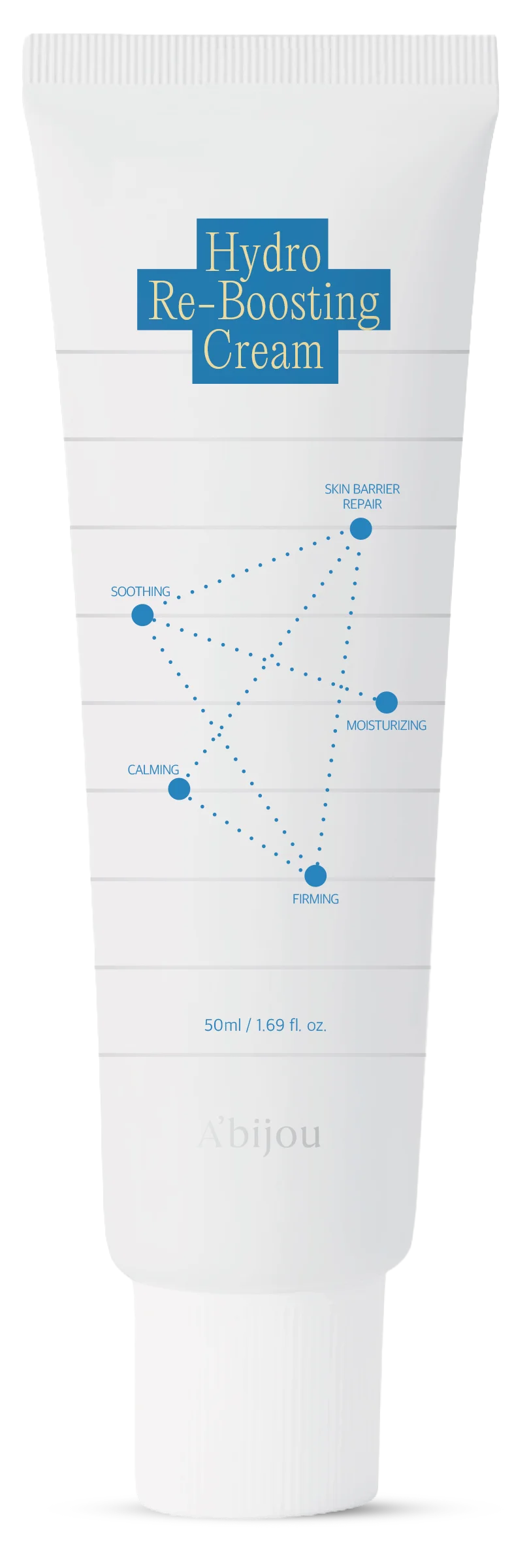 하이드로 리-부스팅 크림Buy
STEP 2 · 회복기 속보습
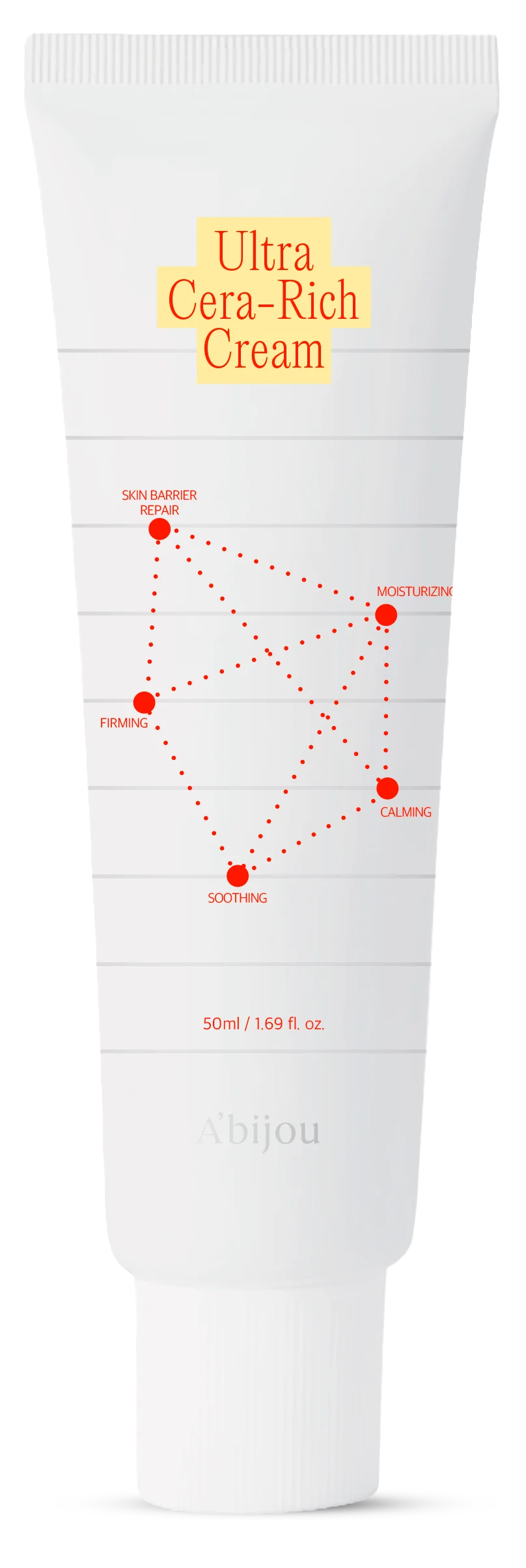 울트라 세라-리치 크림Buy
STEP 1 · 시술 직후 진정·장벽 케어