
Bakuchiol Principle and Effects, Is It Okay as a Retinol Alternative?
Bakuchiol is an ingredient extracted from a plant (babchi seed) that, while structurally different from retinol, may help with skin turnover and tone/texture care, drawing attention as a gentle alternative ingredient. It tends to be less irritating than retinol, but reactions can vary by individual, so it's important to start with a low concentration and pair it with moisturizing and barrier care when first using it.
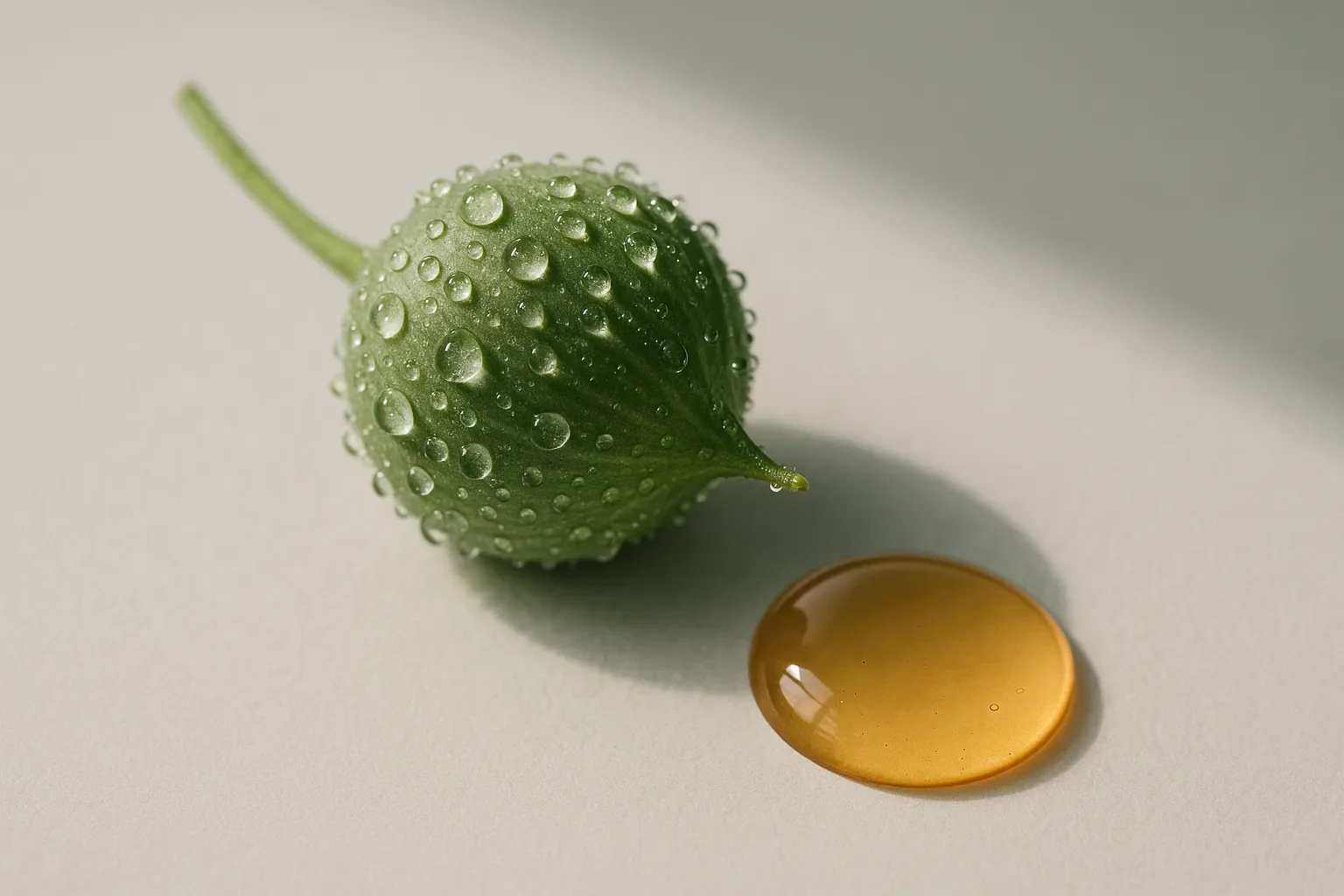
Many people encounter bakuchiol while searching for a 'gentle alternative ingredient' because retinol's irritation feels burdensome. To state the conclusion first, bakuchiol has a different chemical structure from retinol, but it is a plant-derived ingredient that may help refine skin texture and tone, and is known to be relatively less irritating.
However, 'gentle' does not mean 'completely free of irritation.' During the initial introduction period, a home care routine that adjusts the amount and frequency of use while monitoring skin condition is also necessary.
What is bakuchiol and how does it work
Bakuchiol is an ingredient extracted from the seeds of the babchi (Psoralea corylifolia) plant, which grows in regions such as India and Sri Lanka. Structurally, it is a completely different compound from retinol, but studies introducing similar results when applied to the skin have led to it being known as a 'plant-based retinol alternative ingredient.'
While retinol works by promoting skin cell turnover, bakuchiol has been reported to help with skin texture and tone care through a relatively less irritating pathway, and is often mentioned as an alternative for sensitive skin or those new to using retinol.
However, since the mechanism of action of the ingredient itself is not completely identical, it is more accurate to understand it not as having 'the same effect as retinol,' but as 'a gentle ingredient that can be used for a similar purpose.'
What changes occur in the skin during the initial period of use?
Bakuchiol is known to cause less initial irritation (redness, flaking, stinging) compared to retinol, but during the first 1-2 weeks of introduction, the skin is adjusting to the new ingredient, so it may feel more sensitive than usual.
Typically, during the first 1-2 weeks of use, the skin adjusts to the ingredient and its condition may fluctuate, and after 3-4 weeks, many people notice their skin texture gradually becoming smoother. However, this varies greatly depending on the concentration used, the formulation, and individual skin condition, so it's difficult to view this as an absolute standard.
If redness or stinging persists or worsens during use, it is safer to pause use, let the skin stabilize, and then restart with a lower concentration and lower frequency.
Step-by-step home care: Bakuchiol introduction routine
When first introducing a bakuchiol product, it's best to start every other day or 2-3 times a week rather than daily, and observe the skin's reaction. Once the skin adjusts, gradually increasing the frequency helps reduce irritation.
During the period of using bakuchiol, it is especially important to combine moisturizing and barrier care. This is because maintaining a stable skin barrier makes it easier to adjust to a new ingredient. It is recommended to cleanse, tone the skin, apply a small amount of the bakuchiol product, and finish with a moisturizing cream as the last step.
Don't forget to use sunscreen as well. During the period of introducing a new active ingredient, the skin may become more sensitive to external stimuli, making sun protection even more important.
Why barrier care matters during ingredient introduction
The period of introducing a new active ingredient like bakuchiol, similar to the recovery period after a procedure, is a time when the skin barrier can become sensitive and may be accompanied by tightness or dryness. During such periods, it can help to build a solid foundation with a cream containing barrier care ingredients such as ceramides and panthenol.
For example, when redness or irritation is felt, it can be useful to manage skin condition step by step—using a cream focused on soothing and barrier care, and then, once redness has subsided but tightness remains, switching to a cream focused on deep hydration. ZXQMAGAZINETERMAvezhuZXQ Cream incorporates this concept of step-by-step recovery, consisting of the Ultra Cera-Rich Cream (soothing and barrier care stage) and the Hydro Re-Boosting Cream (deep hydration care stage), which can serve as a reference for a supplementary home care routine during the active ingredient introduction period.
Post-procedure recovery is determined by home care
Since the period of introducing an active ingredient is a sensitive time when the skin is adjusting to new stimuli, a two-step routine can help: using the Ultra Cera-Rich Cream for soothing and barrier care when redness or irritation is felt, and continuing with the Hydro Re-Boosting Cream for deep hydration care once the irritation has subsided but tightness remains.
FAQ
- Is bakuchiol less effective than retinol?
- Since these are structurally different ingredients, a simple comparison is difficult. Bakuchiol is known to be less irritating than retinol, making it an option for sensitive skin or beginners, but the mechanism of action and how quickly effects are felt can vary by person.
- Can I use bakuchiol and retinol together?
- Some people do use them together, but irritation can accumulate, so it's safer to introduce them one at a time to check your skin's reaction before deciding whether to combine them. If you feel irritation, it's best to reduce the frequency of use.
- What should I do if I feel stinging while using bakuchiol?
- It's recommended to pause use, stabilize your skin with a gentle routine focused on moisturizing and soothing, and then slowly restart with a lower concentration and lower frequency. If symptoms persist, it's best to consult a dermatologist.
- Can bakuchiol be used during pregnancy?
- While it's sometimes mentioned as an alternative during periods of sensitivity to retinol-type ingredients, this can vary depending on individual health conditions, so it's safer to consult a specialist before use.
- Is there a cream that pairs well with bakuchiol during the introductory period?
- During the period of introducing a new active ingredient, the skin barrier can become sensitive, so building a foundation with a cream containing barrier care ingredients like ceramides and panthenol can be helpful.
Related products
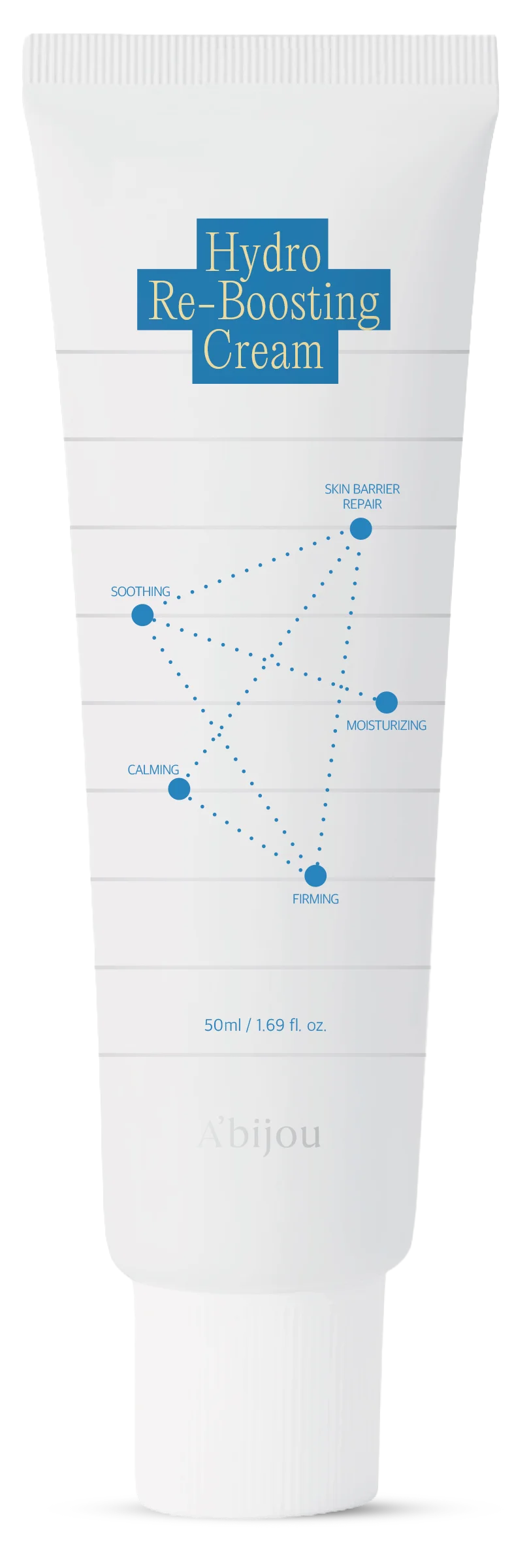 하이드로 리-부스팅 크림Buy
STEP 2 · 회복기 속보습
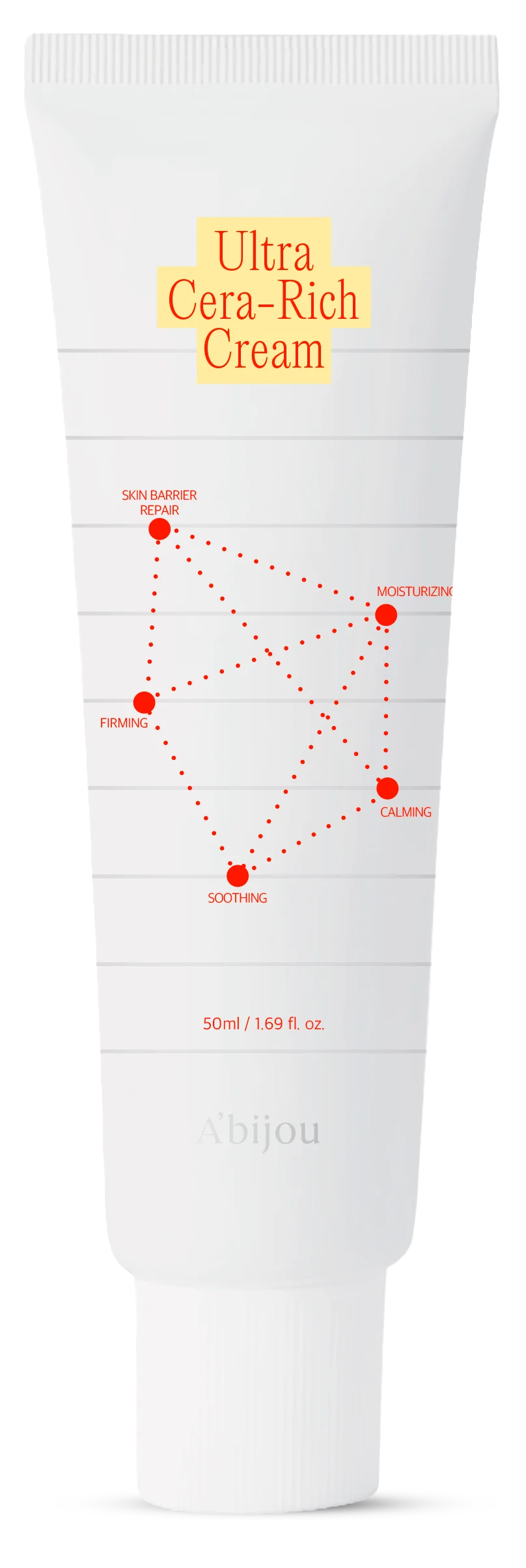 울트라 세라-리치 크림Buy
STEP 1 · 시술 직후 진정·장벽 케어