
Bakuchiol Content vs. Composition: Which Matters More?
When choosing bakuchiol cosmetics, looking only at the content percentage may not be an accurate criterion. Even with the same content level, the overall composition—base ingredients, stabilization technology, and combined moisturizing/soothing ingredients—can affect how it feels on the skin and its potential for irritation. This article explains the characteristics of bakuchiol, why both content and composition should be considered together, and what order of approach may be helpful for skin that has become sensitive after a procedure.
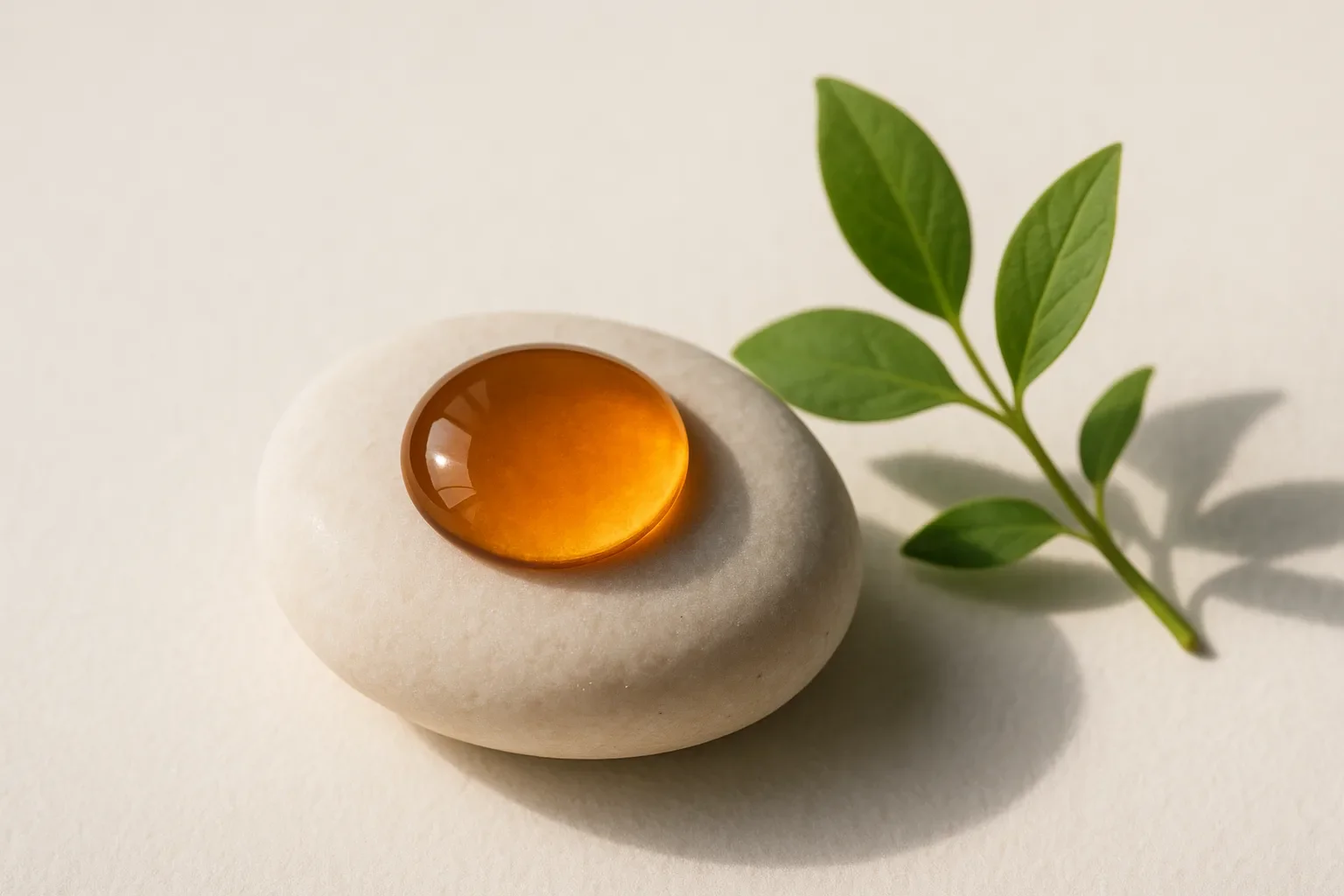
Bakuchiol is a plant-derived ingredient often mentioned as an alternative to retinol among those interested in skin texture and tone care. However, the approach of assuming 'a higher-content product is always better' requires caution. This is because cosmetics are not determined by a single ingredient but by how the overall combination of multiple ingredients—the composition—acts on the skin.
Why Bakuchiol Content Alone Is Hard to Judge By
Since bakuchiol is close to an oil-based ingredient, how stably it is dissolved within the formulation and which moisturizing/soothing ingredients it's combined with can greatly affect how it actually feels and performs on the skin. Even with the same content number, different overall composition designs can result in different spreadability, absorption, and potential for irritation.
Especially for sensitized skin—for example, skin whose condition has declined due to seasonal changes or external irritants—the overall balance and gentle sensory experience of the product may be a more important criterion than the content of a specific ingredient.
When to Consider the Overall Composition
During periods when skin is sensitive (due to seasonal changes, frequent friction/irritation, or declining condition), it helps to look at the product's overall composition rather than just the content of a single ingredient, in order to make a safer choice. A commonly recommended approach is to test a small amount for the first 1–3 days to observe the reaction, then gradually expand usage starting from day 4.
If you're interested in a specific ingredient, rather than searching for the content percentage, it's recommended to compare products based on the combination of moisturizing and soothing ingredients formulated together and the overall usage feel.
Step-by-step home care for when your skin condition is sensitive
If your skin has already become sensitized, it's better to focus on barrier care and soothing rather than using products with active ingredients. In the early stage, the concept is to minimize irritation and protect the skin, and once the condition stabilizes, it's natural to move on to deep hydration and texture care.
In Stage 1 (early stage, when there is irritation or heat sensation), it's good to focus on protecting the barrier and soothing redness with ingredients similar to the skin's lipids, such as ceramides, and in Stage 2 (after the condition has stabilized to some extent), it's good to move on to a moisture-focused stage that cares for tightness and flaking.
Why we connect this to the ABIJU Cream
If you want to apply this step-by-step approach to your actual home care routine, it can help to use a cream focused on barrier care and soothing during the early irritated stage, then switch to a cream focused on deep hydration and texture care afterward.
Recovery after a procedure depends on home care
The ABIJU Cream is a 2-STEP formulation that reflects this step-by-step care concept. STEP1 Ultra Cera-Rich Cream is designed to help with barrier care and soothing redness with a complex of 5 types of ceramides during the early stage (days 1-3) when irritation or heat sensation remains, while STEP2 Hydro Re-Boosting Cream focuses on caring for tightness, texture, and deep hydration from day 4 onward, once the condition has stabilized to some extent. This can be a helpful reference for those who want to first balance their skin barrier and hydration before starting products with active ingredients such as bakuchiol.
FAQ
- Does higher bakuchiol content always mean better effects?
- It's difficult to conclude based on content alone. Formulation stability and the overall composition, including combined moisturizing and soothing ingredients, can affect the sensory experience and skin response, so it's better to look at the overall formulation rather than just the content number.
- What should I be careful about when using a bakuchiol product for the first time?
- It's safer to test a new active ingredient on a small area first to check your skin's reaction, and to prioritize barrier care and soothing during periods when your skin is sensitive. If you feel any irritation, stop use and focus on soothing care.
- Can sensitive skin use bakuchiol?
- Since individual skin reactions can vary, it's hard to give a one-size-fits-all answer. If your skin condition is unstable, it's recommended to focus on barrier and moisture care first before trying active ingredients, and proceed gradually while monitoring your skin's condition.
- Which should I check first, content or composition?
- It's better to check both together rather than just one. Content is only a reference figure; considering the overall composition along with your own skin condition is more closely related to the actual usage experience.
Related products
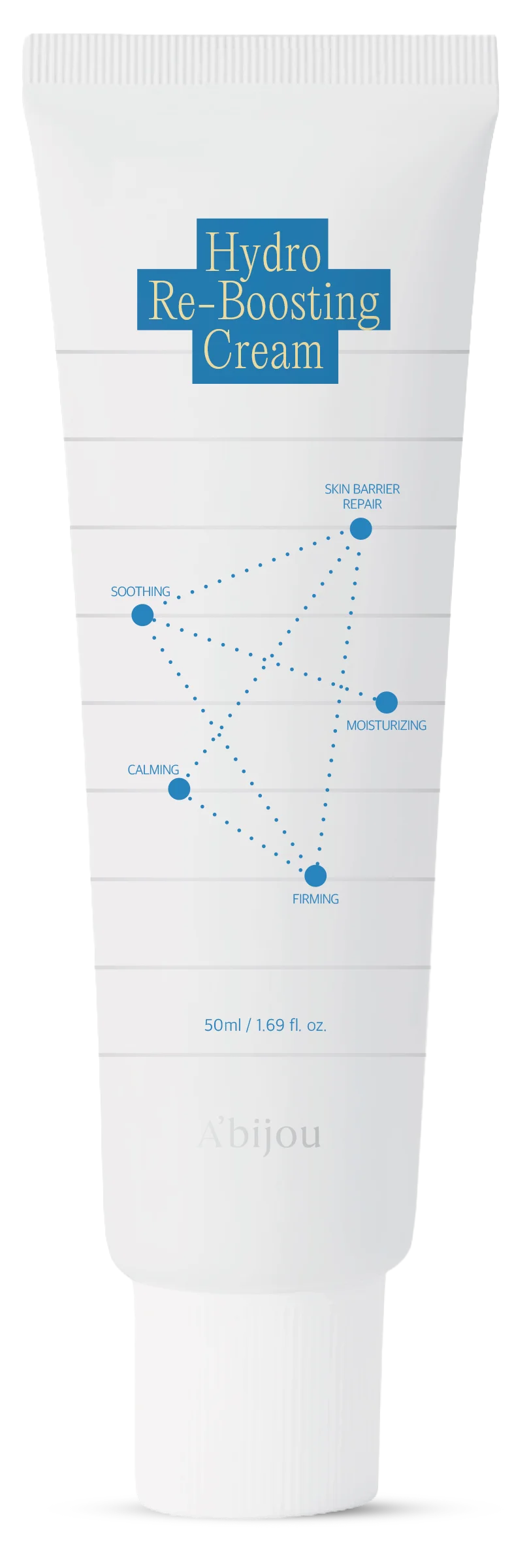 하이드로 리-부스팅 크림Buy
STEP 2 · 회복기 속보습
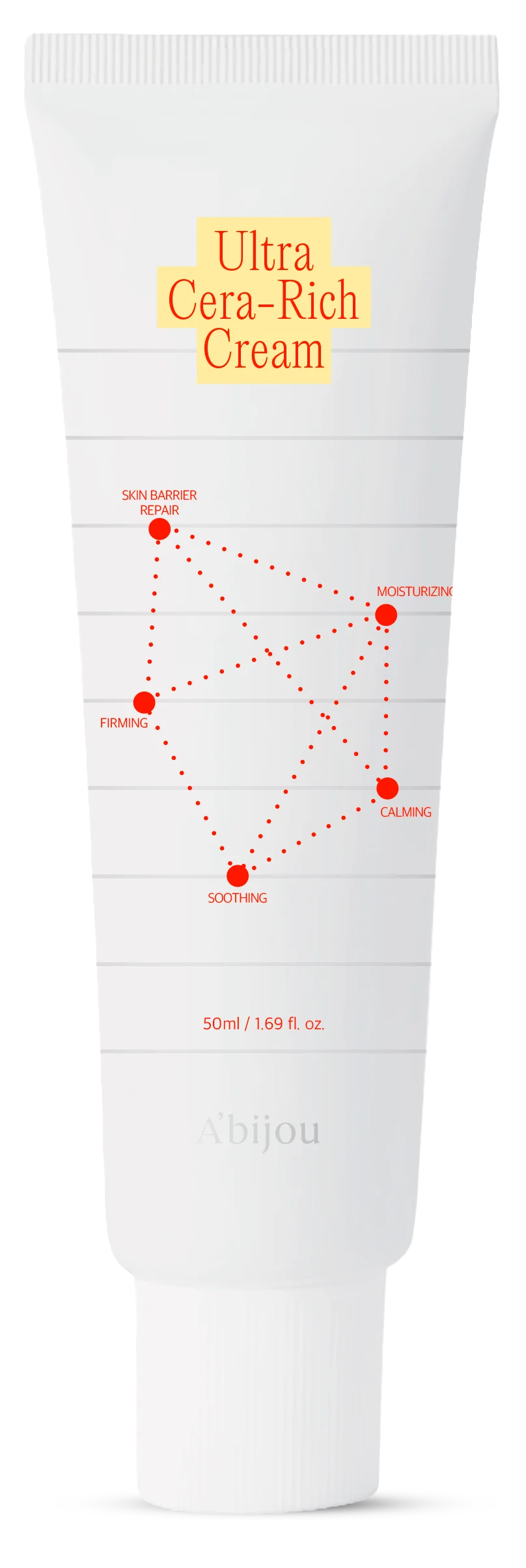 울트라 세라-리치 크림Buy
STEP 1 · 시술 직후 진정·장벽 케어