
2026 Skin Procedure Trend: Why Single Treatments Are Shifting to Combination Treatments
Recent dermatological procedure trends show a shift from single treatments such as lifting or skin boosters to 'combination treatments' where multiple procedures with different goals are planned together. However, as procedures are combined, recovery management and downtime planning become increasingly important, and the specific combination and sequence must be determined through professional consultation tailored to individual skin conditions.
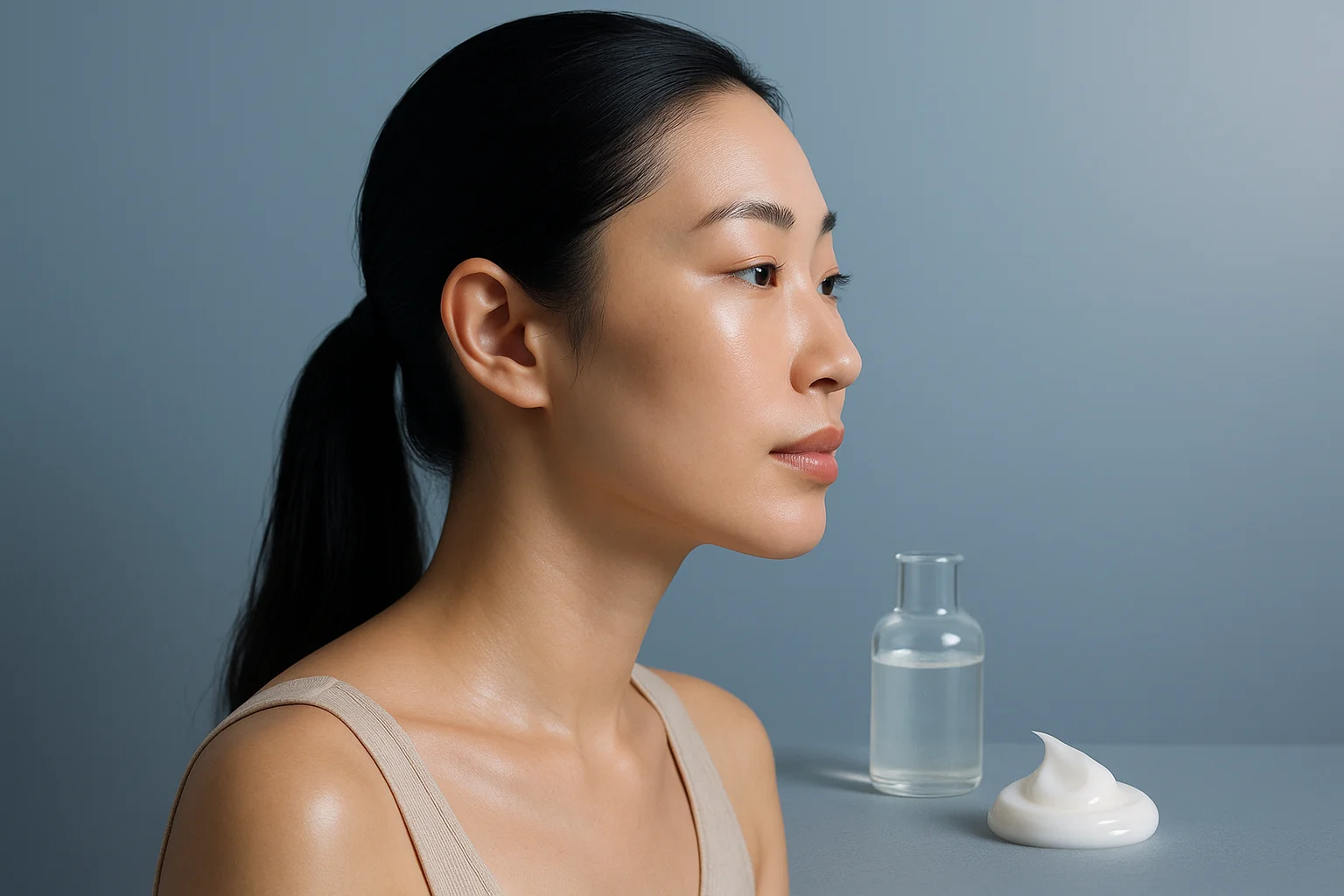
One of the keywords commonly mentioned in content covering dermatological procedure trends is 'combination (complex) treatment.' There is an emerging shift away from receiving single-purpose treatments separately, such as one lifting procedure or one whitening procedure, toward addressing multiple different concerns—elasticity, volume, tone, and hydration—within a single visit plan.
However, specific clinical principles or statistical data supporting this trend have not yet been widely confirmed. This article focuses on the current observed direction of the trend, summarizing precautions when considering combination treatments and the importance of post-treatment recovery management.
- 1Immediately After TreatmentRedness and sensitivity possible; focus on calming and barrier care
- 2Early RecoveryMinimize irritation and thorough sun protection
- 3Recovery PeriodDeep hydration care to maintain moisture balance
- 4Return to Daily LifeMonitor progress and consult with specialist if needed
Why the shift from 'single treatment' to 'combination treatment'
Skin concerns are often difficult to explain by a single cause. Issues such as sagging (loss of elasticity), volume loss, dullness, and dryness are each considered problems requiring different approaches, and the growing awareness that a single treatment alone may not deliver the desired change in appearance is cited as one of the reasons behind increased interest in combination treatments.
Additionally, there appears to be growing demand for a single consultation to comprehensively diagnose one's skin condition and plan necessary treatments together, rather than making multiple visits to a clinic amid a busy lifestyle. However, this is a qualitative observation of trends and does not mean that combination treatments guarantee better results compared to single treatments. The necessity and appropriateness of a combination should be determined differently based on individual skin condition, age, and the type of concerns.
Combination Treatments: What Is Considered Together
In general, combination treatments are often introduced as planning 'elasticity and lifting procedures' together with 'hydration and tone improvement procedures.' For example, combining an elasticity management procedure using thermal energy with a skin booster procedure aimed at hydration and nutrient supply, planned sequentially within the same consultation, is commonly mentioned.
However, the type, order, and interval of treatments are areas that must be determined by a specialist physician considering the skin condition and recovery capacity of the treatment area, as well as interactions between treatments. This article does not recommend specific combinations of treatments or make definitive claims about effects, and actual treatment planning must be decided only after direct diagnosis of skin condition at a medical facility.
Combination Treatments and Downtime: The Importance of Recovery Management
When multiple treatments are performed together, the variety and frequency of stimulation the skin receives may increase compared to a single treatment, making skin care during the recovery period even more important. Temporary redness, sensitivity, and dryness may occur immediately after treatment, and these vary greatly depending on the treatment type and individual skin condition.
Therefore, if considering combination treatments, it is advisable to consult about the expected downtime period and recovery care methods as well. Basic recovery guidelines such as timing for return to daily activities, sun protection, and avoiding irritating ingredients are commonly emphasized regardless of treatment type.
Post-Treatment Home Care: What Should You Manage
Immediately after undergoing multiple treatments, the skin barrier may temporarily become sensitive, and a home care routine that minimizes irritation while providing soothing and hydrating benefits may be helpful. In particular, immediately after treatment, managing the skin surface comfortably with a low-irritant formulation is recommended, and as time passes and recovery progresses, a phased approach focusing on adequate hydration is commonly advised.
However, home care alone cannot replace treatment effects or accelerate recovery speed, and home care is only a supplementary management means. If abnormal reactions persist or worsen, consulting with the medical facility where the treatment was performed takes priority over self-care.
Post-Treatment Recovery: Home Care Makes the Difference
When multiple procedures are performed together, stage-specific care from immediately after the procedure through the recovery period can be beneficial. ABeauté cream is composed of two stages with this progression in mind. Immediately after the procedure, Ultra Sera-Rich can be used to soothe sensitized skin and help support the skin barrier, and during the subsequent recovery period, Hydro Re-Boosting can replenish deep hydration for staged home care. However, this is a supplementary care method, and it is advisable to consult with the medical institution where you received the procedure regarding the timing and method of use based on the condition of the treated area.
FAQ
- Do combination treatments always produce better results than single treatments?
- This cannot be concluded definitively. Combination treatments are simply an approach to address multiple concerns together, and results and satisfaction vary depending on individual skin condition and treatment combination. Whether it is suitable for you should be determined through professional consultation.
- Does downtime get longer if you receive multiple treatments at once?
- This depends on the type and combination of treatments and individual skin recovery capacity. While it is generally emphasized that recovery management requires more attention as irritating factors increase, the specific downtime period should be confirmed with your healthcare provider before treatment.
- Who is combination treatment suitable for?
- It can be considered as an option for those with multiple concerns simultaneously such as elasticity, volume, tone, and hydration. However, this is merely a general trend and is not recommended for everyone. It must be decided with a specialist after skin condition assessment.
- When should home care begin after treatment?
- The timing for post-treatment care varies depending on the type of treatment and skin condition, so it is essential to follow your healthcare provider's guidance. Generally, the commonly mentioned approach is to start with calming care using gentle products to minimize irritation, then transition to hydration-focused management as recovery progresses.
Curious about the procedure?
아비쥬의원 시술 정보 보기
Medically reviewed by 아비쥬의원 의료진. (September 10, 2026)