
Acne Treatment: Effects, Process, and Post-Procedure Care Explained
Acne treatment is a procedure that manages acne—caused by a combination of sebum, dead skin cells, bacteria, and inflammation—in stages, aiming for calming and improvement. It can be considered when inflammatory acne recurs or is slow to calm with self-care alone, but since effects and how they are felt vary by individual, a diagnosis through consultation with a specialist is necessary.
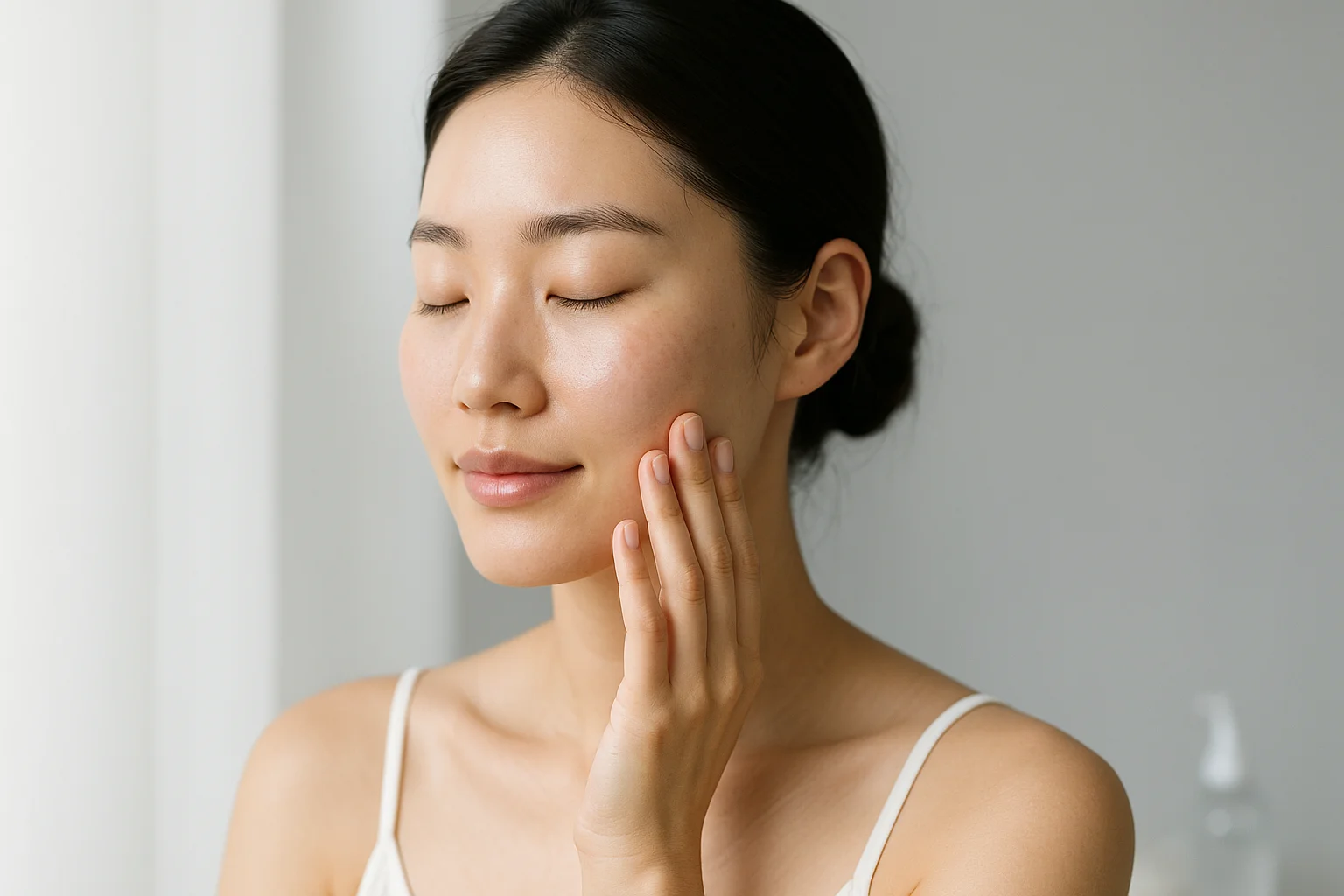
If you're troubled by red, inflamed acne that keeps appearing on your face, you may have already reached the limits of self-care alone. Acne treatment is a procedure that manages this inflammatory acne stage by stage under a specialist's diagnosis, aiming to address the multiple causes of acne together—sebum, dead skin cells, bacteria, and inflammation.
That said, the method and intensity of the procedure vary depending on skin condition and the stage of acne progression, and it's worth understanding beforehand that the timing and degree of felt results differ from person to person.
- 1상담 및 진단피부 상태·여드름 단계 확인
- 2클렌징시술 전 피부 정돈
- 3단계별 관리피지·모공·염증에 맞춘 구성
- 4진정 관리시술 후 안내 및 진정
- 5일상 복귀별도 회복 기간 거의 없음
Why Acne Forms, and What the Procedure Addresses
Acne begins when dead skin cells at the pore opening thicken, narrowing the outlet for sebum and trapping it inside. When bacteria then proliferate within the pore and an inflammatory response is added, this progresses into whiteheads or red, swollen bumps. In other words, acne is the result of four factors—dead skin cells, sebum, bacteria, and inflammation—overlapping in sequence.
Acne treatment focuses on which point in this process to ease. Care is structured in stages tailored to skin condition to clear clogged pores, regulate excess sebum production, and calm existing inflammation. Because acne stems from a combination of factors rather than a single cause, a repeated approach matched to the stage of progression is often needed rather than a single session.
Changes You Can Expect from Acne Treatment
Acne treatment aims to help with the following changes. However, these are not guaranteed results, and the degree to which they are felt may vary depending on skin condition and lifestyle habits.
It may help calm red, inflamed acne and regulate excess sebum production. It also aims to improve pore condition through care that clears clogged pores, and takes an approach geared toward reducing the frequency of recurrence with consistent management. These changes tend to appear gradually over multiple sessions rather than immediately after a single procedure.
Procedure Process and Duration
Acne treatment typically begins with a consultation and skin diagnosis, followed by cleansing and stage-by-stage care tailored to skin condition, and concludes with calming care and post-procedure guidance. It is performed without separate anesthesia, and the procedure generally takes about 30 to 60 minutes depending on the composition of care involved.
Pain is generally known to be mild or minimal, though this can vary depending on skin condition and the intensity of care. Another feature is that in many cases, there's no separate recovery period, allowing a return to daily activities on the same day.
Difference from Acne Care and Premium Peeling
Acne-related care is categorized by purpose. Acne treatment focuses on complex, stage-specific management tailored to inflammatory acne progression, while acne care is closer to routine maintenance and prevention for sebum and pores. Premium peeling uses peeling agents to refine skin texture and tone by addressing dead skin cells on the surface, and may be considered alongside other treatments when acne scarring or surface refinement is also needed.
Since these three approaches differ in method and focus, it's recommended to consult with a specialist to choose the appropriate approach based on the current stage of your acne—whether inflammation is dominant, or whether sebum and pore management should take priority.
When You Might Consider a Consultation
A consultation may be worth considering if red, inflamed acne keeps recurring, if self-care alone—such as cleansing or skincare—isn't enough to calm it, if you're concerned about sebum and pore condition alongside acne, or if you want to manage things proactively before scarring develops. However, whether to proceed with the procedure and which specific method to use should safely be decided through consultation with a specialist who has directly examined your skin condition.
Why Home Care Matters During the Recovery Period
Acne treatment generally doesn't involve a long separate recovery period, but skin may temporarily become sensitive or show redness right after the procedure. During this time, it's important to avoid irritating ingredients and use calming care that protects the skin barrier. In particular, since moisture balance can easily be disrupted during the process of regulating sebum and pores, focusing on low-irritation moisturizing and calming home care for several days after the procedure can help maintain results stably.
Areas with acne are often under-moisturized out of concern over oiliness, but when the barrier is already weakened, insufficient moisture can actually make skin more sensitive to irritation. It's therefore best to manage the recovery period using products that provide calming and hydration together without feeling heavy.
Home Care Determines How Well You Recover After the Procedure
Right after the procedure, calming and barrier-care products that help soothe redness and sensitivity can be used, followed by deep-hydration care over the following days to replenish the moisture balance that's prone to disruption during recovery. Abiju Cream is structured as a 2-step system to match this process: STEP 1, Ultra Cera-Rich, focuses on calming redness and barrier care right after the procedure, while STEP 2, Hydro Re-Boosting, is designed for deep-hydration care during the recovery period. That said, cosmetic products do not replace the procedure itself and are best understood as a supplementary aid in managing overall skin condition.
Medically reviewed by 아비쥬의원 의료진. (September 10, 2026)