
Adenosine Precautions: Essential Things to Know Before Use
Adenosine is an ingredient that supports skin elasticity care and is widely used in functional cosmetics, but it is designed to work effectively even at low concentrations, so there is no need to always seek high concentrations. For sensitized skin or skin immediately after procedures, it is important to check for irritation first, and choosing a formulation with less irritation is safer when calming and hydration are priorities. Below, we have organized its properties and usage checkpoints.

What is adenosine?
Adenosine is an ingredient that can help with skin elasticity care and is widely used domestically as one of the approved ingredients in wrinkle-improvement functional cosmetics.
However, it is not an ingredient where 'more is better.' The concentration required for functional registration is set, and it is generally designed to perform its role sufficiently within that range. When choosing a product, it is important to look not just at the concentration number itself but also at whether the overall formulation matches your skin condition.
When you need to be careful
Adenosine itself is known to be mild, but when the skin barrier is weakened or in sensitive states such as immediately after procedures, any ingredient can feel more irritating than usual.
Especially during periods with lingering redness or heat sensation, or when the stratum corneum is thinned, it is safer to test a small amount when using a new product for the first time.
When using combined products containing multiple functional ingredients (brightening, wrinkle improvement, etc.), ingredients may overlap or irritation factors may increase, so it is good to monitor for signals such as tightness or stinging and adjust accordingly.
Taking a different approach by time period
For the first 1-3 days after lifting procedures or skin booster treatments, calming and barrier care take priority over elasticity care. During this period, using formulations with less irritation that focus on calming is the way to reduce burden on the skin.
From the 4th day onwards, when redness and heat sensation subside, the recovery phase tends to bring tightness and dryness. It is natural to focus on hydration and skin texture care during this period.
Once skin condition stabilizes, consistently using products containing firming care ingredients is the most natural sequence without overstraining the skin.
Divide your step-by-step home care this way
Step 1 (Immediately after treatment~Day 3): Focus on soothing redness and heat sensation while providing barrier care. Use ingredients with minimal irritation, applying gently without rubbing or tugging the skin.
Step 2 (From Day 4 onwards): This is when tightness and dead skin cells become noticeable. Switch to formulations that replenish hydration and help refine skin texture.
By establishing a post-treatment care routine aligned with this progression, you can reduce unnecessary irritants during sensitive phases while supporting skin recovery. In practice, post-treatment care methods often make a significant difference in subsequent skin condition.
Post-treatment recovery is determined by home care
In this context, ZXQMAGAZINETERM Abjou cream ZXQ is worth noting for its 2-STEP composition designed for the post-treatment recovery phase. Immediately after treatment, use the Ultra Sera-Rich Cream (STEP 1) focused on redness and barrier care; after redness subsides when tightness remains, use the Hydro Re-Boosting Cream (STEP 2) that supports deep hydration and skin texture care. Both products contain adenosine in their formulations, but they are designed with different emphasis on soothing and hydrating core ingredients depending on the phase, allowing worry-free use even during sensitive periods.
FAQ
- Is it okay to apply adenosine daily?
- It is generally known as an ingredient for consistent use under normal skin conditions. However, immediately after procedures or during periods when skin is sensitive, it is better to first use products that prioritize calming and hydration, then adjust usage frequency after skin condition stabilizes.
- Can I use adenosine together with other functional ingredients?
- It is often used together with other ingredients, but when multiple ingredients overlap, irritation factors may increase depending on skin type. If you experience tightness or stinging during use, it is recommended to adjust usage frequency or application order.
- Can I use adenosine products immediately after procedures?
- Immediately after procedures is a time when calming redness and barrier care take priority over elasticity care. It is recommended to first use formulations with less irritation that focus on calming, then use elasticity care ingredients once skin has stabilized.
- Is the effect better with higher adenosine concentration?
- The overall formulation composition and suitability for your skin condition are more important than concentration itself. Within established ranges, it is often designed to work sufficiently.
Related products
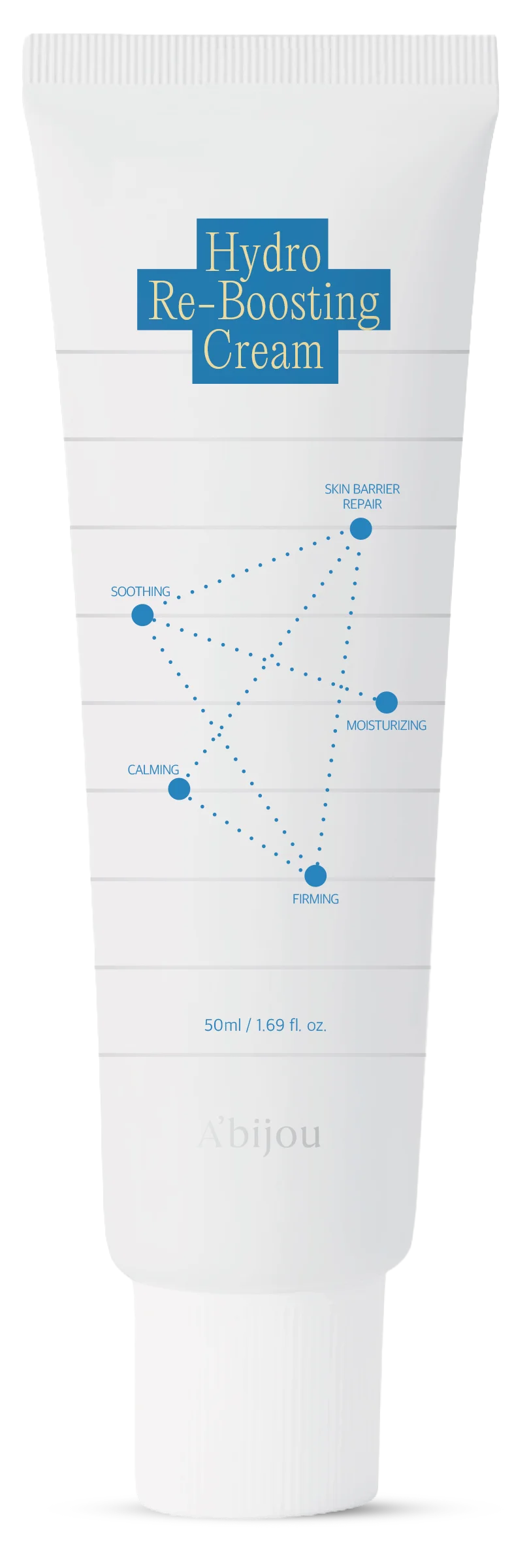 하이드로 리-부스팅 크림Buy
STEP 2 · 회복기 속보습
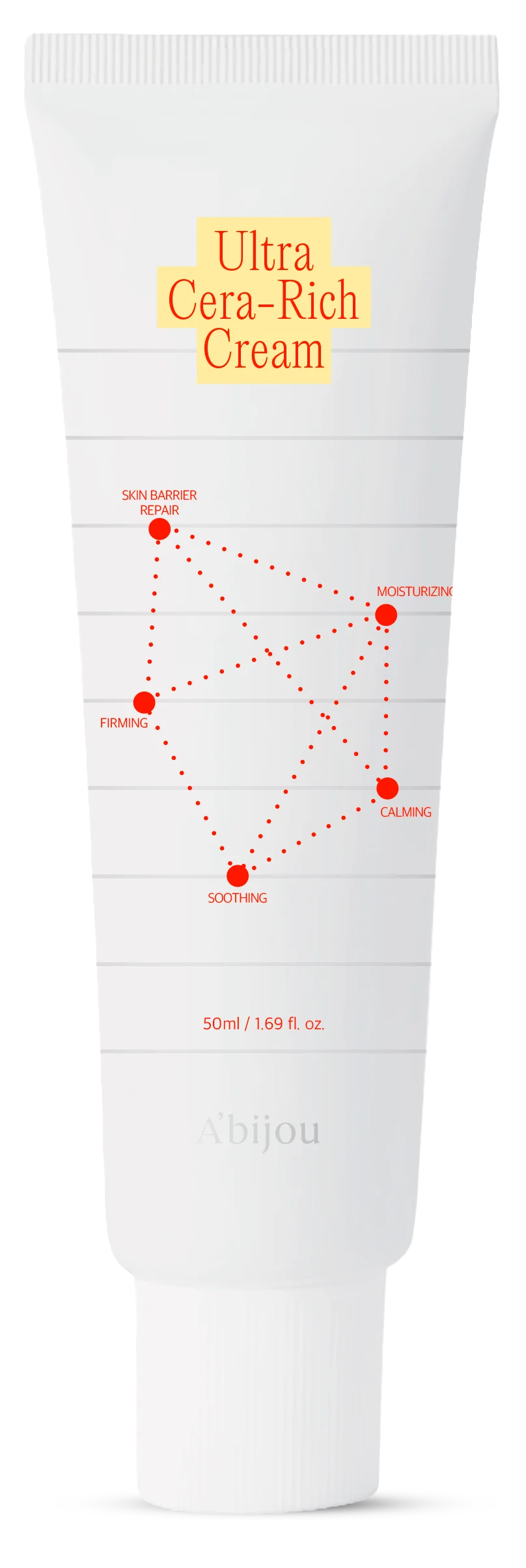 울트라 세라-리치 크림Buy
STEP 1 · 시술 직후 진정·장벽 케어