
Adenosine "Treatment" Aftercare Compatibility: Facts to Know Before You Start
Many people encounter the term 'adenosine treatment' online, but adenosine is originally a functional cosmetic ingredient for wrinkle improvement and a pharmaceutical ingredient used to treat cardiac arrhythmia—an entirely different concept from skin boosters like Rejuran. This article neutrally explains what adenosine actually is, how it differs from skin booster procedures, and what to consider for at-home care during the recovery period after related treatments.
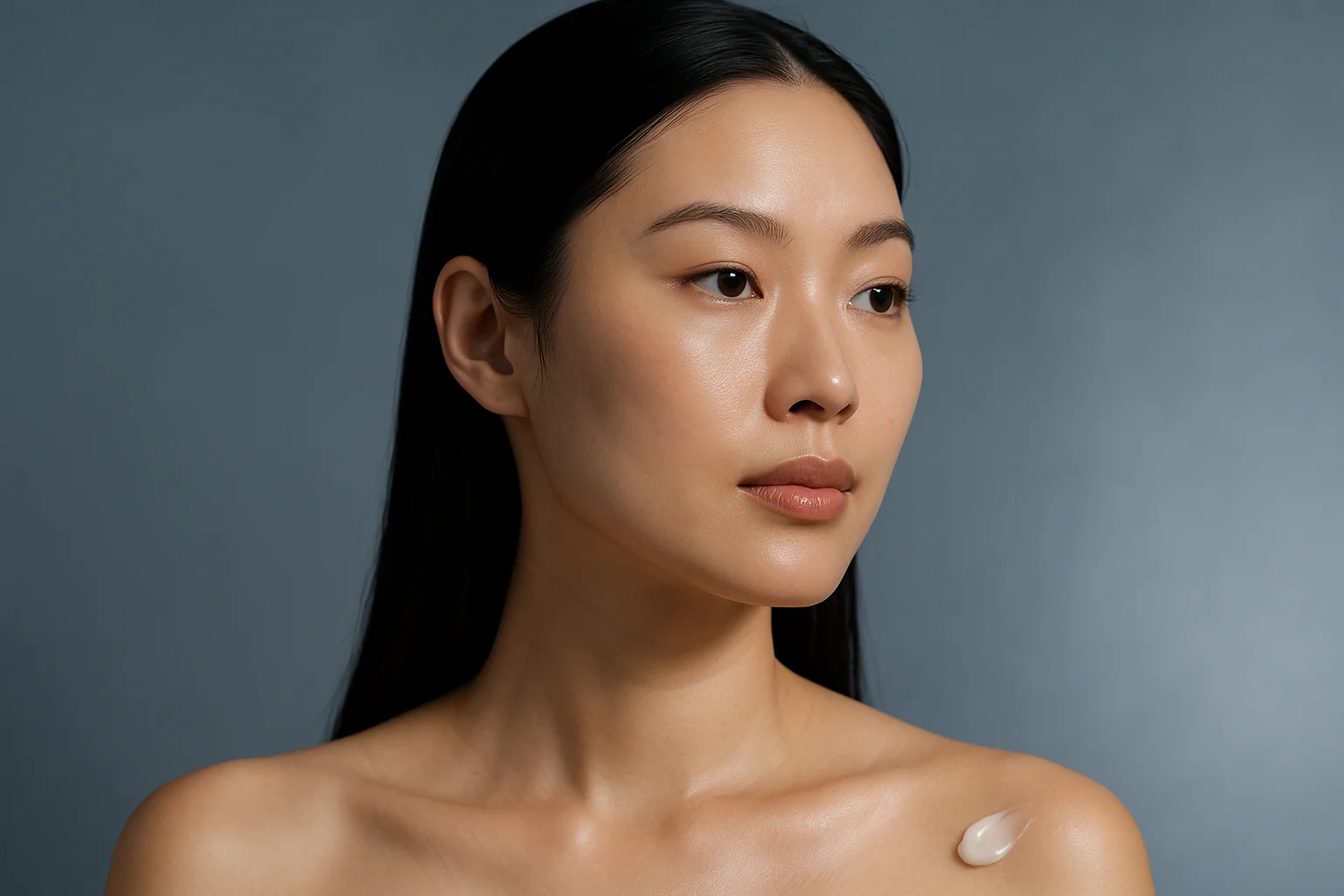
Many people who come across the term 'adenosine treatment' online wonder whether it's the same as skin booster treatments like Rejuran, or something different. To answer that upfront: adenosine itself is not a name for an independent dermatology procedure. Let's first clarify the accurate concept, then look at information you can reference for care before and after related procedures.
What Is Adenosine?
Adenosine is a natural purine nucleoside reported to be involved in intracellular energy transfer and signal transduction. This ingredient is used in two largely different areas.
First, as an intravenous pharmaceutical, it is reported to be used as a short-acting antiarrhythmic agent for treating an arrhythmia called paroxysmal supraventricular tachycardia—confirmed to fall within the domain of cardiac specialty care. Second, it is classified by Korea's Ministry of Food and Drug Safety as a functional cosmetic ingredient for wrinkle improvement, allowing cosmetics containing it above a certain concentration to display that function.
In other words, it's important to first understand that adenosine is not officially confirmed as a concept referring to 'an injectable used in dermatology procedures'—only its basis as a cosmetic ingredient or a cardiac pharmaceutical ingredient is confirmed.
The Difference Between 'Adenosine Treatment' and Skin Boosters like Rejuran
Some sources mention that Rejuran (PN/PDRN)-type skin booster treatments act via the body's adenosine A2A receptor pathway. However, this is merely an explanation of the mechanism of action for individual skin booster treatments like Rejuran, and it is not evidence supporting a separate, independent procedure called 'adenosine treatment.'
Therefore, if you're told about a procedure called 'adenosine treatment,' it may actually be a skin booster–type procedure like Rejuran, or care using cosmetics/ampoules formulated with adenosine. It's necessary to directly confirm with your treating physician exactly what procedure you'll be receiving and what ingredients and methods will be used.
Determining Whether to Get a Procedure, Downtime, and Individual Variation
Injectable and device-based cosmetic procedures each have different mechanisms, treatment areas, expected downtime such as swelling or redness, and recovery periods depending on the type. Whether a particular procedure suits your skin condition and goals, and which method is safe, must be determined through consultation with a specialist at a clinic.
The perceived effects and recovery speed of a procedure vary by individual, and even the same procedure can produce different skin reactions in different people. If you have questions before or after a procedure, or notice any unusual reaction, it's advisable to consult the clinic where you had the procedure rather than making your own judgment.
What to Consider for At-Home Care During the Recovery Period
Immediately after a cosmetic skin procedure, regardless of the type, many people go through a temporary period where the skin barrier becomes sensitive and hydration levels drop. During this period, at-home care that focuses on gentle soothing and moisturizing with minimal irritation may help support the recovery process.
Specifically, the commonly recommended approach is to minimize irritation right after a procedure while focusing on soothing redness and barrier care, then shift the care approach toward deep-moisturizing as recovery progresses.
Home Care Makes the Difference in Post-Procedure Recovery
Regardless of the type of procedure, it can help to approach recovery-period skincare in stages, moving in the direction of 'reducing irritation while replenishing moisture.' ABGEU Cream is designed in two steps to match this recovery flow. Right after a procedure, STEP 1 Ultra Cera-Rich focuses on soothing redness and barrier care, and as recovery progresses, STEP 2 Hydro Re-Boosting continues with deep-moisturizing care. That said, this is general at-home care reference information, and whether and when it can be used right after a procedure should be decided in consultation with your treating clinic.
FAQ
- Is 'adenosine treatment' the same as Rejuran?
- No. Adenosine itself is not an independent dermatology procedure name—it is a functional cosmetic ingredient for wrinkle improvement and a pharmaceutical ingredient used to treat cardiac arrhythmia. Adenosine receptors are sometimes mentioned when explaining the mechanism of action of skin booster treatments like Rejuran, but the two concepts are not the same. For accuracy, it's best to check directly with your provider about exactly which treatment you're receiving.
- What effects do cosmetics containing adenosine have?
- Korea's Ministry of Food and Drug Safety allows cosmetics containing adenosine above a certain concentration to be labeled as functional for wrinkle improvement. However, the labeled functional effects and how much they're perceived can vary by individual, and this is a separate concept from the effects of in-clinic procedures.
- I was told about an 'adenosine injection'—is it safe?
- As a pharmaceutical, adenosine is administered intravenously to treat cardiac arrhythmia, and there is no confirmed official basis for its use as a standalone injectable procedure for cosmetic skin purposes. It's recommended to directly confirm with your treating physician the exact name of the procedure, the ingredients used, and the method before undergoing it.
- When can I start using moisturizing products after a skin procedure?
- The recovery speed and appropriate timing for starting at-home care can vary depending on the type of procedure and individual skin condition. Generally, it's suggested to focus on gentle soothing and barrier care immediately after a procedure, then transition to deep-moisturizing care afterward—but the exact timing should be determined after consulting with the clinic where you had the procedure.
Medically reviewed by 아비쥬의원 의료진. (September 10, 2026)