
Allantoin Content vs Formulation: Which Matters More When Reading Cosmetic Ingredient Lists?
Allantoin is an ingredient known to help soothe irritation and calm the skin, but it's hard to judge a product's performance based solely on the number (content) listed on the ingredient list. Since allantoin works within a 'formulation' designed together with other soothing and moisturizing ingredients, looking at the overall composition and whether it's been clinically verified, rather than the standalone content, is a more accurate standard for judgment.
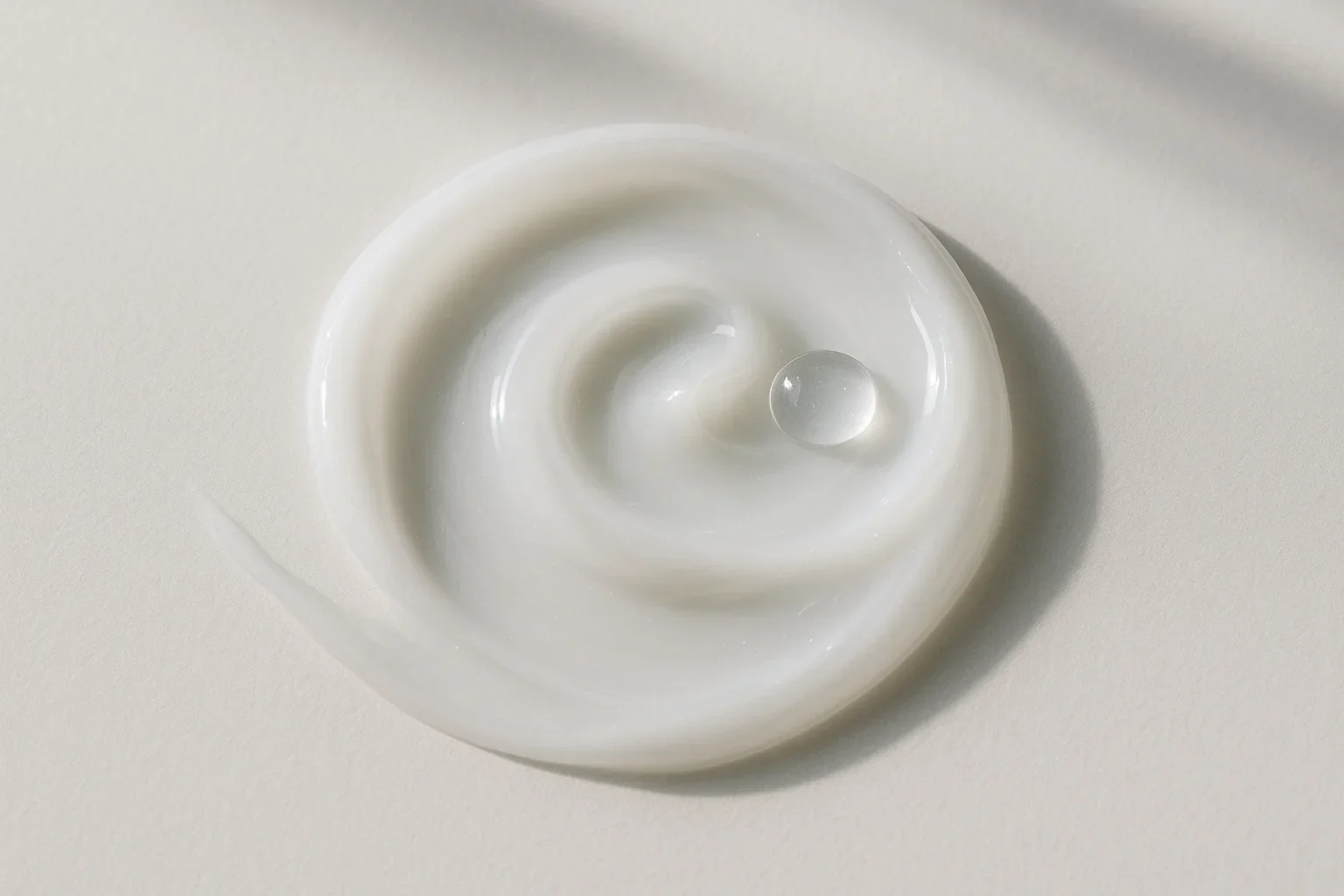
If you're someone who carefully reads ingredient lists, you've probably had your eye caught by a number like 'allantoin X%' at some point. Allantoin is one of the soothing ingredients frequently mentioned, especially when choosing a cream for sensitive skin after a procedure.
However, cosmetics aren't a single ingredient but a 'formulation' where multiple ingredients work together. Having a higher allantoin content doesn't necessarily mean the product is better — in fact, what other ingredients it's combined with and in what ratio can have a greater impact on actual usage feel and results.
- 11-3 days right after the procedureSoothing and barrier formulation centered on ceramides, panthenol, and allantoin
- 2Recovery period from day 4 onwardDeep hydration formulation centered on panthenol, niacinamide, and ceramides
- 3Everyday condition careMaintenance care with a balanced barrier and moisture formulation
What exactly is allantoin?
Allantoin is an ingredient known to help ease irritation and soothe the skin, widely used in products for sensitive skin or post-procedure care. Thanks to its gentle feel on the skin, it's characterized by being relatively usable across a variety of skin types without much burden.
However, allantoin tends to work not so much on its own, but rather within a structure where overall skin condition care effects appear when combined with other ingredients like panthenol, ceramide, and niacinamide. So whether it's ranked near the top of the ingredient list or blended in a small amount toward the bottom can actually change its real role.
Why 'formulation design' matters more than the percentage number
Cosmetic ingredient lists are, in principle, listed in order of the amount included. So even if the exact percentage of a specific ingredient isn't shown, looking at both the order and the overall formulation together can give you a sense of what kind of care the product is focused on.
For example, even if the soothing ingredient allantoin is included in a small amount, if it's designed alongside components similar to skin lipids—like ceramide, cholesterol, and fatty acids—it can become a combination that supports both barrier care and soothing care together. On the other hand, if only the allantoin content is increased while other moisturizing and barrier ingredients are lacking, the actual experience may not live up to expectations.
Ultimately, what matters more for the actual usage experience isn't 'how many percent is included,' but 'what ingredients it's combined with, and in what ratio it's designed.'
Why formulation matters even more for skin after a procedure
Skin right after a procedure or right after receiving stimulation often shows redness, dryness, and sensitivity all at once. In this state, rather than relying on allantoin alone, using a cream with soothing, moisturizing, and barrier care ingredients formulated together, matched to the stage of recovery, can be more helpful.
In the initial period, such as days 1–3 right after a procedure when heat sensation and irritation are concentrated, a formulation focused on soothing and barrier care may be more suitable, while during the recovery period from day 4 onward, a formulation focused on deep moisturizing and skin texture care may be more fitting. In other words, checking 'whether the formulation fits my current skin condition' comes before asking 'how many percent allantoin it contains'—that's the practical home care strategy.
A home care approach with different formulations designed for each stage
1) Right after irritation to day 3: During the period when redness and heat sensation remain, it can help to apply a thick layer of a formulation focused on barrier care and soothing, designed with ceramide, panthenol, allantoin, and other ingredients together, allowing it to absorb without irritation.
2) Recovery period from day 4 onward: During the period when redness has subsided but the skin feels tight inside and flaking appears, it's a natural progression to move on to a deep-moisturizing-focused product formulated with panthenol, niacinamide, and ceramide together.
Using products with different formulation focuses in sequence according to each stage like this can be a more advantageous approach to overall skin condition care than relying on allantoin content alone.
A 2-step care designed based on formulation
From this perspective, rather than emphasizing allantoin content itself, the ABIZOO cream is composed of a 2-STEP structure designed with different ingredient formulations to match skin condition at each stage. STEP1 Ultra Cera-Rich Cream combines 5 types of ceramide with panthenol, allantoin, and other ingredients, focusing on soothing and barrier care for days 1–3 right after a procedure, while STEP2 Hydro Re-Boosting Cream is formulated with panthenol, niacinamide, and ceramide, focusing on deep moisturizing and skin texture care from day 4 onward.
The effects of each product's composition and timing of use have been confirmed under various conditions through human application tests, with detailed figures and test conditions provided below.
Post-procedure recovery is determined by home care
Rather than focusing solely on allantoin content, if you consider the overall composition and timing of use together, the 2-STEP formulation of ABZU Cream can be a helpful reference. This approach involves using STEP1 Ultra Cera-Rich Cream during the period right after a procedure when redness and barrier care are needed, and STEP2 Hydro Re-Boosting Cream during the recovery phase when tightness relief and skin texture care are needed, applying each step according to the appropriate stage.
물리적 자극으로 붉어진 피부의 붉은기가 자극 전 수준으로 진정되는 데 도움. 개인차가 있을 수 있습니다.
출처 P&K 피부임상연구센타 시험성적서 (PNK-26224-RI2R)
물리적 자극으로 손상된 장벽이 손상 전 수준으로 회복되는 데 도움. 개인차가 있을 수 있습니다.
출처 P&K 피부임상연구센타 시험성적서 (PNK-26224-RI2R)
화학적 자극으로 붉어진 피부가 자극 전 수준으로 진정되는 데 도움. 개인차가 있을 수 있습니다.
출처 P&K 피부임상연구센타 시험성적서 (PNK-26223-RI1R)
거칠어진 피부결이 자극 전 수준으로 정돈되는 데 도움. 개인차가 있을 수 있습니다.
출처 P&K 피부임상연구센타 시험성적서 (PNK-26223-RI1R)
FAQ
- Does higher allantoin content mean better soothing effects?
- Higher content doesn't always translate proportionally into a stronger perceived effect. Allantoin often contributes to overall soothing and skin conditioning when formulated together with other ingredients like panthenol and ceramides, so it's more accurate to look at the overall formulation rather than the standalone figure.
- How can I check the formulation on an ingredient list?
- Full ingredient lists are listed in order of concentration, from highest to lowest. Even without specific percentage figures, it helps to check whether soothing, moisturizing, and barrier-related ingredients are evenly positioned near the front and appear to be designed as a cohesive structure.
- After a procedure, is it enough to just use a product containing allantoin alone?
- During the initial period when irritation is severe, a product formulated with allantoin alongside barrier and soothing ingredients like ceramides and panthenol may help more, while during the recovery period, switching to a formulation centered on deep hydration can be a more helpful step-by-step approach.
- What percentage of allantoin is in ZXQMAGAZINETERM Abzu ZXQ cream?
- Both the Ultra Cera-Rich and Hydro Re-Boosting products contain allantoin, each formulated differently with ceramides, panthenol, niacinamide, and other ingredients tailored to skin conditions at different stages. The exact full ingredient list can be found on the product detail page.
Related products
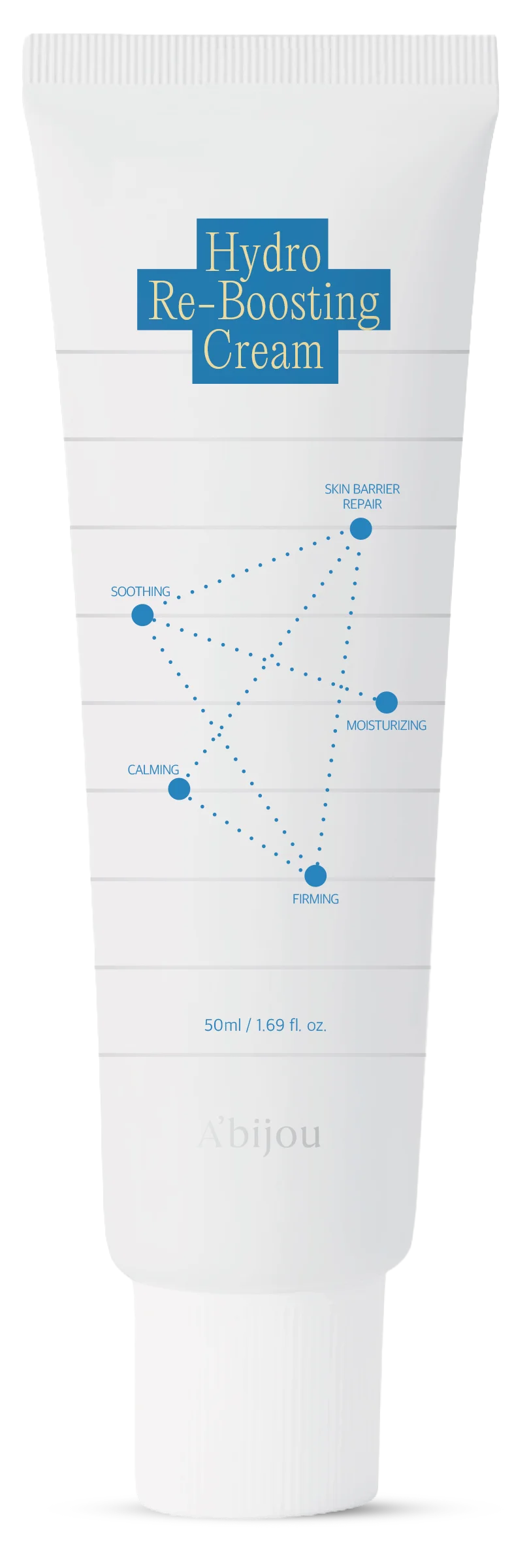 하이드로 리-부스팅 크림Buy
STEP 2 · 회복기 속보습
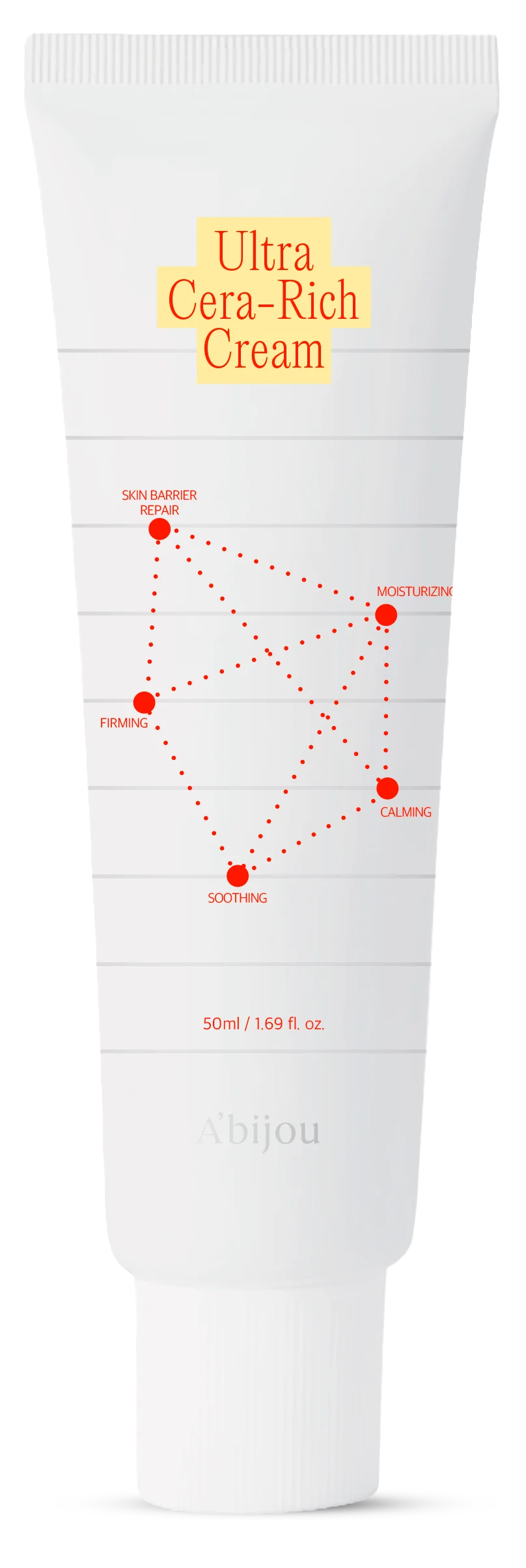 울트라 세라-리치 크림Buy
STEP 1 · 시술 직후 진정·장벽 케어