
Allantoin: Understanding Its Principle and Effects in One Ingredient
Allantoin is a low-irritant moisturizing ingredient known for helping soothe and calm the skin. It's mild and blends well into various formulations, making it a common choice for sensitive skin. When combined with ingredients like ceramides and panthenol, it can help manage skin condition during sensitive periods after treatments or when dryness and flaking are a concern.
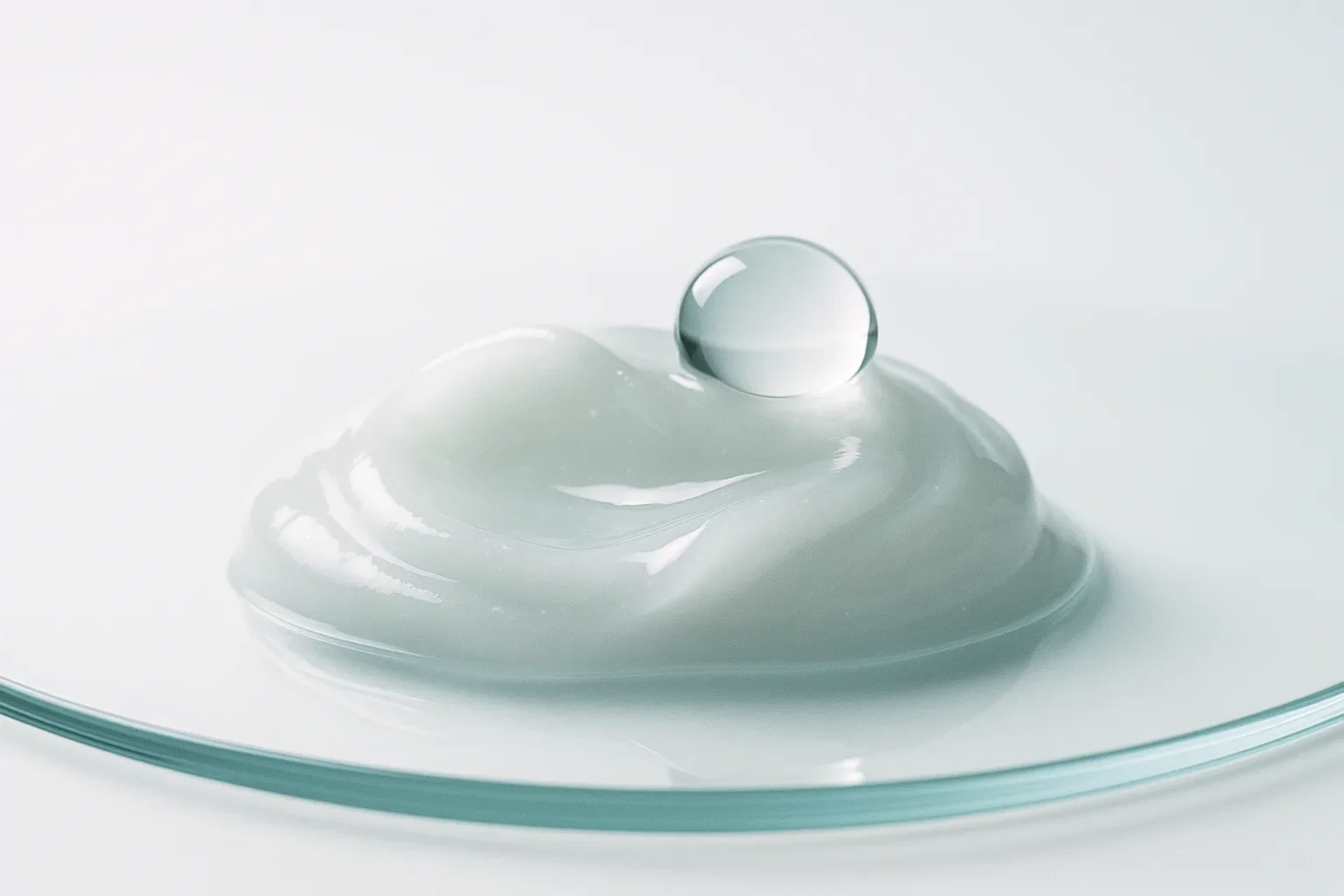
When looking through cosmetic ingredient lists, there's one name that tends to stand out often—allantoin. Thanks to its reputation for being mild, it appears frequently in soothing creams and sensitive skin lines, but exactly how it works isn't widely known.
This article covers how allantoin works on the skin, in what situations it can be helpful, and how it can be used in at-home care for sensitive skin after procedures.
What Is Allantoin, and How Does It Work?
Allantoin is an ingredient derived from plants such as comfrey root or made synthetically. Its molecular structure is small and stable, making it easy to incorporate into a variety of formulations. When applied to the skin, it forms a thin layer on the surface that helps retain moisture while also gently smoothing rough texture.
Under cosmetic regulations, allantoin is classified as an ingredient that 'helps soothe and calm irritation.' In other words, it's not meant to treat or restructure damaged tissue, but rather to calm the skin's surface when it becomes sensitive due to external irritation and help smooth out texture.
Because of these characteristics, allantoin is used as a supporting ingredient in a wide range of situations—skin that feels tight after cleansing, skin that becomes sensitive due to seasonal changes, and skin that has just experienced physical or chemical irritation.
When Allantoin Might Be Worth Considering
Right after laser or lifting procedures, the skin's surface can become temporarily sensitive, causing stinging or redness. During this period, products containing mild, low-irritant ingredients like allantoin are often prioritized over stronger active ingredients.
Even without undergoing a procedure, the same applies when you feel your skin barrier has weakened due to seasonal dryness, frequent exfoliation, or UV exposure. In these situations, it helps to pay attention to the signals your skin is sending and switch to a care routine that minimizes irritation while replenishing moisture.
That said, allantoin alone doesn't solve every issue. It's more accurate to view it as a supporting ingredient that shows synergy when combined with barrier- and moisture-supporting ingredients such as ceramides, panthenol, and beta-glucan.
When your skin becomes sensitive, approach it differently depending on the timing
The first 1–3 days right after irritation are when skin is most sensitive. During this time, it's best to minimize cleansing and simply layer on mild soothing ingredients like allantoin and panthenol in thin layers. It's also safer to reduce rubbing or patting as much as possible.
From day 4 onward, redness and stinging gradually subside, but tightness and flaking may start to become noticeable instead. At this point, it's natural to gradually shift the focus from soothing to moisture replenishment.
After about a week, skin condition generally stabilizes, but since individual differences can be significant, it's recommended to raise the intensity of your routine gradually while monitoring your skin's response, rather than rushing back to strong products.
Step-by-step home care to keep in mind
In Step 1 (right after irritation to day 3), after cleansing, lightly smooth the skin's texture with toner, then apply thin, repeated layers of a low-irritation cream formulated with both allantoin and ceramides. During this period, it's safer to think in terms of covering the skin with minimal irritation rather than adding more actives.
In Step 2 (from day 4 onward), as redness subsides, inner dryness and tightness start to become more noticeable. At this point, it's good to naturally transition to a product containing ingredients like panthenol and niacinamide that help with moisture and texture refinement.
In Step 3 (stabilization phase), simply maintaining sun protection and consistent moisturizing is often enough. However, if another procedure or strong stimulation is scheduled, it can help to strengthen soothing care starting the day before.
Post-procedure recovery depends on home care
Reflecting this flow, ABZU Cream is composed as a 2-STEP post-procedure recovery solution. During the first 1–3 days right after a procedure, when irritation is concentrated, the Ultra Cera-Rich Cream—formulated with allantoin and five types of ceramides—supports soothing and barrier care, while from day 4 onward, as redness subsides and tightness begins, the Hydro Re-Boosting Cream, rich in panthenol, continues with deep moisture care. The Ultra cream can be matched as the base choice after lifting or thermal energy procedures, while the Hydro cream can be matched after skin booster–type procedures.
물리적 자극으로 붉어진 피부의 붉은기 진정에 도움. 개인차가 있을 수 있습니다.
출처 P&K 피부임상연구센타 시험성적서 (PNK-26224-RI2R)
물리적 자극으로 손상된 장벽이 손상 전 수준으로 회복되는 데 도움. 개인차가 있을 수 있습니다.
출처 P&K 피부임상연구센타 시험성적서 (PNK-26224-RI2R)
자극 후 건조함 케어에 도움. 개인차가 있을 수 있습니다.
출처 P&K 피부임상연구센타 시험성적서 (PNK-26223-RI1R)
피부결 정돈에 도움. 개인차가 있을 수 있습니다.
출처 P&K 피부임상연구센타 시험성적서 (PNK-26223-RI1R)
FAQ
- Is allantoin safe for sensitive skin?
- Allantoin is known to be mild and low-irritant, which is why it's often used in products for sensitive skin. However, individual skin reactions can vary, so it's safer to do a small patch test when trying a new product.
- Is a product containing only allantoin enough for soothing effects?
- Allantoin tends to provide more balanced care when combined with moisturizing and barrier-supporting ingredients like ceramides and panthenol, rather than used alone. It's recommended to check the full ingredient list together.
- How many days after a procedure can I start using an allantoin cream?
- Generally, mild soothing products can be used immediately after a procedure, but this can vary depending on the type of treatment and individual skin condition, so it's best to follow your practitioner's guidance first.
- Can allantoin and niacinamide be used together?
- These two ingredients are known to support soothing and texture/tone care respectively, and are generally considered a safe combination to use together. That said, if you feel any irritation, stop use and monitor your skin condition.
Related products
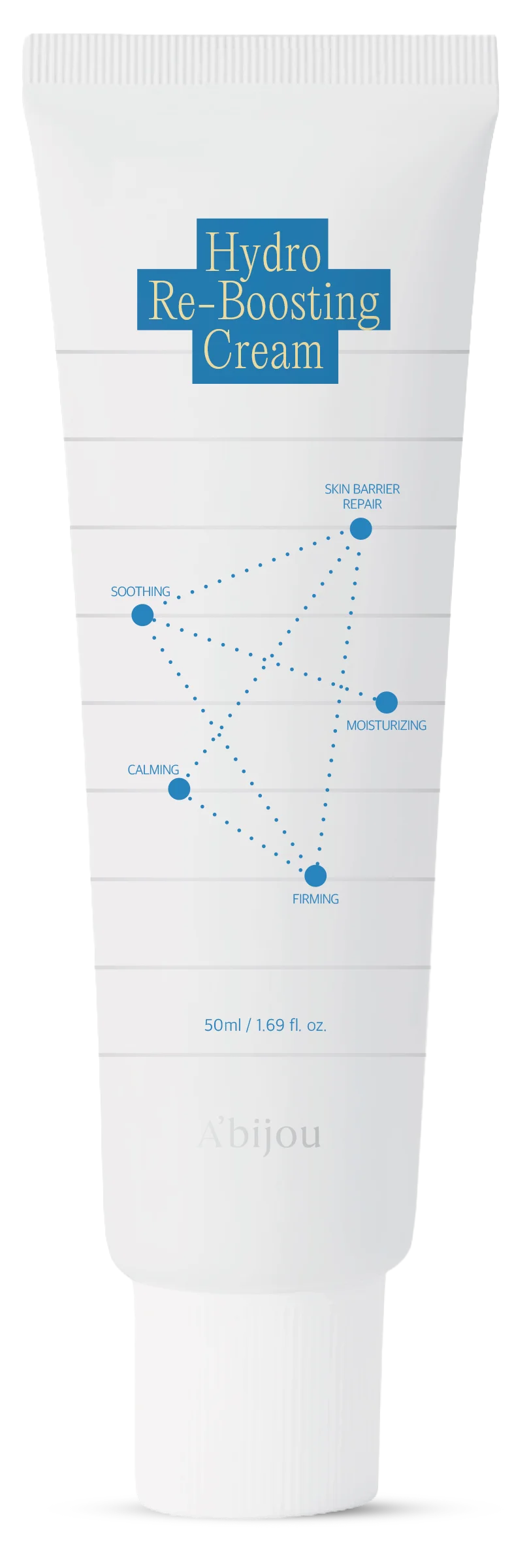 하이드로 리-부스팅 크림Buy
STEP 2 · 회복기 속보습
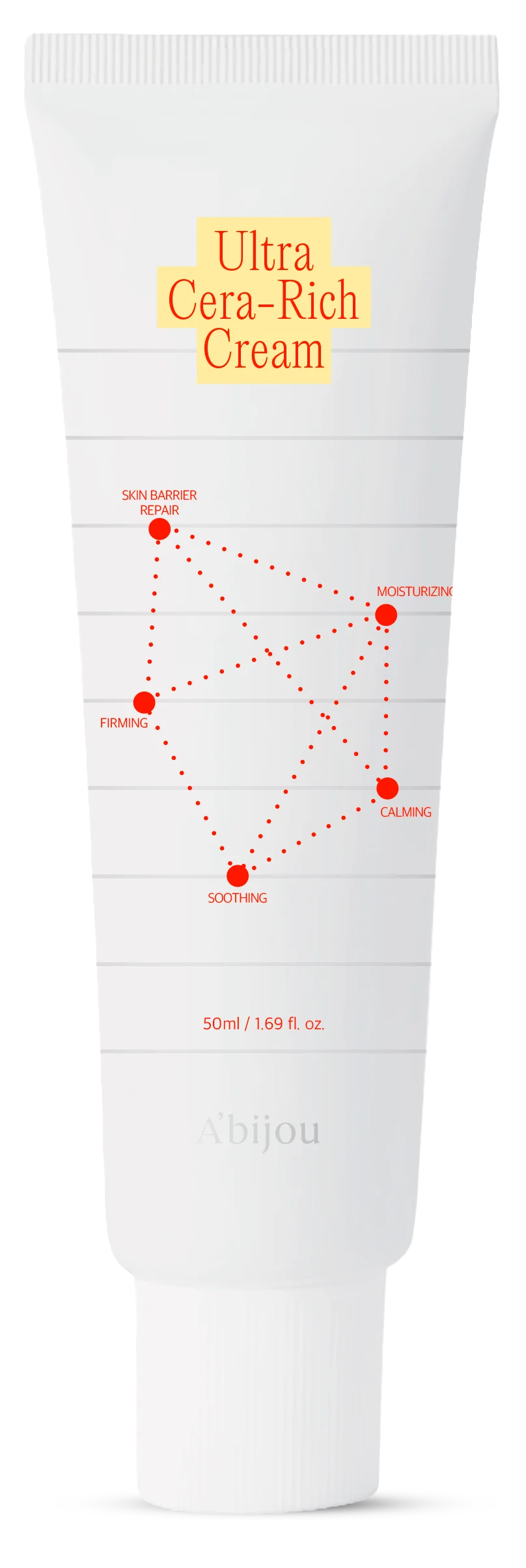 울트라 세라-리치 크림Buy
STEP 1 · 시술 직후 진정·장벽 케어