
Criteria for Choosing Allantoin, What to Check on the Ingredient List?
Allantoin is a mild ingredient that helps relieve irritation and soothe the skin, but when choosing a product, you should look not just at allantoin alone but at its blended concentration, the soothing and moisturizing ingredients used alongside it, and the overall purpose of the formulation. Especially during sensitive periods such as after a procedure, products with a balanced combination of allantoin, ceramides, and panthenol can provide practical benefits.
When looking through cosmetic ingredient lists, there's one name that stands out particularly often: 'allantoin.' Known as a mild, low-irritation ingredient, it appears in everything from sensitive skin products and soothing creams to post-procedure care products. However, many people have probably felt that choosing a product simply because it 'contains allantoin' isn't quite enough.
In this article, we'll go over what role allantoin plays in the skin and what criteria to actually consider when choosing a product.
What Kind of Ingredient Is Allantoin, and Why Is It Used So Widely?
Allantoin is a low-irritation ingredient that helps relieve irritation and soothe the skin, and it's characterized by being gentle on sensitized skin or areas with flaking. Because of this, it's used across a wide range of categories, including trouble-care products, products for acne-prone skin, and post-procedure recovery creams.
However, allantoin is less of a standalone ingredient with powerful efficacy and more of a supportive component that helps skin react less sensitively to irritation. In other words, the presence of allantoin doesn't guarantee that a product will always have excellent soothing power—the synergy with other combined ingredients and the overall completeness of the formulation often determine the actual usage feel and results.
Criteria to check together when choosing a product
First, rather than relying on allantoin alone, check whether soothing ingredients like panthenol, beta-glucan, scutellaria extract, or echinacea extract are included together. Products designed so that multiple soothing ingredients work in overlapping ways from different angles can provide a more stable feel during irritated conditions.
Second, check the combination with barrier-care ingredients. If components with a composition similar to skin lipids—such as ceramides, cholesterol, and fatty acids—are formulated together, this can also help reinforce the skin barrier, which tends to weaken after soothing.
Third, check whether the formulation matches its intended purpose. For early-stage sensitivity with redness and heat, a lightweight, quickly absorbed formula focused on soothing is suitable; for the later stage when tightness remains after soothing, a formula with added moisturizing feel is more appropriate. Even with the same allantoin included, the perceived effect can differ depending on the formulation's purpose.
Fourth, whether safety verification such as a primary irritation test has been conducted is also a criterion worth referencing. For products used during sensitive periods, it's good to check whether the formulation has been designed to lower the potential for irritation.
Times that require extra attention — when skin becomes sensitive
When seasons change, dryness worsens, or right after skin has been subjected to stimulation such as lifting or laser procedures, the role of soothing ingredients becomes more important than usual. During these times, among products containing allantoin, it's advisable to prioritize checking whether the formulation is designed to address redness, heat, and barrier damage together.
In sensitive states such as right after a procedure, choosing a product with a balanced combination of irritation-relieving ingredients and barrier-care ingredients can help make the subsequent recovery process a bit more comfortable. Since post-procedure care influences the skin's condition afterward, it's important to consider the entire recovery stage rather than focusing on a single ingredient when selecting a product.
Thinking in stages makes choosing easier
During the early sensitive period (roughly 1 to 3 days), a lightweight soothing cream combining allantoin and ceramides, focused on calming redness and heat, is suitable.
Afterward, during the period when redness has subsided but tightness or fine flaking remains (roughly from day 4 onward), it may help to switch to a product where allantoin is combined with moisturizing and texture-refining ingredients like panthenol and niacinamide.
Since the care needed differs by stage in this way, it can be a good approach to use different products suited to each stage rather than relying on a single product to cover every period.
Post-procedure recovery is determined by home care
From this perspective, the 2-STEP composition of ABIJOU cream can serve as a useful reference. For the first 1-3 days right after a procedure, the 'Ultra Cera-Rich Cream,' which combines allantoin with 5 types of ceramides, helps soothe redness and heat while caring for the skin barrier. From day 4 onward, during the recovery phase, the 'Hydro Re-Boosting Cream,' which adds panthenol and niacinamide to allantoin, continues deep hydration and skin texture care. Both products have been confirmed as non-irritating in human skin primary irritation tests.
물리적 자극으로 붉어진 피부가 자극 전 수준으로 회복되는 데 도움. 개인차가 있을 수 있습니다.
출처 P&K 피부임상연구센타 시험성적서 (PNK-26224-RI2R)
손상된 장벽이 손상 전 수준으로 회복되는 데 도움. 개인차가 있을 수 있습니다.
출처 P&K 피부임상연구센타 시험성적서 (PNK-26224-RI2R)
화학적 자극으로 붉어진 피부가 자극 전 수준으로 회복되는 데 도움. 개인차가 있을 수 있습니다.
출처 P&K 피부임상연구센타 시험성적서 (PNK-26223-RI1R)
거칠어진 피부결이 자극 전 수준으로 정돈되는 데 도움. 개인차가 있을 수 있습니다.
출처 P&K 피부임상연구센타 시험성적서 (PNK-26223-RI1R)
FAQ
- Is a product better if it has a higher concentration of allantoin?
- Concentration alone is not enough to determine whether a product is good or bad. Since allantoin is more of a supporting ingredient that helps relieve irritation and soothe the skin, it's more important to look at how it's combined with other soothing, moisturizing, and barrier-care ingredients, as well as the overall quality of the formulation, rather than focusing on concentration alone.
- Which is better for soothing, allantoin or panthenol?
- The two ingredients play somewhat different roles. Allantoin helps relieve irritation and soothe the skin, while panthenol helps with moisturizing and soothing, so they can work in a complementary way. Rather than choosing one over the other, it may be worth considering products that combine both.
- I have sensitive skin—can I use a product that only contains allantoin?
- Allantoin is known as a low-irritation ingredient, but if you have sensitive skin, it's recommended to also check whether barrier-care ingredients such as ceramides are included alongside allantoin, and whether the product has undergone safety verification such as a primary irritation test.
- Can I use a product containing allantoin right after a procedure?
- Allantoin itself is a mild ingredient, but the appropriate timing for care right after a procedure can vary depending on individual skin condition and the type of procedure. It's best to follow your practitioner's guidance first, and then gradually incorporate products containing ingredients that help with soothing and barrier care.
Related products
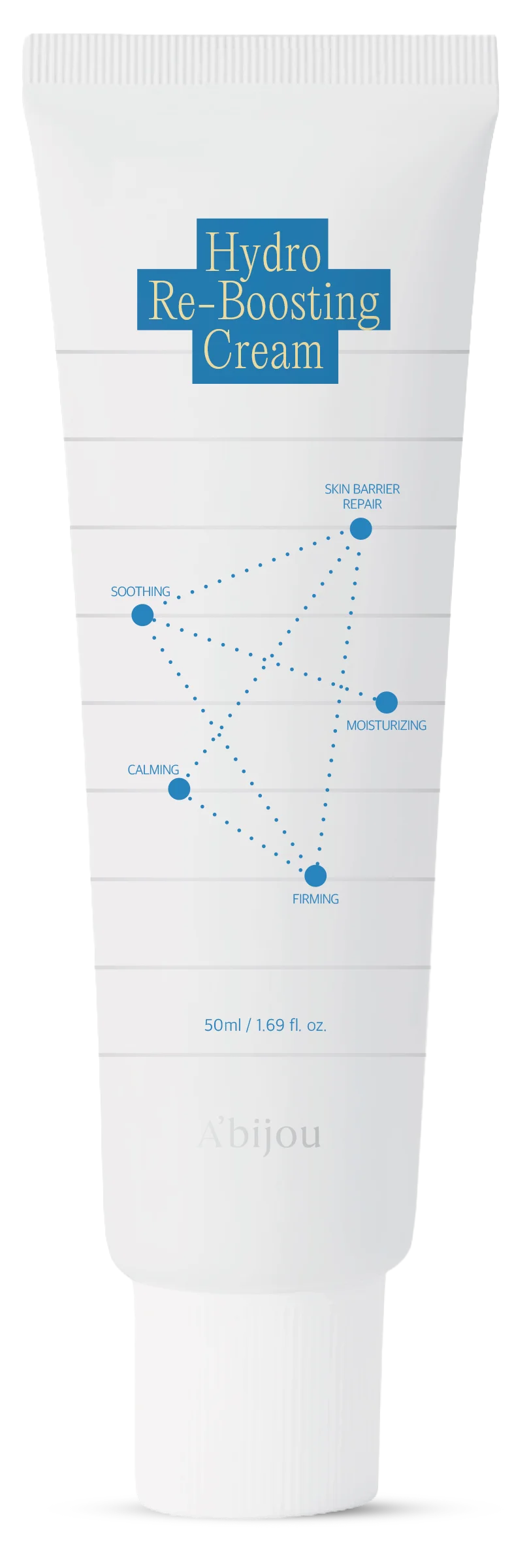 하이드로 리-부스팅 크림Buy
STEP 2 · 회복기 속보습
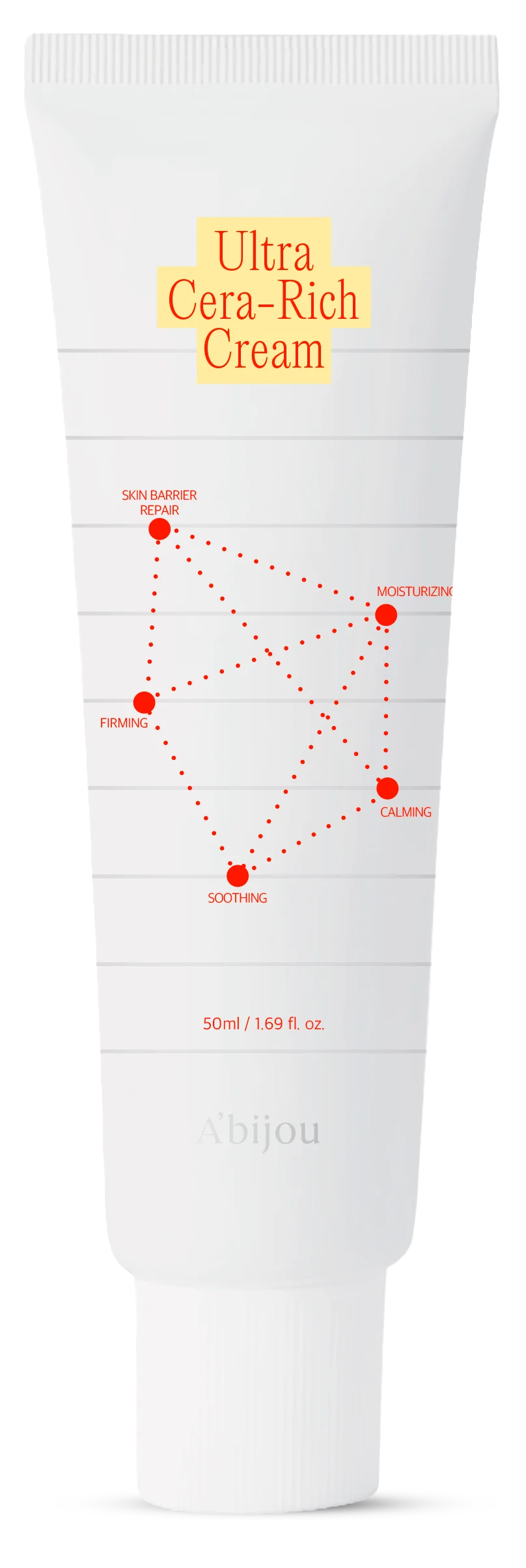 울트라 세라-리치 크림Buy
STEP 1 · 시술 직후 진정·장벽 케어