
Which Skin Types Suit Allantoin - An Ingredient Guide for Irritated Skin
Allantoin is a low-irritation ingredient known to help soothe and calm irritation, making it generally suitable for skin that has become sensitive right after a procedure, dry and flaky skin, and sensitive skin in general. While gentle on its own, when combined with panthenol, ceramides, or beta-glucan, it can offer broader soothing and moisturizing care effects.
Allantoin is an ingredient that often appears on cosmetic ingredient lists, yet not many people actually know exactly what it's good for. Derived from sources such as comfrey root, this ingredient has long been used to calm and soothe irritated skin.
In this article, we'll go through, in order, the mechanism by which allantoin works, which skin types and situations it's especially suited for, and how it can be used in home care during the recovery period after a procedure.
How Allantoin Works
Allantoin is known as an ingredient that helps ease irritation and soothe the skin surface. It helps keep the surface of the stratum corneum soft, reducing the skin's reaction to external irritants, and plays a supportive role in smoothing rough skin texture.
Compared to other soothing ingredients, allantoin has a relatively simple molecular structure and tends to be low in irritation, which is why it's considered a comparatively burden-free ingredient across various skin types.
Skin Types It Especially Suits
① Skin that has become temporarily red and sensitive after external irritation such as a procedure, friction, or cleansing — its irritation-easing action may help.
② Skin that is dry and prone to frequent flaking — using it alongside other moisturizing ingredients that help smooth skin texture may offer a synergistic effect.
③ If you tend to react sensitively to new products and want to build your skincare routine mainly around low-irritation ingredients — allantoin is one of the ingredients frequently included in mild formulas.
On the other hand, if your skin barrier is already stable with no particular irritation issues, allantoin isn't essential, but since it's a mild ingredient, using it shouldn't cause any problems.
How the recovery process differs by stage after irritation
In the period right after a procedure or external irritation (days 1-3), redness, heat, and stinging tend to stand out. During this time, it's good to apply thin layers frequently of products containing mild yet soothing ingredients like allantoin.
From day 4 onward, the noticeable redness subsides, but the skin enters a recovery phase marked by tightness and fine flaking. During this period, it helps to increase the proportion of moisturizing ingredients alongside soothing ones.
After about a week, the skin texture gradually returns to its pre-irritation state. During this time, it's best to avoid harsh exfoliation or high-concentration active ingredients and maintain a basic moisturizing and soothing routine.
Home care routine by stage
Step 1 (right after irritation to day 3): After cleansing, focus on calming redness and heat with a low-irritation soothing product that absorbs without causing friction. It's important to gently pat it in for absorption rather than rubbing.
Step 2 (from day 4 onward): Shift to moisture-focused care that addresses the tightness and dryness that appear as redness subsides. Products formulated with barrier-care ingredients like ceramides and panthenol can be helpful.
Step 3 (after 1 week): Continuing consistent moisturizing and soothing care even after the skin has stabilized helps maintain skin condition against future irritation.
Recovery after a procedure depends on home care
ZXQMAGAZINETERM ABJU ZXQ Cream is structured as a 2-step routine that follows this stage-by-stage care flow. For the first 1-3 days right after irritation, the 'Ultra Cera-Rich Cream,' which contains ingredients including allantoin to help soothe and calm irritation, is used. From day 4 onward, during the recovery phase when tightness begins, the routine continues with the 'Hydro Re-Boosting Cream,' formulated with panthenol and a complex of 5 types of ceramides to support deep hydration and barrier care.
물리적 자극으로 붉어진 피부의 붉은기 진정에 도움. 개인차가 있을 수 있습니다.
출처 P&K 피부임상연구센타 시험성적서 (PNK-26224-RI2R)
물리적 자극으로 손상된 장벽이 손상 전 수준으로 회복되는 데 도움. 개인차가 있을 수 있습니다.
출처 P&K 피부임상연구센타 시험성적서 (PNK-26224-RI2R)
피부결 정돈에 도움. 개인차가 있을 수 있습니다.
출처 P&K 피부임상연구센타 시험성적서 (PNK-26223-RI1R)
자극 후 건조함 케어에 도움. 개인차가 있을 수 있습니다.
출처 P&K 피부임상연구센타 시험성적서 (PNK-26223-RI1R)
FAQ
- Is allantoin safe for sensitive skin too?
- Allantoin is known as an ingredient that helps ease irritation and soothe the skin, so it tends to be used relatively without issue even on sensitive skin. However, as with any ingredient, individual differences can occur, so if you're trying a product for the first time, it's recommended to test a small amount first.
- Can allantoin and panthenol be used together?
- Yes, both ingredients are known to help with soothing and moisturizing, and many products combine them together. Since they can help care for the skin comfortably in different ways, there is no particular restriction on using them together.
- Can I use a cream with allantoin even on days I haven't had a procedure?
- Yes, you can use a low-irritation cream containing allantoin even when you feel your skin barrier has weakened due to seasonal changes, dryness, or minor flaking. It's not an ingredient that must be used only after a procedure.
- What should I do if it still stings even after applying a product with allantoin?
- Allantoin itself tends to be low in irritation, but stinging can occur depending on other ingredients in the product or your current skin condition. In such cases, it's safer to stop using the product, and if the irritation is severe or persists, to consult a dermatologist.
Related products
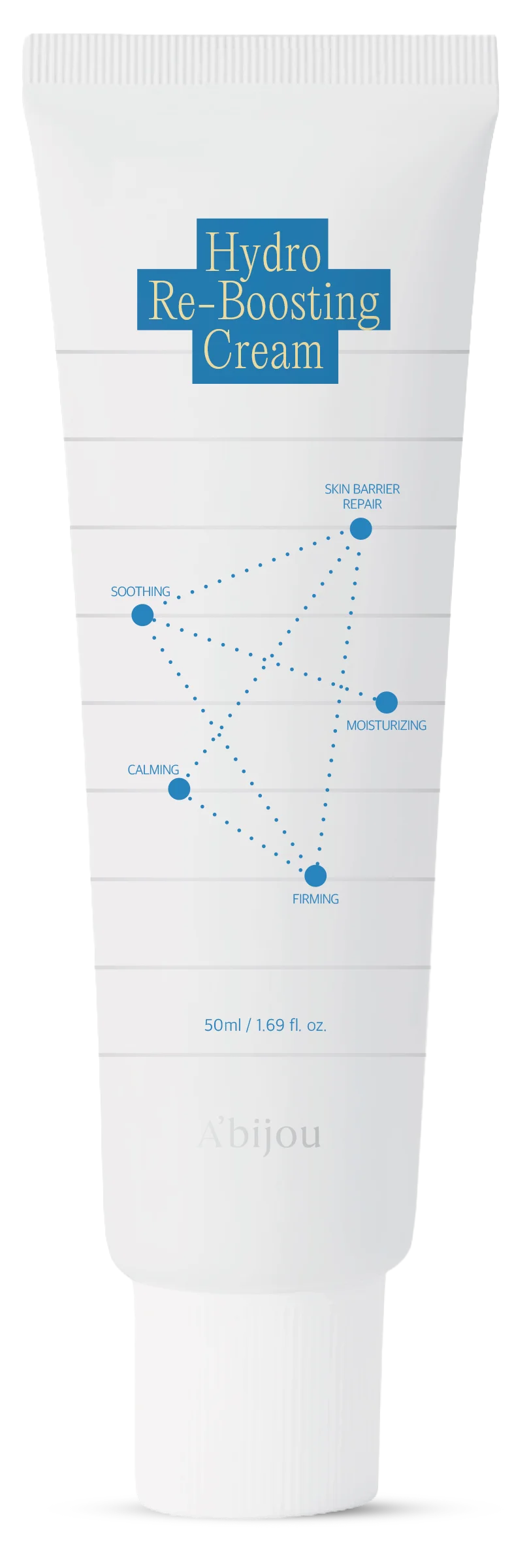 하이드로 리-부스팅 크림Buy
STEP 2 · 회복기 속보습
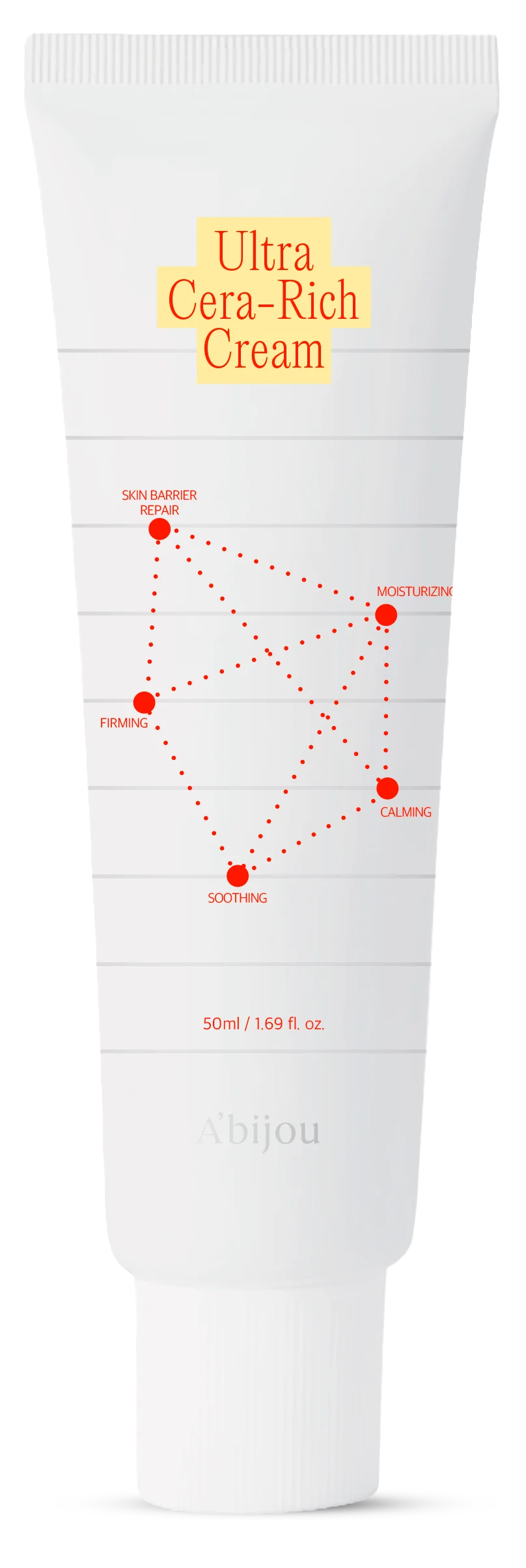 울트라 세라-리치 크림Buy
STEP 1 · 시술 직후 진정·장벽 케어