
Order of Applying Azulene: When and How to Apply Skincare After a Procedure
For azulene-based products, the basic order is to cleanse and tone the skin first, then apply the product thinly right at the very beginning of your skincare routine—before essence or cream—so it absorbs quickly. During periods right after a procedure when there's redness or heat, the key is to layer lightly with calming-focused products rather than piling on heavy products. More important than the order itself is choosing the right texture and ingredients for your skin's condition at each stage.
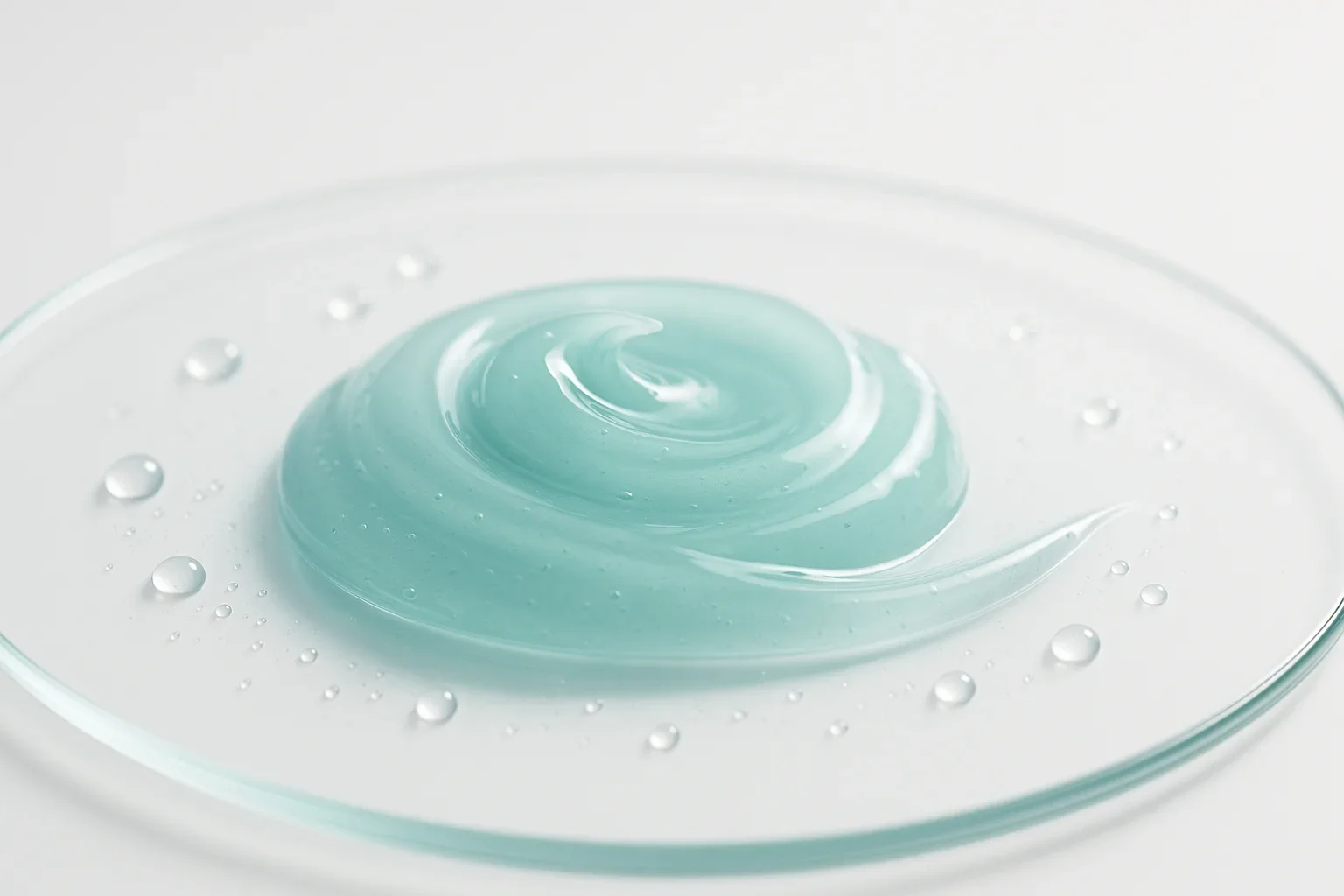
"Should azulene cream be applied after toner or after lotion?" — this is one of the most searched questions among those about to get a procedure or who have just had one. To cut to the conclusion, since azulene is meant for calming, it's best applied right after cleansing and toning, at the very front of your skincare routine, so it reaches the skin quickly. That said, more important than the order itself is figuring out what stage your skin is currently in and choosing the right texture accordingly.
- 1Cleansing & TonerPrep skin with a low-irritation cleanser and toner
- 2Calming CareApply a thin layer of calming ingredients like azulene and panthenol first
- 3Moisturizing & Barrier FinishSeal in moisture with a ceramide-based moisturizing cream
- 4Sun ProtectionProtect against external irritants with a low-irritation sunscreen
Why is azulene used for calming purposes?
Azulene is a deep blue ingredient derived from sources like chamomile, and it's widely known as an ingredient that helps calm sensitive skin. It is often included in skincare aimed at calming when skin becomes red and sensitive due to procedures, UV exposure, or friction.
However, azulene tends to be more beneficial for the skin when combined with soothing, moisturizing, and barrier-care ingredients such as panthenol, allantoin, beta-glucan, and ceramide, rather than used alone. So it's good to consider not only 'in what order to apply azulene products' but also 'what combination your skin currently needs.'
Changing skin condition and progress by stage
The 1st to 3rd days right after a procedure are when redness and warmth are most pronounced. At this time, the skin is sensitive and can easily be irritated by friction, so it's better to focus on soothing care with a thin, light texture rather than applying thick layers.
Moving into days 4 to 7, redness and warmth gradually subside, but the skin often enters a stage of inner dryness, with tightness and fine flaking. During this period, it's a natural flow to shift the focus from soothing to deep hydration and skin texture care.
After about a week, skin condition gradually stabilizes and you can return to your usual routine, but since there can be individual differences, if your skin is still sensitive, it's safer to delay using irritating products.
Try this step-by-step home care routine
Step 1 (Cleansing/Soothing): After washing your face with lukewarm water using a non-irritating cleanser, lightly tone your skin with a low-irritation toner with minimal alcohol and fragrance.
Step 2 (Soothing/Barrier Products): Apply a thin layer of a product containing soothing ingredients such as azulene, panthenol, and allantoin first. Gently patting it in for absorption, rather than rubbing, helps reduce irritation.
Step 3 (Moisturizing Finish): Once redness has subsided somewhat, finish with a cream containing barrier and moisturizing ingredients such as ceramide and beta-glucan to seal in moisture and prevent it from evaporating.
Step 4 (Sun Protection): During the day, finish with a low-irritation mineral sunscreen to protect the skin from external stimuli.
Which cream should you apply in the days following a procedure
You've probably heard many times that care right after a procedure determines how quickly the skin recovers afterward. Since the skin wants different things in the early stage, when redness and warmth remain, versus the recovery stage, when tightness and dryness begin, it can help to switch products to match each stage.
Connecting stage-by-stage home care with Abzu Cream
Abzu Cream is composed of 2 steps so that you can separately care for the period right after a procedure when soothing is needed, and the recovery period afterward when inner dryness begins. STEP1 Ultra Cera-Rich Cream focuses on soothing and barrier care for the 1st to 3rd days right after a procedure, when redness and warmth remain, while STEP2 Hydro Re-Boosting Cream is designed for deep hydration and condition care during the recovery period from day 4 onward, when tightness and fine flaking are a concern. Both products feature a complex of 5 types of ceramides that can help create an environment similar to the skin's own lipids.
Home care determines your recovery after a procedure
Right after a procedure, focus on soothing; once a few days pass and you start feeling inner dryness, shift the focus to deep hydration — adjusting your steps according to this timing is the key to effective home care. The 2-STEP formula of the ZXQMAGAZINETERMAvezhu CreamZXQ (Ultra Cera-Rich → Hydro Re-Boosting) was designed to follow this flow, so we recommend checking which stage your skin is currently in and using it as a reference.
물리적 자극으로 붉어진 피부가 손상 전 수준으로 회복되는 데 도움. 개인차가 있을 수 있습니다.
출처 P&K 피부임상연구센타 시험성적서 (PNK-26224-RI2R)
물리적 자극으로 손상된 장벽이 손상 전 수준으로 회복되는 데 도움. 개인차가 있을 수 있습니다.
출처 P&K 피부임상연구센타 시험성적서 (PNK-26224-RI2R)
화학적 자극으로 붉어진 피부가 손상 전 수준으로 회복되는 데 도움. 개인차가 있을 수 있습니다.
출처 P&K 피부임상연구센타 시험성적서 (PNK-26223-RI1R)
거칠어진 피부결이 손상 전 수준으로 정돈되는 데 도움. 개인차가 있을 수 있습니다.
출처 P&K 피부임상연구센타 시험성적서 (PNK-26223-RI1R)
FAQ
- Should azulene be applied before or after toner?
- Generally, it's recommended to cleanse and tone your skin first, then apply a thin layer of the azulene product before essence or cream so it absorbs well. However, since products vary in texture and usage, it's best to also check the product's instructions.
- Can I use an azulene cream together with a calming cream?
- If the ingredients don't overlap, you can use them together, but during sensitive periods like right after a procedure, using just one or two calming-focused products lightly—rather than layering many products—can help reduce irritation.
- Can I apply azulene on the same day as the procedure?
- This can vary depending on individual skin condition and the type of procedure, so it's safest to follow the guidance of the clinic that performed the procedure. Generally, during the early stage when there is redness or heat, lightly using low-irritation calming products is common.
- Once tightness starts, should I keep applying calming products?
- Once the redness subsides and the skin moves into a stage marked by tightness and dryness, it's natural to shift toward products with a higher proportion of moisturizing and barrier-care ingredients rather than calming ingredients. The care your skin needs can change depending on the stage.
Related products
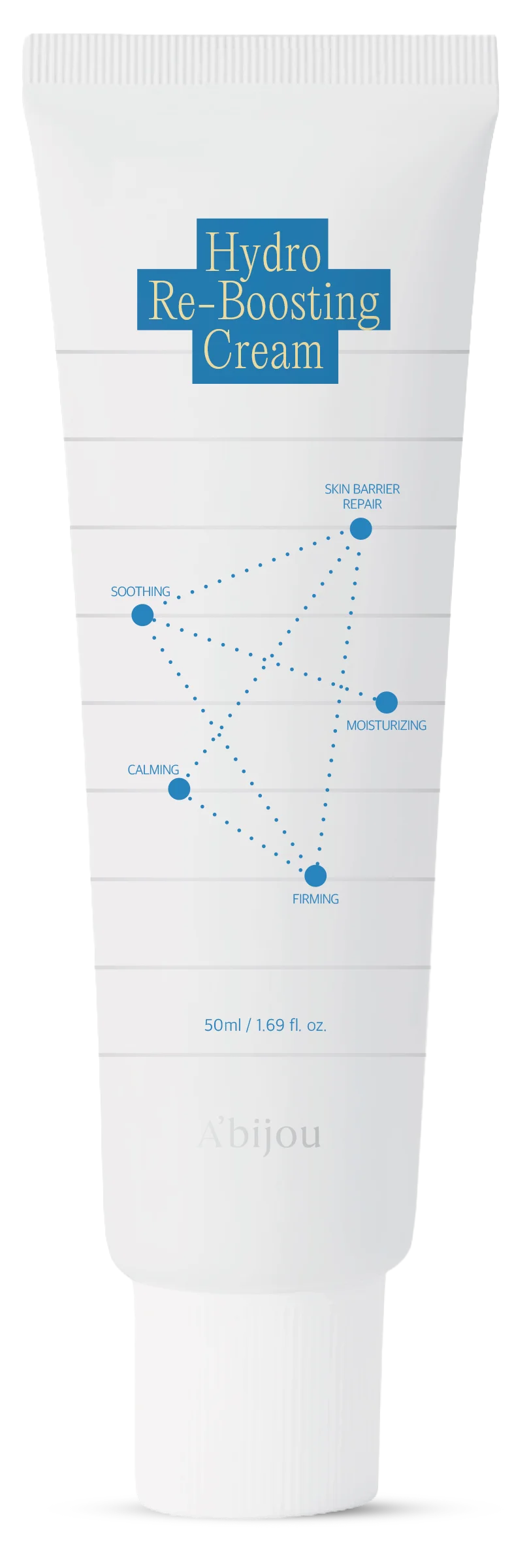 하이드로 리-부스팅 크림Buy
STEP 2 · 회복기 속보습
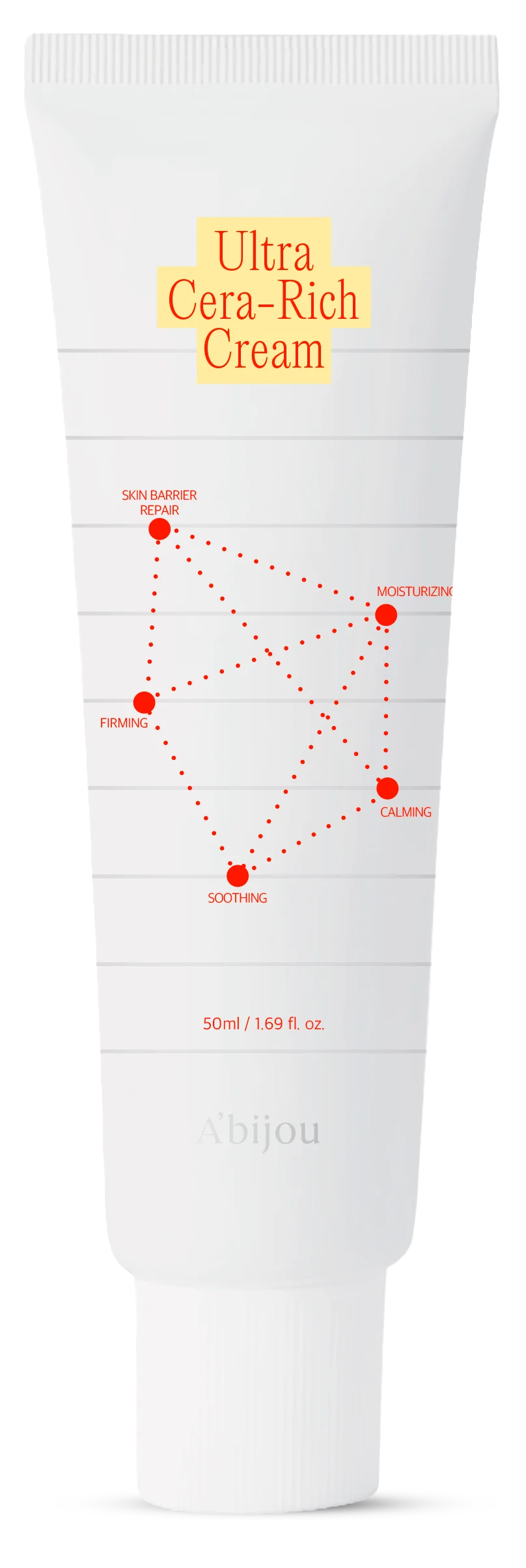 울트라 세라-리치 크림Buy
STEP 1 · 시술 직후 진정·장벽 케어