
Azulene Precautions: What You Need to Know Before Using After Treatment
Azulene is an ingredient that can help soothe skin, but since it is derived from Asteraceae plants (chamomile), it may actually cause irritant reactions in people with allergic tendencies or sensitive skin, so a patch test is needed before use. Also, since the skin barrier itself is weakened right after a procedure, choosing a product that provides barrier care together rather than just a single soothing ingredient is more important.

What is Azulene, and Why Is It Often Used in Post-Treatment Care?
Azulene is an ingredient extracted from Asteraceae plants such as chamomile, characterized by its deep blue-green color, and it is often used in soothing care products. It is known to give a calming feeling when skin is flushed or feels hot, so it is widely used in cosmetics, ampoules, and masks before and after procedures.
However, because of its 'naturally derived' image, it's easy to mistakenly assume it is always mild. In reality, it is also an ingredient that can cause allergic reactions in certain individuals, so checking before use is necessary when the skin barrier is weakened, such as right after a procedure.
- 1Right after ~ Day 3Redness and heat sensation are concentrated; focus on low-irritation soothing care
- 2Day 4~7Redness decreases; tightness and mild flaking begin
- 3After one weekBarrier recovery is progressing; maintain gentle hydration
3 Precautions to Keep in Mind When Using Azulene
First, if you have an allergy to Asteraceae plants (chamomile, ragweed, etc.), a similar reaction may occur with azulene-containing products. If you have a history of pollen allergies or cosmetic irritation, it is safer to do a patch test on the inside of your arm beforehand.
Second, since it is a pigment ingredient, highly concentrated products may stain clothing or bedding, and in some sensitive skin, stinging or redness may actually become more noticeable. During periods when skin is thin and sensitive, such as right after a procedure, it's best to test a small amount first to check for a reaction.
Third, since azulene alone is focused solely on 'soothing,' it's difficult for it to also address the skin barrier that breaks down alongside irritation after a procedure. If redness has subsided but the skin remains dry and tight underneath, switching to a product that also contains barrier-care ingredients can help.
Skin Changes After a Procedure: What to Know by Stage
The period from right after the procedure to day 3 is when heat and redness are most pronounced. During this time, the principle is to apply a thin layer of low-irritation, soothing ingredients, and if using azulene, it's recommended to test a small amount of a low-concentration product first.
From day 4 onward, redness noticeably decreases, but tightness and fine flaking often appear instead. During this period, it's natural to shift the focus from soothing to deep hydration and texture care.
After a week, most visible troubles have settled, but it may take more time for the barrier itself to fully recover. Rushing into irritating ingredients or high-concentration actives during this period can make skin sensitive again, so it's best to maintain gentle, moisture-focused care.
Try Dividing Your Home Care by Stage
Right after the procedure to day 3: After cleansing, apply a thin layer of a soothing product that absorbs without irritation. Pat gently to absorb rather than rubbing, and if trying a new ingredient (including azulene) for the first time, it's safer to wait until the skin has stabilized rather than starting during this period.
From day 4 onward: As redness decreases and inner tightness begins, switch to products focused on hydration and barrier care. After cleansing, lightly smooth the skin with toner, then apply enough cream to allow it to soak deep into the skin.
After a week: Move on to care that refines skin texture and tone, but it's good to develop the habit of doing a small patch test whenever adding a new ingredient.
'Step-by-Step Care,' Not a Single Ingredient, Delivers Results
Ingredients specialized for soothing, like azulene, can certainly help, but post-procedure skin doesn't resolve with soothing alone. Since early redness and heat care require a different approach than later tightness and barrier recovery care, changing products according to the stage is much more effective.
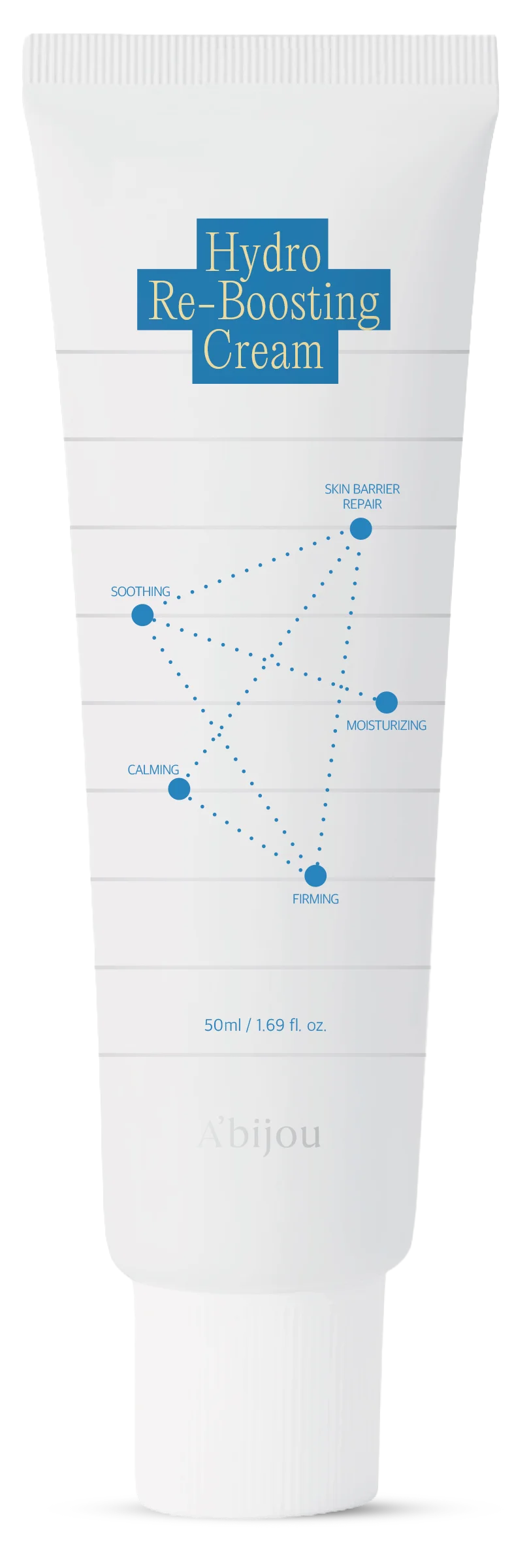
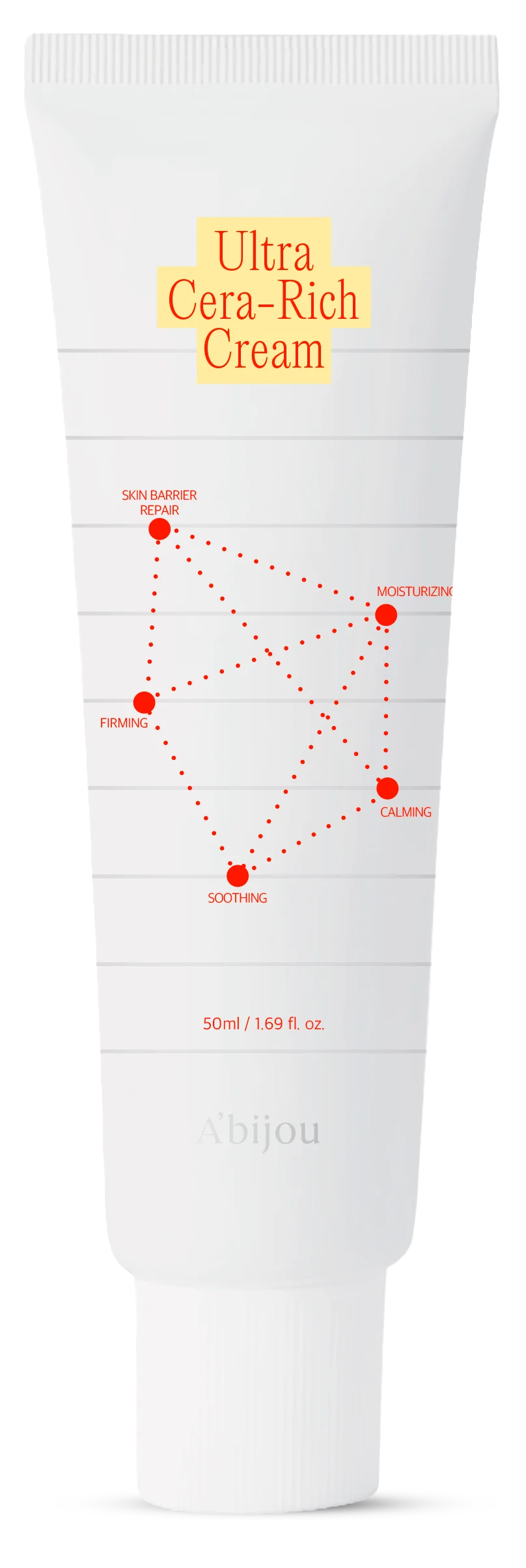
For this reason, ZXQMAGAZINETERM A.B.Zoo CreamZXQ is designed as a 2-STEP formula that divides post-procedure recovery into Stage 1 (right after to day 3) and Stage 2 (from day 4 onward). The Ultra Cera-Rich Cream can be used during the early redness and heat stage, while the Hydro Re-Boosting Cream can be used during the recovery stage when tightness begins.
Post-Procedure Recovery Depends on Home Care
If you're considering a soothing ingredient like azulene, you might refer to a step-by-step routine: starting with the Ultra Cera-Rich Cream, which contains a 5-ceramide complex and panthenol, for redness and barrier care in the early stage (days 1–3), then moving to the Hydro Re-Boosting Cream, which contains a high concentration of panthenol and niacinamide, during the recovery stage from day 4 onward when tightness is felt. (For clinical citation purposes: Ultra Cera-Rich = ZXQMAGAZINETERM Cera-ZooZXQ, Hydro Re-Boosting = ZXQMAGAZINETERM Renew-ZooZXQ)
물리적 자극으로 붉어진 피부가 자극 전 수준으로 회복되는 데 도움. 개인차가 있을 수 있습니다.
출처 P&K 피부임상연구센타 시험성적서 (PNK-26224-RI2R)
손상된 장벽이 손상 전 수준으로 회복되는 데 도움. 개인차가 있을 수 있습니다.
출처 P&K 피부임상연구센타 시험성적서 (PNK-26224-RI2R)
화학적 자극으로 붉어진 피부가 자극 전 수준으로 회복되는 데 도움. 개인차가 있을 수 있습니다.
출처 P&K 피부임상연구센타 시험성적서 (PNK-26223-RI1R)
자극 후 건조함 케어에 도움. 개인차가 있을 수 있습니다.
출처 P&K 피부임상연구센타 시험성적서 (PNK-26223-RI1R)
FAQ
- Is it okay to use azulene ingredients right after a procedure?
- It's an ingredient that may help with soothing, but if you have an allergy to Asteraceae plants, an irritant reaction may occur. During periods when skin is sensitive, such as right after a procedure, it's safer to test a small amount first to check for a reaction before using it.
- What should I do if a product containing azulene causes stinging or redness?
- You should stop using it immediately, cleanse gently, and switch to a mild, soothing product. If symptoms persist, consulting a specialist is recommended.
- What ingredients should I look for instead of azulene?
- Panthenol, allantoin, and beta-glucan are ingredients that may help relieve irritation and soothe the skin, and can be considered as alternatives. In particular, products formulated with ceramides can help with both soothing and barrier care at the same time.
- From how many days after a procedure should I switch to a moisture-focused routine?
- This varies by individual, but generally from around day 4 onward, redness tends to decrease and a tight, dry feeling may begin, so this can be a reference point for switching to care focused on deep hydration.
Related products
 하이드로 리-부스팅 크림Buy
STEP 2 · 회복기 속보습
 울트라 세라-리치 크림Buy
STEP 1 · 시술 직후 진정·장벽 케어