
Understanding Azulene: Principle and Effects as a Skin-Soothing Ingredient
Azulene is a blue-colored ingredient extracted from plants like chamomile, widely used as a soothing care ingredient that helps calm irritated skin. However, it is difficult to manage all redness or sensitivity after a procedure with a single ingredient alone, and it helps recovery to also focus on barrier and moisture care together.
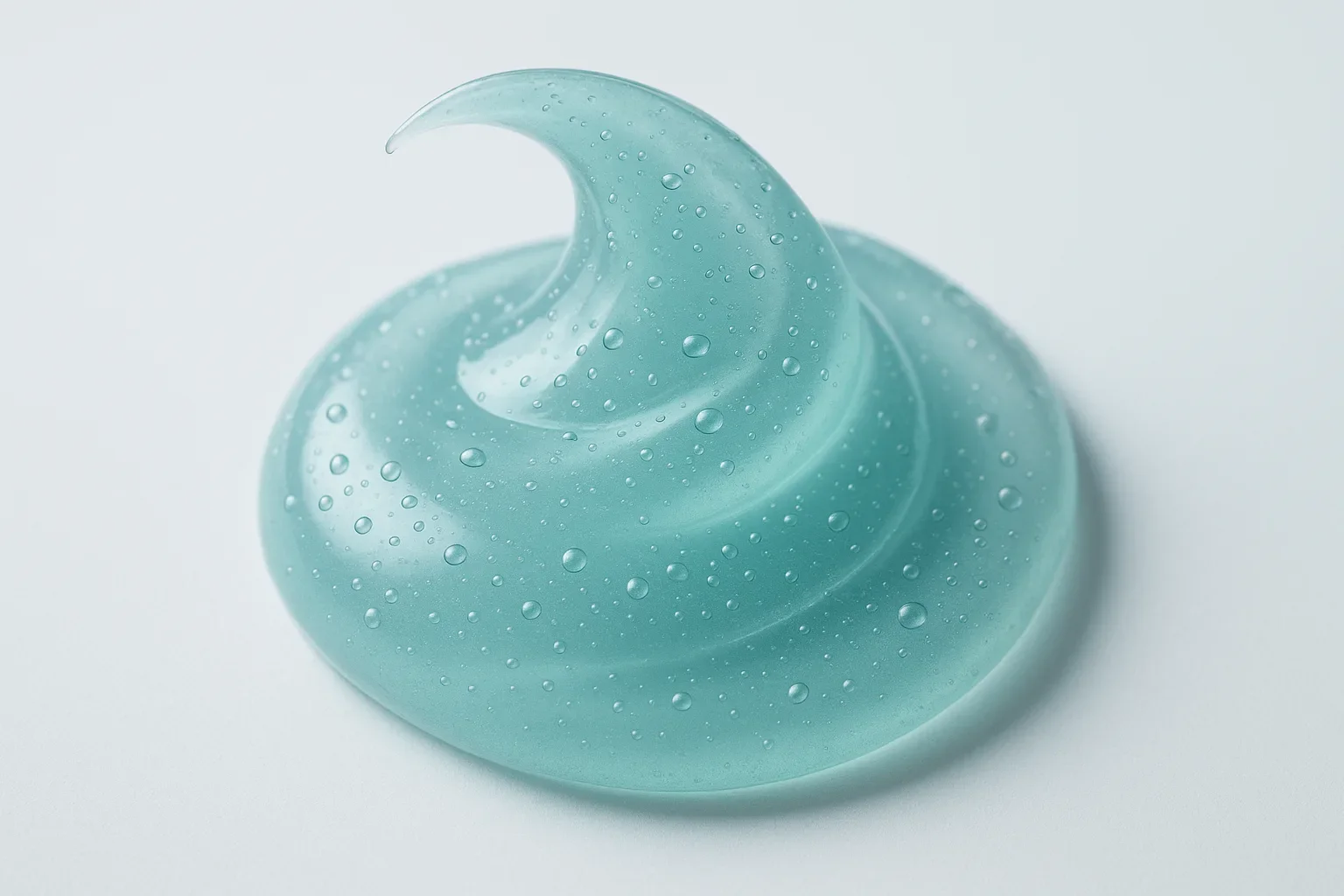
'Azulene' is a term frequently seen on cosmetic ingredient lists or in soothing cream advertisements. This blue-tinted ingredient is extracted from plants such as chamomile and myrrh, and is known as an ingredient that helps with soothing care when skin becomes sensitive.
When looking up information on pre- and post-procedure care, you often come across soothing ampoules or creams containing azulene. Let's take a closer look at exactly how it works and in what situations it can be helpful.
What is azulene, and the principle behind its soothing benefits
Azulene is a deep blue compound produced when certain plants, such as chamomile flowers, are distilled. When formulated into cosmetics, it is often used in the form of 'guaiazulene,' and is classified as a soothing care ingredient that helps calm skin into a more comfortable state when it is irritated.
However, it is important to understand that azulene itself does not reconstruct damaged skin or treat damage; rather, as a cosmetic ingredient, it plays a supportive role in soothing irritated skin texture and helping restore its condition. The degree to which this is felt can vary greatly between individuals depending on the extent and cause of redness or sensitivity.
Care points that change over time when skin becomes sensitive
When skin is irritated by UV exposure, friction, dryness, procedures, and the like, it generally shows an initial progression of immediate warmth and redness first, followed over the next few days by signs of a weakened barrier, such as inner tightness or flaking.
Right after irritation (day of the procedure to days 1–3), the priority is soothing care to calm heat and redness. During this period, formulas that provide gentle soothing ingredients like azulene along with a protective coating over the skin can be helpful.
From day 4 onward, redness tends to subside to some extent, but inner dryness and tightness often become more noticeable. During this period, it's better to shift the focus from soothing to moisturizing and barrier care.
A step-by-step home care approach that works well
Step 1 (early irritation): Cleanse gently with lukewarm water, avoiding as much stimulation as possible, and don't rub. Applying a toner or cream with soothing ingredients thinly in multiple layers is less burdensome than one thick application.
Step 2 (recovery period): Once redness subsides, switch skincare focus to barrier- and moisture-supporting ingredients like ceramides and panthenol. If moisturizing isn't sufficient during this time, flaking or tightness can last longer.
In general, it's safer to postpone adding new active ingredients (such as high-concentration vitamin C or retinol) until the skin has fully stabilized.
Home care determines post-procedure recovery
Once you understand the principle behind soothing ingredients like azulene, the key to actual care is approaching it in stages—'soothing during early irritation' and 'moisturizing and barrier recovery afterward.' ZXQMAGAZINETERMabjuZXQ Cream is structured in 2 steps to match this flow. Right after a procedure or irritation, STEP1 Ultra Cera-Rich Cream, containing a complex of 5 types of ceramides along with panthenol and allantoin, helps soothe redness and care for the skin barrier. From day 4 onward, once redness has subsided, STEP2 Hydro Re-Boosting Cream continues the process with deep moisturizing and skin texture care.
물리적 자극으로 붉어진 피부의 붉은기 진정에 도움. 개인차가 있을 수 있습니다.
출처 P&K 피부임상연구센타 시험성적서 (PNK-26224-RI2R)
물리적 자극으로 손상된 장벽이 손상 전 수준으로 회복되는 데 도움. 개인차가 있을 수 있습니다.
출처 P&K 피부임상연구센타 시험성적서 (PNK-26224-RI2R)
화학적 자극으로 붉어진 피부 진정에 도움. 개인차가 있을 수 있습니다.
출처 P&K 피부임상연구센타 시험성적서 (PNK-26223-RI1R)
자극 후 건조함 케어에 도움. 개인차가 있을 수 있습니다.
출처 P&K 피부임상연구센타 시험성적서 (PNK-26223-RI1R)
FAQ
- Should products containing azulene only be used on days when there is irritation?
- They can be used regularly, but they may be more helpful for soothing care purposes when the skin becomes sensitive due to UV exposure, friction, procedures, and so on. However, the perceived effect may vary depending on individual skin conditions.
- Is azulene effective for all types of skin irritation?
- Azulene is a supporting ingredient that helps with soothing care, and the necessary management may differ depending on the cause and degree of irritation. If there is persistent redness or trouble, it is safer to prioritize consulting a specialist over self-care.
- Can soothing ingredients and moisturizing ingredients be used together?
- Yes, in fact, it can help recovery to divide the stages by focusing on soothing in the early stage of irritation and then moisturizing/barrier care afterward, using both together.
- What should I do if tightness continues even after using azulene products?
- If tightness persists even after the soothing stage, consider switching to care focused on barrier and moisturizing ingredients such as ceramides and panthenol, and if symptoms are severe or long-lasting, consulting a dermatologist is recommended.
Related products
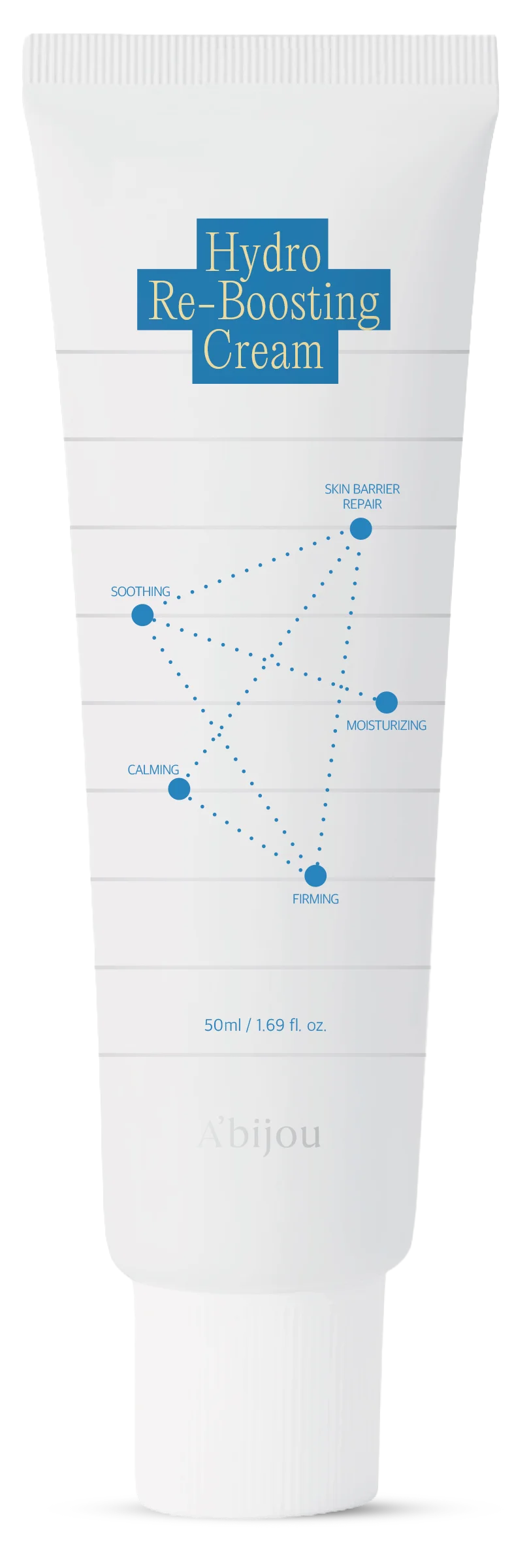 하이드로 리-부스팅 크림Buy
STEP 2 · 회복기 속보습
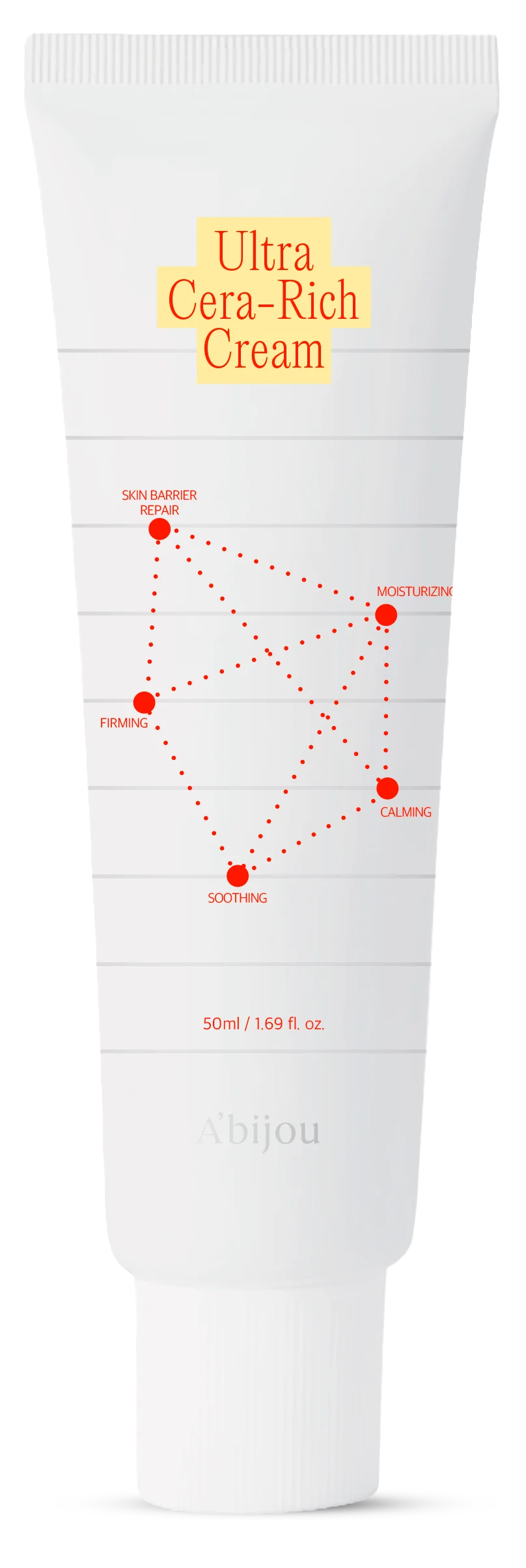 울트라 세라-리치 크림Buy
STEP 1 · 시술 직후 진정·장벽 케어