
Which Skin Types Suit Azulene? Ingredient Characteristics and Usage Timing Guide
Azulene is an ingredient derived from chamomile and other plants, known to be especially suitable for sensitive skin with redness and skin that has experienced external stress from procedures, UV exposure, or friction. However, the overall formula's balance of soothing and hydration rather than a single ingredient determines actual efficacy, making it important to consider skincare steps tailored to your skin condition.
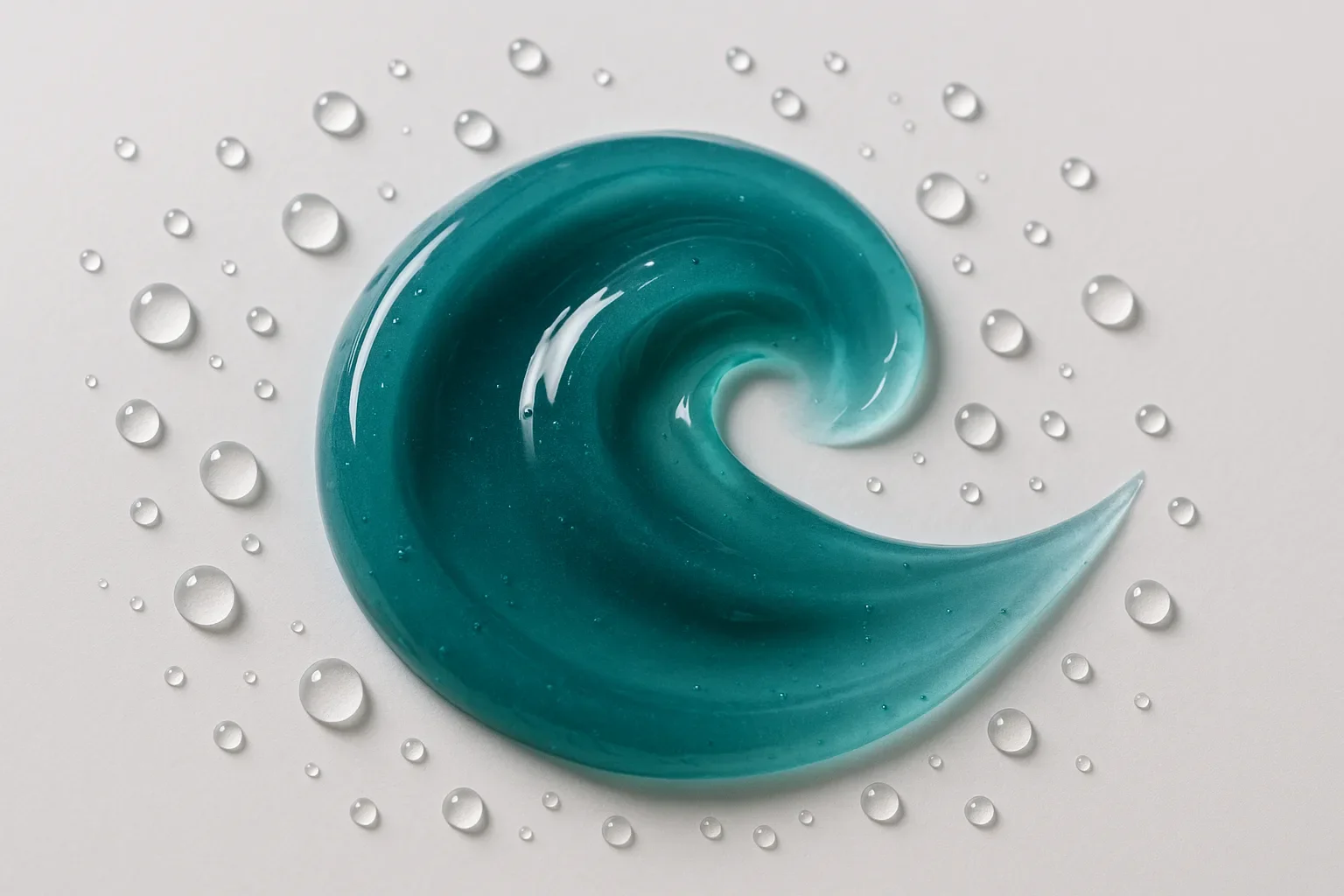
Azulene, frequently seen in cosmetic ingredient lists, is a deep blue-hued component extracted from chamomile flowers and other plants, traditionally used to soothe the skin.
So which skin types and situations does azulene suit best? This article covers azulene's characteristics, compatible skin conditions, and stage-specific home care methods.
- 1Immediately to Days 1–3Prioritize soothing redness and heat
- 2Days 4–7Shift to addressing tightness and dryness
- 3Day 7 and beyondRefine skin texture, return to regular routine
What kind of ingredient is azulene?
Azulene is a dark blue oil component derived from plants such as chamomile or yarrow, and when incorporated into cosmetics, it is typically used in small amounts in the form of guaiazulene.
Traditionally known as a soothing care ingredient for irritated, reddened skin, and skin that feels hot after outdoor activity or UV exposure, it has a strong perception of being mild and non-irritating, making it a frequent addition to sensitive skin products.
However, azulene is often present in very low concentrations, so actual perceived benefits should be evaluated considering other soothing ingredients combined with it such as panthenol, allantoin, and beta-glucan, as well as the overall formulation's hydrating capacity.
Skin conditions where azulene works especially well
① Skin that reddens easily and feels warm: If your skin flushes easily from minor irritants such as outdoor activities, saunas, or spicy foods, products containing soothing care ingredients may be helpful.
② Sensitive skin immediately after procedures or peeling: Right after lifting treatments, laser, peeling, and other procedures, the skin barrier is temporarily weakened, making low-irritation soothing care especially important during this period.
③ Skin with increased sensitivity due to seasonal changes or dryness: During seasonal transitions or winter when skin feels tight and irritated from heating and air conditioning, soothing ingredients can be beneficial.
Conversely, if your skin has a stable oil-moisture balance and shows no particular reactive responses, it is more reasonable to focus on the overall moisturizing and conditioning ingredient composition rather than the presence or absence of azulene.
How does skin change over several days after irritation?
When skin is irritated by UV rays, friction, procedures, and other factors, redness and heat sensation typically appear most noticeably immediately to 1-3 days later. During this period, the barrier is weakened, so soothing and protection are priorities.
By days 4-7, redness gradually subsides, but many people experience increased tightness and dryness from within the skin. At this point, it is natural to shift care focus from soothing to deep hydration and texture refinement.
After day 7, skin generally enters a stabilization phase, and you can gradually return to your regular basic routine. However, since individual differences are significant, it is good to monitor skin response and adjust care intensity accordingly.
Post-procedure recovery depends on home care
While ingredients like azulene that focus on soothing are beneficial, irritated skin requires different care depending on the stage, making a step-by-step approach potentially more effective. During the initial stage when redness and heat sensation are prominent, soothing and barrier care can be achieved with 'Ultra Sera-Rich Cream' containing a 5-type ceramide complex and panthenol. When redness subsides and internal tightness remains, you can consider a 2-step routine continuing with 'Hydro Re-Boosting Cream' for deep hydration and texture refinement care.
물리적 자극으로 붉어진 피부의 붉은기 진정에 도움을 줄 수 있습니다. 개인차가 있을 수 있습니다.
출처 P&K 피부임상연구센타 시험성적서 (PNK-26224-RI2R)
물리적 자극으로 손상된 장벽이 손상 전 수준으로 회복되는 데 도움을 줄 수 있습니다. 개인차가 있을 수 있습니다.
출처 P&K 피부임상연구센타 시험성적서 (PNK-26224-RI2R)
화학적 자극으로 붉어진 피부 진정에 도움을 줄 수 있습니다. 개인차가 있을 수 있습니다.
출처 P&K 피부임상연구센타 시험성적서 (PNK-26223-RI1R)
피부결이 자극 전 수준으로 정돈되는 데 도움을 줄 수 있습니다. 개인차가 있을 수 있습니다.
출처 P&K 피부임상연구센타 시험성적서 (PNK-26223-RI1R)
FAQ
- Is a product always gentle if it contains azulene?
- While azulene itself is a long-established soothing ingredient, its gentleness varies depending on concentration, other ingredients included, and the overall formulation. It's better to check the complete composition and irritation test results rather than relying on a single ingredient name.
- I have sensitive skin—what ingredients should I look for instead of azulene?
- Panthenol, allantoin, beta-glucan, and ceramides are representative ingredients that can help with soothing, hydration, and barrier care. Choosing products with multiple soothing ingredients combined is also an option.
- Can I use azulene-containing products after procedures?
- Immediately after a procedure, redness and heat sensation are pronounced, so low-irritation soothing ingredients can be helpful. However, usage timing may vary depending on the treatment area and method, so it's safest to follow your healthcare provider's guidance first.
- The redness has subsided, but my skin still feels tight and dry—is this normal?
- Around days 4–7 post-irritation, tightness and dryness often become more noticeable than redness. During this period, it's natural to shift care focus from soothing to deep hydration.
Related products
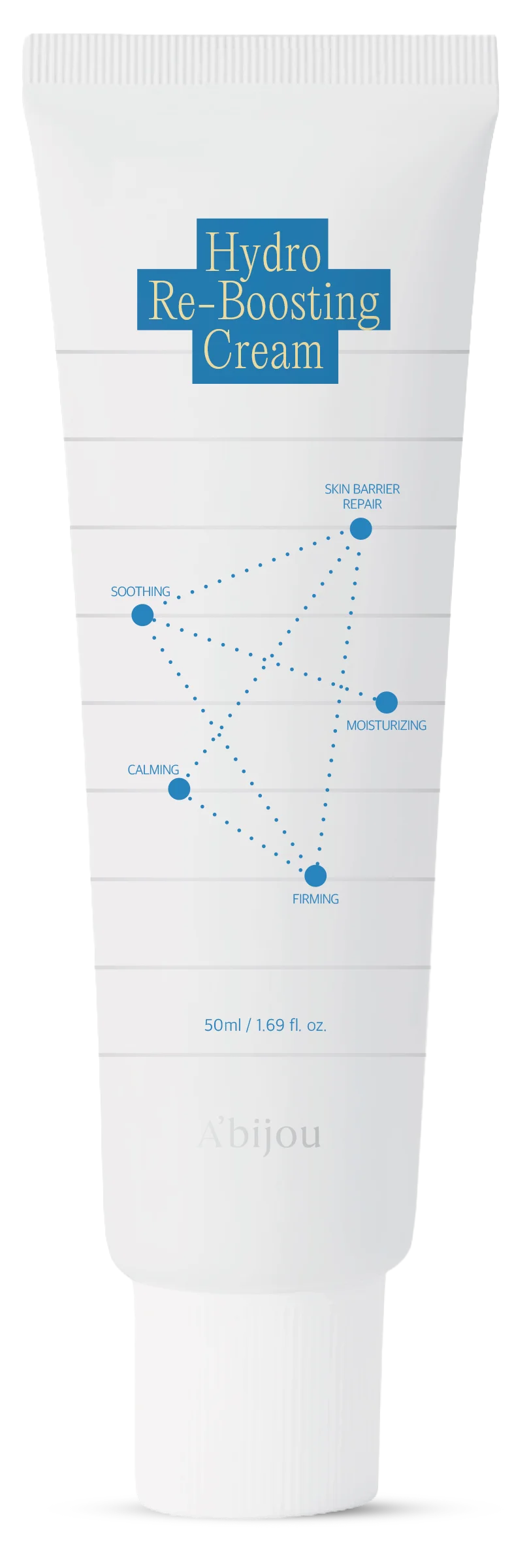 하이드로 리-부스팅 크림Buy
STEP 2 · 회복기 속보습
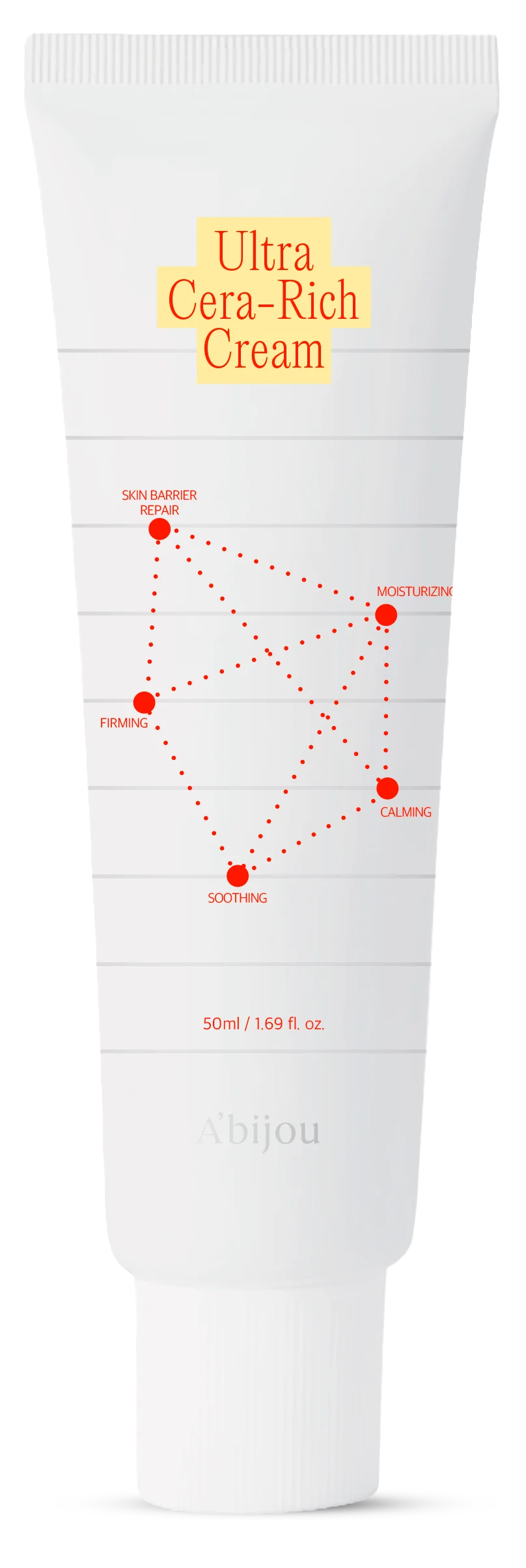 울트라 세라-리치 크림Buy
STEP 1 · 시술 직후 진정·장벽 케어