
Beta-glucan Content vs Composition: What Matters More When Choosing Cosmetics?
For beta-glucan, the composition balance—what ingredients it's paired with and in what ratio—matters more for actual skin results than the content percentage number itself. Especially when the skin barrier is weakened, such as after a procedure, the composition balance with ceramides, panthenol, and other ingredients is more important for soothing and moisturizing care than beta-glucan alone. Checking the overall composition design rather than just the number on the label is the wiser choice.
When comparing cosmetic ingredients, many people's eyes are first drawn to phrases like '% beta-glucan content.' However, it's difficult to judge a product's effectiveness based solely on the content number of a specific ingredient.
Beta-glucan is well known as an ingredient that helps hold moisture and soothe the skin, but how it actually works on the skin can vary depending on the other ingredients it's blended with, the formulation structure, and the composition design that supports absorption.
- 1Days 1–3Focus on soothing/protective barrier composition (beta-glucan, panthenol, allantoin)
- 2Day 4 onwardFocus on moisturizing/skin texture composition (5 types of ceramides, niacinamide)
- 3Recovery maintenance stageContinued care with a well-balanced ratio of barrier lipid composition
Why you shouldn't look at beta-glucan content alone
Beta-glucan is a polysaccharide ingredient extracted from sources such as mushrooms and oats. It can help form a thin film on the skin's surface that slows moisture evaporation and helps soothe irritated skin.
However, even at the same content level, the actual feel on skin and perceived moisturizing effect can vary greatly depending on which raw material the beta-glucan comes from, its molecular weight, and the ratio in which it's blended with other moisturizing and barrier ingredients within the formulation.
In other words, information such as 'contains X%' alone makes it hard to judge whether a product will actually benefit your skin, so it's important to develop the habit of checking the full ingredient composition as well.
Why Composition Matters — The Connection with Barrier Care
The skin barrier is often compared to a brick wall structure formed by ceramides, cholesterol, and fatty acids intertwined in a certain ratio. Even if a moisture-binding ingredient like beta-glucan is present in a high amount, if the lipid ingredients that complement this barrier structure are not formulated together, moisture can evaporate quickly.
Especially right after a procedure or during seasons when skin becomes sensitive, the barrier itself is in a weakened state, so 'whether the formulation is designed with a ratio similar to skin lipids' becomes a key point that makes a noticeable difference, rather than the content of a single ingredient.
Sensitive Skin by Recovery Stage - Times That Require Different Compositions
For about 1-3 days right after the skin has been stimulated, redness and warmth remain, and a composition focused on soothing and forming a protective barrier can be helpful during this period.
From day 4 onward, as redness subsides, tightness and fine flaking often appear together, and during this period, a composition focused on moisturizing and skin texture care may be more suitable.
Since the direction of composition needed changes depending on the stage in this way, rather than trying to cover all stages with a single cream, it can be a reasonable approach to use products designed with different ingredient compositions for each stage.
Step-by-Step Home Care - Ingredient List Checklist
In the initial soothing stage, it's good to check whether ingredients that help ease irritation, such as panthenol and allantoin, are formulated together with beta-glucan.
In the later recovery stage, it's recommended to check whether the composition includes 5 types of ceramides and niacinamide together, allowing for care of both skin texture and deep hydration simultaneously.
It's good to develop the habit of checking not only the order of ingredients at the front of the list (purified water, moisturizing base) but also whether the combination of beta-glucan, ceramides, panthenol, and others toward the back is well balanced.
How to Use Products That Reflect Composition Design
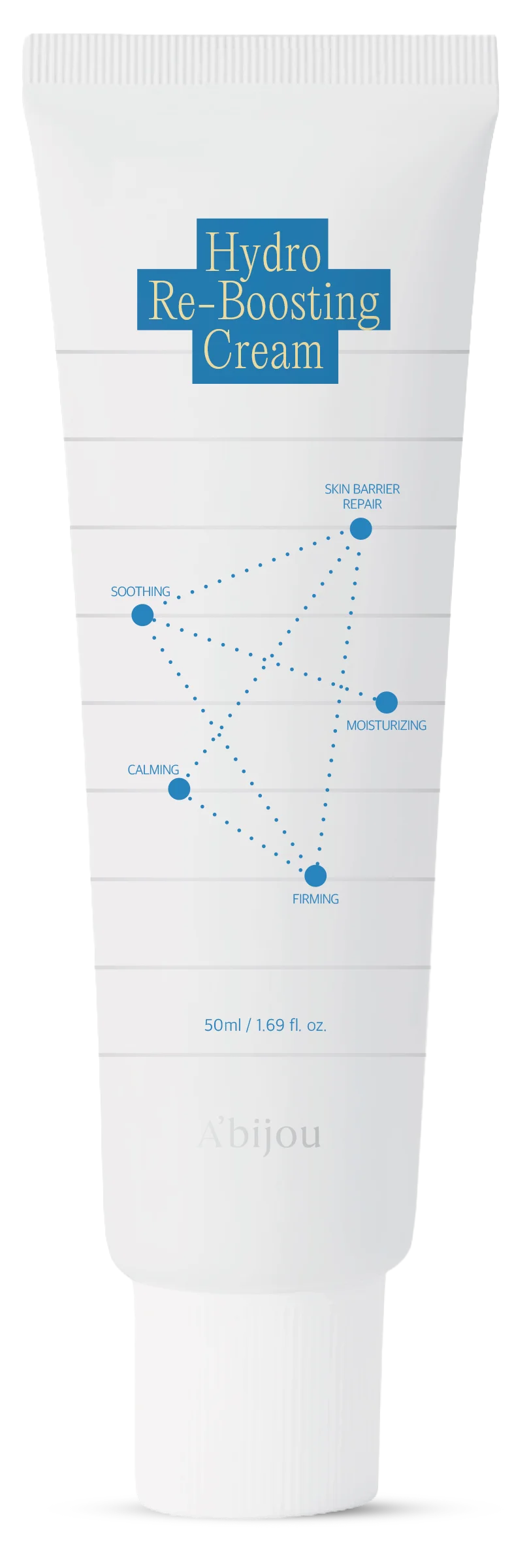
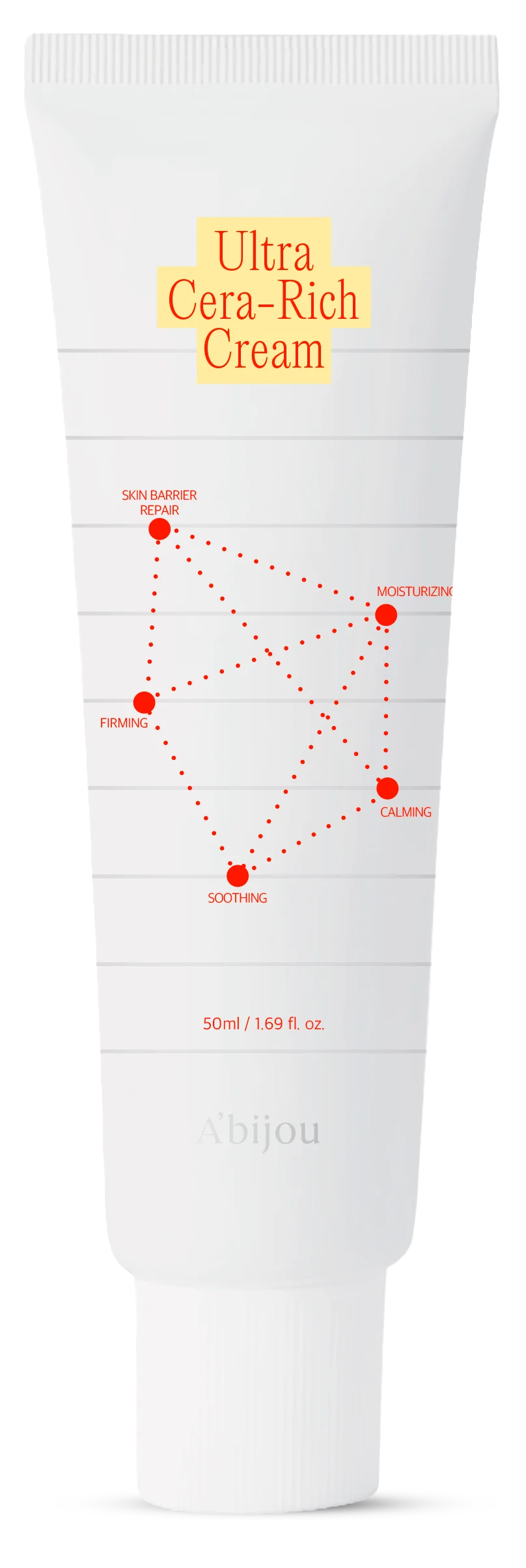
ZXQMAGAZINETERMAbjuZXQ Cream is a 2-STEP formulation designed to reflect these compositional differences according to the post-procedure recovery stage. For the 1-3 days right after a procedure when redness and warmth remain, the Ultra Cera-Rich Cream—formulated with ceramides, panthenol, and beta-glucan focused on soothing and barrier care—is used, followed by the Hydro Re-Boosting Cream from day 4 onward, when redness subsides and tightness begins, which is formulated with panthenol and 5 types of ceramides focused on moisturizing and skin texture care.
Using creams designed with compositions suited to each stage in sequence can be more helpful for post-procedure skin condition care than using a single product with a high content of just one ingredient.
Post-Procedure Recovery Depends on Home Care
ZXQMAGAZINETERMAbjuZXQ Cream is a 2-STEP recovery solution that formulates moisturizing and soothing ingredients, including beta-glucan, according to the skin condition at each stage after a procedure. It is designed so that the Ultra Cera-Rich Cream provides soothing and barrier care for the first 1-3 days right after a procedure, and the Hydro Re-Boosting Cream continues with deep hydration and skin texture care during the recovery period from day 4 onward.
물리적 자극으로 붉어진 피부가 손상 전 수준으로 회복되는 데 도움. 개인차가 있을 수 있습니다.
출처 P&K 피부임상연구센타 시험성적서 (PNK-26224-RI2R)
손상된 장벽이 손상 전 수준으로 회복되는 데 도움. 개인차가 있을 수 있습니다.
출처 P&K 피부임상연구센타 시험성적서 (PNK-26224-RI2R)
자극 후 건조함이 손상 전 수준으로 회복되는 데 도움. 개인차가 있을 수 있습니다.
출처 P&K 피부임상연구센타 시험성적서 (PNK-26223-RI1R)
피부결이 손상 전 수준으로 정돈되는 데 도움. 개인차가 있을 수 있습니다.
출처 P&K 피부임상연구센타 시험성적서 (PNK-26223-RI1R)
FAQ
- Is a higher beta-glucan content always better?
- A higher content doesn't necessarily mean a proportionally greater perceived effect. The actual result on skin can vary depending on the molecular weight of the raw material and the ratio in which it's combined with other moisturizing and barrier ingredients.
- Is it more helpful to use beta-glucan together with ceramides?
- While beta-glucan plays a role in holding moisture, ceramides help support the skin barrier structure. When the two are combined in a formulation, you can expect both moisturizing and barrier care at once, making them complementary to each other.
- What should I look at when checking the composition on an ingredient list?
- Rather than focusing on the content percentage of a single ingredient, it helps to check whether moisturizing, soothing, and barrier-related ingredients are evenly included in the overall ingredient list and how they're combined with one another.
- Can I use a cream containing beta-glucan right after a procedure?
- While it's generally an ingredient that can help with soothing, right after a procedure it's recommended to first use products formulated to focus on calming irritation and barrier care, then switch to moisture-focused products as the skin moves into the recovery stage. It's best to follow the specific timing guidance from the clinic where you had the procedure.
Related products
 하이드로 리-부스팅 크림Buy
STEP 2 · 회복기 속보습
 울트라 세라-리치 크림Buy
STEP 1 · 시술 직후 진정·장벽 케어