
Beta-Glucan Precautions: What You Need to Know Before Use
Beta-glucan is an ingredient that helps with hydration and soothing care and is generally mild, but depending on molecular weight and concentration, different skin types may experience different reactions such as heaviness or breakouts. Especially for oily or acne-prone skin, or when used together with other high-concentration active ingredients, it's a good idea to adjust the amount used and the order of application. If you're using it for the first time, it's recommended to test with a small amount first to check your skin's reaction.

Beta-glucan is a polysaccharide ingredient extracted from sources such as oats, mushrooms, and yeast, and is widely used in cosmetics for hydration care and skin soothing purposes. While it's known as a mild ingredient, it's less of an 'always safe ingredient' and more of an ingredient that should be used according to its purpose and your skin condition.
Why Beta-Glucan Requires Caution
Beta-glucan works by forming a thin film on the skin's surface that prevents moisture evaporation and shields the skin from external irritants. In this process, depending on the molecular weight or formulation, it can feel somewhat heavy on the skin, and for oily skin or skin prone to clogged pores, this can sometimes result in reactions like a feeling of heaviness or breakouts.
Also, irritation often arises not from beta-glucan itself but from its combination with other high-concentration active ingredients (such as high-concentration acids or retinol-type ingredients) formulated alongside it. Rather than assuming 'it's beta-glucan, so it must be mild' just by looking at the ingredient list, it's safer to check the overall formulation and combination of ingredients.
How Reactions After Use Appear Over Time
Immediately after use to 1 day: Most skin types feel moisturized with no particular reaction, but sensitive skin may feel slight tightness or a faint sense of redness.
2-3 days: For oily or combination skin, if pore clogging or small breakouts are going to start, they often appear around this time. If a reaction occurs at this point, it's best to stop use and monitor your skin's condition.
After 1 week: If there's no particular reaction, in most cases you can continue using it without significant changes. However, it's safer to do a small test again during seasonal changes or when switching to a different product.
Step-by-Step Home Care Guide
Step 1, Patch Test: If it's a product you're using for the first time, apply a small amount to the inner arm or behind the ear and check for reactions for 24-48 hours.
Step 2, Start Small: Instead of applying to the entire face, apply small amounts focused on the cheeks or dry areas to check how well the skin accepts it.
Step 3, Check Combined Ingredients: When using with high-concentration active ingredients, spacing out the timing or using every other day can help reduce irritation.
Step 4, Adjust to Skin Condition: If signs like redness, tightness, or breakouts appear, it's best to reduce the frequency of use and simplify the routine to focus on low-irritation soothing care.
If You Feel Irritation, Focus on Soothing and Moisturizing Care
If you've had a sensitive reaction to ingredients including beta-glucan, it's important to first return to a simple routine that reduces skin irritation. After cleansing, gently care for the skin barrier with a low-irritation moisturizing product, and for areas with severe redness or tightness, managing with a cream containing soothing care ingredients can help.
Especially if the skin barrier is already weakened, such as right after a procedure or exfoliation care, it's safer to prioritize proven soothing and barrier care ingredients like ceramide, panthenol, and allantoin, rather than adding new ingredients.
Post-Procedure Recovery Depends on Home Care
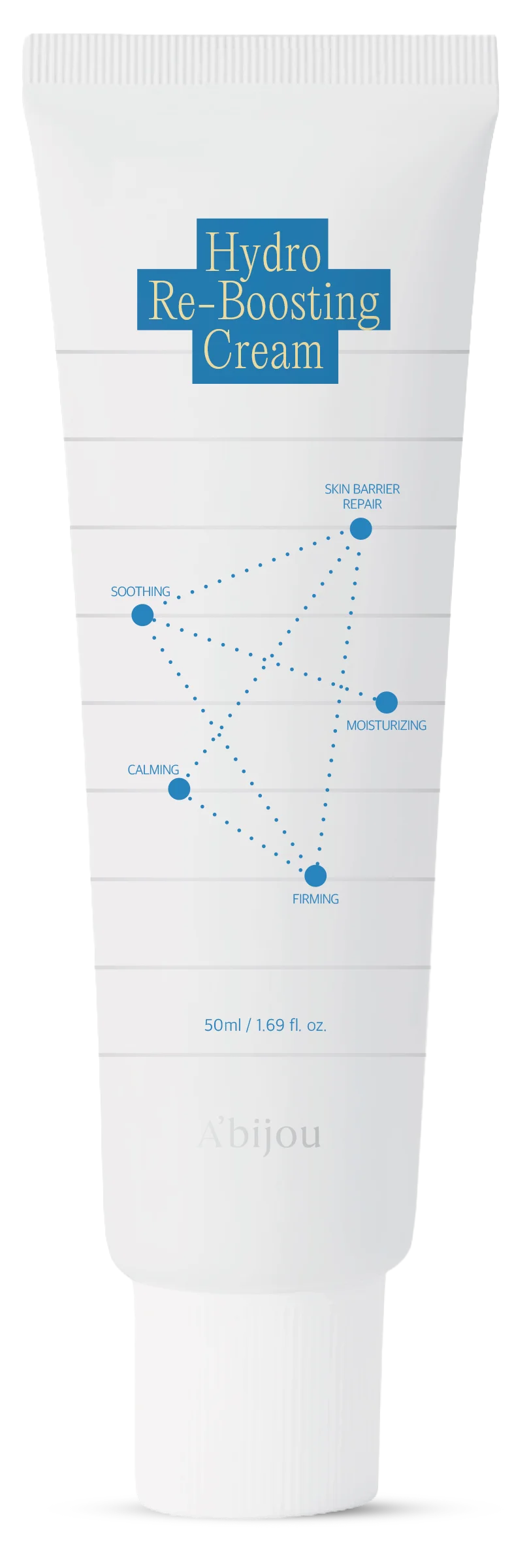
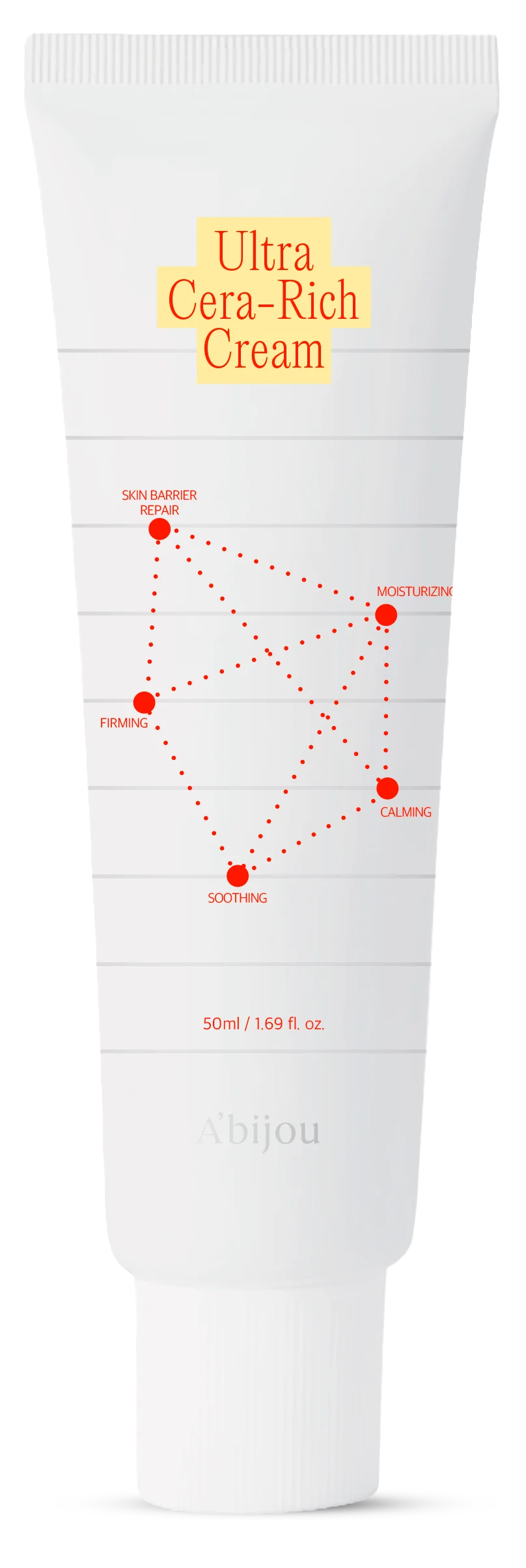
When skin becomes sensitive, prioritizing barrier care and soothing care together matters more than scrutinizing individual ingredients. ZXQMAGAZINETERM Ultra Cera-Rich CreamZXQ is designed with a complex of 5 types of ceramide along with panthenol and allantoin to help soothe redness and support barrier care for irritated skin, and during periods when inner tightness remains afterward, it can be used together with ZXQMAGAZINETERM Hydro Re-Boosting CreamZXQ to continue deep moisturizing care.
FAQ
- Is beta-glucan safe for all skin types?
- It's generally known as a mild ingredient, but reactions can vary depending on molecular weight, concentration, and other ingredients it's combined with. Especially for oily or acne-prone skin, it's good to observe how your skin reacts after use.
- I got small bumps after using beta-glucan, can I keep using it?
- If breakouts appear, it's recommended to stop use first and monitor your skin's condition. Until the breakouts subside, it's safer to simplify your routine to focus on low-irritation soothing and moisturizing care.
- Can I use beta-glucan and retinol together?
- They can be used together, but since irritation may accumulate, spacing out usage or alternating every other day may help reduce the burden on your skin.
- Can I use products containing beta-glucan after a procedure?
- During periods when the skin barrier is weakened, such as right after a procedure, it's recommended to focus on proven soothing and barrier-care ingredients like ceramides and panthenol rather than adding new ingredients.
Related products
 하이드로 리-부스팅 크림Buy
STEP 2 · 회복기 속보습
 울트라 세라-리치 크림Buy
STEP 1 · 시술 직후 진정·장벽 케어