
Understanding the Causes of Facial Sagging and Improvement Treatments
Facial sagging is a natural change that occurs due to a combination of factors, including decreased skin elasticity with aging, reduced collagen and elastin, and weakened support in the fascia layer. Heat-energy lifting treatments like Ultherapy, Thermage, and Shurink, or skin boosters like Rejuran and Juvelook, can be expected to help improve the condition. However, to maintain the treatment effects for a long time, home care tailored to the skin's condition after the procedure must be followed.
Every time you look in the mirror, you notice your jawline blurring and your cheeks seeming to sag—a concern many people experience from their mid-30s onward. Facial sagging is not simply a temporary phenomenon caused by weight gain or fatigue, but rather one of the natural aging processes that occurs as the structure beneath the skin gradually changes.
In this article, we will carefully go over why facial sagging occurs, what treatments can be tried to improve it, and what kind of recovery process the skin goes through after the procedure.
- 11-3 Days Immediately After the ProcedureRedness, warmth, sensitive barrier → Focus on soothing and barrier care
- 2From Day 4 OnwardRedness subsides, tightness and dryness → Switch to deep-moisturizing and skin-texture care
- 3Stable Recovery PhaseSkin condition settles, consistent moisturizing care until the next treatment cycle
Why Does Facial Sagging Occur?
Skin is composed of the epidermis, dermis, subcutaneous fat layer, and the fascia (SMAS) layer. Among these, the density of collagen and elastin in the dermis and the supportive strength of the fascia layer are most closely related to sagging. As we age, collagen synthesis declines and the fiber structure loosens, reducing the elasticity that once kept the skin taut.
Combined with changes in the volume of the subcutaneous fat layer and subtle bone resorption, sagging around the cheeks and jawline becomes noticeable. UV exposure, drastic weight changes, smoking, and chronic skin dryness are also cited as factors that accelerate the loss of elasticity.
In other words, facial sagging is not caused by a single factor but results from multiple changes layered within the deeper skin layers, so an approach for improvement requires methods that act on the skin's structure rather than surface-level care.
Procedures Considered for Improving Sagging
Currently, well-known procedures for improving facial sagging can be broadly divided into two categories. One is lifting procedures that use thermal energy such as radiofrequency or ultrasound to stimulate the deeper layers of the skin, including Ultherapy, Thermage, Shurink, Oneda, Titanium, and InMode. These procedures work on the principle of delivering thermal energy to the dermis or fascia layer to induce a collagen remodeling response.
The other is skin booster procedures such as Rejuran, Juvelook, Rivive, and Laetigen Collagen Booster, which supply moisture and nutrients into the skin to manage both skin texture and elasticity together. Since both approaches differ in the treatment area, depth, and method of energy delivery, it is important to make a decision after thorough consultation with a specialist based on one's own skin condition and degree of sagging.
However, regardless of which procedure is chosen, it is commonly emphasized that the recovery care that follows immediately after the procedure is an important variable determining how long the results last.
How Does the Skin Change Over the Days Following the Procedure?
After receiving a thermal energy-based lifting procedure, redness, warmth, and slight tightness are often felt from right after the procedure through 1 to 3 days later. During this period, the skin's barrier function becomes temporarily sensitive in response to the stimulation, and stinging may be felt even from washing the face or light friction.
From day 4 onward, redness and warmth tend to gradually subside, while tightness and dryness within the skin tend to become more noticeable instead. During this period, care focused on deep hydration and texture refinement, rather than soothing, can be more helpful.
With skin booster procedures as well, redness and minor irritation may appear right after the procedure, followed by a similar flow in which the skin stabilizes over the following days and then enters a period requiring deep hydration. However, the pace of this progression may vary depending on individual skin condition and the intensity of the procedure.
Try Approaching Home Care by Stage Like This
The first 1 to 3 days after the procedure are when the skin barrier is most sensitive. During this period, it is best to focus on calming redness and warmth with low-irritation formulations, and to avoid rubbing the face while cleansing or exfoliating. It is recommended to protect the skin by applying a thin layer of cream containing ingredients similar to the skin's own lipids, such as ceramides and panthenol.
After entering the recovery period from day 4 onward, redness tends to subside, but inner tightness and dryness often remain. At this stage, it's a natural flow to transition to care focused on deep hydration while also managing skin texture and elasticity condition with ingredients like niacinamide and adenosine.
What's important in both periods is identifying 'what stage your skin is currently in' and choosing a formulation suited to that stage. Rather than always applying a rich cream, care matched to the stage can positively affect both recovery speed and overall skin condition.
Step-by-step home care, the 2-STEP composition of Abijou Cream
Designed to match these phase-specific skin changes is Abijou Cream's 2-STEP recovery solution. For days 1 to 3 immediately after a procedure, the Ultra Cera-Rich Cream is formulated with ingredients similar to skin lipids, such as 5 types of ceramides, panthenol, and allantoin, to help soothe redness and support barrier care.
During the recovery period from day 4 onward, when inner tightness and dryness are felt, switching to the Hydro Re-Boosting Cream allows for managing deep hydration and skin texture condition together through a high concentration of panthenol and niacinamide. It's also worth noting that both products were determined to be non-irritating in human skin primary irritation tests.
It's an approach suited to the skin response patterns of each procedure to mainly use Ultra Cera-Rich after lifting/thermal energy procedures (Ultherapy, Thermage, Shurink, Onda, Titanium, InMode), and Hydro Re-Boosting after skin boosters (Rejuran, Juvelook, Revive, Laetigen Collagen Booster).
Post-procedure recovery is determined by home care
Whether it's lifting or skin boosters, consistent home care matched to the skin's post-procedure stage is needed to support lasting results. Abijou Cream offers a 2-STEP solution consisting of the Ultra Cera-Rich Cream for soothing and barrier care right after a procedure, and the Hydro Re-Boosting Cream for deep hydration and condition care during the recovery period. Each is 50ml and priced at 59,000 won, and more details can be found on the official site abijoushop.com.
물리적 자극으로 붉어진 피부가 손상 전 수준으로 회복되는 데 도움. 개인차가 있을 수 있습니다.
출처 P&K 피부임상연구센타 시험성적서 (PNK-26224-RI2R)
손상된 장벽이 손상 전 수준으로 회복되는 데 도움. 개인차가 있을 수 있습니다.
출처 P&K 피부임상연구센타 시험성적서 (PNK-26224-RI2R)
자극 후 건조함 케어에 도움. 개인차가 있을 수 있습니다.
출처 P&K 피부임상연구센타 시험성적서 (PNK-26223-RI1R)
피부결이 손상 전 수준으로 정돈되는 데 도움. 개인차가 있을 수 있습니다.
출처 P&K 피부임상연구센타 시험성적서 (PNK-26223-RI1R)
FAQ
- Does facial sagging happen to everyone as they age?
- Since the decrease in collagen and elastin and the weakening of support in the fascia layer are natural changes that occur with aging, they can be observed in most people, albeit to varying degrees. However, the rate of progression may vary depending on genetic factors, lifestyle habits, and the degree of UV exposure.
- If I get a lifting procedure once, will the effect last continuously?
- This can vary depending on the type of procedure and individual skin condition, and generally, the sense of elasticity may gradually change again over time. It is advisable to decide on the treatment cycle and aftercare methods through consultation with your specialist.
- How many days does redness last after the procedure?
- This varies depending on the type of procedure and skin condition, but generally, redness and a warm sensation are most noticeable between 1 to 3 days, after which they tend to gradually subside. If symptoms persist for a long time or worsen, it is safer to consult the clinic where you received the treatment.
- What products should I use for care after the procedure?
- It is a method that matches the flow of skin changes to use low-irritation, soothing, and barrier-care-focused products for the first 1 to 3 days immediately after the procedure, and then switch to deep-moisturizing and skin-texture-care-focused products during the recovery phase from day 4 onward.
- Which should I consider first, a lifting procedure or a skin booster?
- Lifting is a method that approaches elasticity care by delivering heat energy to the deep layers of the skin, while skin boosters are a method that manages skin texture and condition by supplying moisture and nutrients. Since the appropriate procedure may differ depending on the degree of sagging and skin condition, a consultation with a specialist is necessary.
Related products
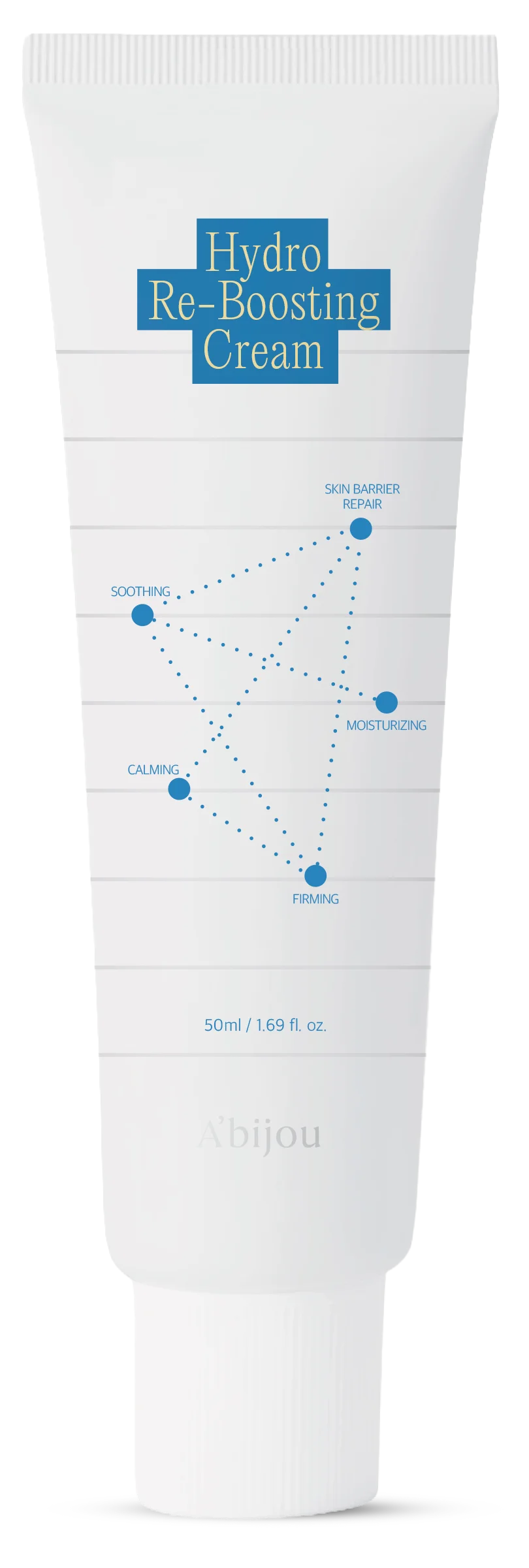 하이드로 리-부스팅 크림Buy
STEP 2 · 회복기 속보습
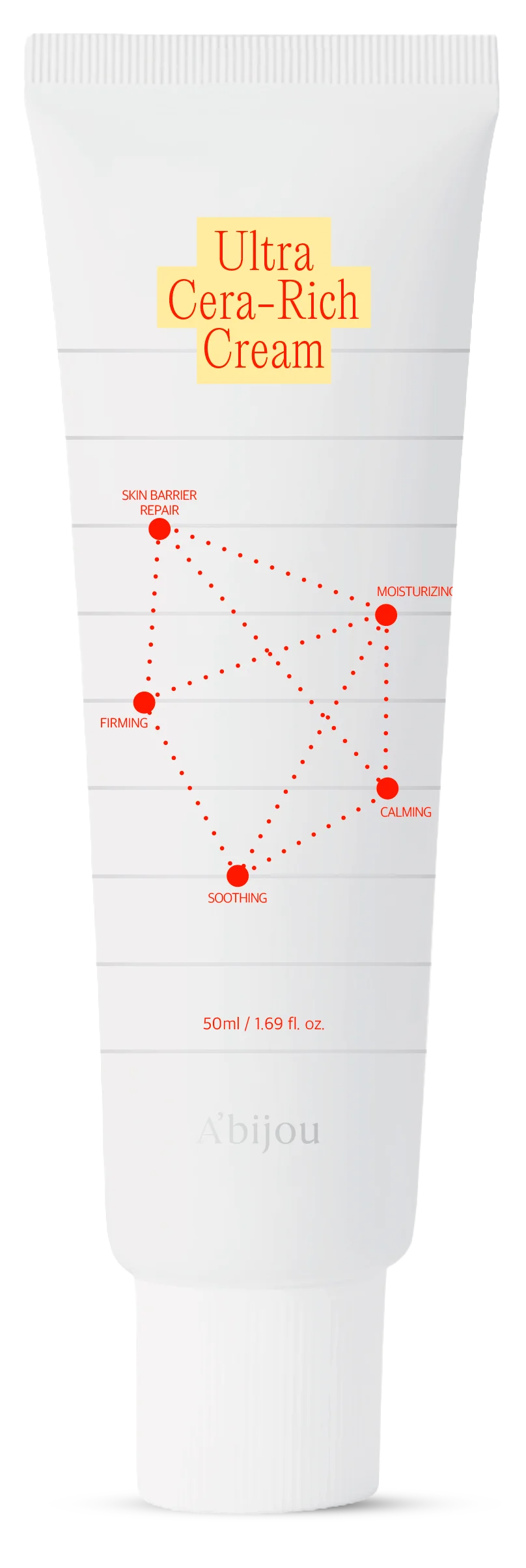 울트라 세라-리치 크림Buy
STEP 1 · 시술 직후 진정·장벽 케어