
Ceramide NP Application Order: When Should You Apply It in Your Skincare Routine?
Because Ceramide NP has a large molecular structure and works by forming a thin film on the skin's surface together with oil-based ingredients, it's generally recommended to apply it as the cream step—the final step in your skincare routine—after hydrating with toner and essence. More important than the order itself is 'how often and how generously' you apply it based on your skin condition, and especially for post-procedure or irritated skin, not skipping the barrier care step is key.
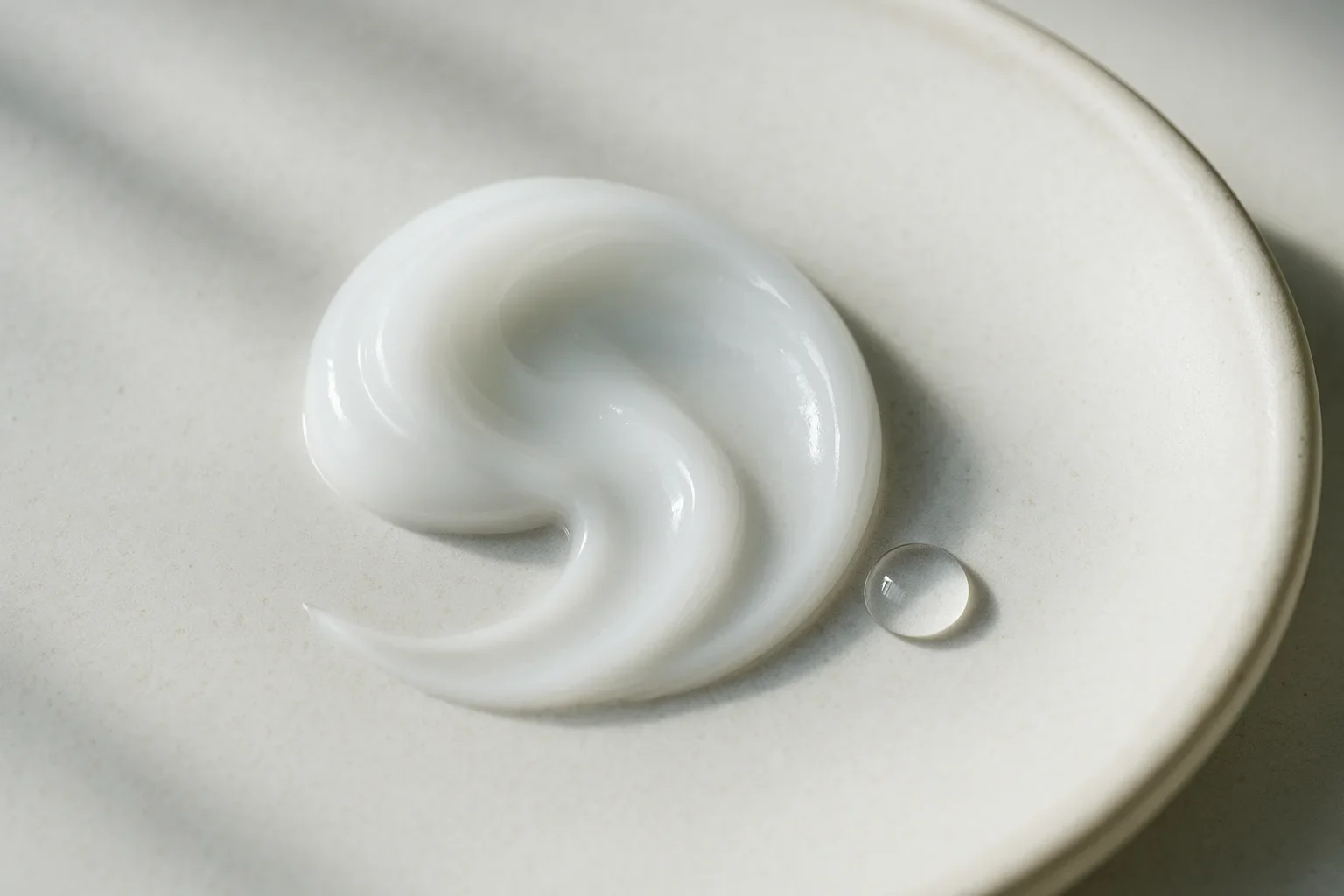
Ceramide NP is an ingredient with a structure similar to the lipids found in the stratum corneum of human skin, and it's one of the ceramide types commonly seen on cosmetic ingredient lists. Many people ask about the 'application order' because getting the order wrong can block the absorption of other ingredients or make it harder to fully enjoy ceramide's inherent barrier care benefits.
- 1Toner after cleansingSmooths skin texture, absorbs moisture
- 2Essence/SerumLayering texture and hydration care ingredients
- 3Ceramide creamFinal step, forms a film that locks in moisture
Why does the order matter for Ceramide NP?
Ceramide is a lipid ingredient that doesn't dissolve well in water. Because it exists as a 'cement'-like structure filling the spaces between cells in the skin's stratum corneum, it's natural to use it in skincare in a similar role—covering the skin's surface like a thin film after it's been filled with other ingredients.
So the general order is: water-based formulas (toner, essence, serum) first, followed by oil-rich ceramide-containing cream. If you apply the ceramide cream first, the hydrating ingredients applied afterward may be blocked by the film and fail to absorb properly.
Why care should differ depending on skin condition
Even with the same CeramideNP, the amount and timing needed vary depending on skin condition. If you usually feel only mild dryness, a thin layer applied once at the final evening step is often sufficient.
However, if the skin barrier is temporarily weakened due to seasonal changes, frequent cleansing, exfoliation, or lifting/skin booster procedures, the situation is different. During these periods, using a cream that contains a balanced mix of ceramide, cholesterol, and fatty acids morning and night—rather than a single ceramide ingredient—can be more helpful for barrier recovery.
How long should you pay attention when the barrier is weakened?
The first 1–3 days after the barrier is disrupted are when the skin reacts sensitively to external stimuli. During this time, it's best to continue the moisturizing step immediately after cleansing, before the skin dries, and patting the product in rather than rubbing helps reduce irritation.
From day 4 onward, as redness and sensitivity subside, signs of 'inner dryness' such as tightness or fine flaking often appear instead. At this stage, it's a natural shift to switch to a formula that absorbs more lightly while still replenishing inner hydration.
Step-by-step home care order
Step 1 (right after cleansing): Use toner to smooth the skin texture and lightly absorb moisture.
Step 2 (essence/serum): Layer on thin applications of texture- and moisture-care ingredients such as niacinamide and panthenol.
Step 3 (ceramide cream): Apply a cream containing CeramideNP last to form a film that locks in the moisture applied earlier. Apply a thicker layer right after irritation, and lighten it as recovery progresses.
This order applies regardless of whether a procedure was performed, but if the barrier is severely weakened, such as right after a lifting or laser procedure, filling this final step with a dedicated cream specialized for soothing and barrier care—rather than a single ceramide product—can be a more stable choice.
Recovery after procedures depends on home care
The principle of applying CeramideNP as the final step also applies to post-procedure home care. ZXQMAGAZINETERMABJUZXQ Cream is designed as a 2-STEP formula that divides this final step by period: an Ultra Cera-Rich Cream focused on soothing and barrier care for the first 1–3 days right after a procedure, and a Hydro Re-Boosting Cream focused on inner hydration and condition care from day 4 onward, once redness has subsided. Both products contain 5 types of ceramides along with a composition similar to skin lipids, allowing you to continue the 'hydrate first, finish with ceramide' order described above.
물리적 자극으로 손상된 장벽이 손상 전 수준으로 회복되는 데 도움. 개인차가 있을 수 있습니다.
출처 P&K 피부임상연구센타 시험성적서 (PNK-26224-RI2R)
손상된 장벽이 손상 전 수준으로 회복되는 데 도움. 개인차가 있을 수 있습니다.
출처 P&K 피부임상연구센타 시험성적서 (PNK-26223-RI1R)
FAQ
- Should Ceramide NP be applied both morning and night?
- If your skin only feels mildly dry, applying it just at night is often enough, but if your skin barrier is compromised, using it both morning and night may help with recovery. Since individual differences exist, it's best to adjust based on your skin condition.
- Should Ceramide NP cream be applied before oil?
- Generally, it's fine to apply ceramide cream before heavier formulations like oils, finishing with oil afterward if needed. However, the order can vary depending on the texture weight of the formulation, so it's good to also refer to the product's usage instructions.
- Is it okay to use a single Ceramide NP product after a procedure?
- It can be used, but during sensitive periods like right after a procedure, a dedicated cream with a balanced blend of ceramide and soothing ingredients may feel more comfortable. If irritation is significant, consulting a specialist is also recommended.
- I feel like my makeup is pilling after applying Ceramide NP—why does this happen?
- This can happen if ceramide cream is applied in the middle of your skincare routine instead of at the end, or if too much is used. Using an appropriate amount as the final step and allowing enough time for absorption can help.
Related products
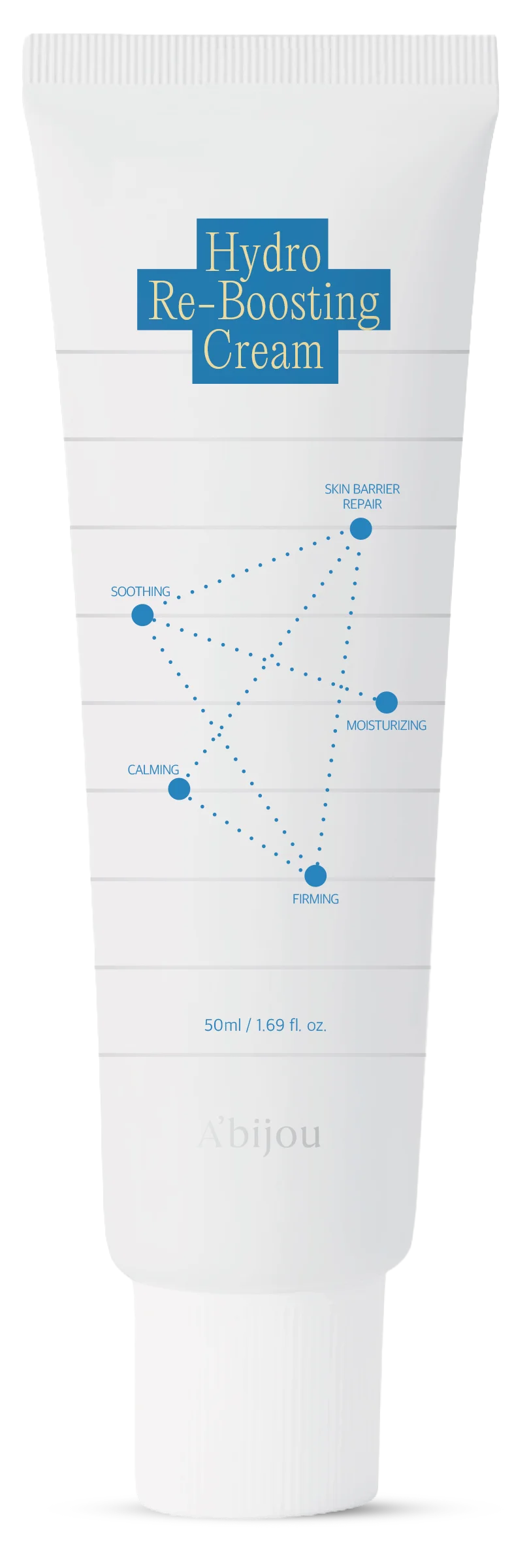 하이드로 리-부스팅 크림Buy
STEP 2 · 회복기 속보습
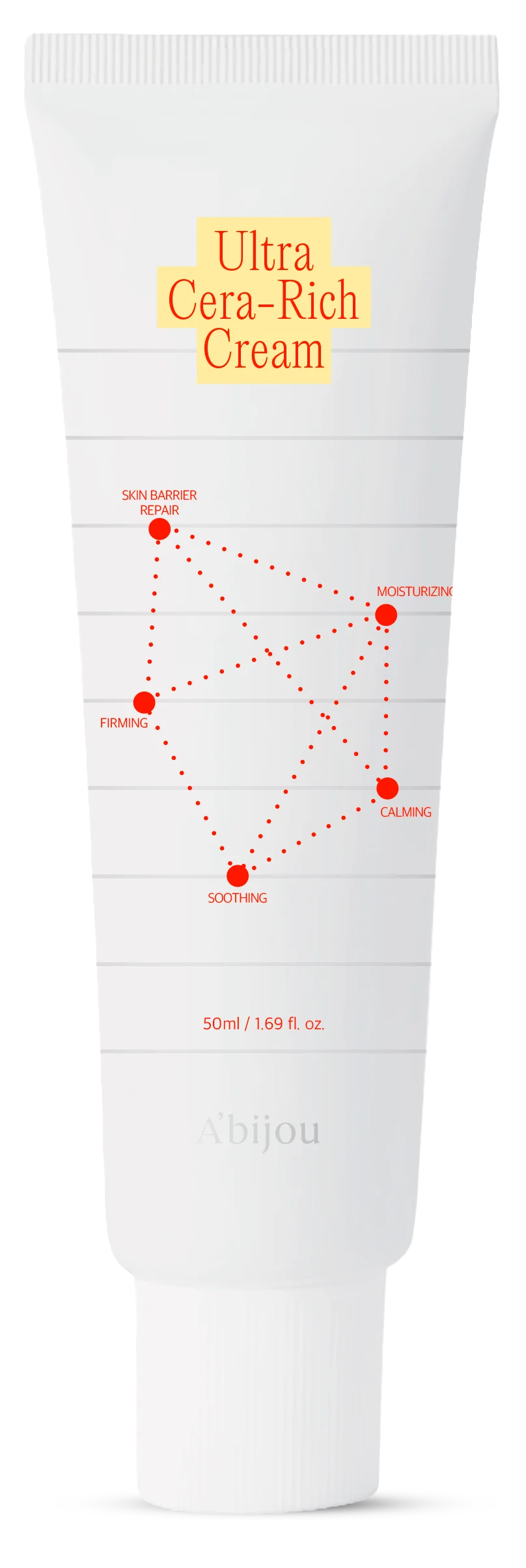 울트라 세라-리치 크림Buy
STEP 1 · 시술 직후 진정·장벽 케어