
Ceramide NP Content vs Composition, Which Matters More?
To cut to the conclusion, for ceramides, 'composition (ratio and formulation design)' matters more for perceived skin barrier care than the 'content number'. Rather than a high single content of Ceramide NP alone, the key is whether multiple types of ceramides are combined with cholesterol and fatty acids in a ratio similar to skin lipids. Instead of choosing based only on the number listed first on the ingredient list, it's necessary to form a habit of checking the overall composition.
On cosmetic ingredient lists or advertisements, you often come across phrases like 'ceramide content of a certain number of ppm'. In particular, since Ceramide NP is the most commonly used type in products on the market, its content figure is often emphasized, but it is difficult to judge barrier care effectiveness based on this number alone. This is because the skin barrier is not made up of a single ceramide.
- 11. Irritation occursBarrier function declines due to physical or chemical irritation
- 22. Lipid balance collapsesThe ratio of ceramide, cholesterol, and fatty acids breaks down
- 33. Composition-based careUsing a cream formulated with multiple types of ceramides plus cholesterol and fatty acids
- 44. Recovery to pre-damage levelHelps barrier and hydration indicators recover to levels seen before irritation
Why Ceramide NP content isn't everything
The lipid barrier of the skin's stratum corneum is compared to a 'bricks and mortar' structure where ceramide, cholesterol, and fatty acids are stacked in a certain ratio. Among these, several types of ceramides (NP, NS, AS, AP, EOP, etc.) exist together, each playing a slightly different role. In other words, putting a high content of Ceramide NP alone does not necessarily reproduce the actual skin lipid structure as it is.
Rather, many reviews indicate that when multiple types of ceramides are blended with cholesterol and fatty acids in a ratio close to skin's natural lipid composition, texture, absorption feel, and the resulting moisture differ noticeably. This is why, recently, composition-focused formulations that emphasize 'how many types of ceramides + cholesterol/fatty acid ratio' are becoming more common, rather than simply stating 'ceramide content in %'.
Signs of a weakened barrier and how they change over time
When barrier function declines, it initially starts with tightness after cleansing, fine flaking, and stinging when applying cosmetics. If left unaddressed, this can progress to redness or sensitivity within a few days, and delayed recovery can lead to chronic inner dryness.
Generally, immediately after irritation, calming redness and heat is the priority, and after about 4 days to a week, the redness subsides but tightness and flaking remain. Understanding this progression makes it easier to distinguish whether your skin currently needs 'soothing' or 'deep hydration'.
Step-by-step home care approach
In Stage 1 (immediately after irritation to day 3), apply product generously without rubbing, prioritizing areas with redness and heat. It's best to minimize cleansing and use sun protection in parallel.
In Stage 2 (from day 4 onward), as redness subsides but tightness and flaking become more noticeable, it helps to switch to deep hydration care that penetrates into the stratum corneum. At this stage, it's good to choose products that combine ceramide composition with moisturizing and texture-care ingredients like panthenol and niacinamide.
Ultimately, barrier care isn't about relying on a single cream, but about dividing the approach into stages suited to the skin's condition right after irritation versus during recovery.
Products to reference when checking ceramide composition
ZXQMAGAZINETERM AVIJU ZXQ Cream is composed of two products based on this step-by-step care concept. The Ultra Cera-Rich Cream is designed with 5 types of ceramides (NP, NS, AS, AP, EOP) along with cholesterol and fatty acids in a ratio similar to skin lipids, focusing on soothing and barrier care right after irritation. The Hydro Re-Boosting Cream has the same 5-type ceramide composition plus panthenol, focusing on deep hydration and texture care during recovery. Both products are notable for prioritizing the composition ratio of multiple ceramides rather than the sole content of ceramide NP.
Recovery after procedures depends on home care
Regardless of whether you've had a procedure, when you feel your skin barrier has weakened, it's better to look at the 'composition' of ceramides first rather than the 'content' number. Both the Ultra Cera-Rich Cream and the Hydro Re-Boosting Cream from ZXQMAGAZINETERM AVIJU ZXQ Cream combine 5 types of ceramides with cholesterol and fatty acids, designed for step-by-step use from the moment of irritation through recovery.
물리적 자극으로 손상된 장벽이 손상 전 수준으로 회복되는 데 도움. 개인차가 있을 수 있습니다.
출처 P&K 피부임상연구센타 시험성적서 (PNK-26224-RI2R)
손상된 장벽이 손상 전 수준으로 회복되는 데 도움. 개인차가 있을 수 있습니다.
출처 P&K 피부임상연구센타 시험성적서 (PNK-26223-RI1R)
피부 각질층 속 수분 케어에 도움. 개인차가 있을 수 있습니다.
출처 P&K 피부임상연구센타 시험성적서 (PNK-26223-RI1R)
FAQ
- Is a product with a high Ceramide NP content always better?
- Ceramide NP is just one representative type of ceramide. Rather than the content number, it is considered more important whether other types of ceramides, cholesterol, and fatty acids are formulated together to form a composition similar to skin lipids.
- What should I check on a ceramide ingredient list?
- It helps to check whether only one type of Ceramide NP is present, or whether multiple types such as NS, AS, AP, EOP are included together, and whether cholesterol and fatty acid-type ingredients are formulated together as well.
- Is it okay to apply a thick cream right away when the barrier is weakened?
- In the early stage of irritation, it is recommended to apply thin layers repeatedly of a low-irritation formulation without rubbing. Afterward, once redness subsides, it is good to switch to care focused on deep hydration.
- Can I use just one of the two ZXQMAGAZINETERMAbiju Cream productsZXQ?
- Since the skin condition differs between the period right after irritation when soothing is needed and the recovery period when deep hydration is needed, it is recommended to use them in stages according to the timing.
Related products
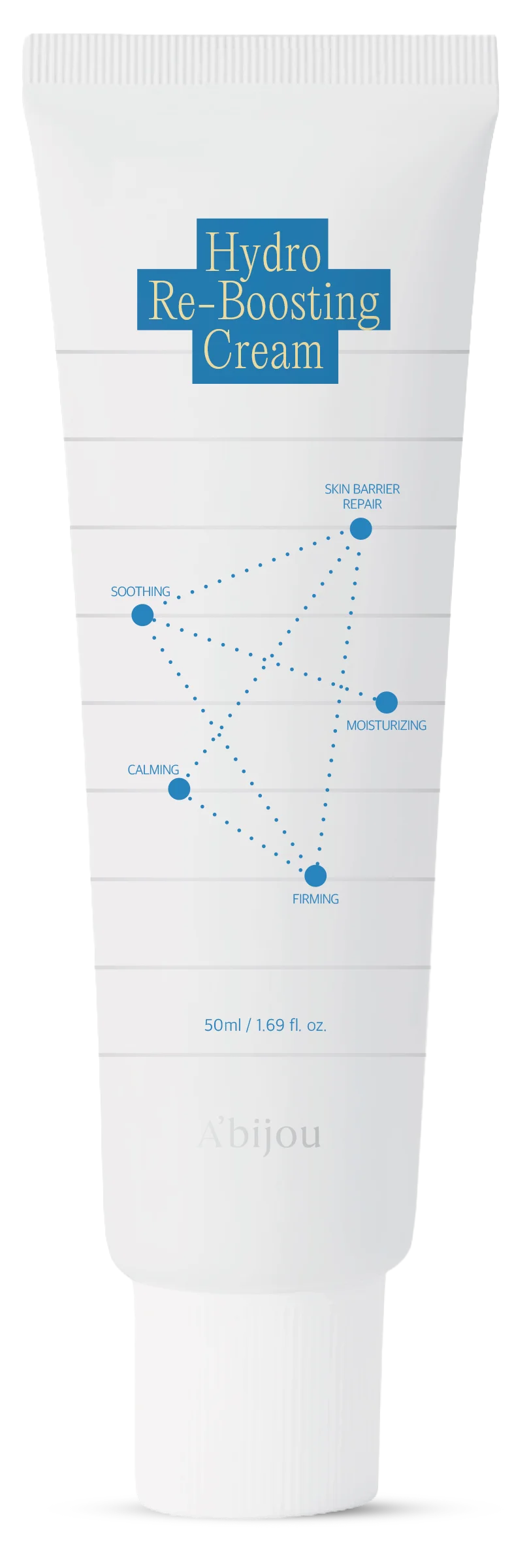 하이드로 리-부스팅 크림Buy
STEP 2 · 회복기 속보습
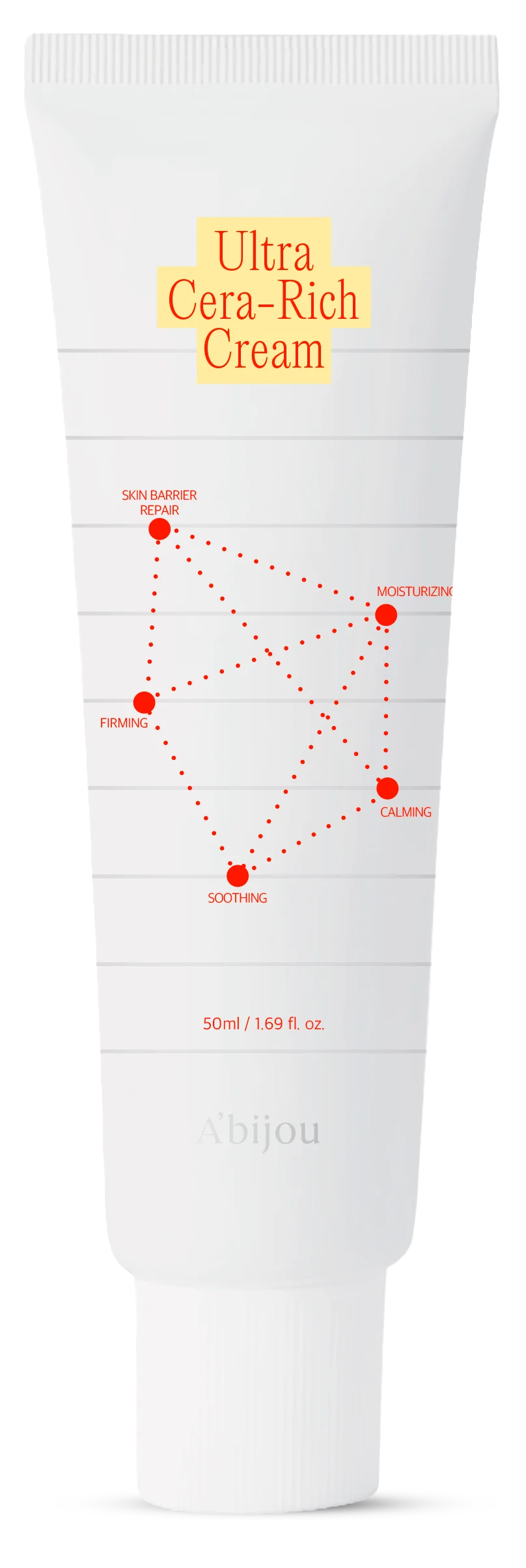 울트라 세라-리치 크림Buy
STEP 1 · 시술 직후 진정·장벽 케어