
Ceramide NP Compatibility After Procedures: Is It Safe to Use Together?
Ceramide NP is an ingredient with a structure similar to skin lipids, and it is one of the representative moisturizing ingredients used to care for sensitized skin barriers after lifting or laser procedures. Even during the period right after a procedure when irritation remains, there is no reason to avoid using a low-irritation formulation containing Ceramide NP, and it may actually be more helpful for recovery to vary the density of the formulation by stage. However, it is important to check the overall formulation and irritation potential together, not just look at a single ingredient.
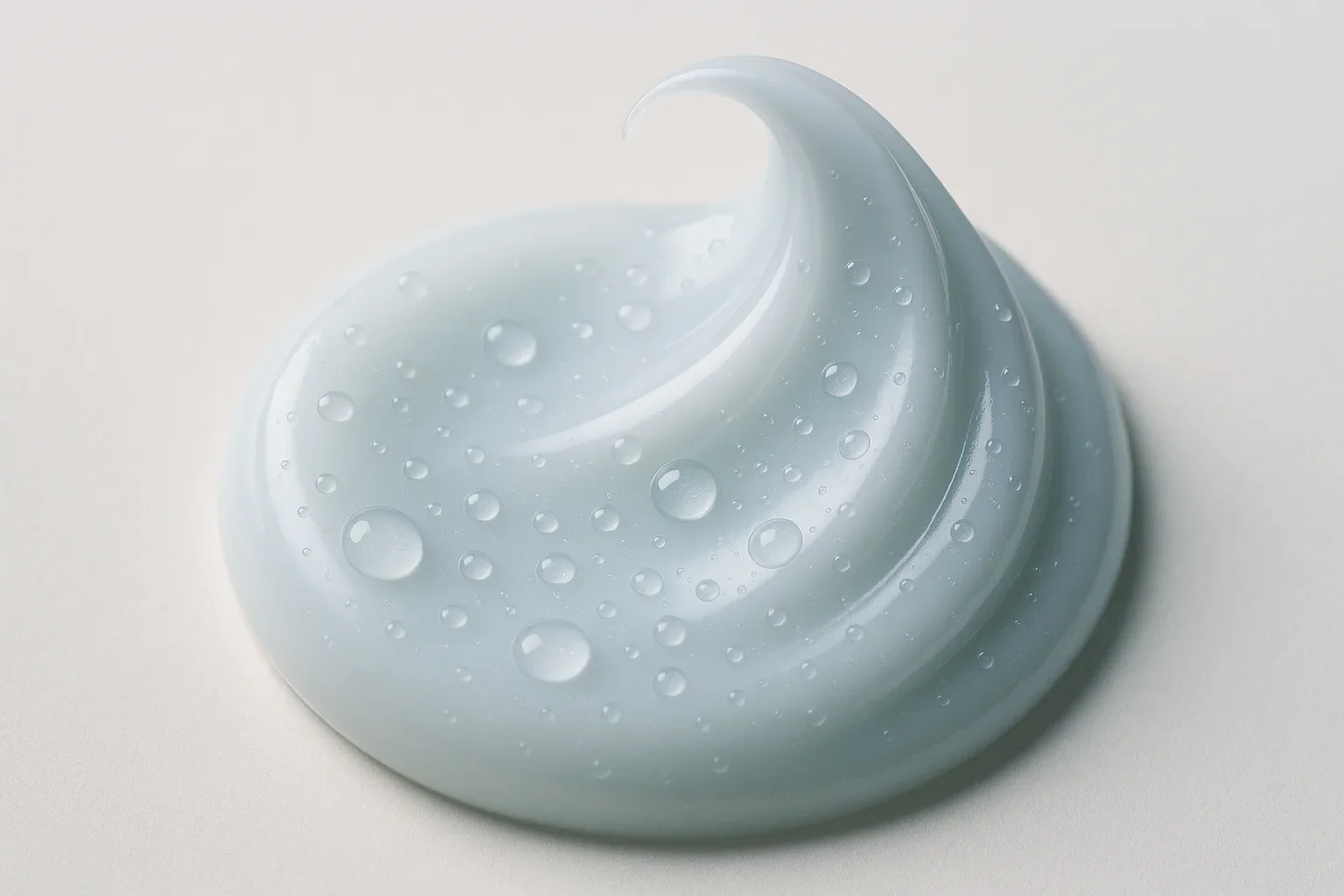
After a lifting or laser procedure, people tend to scan the ingredient list first when choosing home care products. One name that frequently stands out is 'Ceramide NP.' Ceramide is one of the lipid components that make up the skin's stratum corneum, and among the various ceramide subtypes, the NP type has a high degree of similarity to the skin's lipid composition, making it frequently used in cosmetics.
Since the skin's barrier is temporarily weakened after a procedure, many people wonder whether it's okay to apply this ingredient right away. To answer directly, Ceramide NP itself is not an ingredient that causes skin irritation; rather, it is closer to an ingredient used to help compensate for a damaged barrier environment. However, it is advisable to vary the weight and usage method of the formulation depending on whether it is the sensitive period right after the procedure or a later stage when recovery has progressed to some degree.
- 1Days 1-3Calming redness and heat, applying a thin layer of a low-irritation formulation
- 2Days 4-7Caring for tightness and flaking, switching to a more moisturizing formulation
- 3After thatMaintaining skin texture refinement and barrier condition
Why Ceramide NP Is Often Used in Post-Procedure Care
The skin's stratum corneum is often compared to a brick-and-mortar structure. If corneocytes are the bricks, lipids such as ceramides, cholesterol, and fatty acids act as the mortar filling the spaces between them. The heat energy from lifting procedures or stimulation from lasers can create temporary gaps in this lipid structure, which is also why skin tends to feel dry, tight, or reddened during this period.
A formulation that combines five types of ceramides (NP, NS, AS, AP, EOP), including Ceramide NP, along with cholesterol and fatty acids, is designed to resemble the skin's own lipid composition and can help support barrier care. Rather than the amount of any single ingredient, what matters more is whether these lipid components are balanced in composition.
Skin Condition and Compatibility That Changes by Post-Procedure Period
In the first 1 to 3 days immediately after the procedure, redness, heat, and mild stinging may remain. During this time, a lightweight formulation that is gentle yet forms a thin, close layer to cover external irritants can be helpful. Rather than applying a thick, heavy cream, it is more suitable to apply a small amount of a product confirmed to be low-irritation, frequently and lightly.
From day 4 onward, redness and burning tend to subside somewhat, but internal tightness and slight flaking from deep dryness often appear instead. During this period, it is a natural flow to switch to a formulation that combines ceramide ingredients with panthenol, niacinamide, and other ingredients that can help with hydration and skin texture care, in order to replenish deep moisture.
In other words, the ingredient Ceramide NP itself can be used regardless of the period, but the density and purpose of the formulation it is combined with must match the stage of recovery for it to be truly compatible with the healing process.
Divide Your Home Care Into Stages Like This
Stage 1 (Immediately after the procedure to day 3): After cleansing, lightly prepare the skin with toner, then apply a low-irritation formulation thickly over areas with redness and heat without rubbing, allowing it to absorb. Minimizing friction is key during this period.
Stage 2 (Day 4 onward): As redness subsides and internal tightness and slight flaking begin to stand out, switch to a richer, more moisturizing formulation and gently pat it in so it absorbs deeply into the skin. From this point on, it is also good to incorporate ingredients that help with skin texture care.
In general, minimizing irritation during cleansing, not skipping sun protection, and prioritizing formulations confirmed to be non-irritating through human application testing are the basics of home care during the post-procedure recovery period.
Choosing the Right Formulation for Each Period Sets the Direction of Recovery
Ultimately, when considering compatibility with Ceramide NP, what matters is not a single ingredient but which period after the procedure calls for which purpose of formulation. Since care immediately after a procedure can affect skin condition afterward, it is helpful to know in advance a home care routine divided by stage.
Post-Procedure Recovery Depends on Home Care
In line with this trend, the ABJU Cream is designed as a 2-STEP recovery solution for after-procedure care. For days 1-3 immediately after the procedure, the 'Ultra Cera-Rich Cream,' formulated with 5 types of ceramides and lipid ingredients, is designed to help soothe redness and support the skin barrier (P&K Skin Research Center human application test, 21 adult women, immediately after a single use following physical stimulation). From day 4 onward, during the period when tightness and flaking may be of concern, the 'Hydro Re-Boosting Cream,' combining panthenol and ceramides, can help with deep hydration and skin texture care (P&K Skin Research Center human application test, 21 adult women, 2 weeks of use following chemical stimulation). Both products were judged non-irritating in human skin primary irritation tests, though individual results may vary.
물리적 자극으로 붉어진 피부의 붉은기 진정에 도움. 개인차가 있을 수 있습니다.
출처 P&K 피부임상연구센타 시험성적서 (PNK-26224-RI2R)
물리적 자극으로 손상된 장벽이 손상 전 수준으로 회복되는 데 도움. 개인차가 있을 수 있습니다.
출처 P&K 피부임상연구센타 시험성적서 (PNK-26224-RI2R)
자극 후 건조함 케어에 도움. 개인차가 있을 수 있습니다.
출처 P&K 피부임상연구센타 시험성적서 (PNK-26223-RI1R)
피부결 정돈에 도움. 개인차가 있을 수 있습니다.
출처 P&K 피부임상연구센타 시험성적서 (PNK-26223-RI1R)
FAQ
- Can I apply Ceramide NP on the day of the procedure?
- Ceramide NP itself is an ingredient similar in composition to skin lipids and is not an irritating ingredient, but right after a procedure, it's best to first check the timing of use according to your clinic's guidance. When starting home care afterward, it is recommended to use a formulation confirmed to be low-irritation, starting with a small amount.
- Is more ceramide content always better?
- Rather than the amount, it is more important whether ceramide, cholesterol, and fatty acids are combined in a ratio similar to that of skin lipids. Rather than comparing products based solely on the content of a single ingredient, it is better to check the overall formulation and irritation test results together.
- Can ceramide and niacinamide be used together?
- These two ingredients can be used together without issue, and they are often combined in formulations that consider both skin texture/tone care and barrier care. However, during the sensitive period right after a procedure, it is safer to prioritize products confirmed to be low-irritation.
- When after a procedure should I switch to a more moisturizing formulation?
- This varies by individual, but generally, from around day 4 onward, once redness and heat have subsided to some extent, tightness or flaking often begins to become noticeable. Switching to a formulation with added moisturizing properties from this point is a natural progression.
Related products
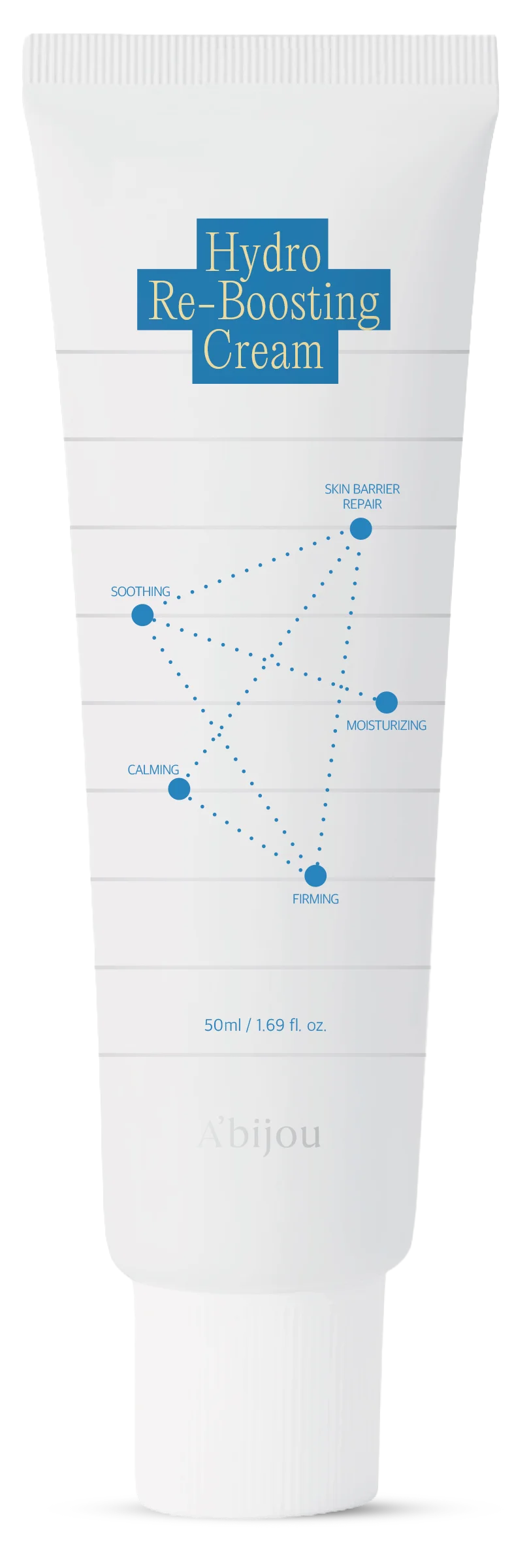 하이드로 리-부스팅 크림Buy
STEP 2 · 회복기 속보습
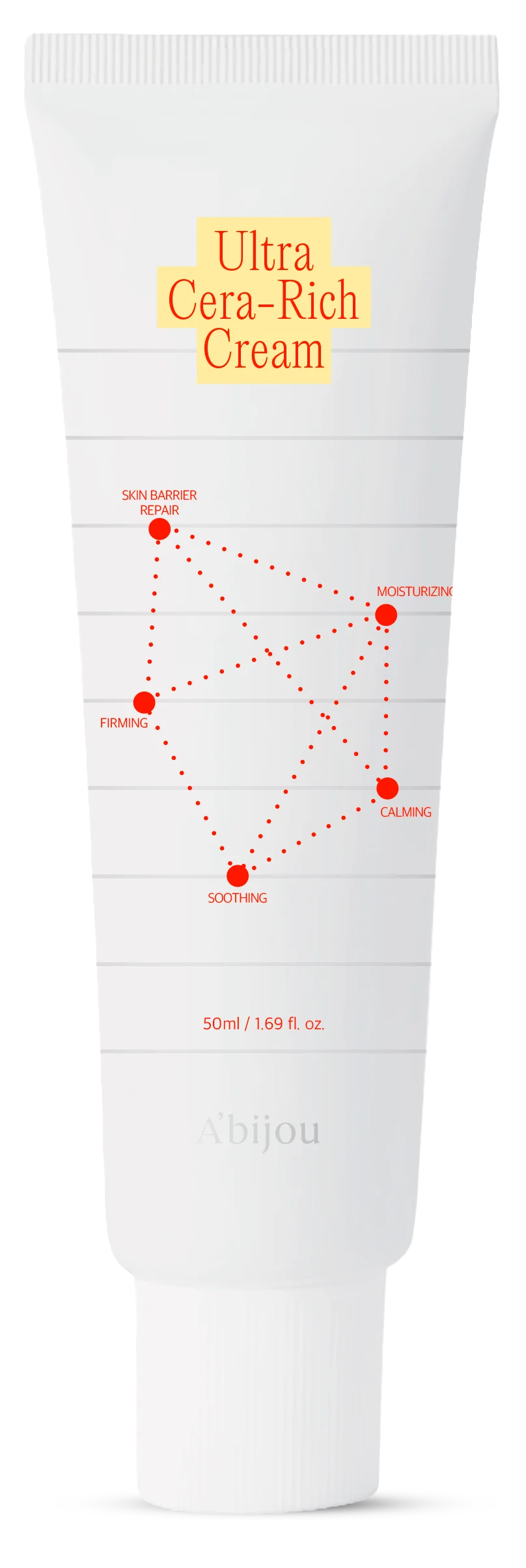 울트라 세라-리치 크림Buy
STEP 1 · 시술 직후 진정·장벽 케어