
Ceramide NP Precautions: What to Check in Cosmetic Ingredient Lists
Ceramide NP is a widely used ingredient in barrier care due to its structure similar to skin lipids, but it's important to note that its effectiveness is hard to judge from its standalone content or simple labeling alone. How it's combined with other lipid ingredients, the formulation order, and the timing of use (especially on sensitive skin after procedures) can greatly affect the experienced results. Below, we've summarized the key points to actually check when choosing a Ceramide NP product.
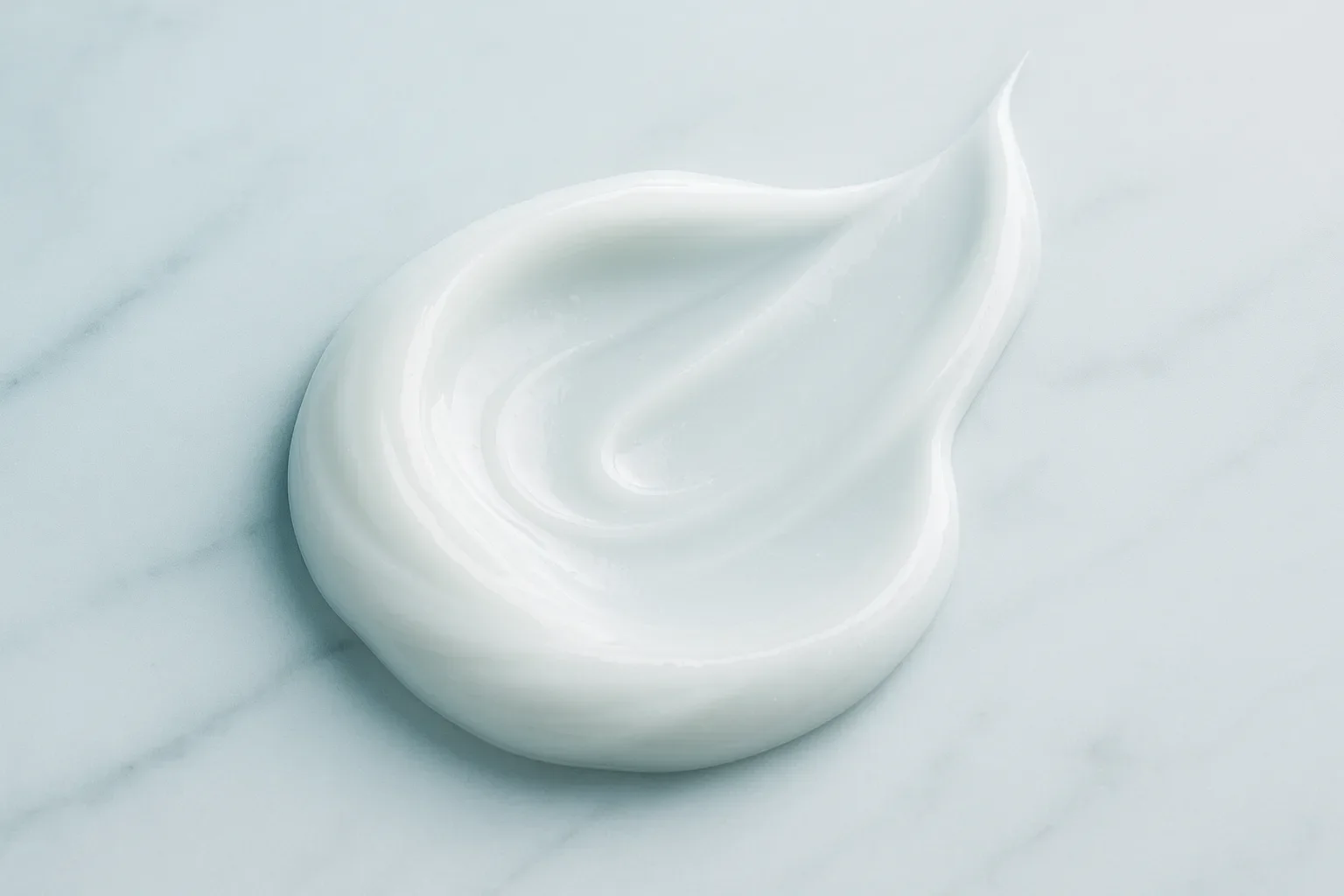
When you spot the word 'Ceramide NP' on an ingredient list, it can feel somewhat reassuring. This is because ceramide is one of the lipid components that fill the skin's stratum corneum, and is known to be one of the key elements that make up the skin barrier. However, judging a product solely by the phrase 'contains Ceramide NP' has more pitfalls than you might think.
Why is caution needed with Ceramide NP, despite being so commonly used?
Ceramide NP is one of the ceramides that makes up a large proportion of those present in human skin, making it the type most widely used in the moisturizing and cosmetics industry. However, the skin barrier is not completed by ceramide alone. It's important to note that only when ceramide, cholesterol, and fatty acids are present together in a certain ratio does a structure similar to the skin's lipid layer form.
In other words, even if Ceramide NP appears near the top of the ingredient list, if it's included alone without cholesterol or fatty acids, you may not experience the barrier care effect you expected. Conversely, even if the content appears low, a well-balanced combination can result in a different feel and outcome.
Also, ceramide is an oily ingredient, so how stably it's dissolved within the formulation (emulsification stability) affects the sensory experience. This is hard to judge from the ingredient list alone, so rather than focusing on the fact that 'ceramide is included,' it's important to develop the habit of checking 'in what combination and what formulation' it's included.
In these situations, you need to choose more carefully
For normal skin, you can use ceramide NP-containing products without much concern. However, during periods when the skin barrier is temporarily weakened—such as right after a procedure, right after exfoliation, or when skin becomes sensitive due to seasonal changes—it's safer to check whether soothing ingredients are included together and whether irritation testing has been conducted, rather than focusing on a single ingredient.
Right after a procedure, skin condition tends to change by stage: days 1-3 when heat and redness remain, and from day 4 onward when redness has subsided but tightness and fine flaking appear. Switching products according to this stage-by-stage flow often leads to more practical results than sticking to ceramide NP alone.
A step-by-step home care routine to check and apply
Stage 1 (right after irritation to day 3): During the period when redness and heat remain, it helps to apply thin layers multiple times of a product that combines soothing ingredients (panthenol, allantoin, etc.) rather than ceramide NP alone. The key is to apply gently without rubbing and let it absorb.
Stage 2 (from day 4 onward): This is the period when visible irritation has decreased but tightness remains. At this stage, it's good to replenish deep hydration with a product that combines ceramide with ingredients that help even out skin tone and texture, such as niacinamide and adenosine.
Stage 3 (daily care): Even during ordinary times with no particular irritation, consistently using a product that combines 5 types of ceramide including ceramide NP (NP, NS, AS, AP, EOP) along with cholesterol and fatty acids can help maintain barrier condition.
Post-procedure recovery is determined by home care
Reflecting this formulation principle, ABZU Cream is designed to resemble skin lipids by combining 5 types of ceramide (NP, NS, AS, AP, EOP) along with cholesterol and fatty acids, rather than ceramide alone. For days 1-3 right after a procedure, the Ultra Cera-Rich Cream focuses on soothing and barrier care, while for the period after day 4 when tightness remains, the Hydro Re-Boosting Cream focuses on deep hydration and condition care, designed for stage-by-stage use. Both products were confirmed non-irritating in human skin primary irritation tests.
FAQ
- Is a higher content of Ceramide NP always better?
- It's hard to judge based on the content number alone. Ceramide is known to form a structure similar to skin lipids only when present together with cholesterol and fatty acids in a certain ratio, so it's better to consider the overall combination and formulation stability rather than the standalone content.
- Can sensitive skin also use Ceramide NP products?
- It is generally considered a mild ingredient, but during periods when the skin is sensitive, it's recommended to check whether soothing ingredients (such as panthenol or allantoin) are also included, and to use products that have undergone irritation testing.
- Can I apply Ceramide NP products right after a procedure?
- In the first 1-3 days right after a procedure, soothing redness and heat is the priority, so it can help to use products containing soothing ingredients during this period, and from around day 4 when tightness begins, switch to products focused on deep hydration, dividing care according to the stage.
- What's the difference between Ceramide NP and other ceramides (NS, AP, etc.)?
- These are each subtypes of ceramide found in the skin's stratum corneum, and it's known that having several types combined together, rather than a single type alone, makes the composition more similar to the skin's natural lipid composition.
Related products
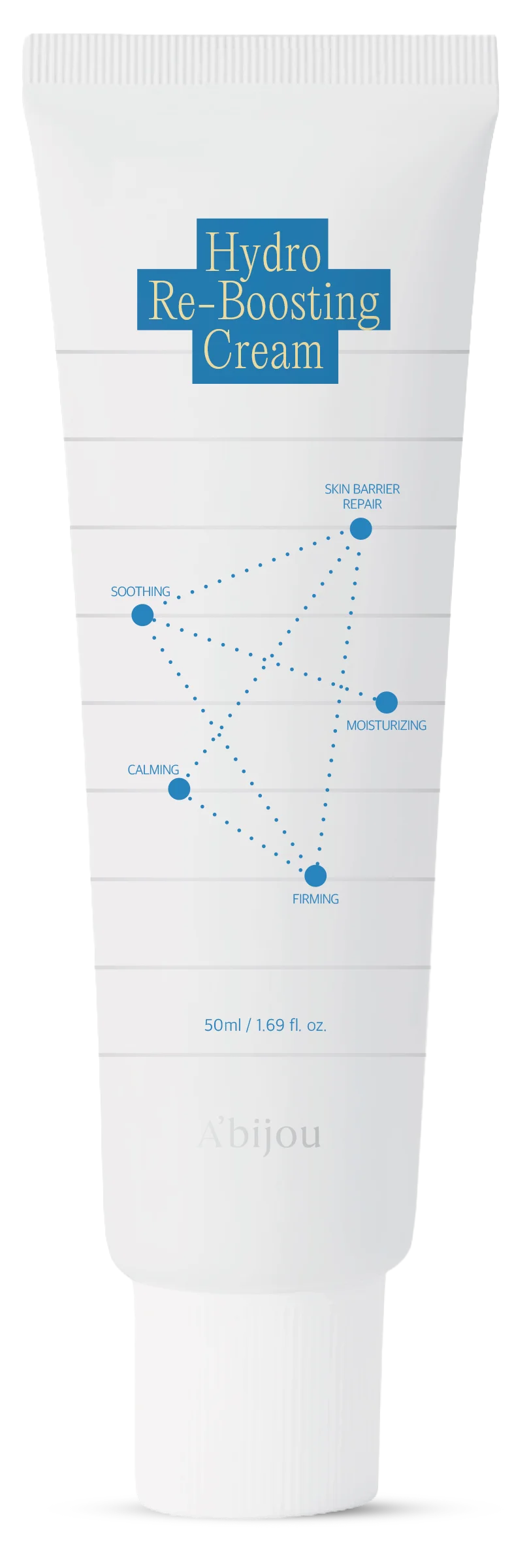 하이드로 리-부스팅 크림Buy
STEP 2 · 회복기 속보습
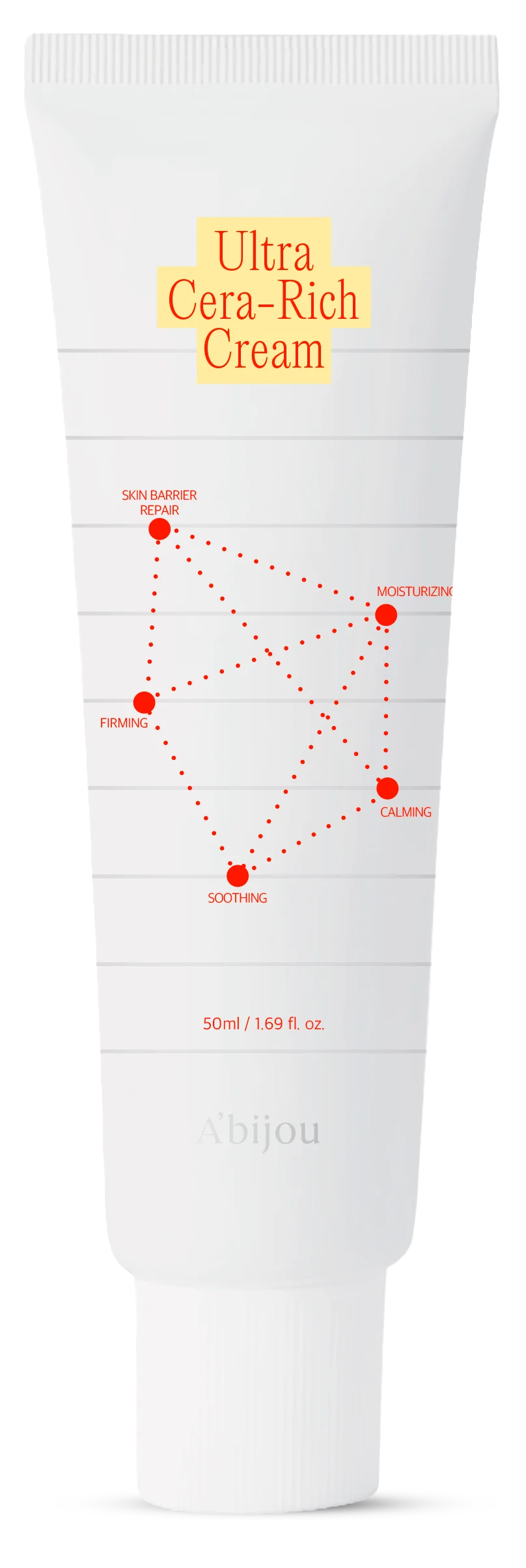 울트라 세라-리치 크림Buy
STEP 1 · 시술 직후 진정·장벽 케어