
Criteria for Choosing Ceramide NP: How to Check the Ingredient List
Ceramide NP is the type of ceramide most similar to the lipid composition of the skin's stratum corneum, and is a representative ingredient used as a standard when choosing barrier care products. However, rather than Ceramide NP alone, whether it's combined with cholesterol and fatty acids, or combined with other types of ceramide, is what actually determines the usage feel and barrier care effect. On the ingredient list, the key is to check 'how many types are included together and in what ratio,' rather than simply whether the name appears.
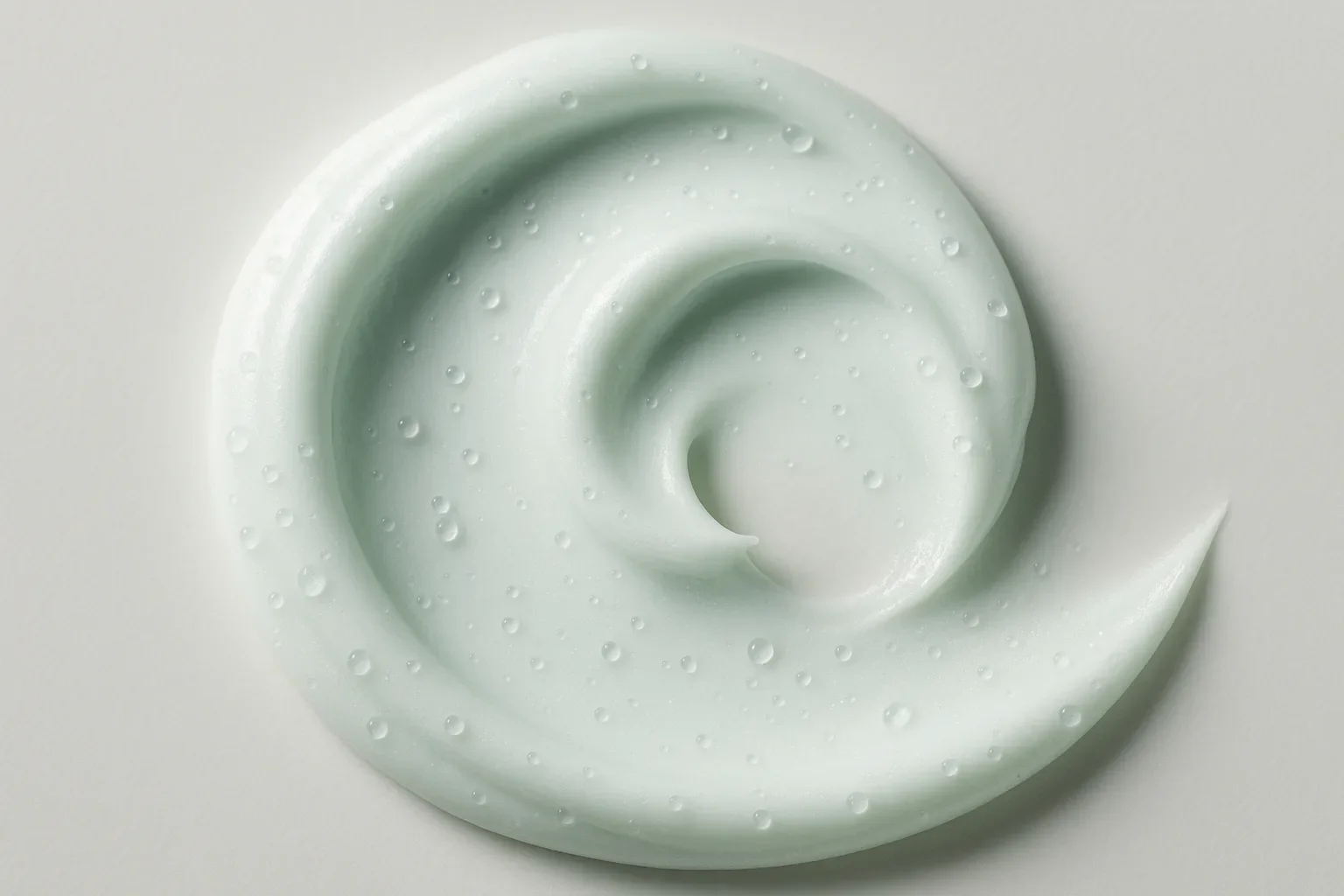
Ceramide NP, listed on cosmetic ingredient lists as 'Ceramide NP,' is the most abundant type among the lipid ingredients naturally present in the skin's stratum corneum. That's why many people check whether Ceramide NP is included when choosing barrier care products.
However, Ceramide NP alone is not enough to form the entire skin lipid membrane. Since the actual skin barrier has a structure where multiple types of ceramide, cholesterol, and fatty acids are intertwined together in a certain ratio, when choosing a product it's more practical to look at 'how many types are combined together' and 'whether it's formulated as a set with cholesterol and fatty acids,' rather than simply whether Ceramide NP is present.
Why is Ceramide NP the standard ingredient for barrier care?
The skin's stratum corneum has a structure often compared to bricks (corneocytes) and mortar (lipids). Ceramides make up a significant portion of the lipids that act as this mortar, and among them, ceramide NP (non-hydroxy sphingosine type) is known to be the most abundant type present in the stratum corneum.
This is why ceramide NP is considered the 'foundational ceramide' and serves as an easy indicator to look for on ingredient lists. However, stratum corneum lipids also include various subtypes beyond ceramide NP, such as NS, AS, AP, and EOP, existing in different ratios and working together to maintain barrier function. During periods when the skin becomes sensitive, such as certain seasons, after irritation, or after procedures, this lipid balance can be disrupted, resulting in feelings of tightness or roughness.
How things change within days when the skin barrier is compromised
When barrier lipids decrease due to seasonal dryness, frequent exfoliation, UV exposure, or post-procedure irritation, tightness and inner dryness are usually felt first within 1-2 days, and by 3-4 days, fine flaking and rough texture start to become noticeable.
If left unaddressed during this period, a vicious cycle can continue where moisture evaporates faster and the skin becomes more sensitive to external irritation. Conversely, if lipid-replenishing care is given during these initial days, the stratum corneum tends to become denser again, noticeably stabilizing the texture and touch.
3 checkpoints for properly selecting ceramides from the ingredient list
First, check whether ceramide NP is listed alone or together with several types (NP, NS, AS, AP, EOP, etc.). When multiple subtypes are combined, it more closely resembles the actual lipid composition of the skin.
Second, check whether cholesterol and fatty acids (such as stearic acid, palmitic acid) are listed alongside ceramide. When these three are present together in a certain ratio, they are more likely to function effectively as barrier care ingredients.
Third, check whether supporting ingredients that help with moisturizing and soothing, such as panthenol and allantoin, are also included. While ceramide fills the 'framework' of the barrier, panthenol and allantoin work together to calm irritation and hold in moisture.
Dividing home care by stage
It can be helpful to use products focused on low irritation and soothing during the early period when the barrier is sensitive (days 1-3), and products focused on deep hydration and texture care during the recovery period (from day 4 onward).
Especially during periods when the skin becomes temporarily sensitive, such as after lifting or laser procedures, the care points differ between the early stage when redness and heat remain, and the recovery stage when redness has subsided but inner tightness remains. Understanding this flow and managing care in stages is ultimately advantageous for texture care.
How ABZoo Cream approaches ceramide formulation
ABJU Cream is a two-step product designed to align with the recovery process after procedures. STEP1 Ultra Cera-Rich Cream combines 5 types of ceramides (NP, NS, AS, AP, EOP) with cholesterol and fatty acids, aiming for a thin, adherent formulation for sensitive skin in the early, more irritation-prone period. STEP2 Hydro Re-Boosting Cream features the same 5-ceramide complex with an increased proportion of panthenol, focusing on deep moisture care during the recovery phase when tightness remains.
Both products combine a 5-ceramide complex including Ceramide NP with cholesterol and fatty acids, designed with a composition similar to skin lipids to help support barrier care.
Post-procedure recovery is determined by home care
Regardless of whether a procedure was performed, during periods when the skin barrier is compromised, it's important to consider both the diversity of ceramide types and the combination with cholesterol and fatty acids. ABJU Cream offers a 2-STEP composition that divides this combination into an immediate post-procedure soothing stage (Ultra Cera-Rich) and a recovery-phase deep moisture stage (Hydro Re-Boosting).
물리적 자극으로 손상된 장벽이 손상 전 수준으로 회복되는 데 도움. 개인차가 있을 수 있습니다.
출처 P&K 피부임상연구센타 시험성적서 (PNK-26224-RI2R)
손상된 장벽이 손상 전 수준으로 회복되는 데 도움. 개인차가 있을 수 있습니다.
출처 P&K 피부임상연구센타 시험성적서 (PNK-26223-RI1R)
피부결 정돈에 도움. 개인차가 있을 수 있습니다.
출처 P&K 피부임상연구센타 시험성적서 (PNK-26223-RI1R)
FAQ
- Is it bad if a product only contains Ceramide NP?
- Ceramide NP is the most abundant type of ceramide in the stratum corneum, so it's meaningful as a basic ingredient. However, since actual skin lipids function through a structure where multiple subtypes work together, products combined with other ceramide types or with cholesterol and fatty acids may be a more balanced choice in terms of barrier care.
- Is a higher ceramide content always better?
- Content is a factor worth considering, but whether ceramide, cholesterol, and fatty acids are combined in a specific ratio is considered a more important criterion. Rather than a product listing only a large amount of ceramide alone near the top of the ingredient list, it's recommended to look at products where multiple lipid ingredients are formulated as a set.
- When should I start using ceramide products?
- It's fine to start using them when you notice your skin texture becoming rough or a tight, dry feeling beginning, and it can also help to use them preventively in advance during seasons like changing seasons or dry periods when the barrier tends to weaken.
- Can I use ceramide products after a procedure?
- It may help to use products with low irritation focused on soothing right after a procedure, then switch in stages to products focused on deep hydration once redness has subsided, for better texture management. However, since recovery speed can vary depending on the treatment site or method, it's best to also follow the guidance of your treating physician.
Related products
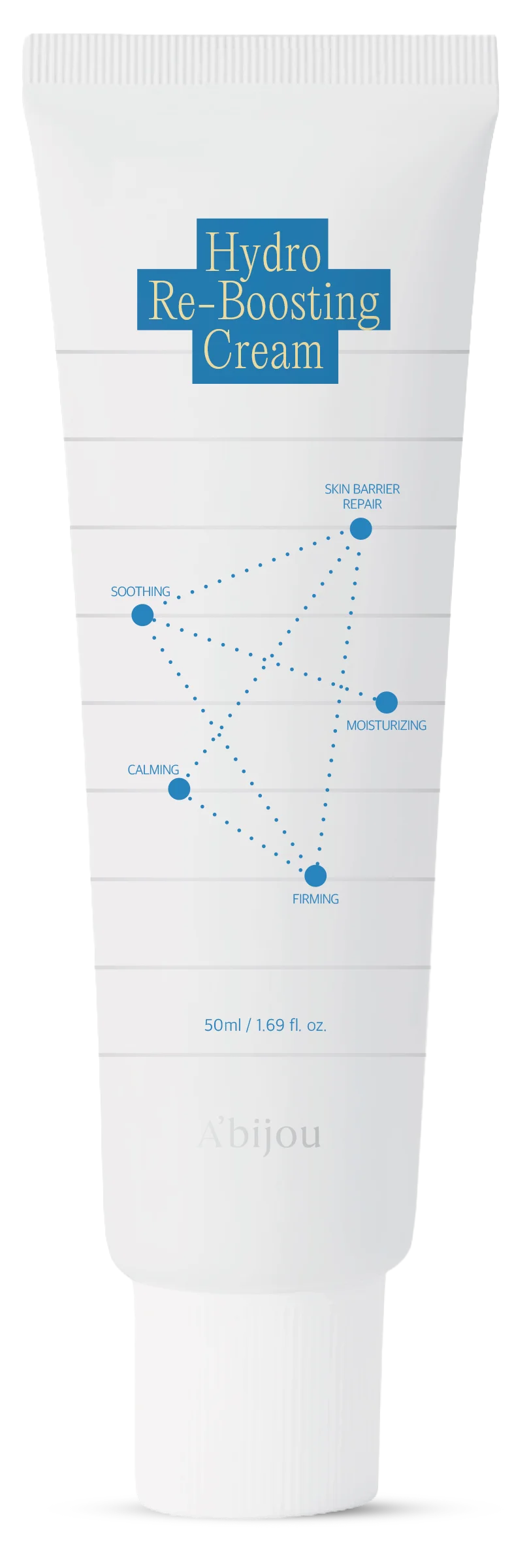 하이드로 리-부스팅 크림Buy
STEP 2 · 회복기 속보습
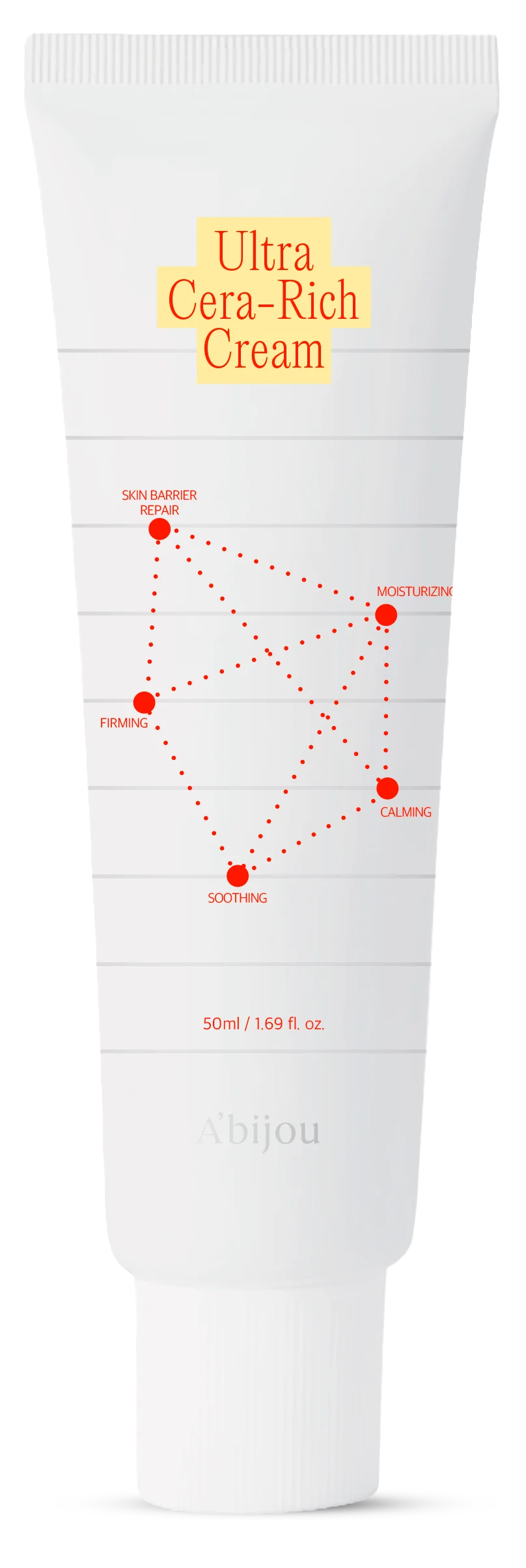 울트라 세라-리치 크림Buy
STEP 1 · 시술 직후 진정·장벽 케어