
Which Skin Type Suits 5 Types of Ceramides?
The 5 types of ceramides (NP, NS, AS, AP, EOP) have a composition similar to skin lipids, making them especially suitable for skin that feels dry and sensitive due to weakened barrier, skin experiencing tightness after procedures or irritation, and skin that becomes rough due to seasonal changes. The key is choosing different content and formulation ratios depending on skin condition and timing.
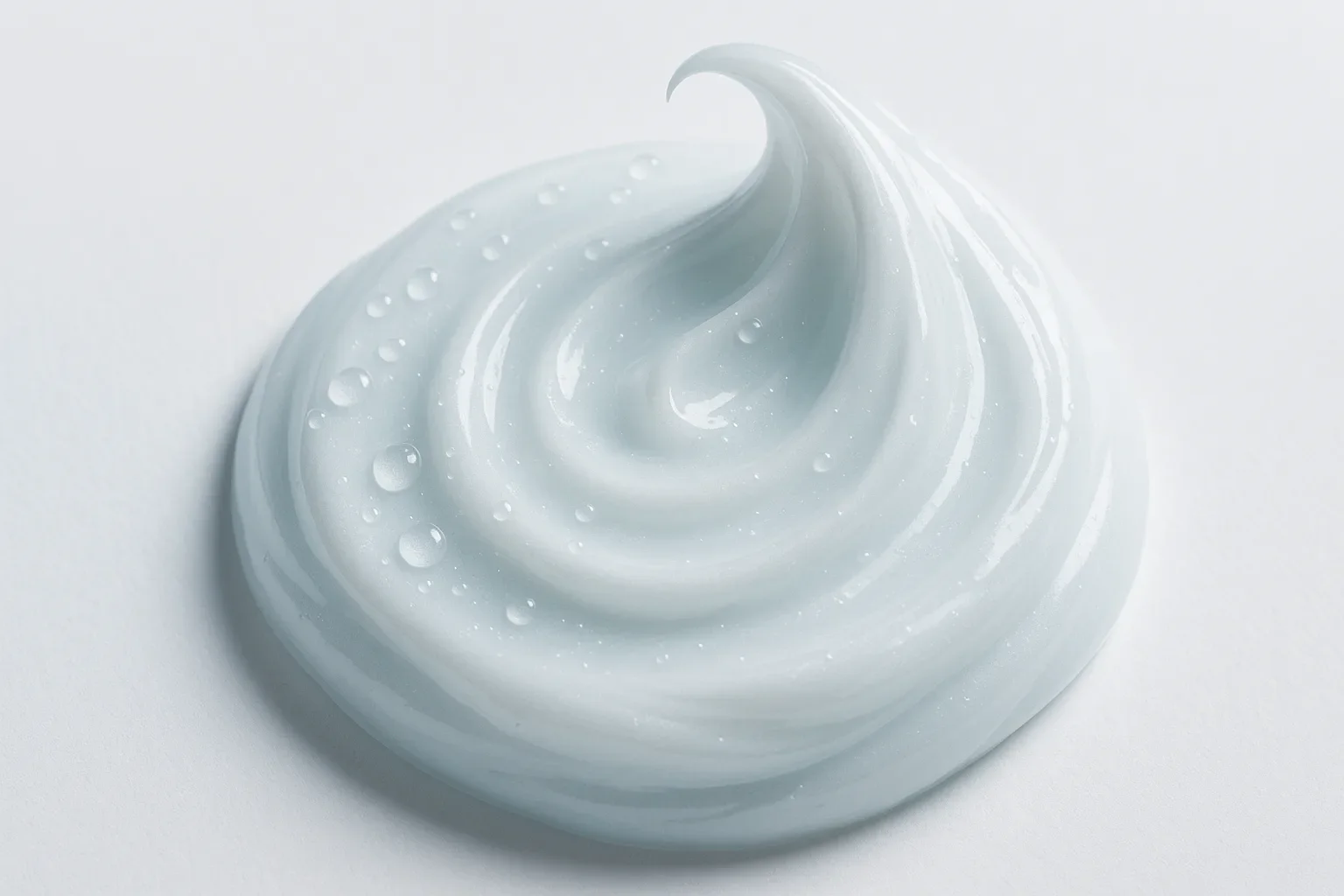
Ceramide is one of the lipid components that make up the skin's stratum corneum, helping to fill the spaces between cells so that moisture doesn't escape. The reason for using the 5 types together—NP, NS, AS, AP, EOP—is that this combination forms a ratio more similar to the skin's original lipid structure.
However, even with the same 5 types of ceramides, the perceived effect can vary depending on which skin type and timing they're used for. This article organizes which skin types and conditions suit the 5 types of ceramides well, and how to incorporate them into home care according to different periods.
- 1Right After IrritationRedness and heat, focus on soothing and barrier care
- 2Days 3-7Redness subsides, tightness and fine flaking begin
- 3After Day 7Transition to deep moisture and skin texture care
- 4Recovery StageSkin texture gradually returns to pre-irritation level
Why 'Composition Similar to Skin Lipids' Matters for the 5 Types of Ceramides
The skin barrier is compared to a brick and mortar structure. If corneocytes are the bricks, ceramides, cholesterol, and fatty acids act as the mortar filling the spaces between them. When this ratio is disrupted, moisture evaporates easily, creating an environment where external irritants can penetrate more easily.
Rather than including just one or two types of ceramide, combining all 5 types in a ratio close to the skin's natural composition, along with cholesterol and fatty acids, is commonly discussed in lipid physiology as being helpful for barrier care. This is why 'what types, in what ratio, combined with what' matters just as much as 'ceramide content.'
Skin conditions that suit 5 types of ceramides well
① Dry and sensitive skin with recurring tightness and flaking with each change of season — the barrier function is weakened, reducing its ability to retain moisture, so replenishing lipid components can be helpful.
② Skin that becomes sensitive right after a procedure or irritation — the stratum corneum may be temporarily thinned or loosened, making it more likely to react to external stimuli. During this period, it's good to consider soothing care together with barrier care.
③ Skin that stays dry inside even after applying a heavy cream — if the formulation only adds oil but doesn't match the skin's lipid composition, it may just sit on top without resolving the underlying tightness. In this case, how closely the lipid ratio resembles the skin's own composition matters more.
On the other hand, for oily skin with active sebum production and concerns about shine, ceramides themselves are not an issue, but it's better to choose a lighter formulation to avoid excessive oiliness.
Skin condition and care direction that change by stage
The process of the barrier weakening and then recovering usually goes through stages. Right after irritation, redness, heat, and stinging appear first; after this period passes, the redness subsides but a stage remains where tightness and fine flaking persist, which then gradually transitions into a recovery stage where the skin texture becomes smoother.
In the early stage, care focused on soothing and barrier protection may be more suitable, while in the later stage, care focused on deep hydration and texture refinement may be more fitting. In other words, even if the ingredient '5 types of ceramides' stays the same, it makes sense to use products step by step whose combined ingredients and concentration design differ depending on the stage.
Try dividing your home care by stage like this
Stage 1 (right after irritation or a procedure): During the period when redness and heat are felt, it's good to lightly apply a product formulated with a high proportion of soothing ingredients like panthenol and allantoin along with ceramides, as if covering the skin. The key is to layer it on gently without rubbing and let it absorb.
Stage 2 (after redness subsides): During the period when redness has decreased but tightness and flaking remain, switching to a product focused on moisturizing power and texture refinement, which helps fill moisture deep into the stratum corneum, can be helpful.
In both stages, the common basic approach is to tone the skin after cleansing, then layer on a ceramide-containing cream without irritation.
A 5-type ceramide cream tailored to each stage, ABJU
ABJU cream is composed of 2 steps tailored to these differences in skin condition by stage. It is designed so that 'Ultra Cera-Rich Cream' is used during the early stage when soothing and barrier care are needed, and 'Hydro Re-Boosting Cream' is used during the stage after redness subsides when deep hydration and texture care are needed. Both products focus on combining 5 types of ceramides (NP, NS, AS, AP, EOP) together with cholesterol and fatty acids to achieve a composition similar to the skin's own lipids.
Recovery after a procedure depends on home care
Even with the same 5 types of ceramides, it's important to choose the right product for the right time. ABIJU Cream is designed to be used according to changes in skin condition, divided into 'Ultra Cera-Rich Cream' for soothing and barrier care right after irritation, and 'Hydro Re-Boosting Cream' for deep moisturizing and skin texture care afterward.
물리적 자극으로 붉어진 피부 진정에 도움. 개인차가 있을 수 있습니다.
출처 P&K 피부임상연구센타 시험성적서 (PNK-26224-RI2R)
손상된 장벽이 손상 전 수준으로 회복되는 데 도움. 개인차가 있을 수 있습니다.
출처 P&K 피부임상연구센타 시험성적서 (PNK-26224-RI2R)
화학적 자극으로 붉어진 피부 진정에 도움. 개인차가 있을 수 있습니다.
출처 P&K 피부임상연구센타 시험성적서 (PNK-26223-RI1R)
피부결 정돈에 도움. 개인차가 있을 수 있습니다.
출처 P&K 피부임상연구센타 시험성적서 (PNK-26223-RI1R)
FAQ
- Is ceramide okay for oily skin too?
- Ceramide itself is an ingredient that can help with barrier care regardless of skin type. However, for oily skin, it's better to choose a formulation that feels less oily and absorbs lightly.
- Is higher ceramide content always better?
- Content matters, but how similar the ratio of the 5 types of ceramides and their combination with other lipid ingredients like cholesterol and fatty acids is to the skin's lipid composition can be even more important.
- How often should I apply ceramide cream?
- It depends on skin condition, but during periods when the barrier is weakened or recovering after irritation, it's recommended to use it consistently morning and night while observing skin response.
- Can it be used together with other moisturizing ingredients?
- Panthenol, allantoin, beta-glucan, and others are often formulated together with ceramide, complementing each other's different roles (soothing, irritation relief, moisture retention, etc.).
Related products
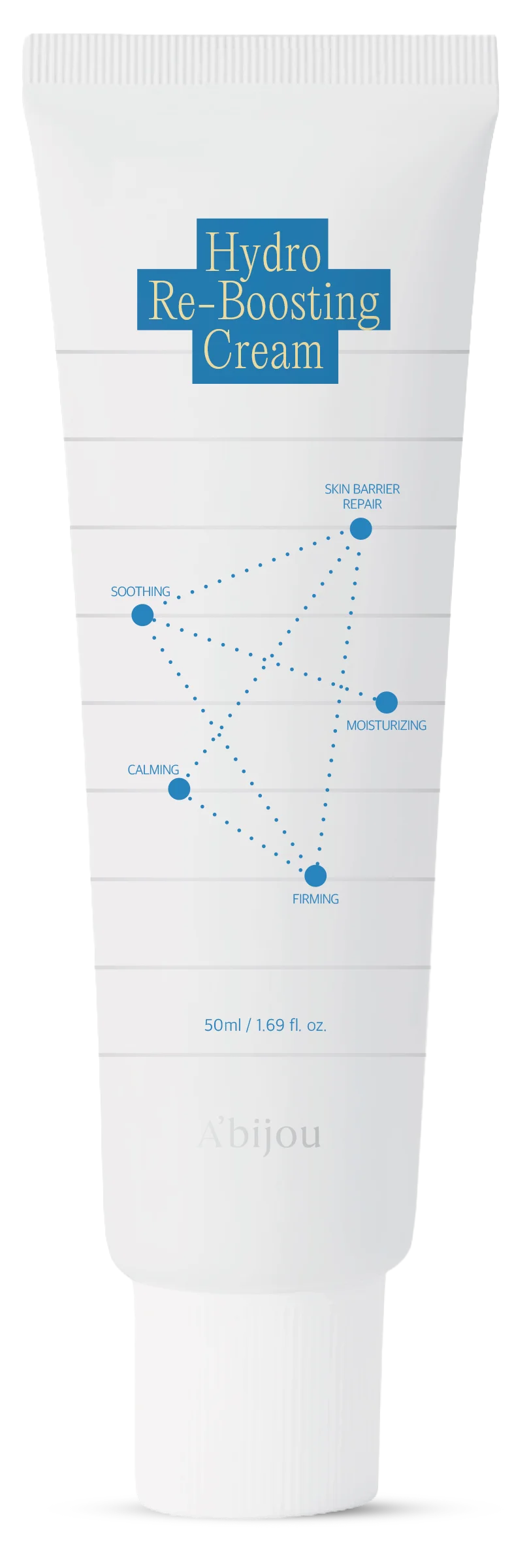 하이드로 리-부스팅 크림Buy
STEP 2 · 회복기 속보습
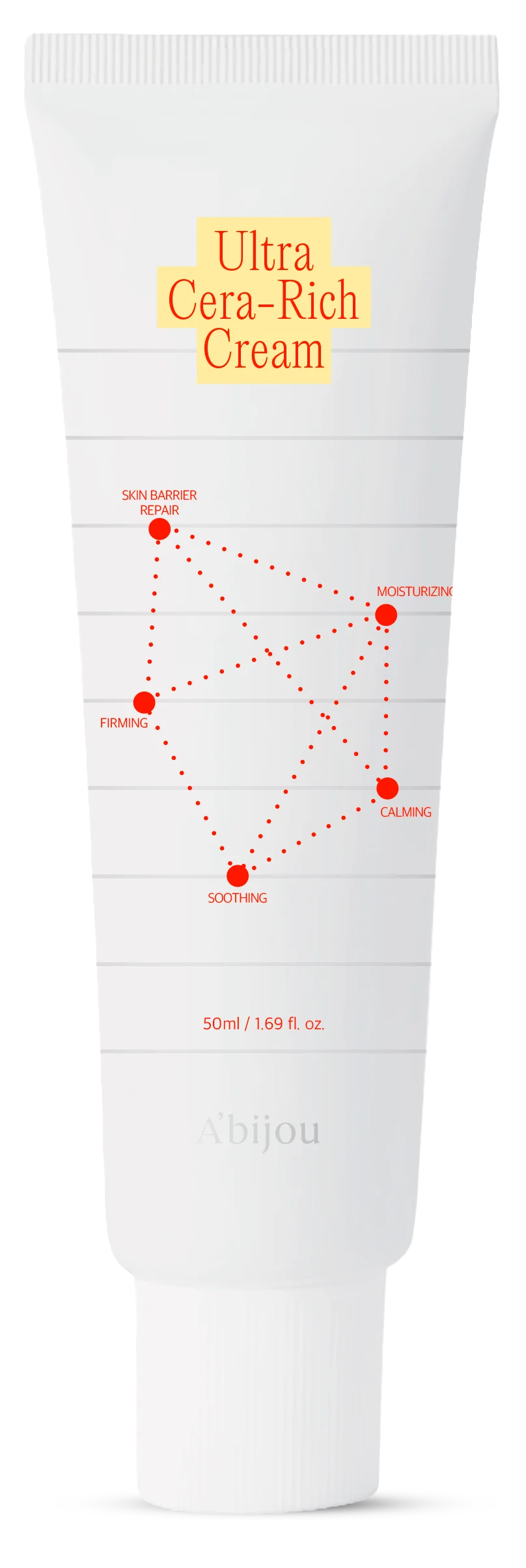 울트라 세라-리치 크림Buy
STEP 1 · 시술 직후 진정·장벽 케어