
Cheek Sagging Treatments: From Principles to Recovery Care
Cheek sagging refers to changes where reduced volume and elasticity in the cheek area cause tissue to descend under the influence of gravity. Ultrasound and radiofrequency lifting, as well as thread lifting, are used as methods to help support elasticity and lift tissue, but treatment choice and perceived results vary by individual, so a consultation with a specialist is necessary.
If you notice your cheek line seems to sag more than before whenever you look in the mirror, you might be experiencing cheek sagging. Cheek sagging is described as a phenomenon in which the fat layer and elastic tissue in the cheek area decrease, causing the tissue to descend under the influence of gravity.
This article outlines, in order, the background of cheek sagging, the principles behind treatments, the recovery process and downtime, and home care after treatment. Whether to undergo treatment and which method to choose can vary depending on individual skin condition, so a consultation with a specialist should come first.
Why Does Cheek Sagging Occur?
Cheek sagging is known to often occur as the fat layer and elastic tissue in the cheeks decrease, causing tissue to descend under the influence of gravity. As support in the dermis weakens with age, the cheeks can hollow and sag, a process that may also deepen the nasolabial folds.
Rapid weight changes are also mentioned as a factor that can affect cheek elasticity. However, the cause and degree of sagging vary from person to person, and in some cases cannot be explained by age or weight alone.
The Principles Behind Treatments for Cheek Sagging
Treatments aimed at improving cheek sagging are largely divided into ultrasound/radiofrequency lifting and thread lifting. Ultrasound-based lifting devices are described as working by using real-time ultrasound imaging to deliver focused energy to tissue at a specific depth. This energy is said to induce a thermal response in the tissue, followed by a gradual collagen remodeling process that produces changes over time.
However, the officially approved indications for these ultrasound-based devices, both in Korea and internationally, are limited to lifting and wrinkle improvement in the eyebrow, jawline, neck, and décolleté (upper chest) areas, and it's difficult to state definitively that 'cheek lifting' itself is an officially approved indication. In actual clinical practice, these devices are sometimes applied to the cheek area as well, but this is a decision made through individual clinical judgment and consultation.
Radiofrequency methods use thermal energy to help support elasticity in the dermis, while thread lifting uses dissolvable threads inserted into the tissue to physically lift sagging areas. If reduced elasticity is the main concern, ultrasound or radiofrequency lifting may be considered; if tissue sagging is more pronounced, thread lifting may be considered as an additional approach.
How Do the Recovery Process and Downtime Differ?
Ultrasound and radiofrequency lifting are known to show gradual changes over time rather than immediately after the procedure. The time it takes for collagen to remodel and for the resulting condition to stabilize varies significantly by individual, and specific figures related to this tend to rely more on guidance from individual clinics than official clinical data, so it's safer to confirm through a consultation.
Depending on the type of treatment, temporary reactions such as swelling or tingling may occur, and the timing for returning to daily activities can also vary depending on individual skin condition and the extent of treatment. With thread lifting, tightness or swelling may persist for several days depending on where the threads are inserted, making care during the recovery period an important consideration.
Recovery and Home Care After Treatment
After treatments aimed at improving cheek sagging, the skin barrier can become temporarily sensitive, so it's recommended to minimize irritation and focus on adequate moisturizing. In particular, right after lifting-type treatments, redness or a warm sensation may remain, so soothing-focused care is needed first, followed naturally by care that replenishes deep hydration as recovery progresses.
Avoiding excessive touching or strong massaging of the treated area, and reducing UV exposure, are basic guidelines frequently mentioned for recovery-period care. Specific care methods can vary depending on the type of treatment and individual skin condition, so it's best to follow the guidance provided by the clinic where you received treatment.
Home Care Can Make a Difference in Post-Treatment Recovery
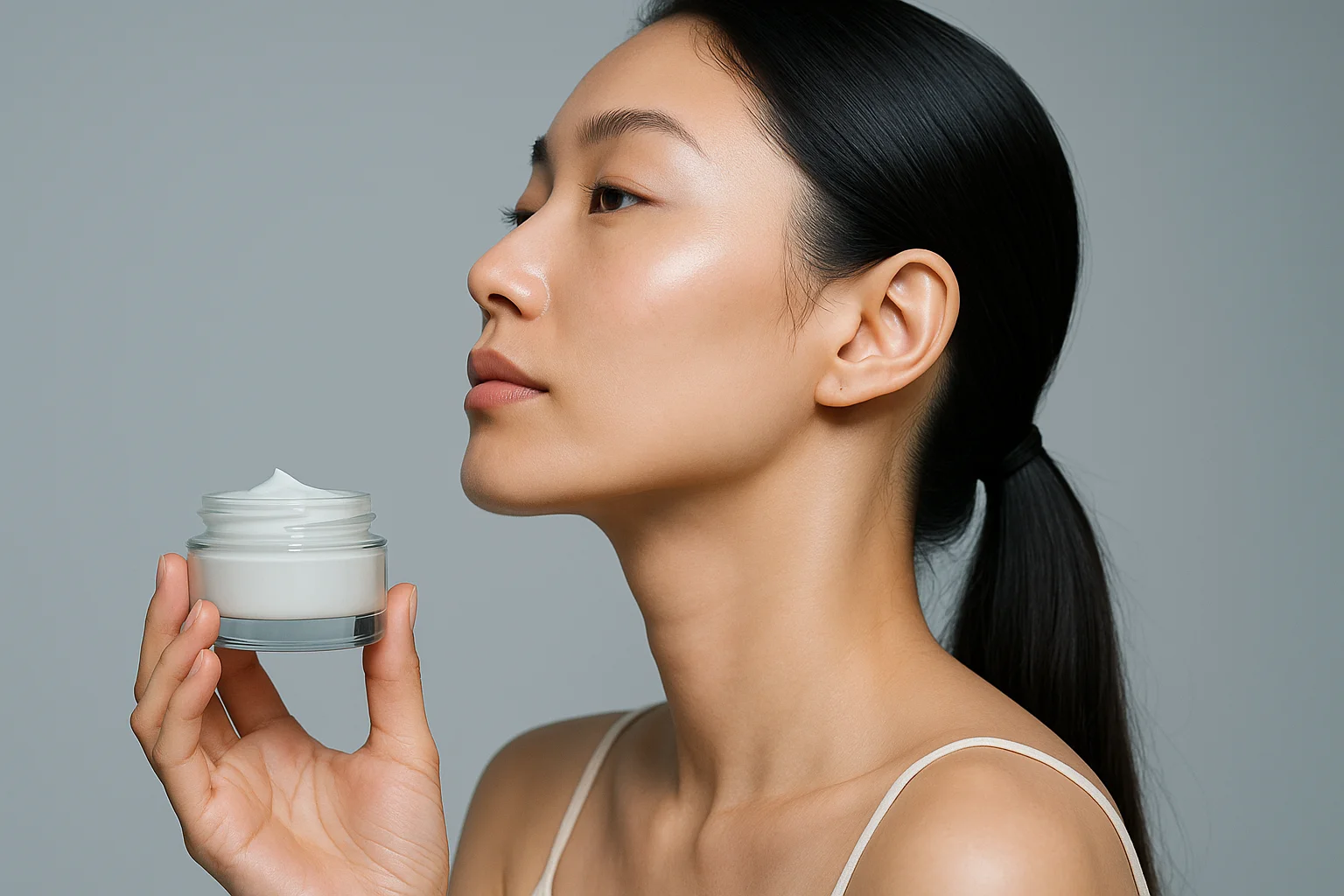
It's often advised that, since the skin is sensitive right after treatment, low-irritation soothing care should come first. In this context, the 2-step regimen of AbyZoo cream can be referenced: STEP 1, Ultra Cera-Rich, is formulated to help soothe redness and support the skin barrier right after treatment, while STEP 2, Hydro Re-Boosting, can be used during the subsequent recovery period to replenish deep hydration. However, this is simply one method of general skin soothing and moisturizing care, and the timing and method of use should be discussed with the treating physician based on the condition of the treated area.
FAQ
- Can cheek sagging be improved with treatment?
- Treatments aimed at supporting elasticity or lifting tissue are often used with the goal of improving cheek sagging. However, the degree of change can vary depending on the severity of sagging and individual skin condition, so this should be confirmed through a consultation.
- Which treatment should be considered first for cheek sagging?
- If stimulating elasticity is the goal, ultrasound or radiofrequency lifting is often considered first, and if sagging is more pronounced, thread lifting may also be considered alongside it. The approach can differ depending on whether the sagging is primarily an elasticity issue or a volume issue.
- Is there downtime after cheek sagging treatments?
- Depending on the type of treatment, temporary swelling or a tingling sensation may occur. Since the timing of returning to daily activities varies by individual, it's best to get specific guidance through a pre- and post-treatment consultation.
- How long do the effects of cheek sagging treatments last?
- The duration can vary depending on the type of treatment, individual skin condition, and lifestyle habits. It's common to check the condition after a certain period and adjust the care plan accordingly.
- When can I start using cosmetics after the treatment?
- The timing for resuming cosmetics use can vary depending on whether the treated area is irritated and how recovery is progressing. Choose products focused on soothing and moisturizing, and confirm the exact timing with the clinic where you received treatment for safety.
Medically reviewed by 아비쥬의원 의료진. (September 10, 2026)