
Cholesterol Content vs Composition: Which Matters More for the Skin Barrier?
For skin barrier care, what matters more than 'how much' cholesterol is included is 'how' ceramides, cholesterol, and fatty acids are combined in a ratio similar to that of the skin's stratum corneum. A composition design that closely resembles the actual skin lipid structure can be more helpful for barrier care than simply increasing a single ingredient's content. During periods when the barrier becomes sensitive, such as after a procedure, this compositional balance can especially affect how the skin feels.
When you see the phrase 'contains cholesterol' on a cosmetic ingredient list, it's easy to assume that a higher content is better. However, the stratum corneum that makes up the skin barrier is not composed of cholesterol alone. Three types of lipids—ceramides, cholesterol, and fatty acids—stack up in a certain ratio to form a brick-and-mortar-like structure, and if this balance is disrupted, you can't expect barrier care benefits no matter how high the cholesterol content is.
- 1Days 1-3Acute irritation reactions such as redness, heat, and stinging
- 2Days 4-7Acute reactions subside, and tightness and mild flaking begin
- 3After day 7The barrier gradually recovers to its pre-damage level, with individual variation
Why the 'composition ratio' matters more than 'content'
The lipids in the skin's stratum corneum form a lamellar structure in which ceramides, cholesterol, and fatty acids are layered in a specific ratio. This structure must be tightly packed to prevent moisture from escaping and to block the penetration of external irritants. Simply applying a large amount of cholesterol alone does not automatically fill this structure. The key point is that when all three lipids are supplied together in a ratio similar to the skin's actual lipid composition, they can help the lamellar structure fill in naturally.
In other words, rather than checking whether cholesterol is listed high in the ingredient list, it may be more practical to look at whether ceramides, cholesterol, and fatty acids are blended together in a balanced ratio when choosing a barrier care product.
Changes that appear over time when the barrier is compromised
In the early stage (days 1–3) when barrier function weakens, irritation reactions such as redness, burning, and stinging tend to stand out first. During this period, the skin is similar to being exposed to external stimuli without a protective barrier, so it can react sensitively even to cleansing or light friction.
After about 4–7 days, the acute irritation reaction subsides, but in many cases dryness symptoms such as tightness, fine flaking, and roughness appear instead. This is because the barrier structure has not yet fully recovered, so its ability to retain moisture remains weak.
The time it takes for the barrier to recover to its pre-damage level varies widely depending on individual skin condition and the intensity of the irritation. During this period, consistently supplying well-formulated lipid ingredients can be helpful.
Try approaching home care differently depending on the stage
During the acute stage of days 1–3, minimizing irritation is the priority. Apply products by patting rather than rubbing, and after cleansing, it's best to apply a cream that can act as a protective layer as quickly as possible, in a thin yet ample layer.
During the stage after day 4 when tightness begins, it's necessary to shift toward strengthening hydration. Using ingredients that fill moisture deep into the stratum corneum alongside lipid ingredients that still support barrier care can help improve how the skin feels.
Since the direction of care needed changes depending on the stage, using products with different formulations for each step, rather than relying on a single cream, may align more naturally with the flow of barrier recovery.
Recovery after procedures depends on home care
For this reason, the ZXQMAGAZINETERM Abzu ZXQ cream focuses on designing 5 types of ceramides, cholesterol, and fatty acids in a ratio similar to the skin's own lipids, rather than emphasizing cholesterol content itself. During the initial 1–3 days, such as right after a procedure when redness and warmth are prominent, the Ultra Cera-Rich Cream (STEP1) is designed to help, while from day 4 onward, when acute irritation has subsided but tightness and dryness remain, the Hydro Re-Boosting Cream (STEP2) is designed to support barrier and moisture care suited to each stage of the skin's condition.
물리적 자극으로 손상된 장벽이 손상 전 수준으로 회복되는 데 도움. 개인차가 있을 수 있습니다.
출처 P&K 피부임상연구센타 시험성적서 (PNK-26224-RI2R)
손상된 장벽이 손상 전 수준으로 회복되는 데 도움. 개인차가 있을 수 있습니다.
출처 P&K 피부임상연구센타 시험성적서 (PNK-26224-RI2R)
손상된 장벽이 손상 전 수준으로 회복되는 데 도움. 개인차가 있을 수 있습니다.
출처 P&K 피부임상연구센타 시험성적서 (PNK-26223-RI1R)
피부 각질층 속 수분 케어에 도움. 개인차가 있을 수 있습니다.
출처 P&K 피부임상연구센타 시험성적서 (PNK-26223-RI1R)
FAQ
- Is a cream with a high cholesterol content always better for the barrier?
- Not necessarily. Since the lipid structure of the stratum corneum functions properly only when ceramides, cholesterol, and fatty acids are present together in balance, checking the composition ratio of all three ingredients together can be a more meaningful standard than looking at cholesterol content alone.
- What is the ideal ratio of ceramides, cholesterol, and fatty acids?
- It is known that products formulated with a ratio similar to the lipid composition of the skin's stratum corneum can help with barrier care. It can be helpful to check whether all three ingredients are listed near the top of the ingredient list together.
- How many days does it take for the barrier to recover once it's weakened?
- This varies greatly depending on the degree of irritation and individual skin condition, but generally redness and irritation tend to appear in the first 1 to 3 days, followed by tightness and dryness from around day 4 to 7. Adjusting your care approach along this recovery timeline can be helpful.
- Can barrier care creams be used even without having had a procedure?
- Yes, creams formulated with a ceramide, cholesterol, and fatty acid composition can also be used for everyday barrier care when the barrier feels weakened due to seasonal changes, dryness, or frequent exfoliation.
Related products
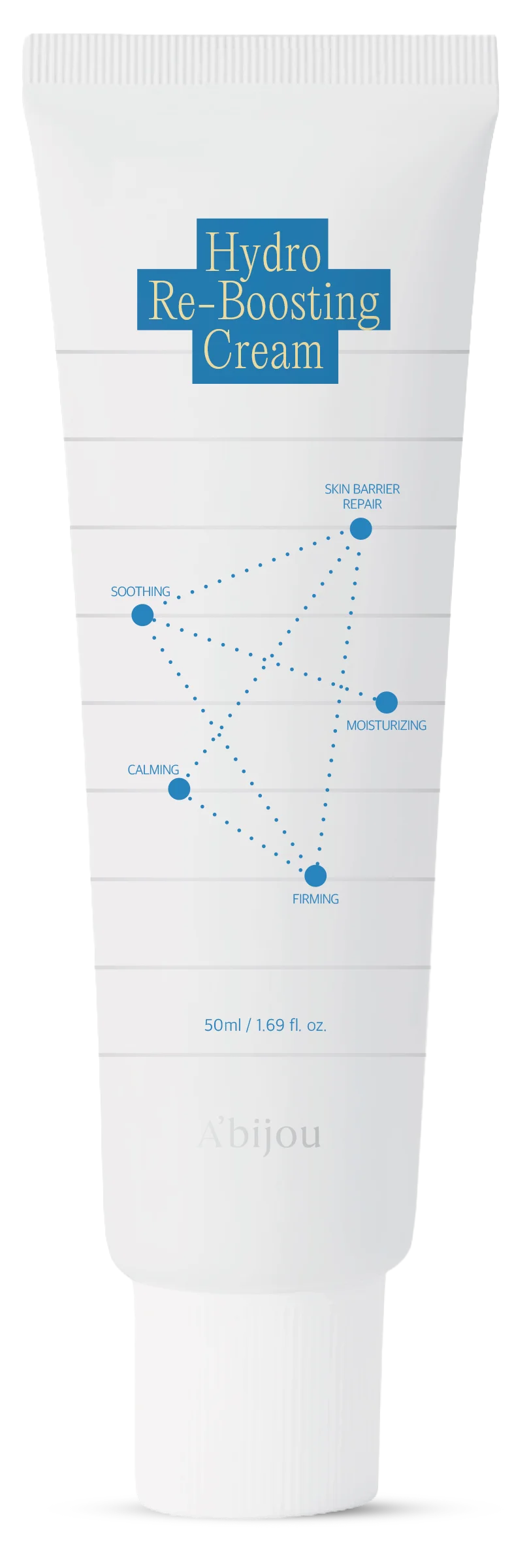 하이드로 리-부스팅 크림Buy
STEP 2 · 회복기 속보습
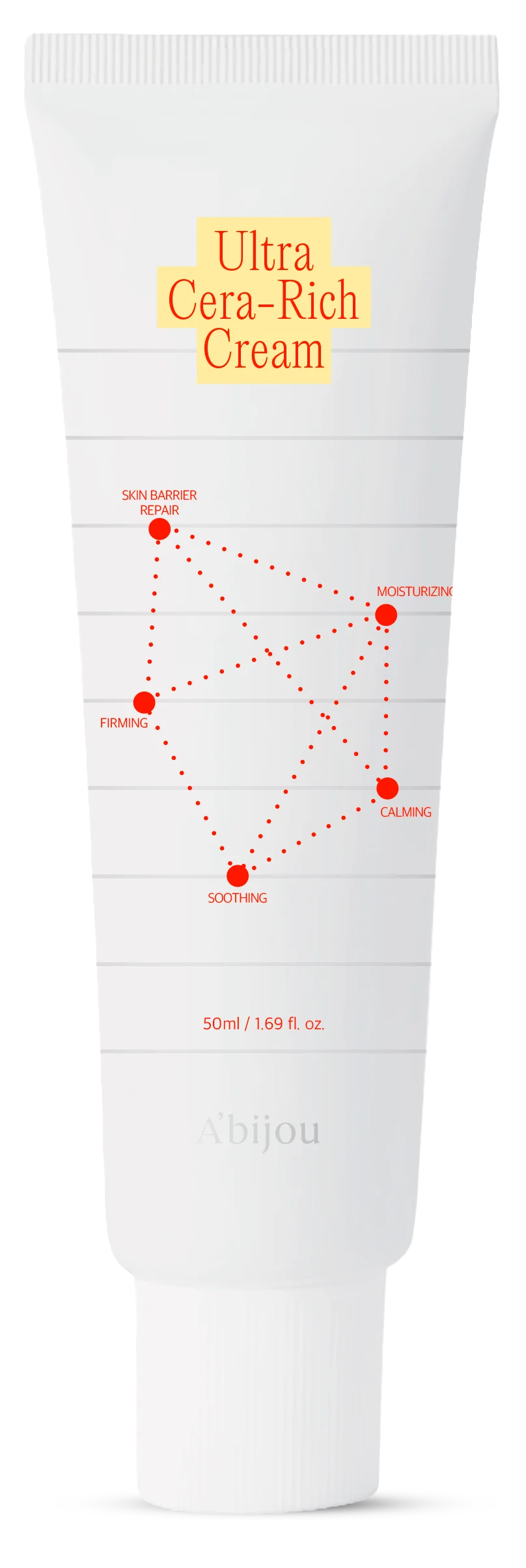 울트라 세라-리치 크림Buy
STEP 1 · 시술 직후 진정·장벽 케어