
The Principle and Effects of Cholesterol: Why Is It Important for the Skin Barrier?
Cholesterol, together with ceramides and fatty acids, is a key component forming the lipid membrane of the skin's stratum corneum, helping prevent moisture loss and creating a barrier structure that protects the skin from external irritants. As skin ages or becomes sensitive after procedures or stimulation, this lipid balance can easily become disrupted. Care that replenishes ceramides, cholesterol, and fatty acids in an appropriate ratio can help restore the barrier. This article summarizes the role cholesterol plays in the skin and how to manage it at different stages.
What Role Does Cholesterol Play in the Skin?
When people think of cholesterol, they tend to think first of vascular health, but cholesterol is also present in the skin's stratum corneum and plays an important role there. The outermost layer of the skin, the stratum corneum, has a structure in which three lipids—ceramides, cholesterol, and fatty acids—fill the spaces between skin cells like cement between bricks.
These three lipids are known to form the most stable barrier structure when present in a certain ratio. Among them, cholesterol helps maintain the flexibility and stability of the lipid membrane between ceramides and fatty acids, helping to hold in moisture and block the penetration of external irritants, thereby supporting the skin's protective barrier function.
In other words, it is more accurate to understand that cholesterol does not act alone, but rather helps maintain the skin's natural barrier function when balanced together with ceramides and fatty acids.
Signs That Appear When the Barrier Breaks Down
As lipid balance in the stratum corneum is disrupted by various factors such as aging, UV exposure, dry environments, frequent cleansing, or laser and lifting procedures, the skin loses its ability to retain moisture. This can lead to tightness, flakiness, fine scaling, and increased redness or sensitivity to even minor stimuli.
Especially right after a procedure, subtle surface damage combined with a temporarily weakened lipid membrane often results in noticeable redness, warmth, and stinging. During this period, the skin can be likened to a brick wall missing its mortar—its tightness is compromised, requiring more careful attention than usual.
Recovery Timeline — How the Barrier Heals
Barrier recovery tends to progress in stages rather than happening overnight. In the first 1–3 days after a procedure or irritation, redness, warmth, and sensitivity are most pronounced, making it important to minimize stimulation and focus on gentle, soothing care.
From day 4 onward, as redness subsides somewhat, tightness, dryness, and fine flaking often become more noticeable instead. This can be seen as a stage where acute surface irritation has decreased but lipid membrane restructuring is still underway, so shifting the focus from soothing to deep hydration and texture care can be helpful during this period.
Step-by-Step Home Care — How to Replenish Lipid Balance
During the early stage when redness and warmth are prominent, it's best to gently pat products in after cleansing rather than rubbing, to avoid additional irritation. Since friction from rubbing can burden sensitized skin, applying a generous layer and letting it absorb naturally is recommended.
Once redness has calmed and tightness sets in, it's better to shift from lightweight formulas to moisturizing care that can deeply replenish the stratum corneum. Products formulated with ceramides, cholesterol, and fatty acids in a ratio similar to the skin's own lipids can help support barrier care.
Even in everyday situations, if the barrier feels weakened due to seasonal changes, dryness, or frequent exfoliation, consistently maintaining lipid-replenishing care—even on days without irritation—can be a good habit to keep.
Post-Procedure Recovery Depends on Home Care
Based on these principles of lipid balance, ZXQMAGAZINETERM001ZXQ Cream is designed in two stages tailored to the post-procedure recovery period. For the first 1–3 days after a procedure, when redness and warmth are most noticeable, the 'Ultra Cera-Rich Cream'—formulated with ceramides, cholesterol, and fatty acids in a composition similar to skin lipids—is recommended. From day 4 onward, once redness subsides and tightness is felt, the 'Hydro Re-Boosting Cream,' containing panthenol and ceramides with a focus on deep hydration and texture care, can be a good follow-up choice.
물리적 자극으로 손상된 장벽이 손상 전 수준으로 회복되는 데 도움. 개인차가 있을 수 있습니다.
출처 P&K 피부임상연구센타 시험성적서 (PNK-26224-RI2R)
손상된 장벽이 손상 전 수준으로 회복되는 데 도움. 개인차가 있을 수 있습니다.
출처 P&K 피부임상연구센타 시험성적서 (PNK-26223-RI1R)
피부 각질층 속 수분 케어에 도움. 개인차가 있을 수 있습니다.
출처 P&K 피부임상연구센타 시험성적서 (PNK-26223-RI1R)
FAQ
- Are cosmetics containing cholesterol safe for the skin?
- Cholesterol used in cosmetics is widely utilized as an ingredient that helps with barrier care, typically formulated together with ceramides and fatty acids in ratios similar to the skin's natural lipids. However, since the formulation ratio and overall ingredients vary by product, it's best to check the full ingredient list and choose according to your skin condition.
- Isn't ceramide alone enough? Is cholesterol really necessary?
- Ceramides, cholesterol, and fatty acids are lipids that work together in the stratum corneum, so replenishing only one of them is unlikely to fully help restore the barrier structure. Using a product that contains all three components in a balanced composition can be more advantageous for barrier care.
- How many days after a procedure should I start paying attention to moisturizing care?
- This varies by individual, but generally the first 1-3 days right after a procedure should focus on calming redness and heat, while from around day 4 onward, tightness and dryness tend to appear, so it can help to pay more attention to deep moisturizing care from that point on.
- I have oily skin—can I still use creams with cholesterol and ceramide ingredients?
- Even oily skin can become more prone to inner dryness and irritation when the lipid balance of the stratum corneum is disrupted. Choosing a lightweight, fast-absorbing formula allows even oily skin to benefit from barrier-care ingredients without feeling heavy.
Related products
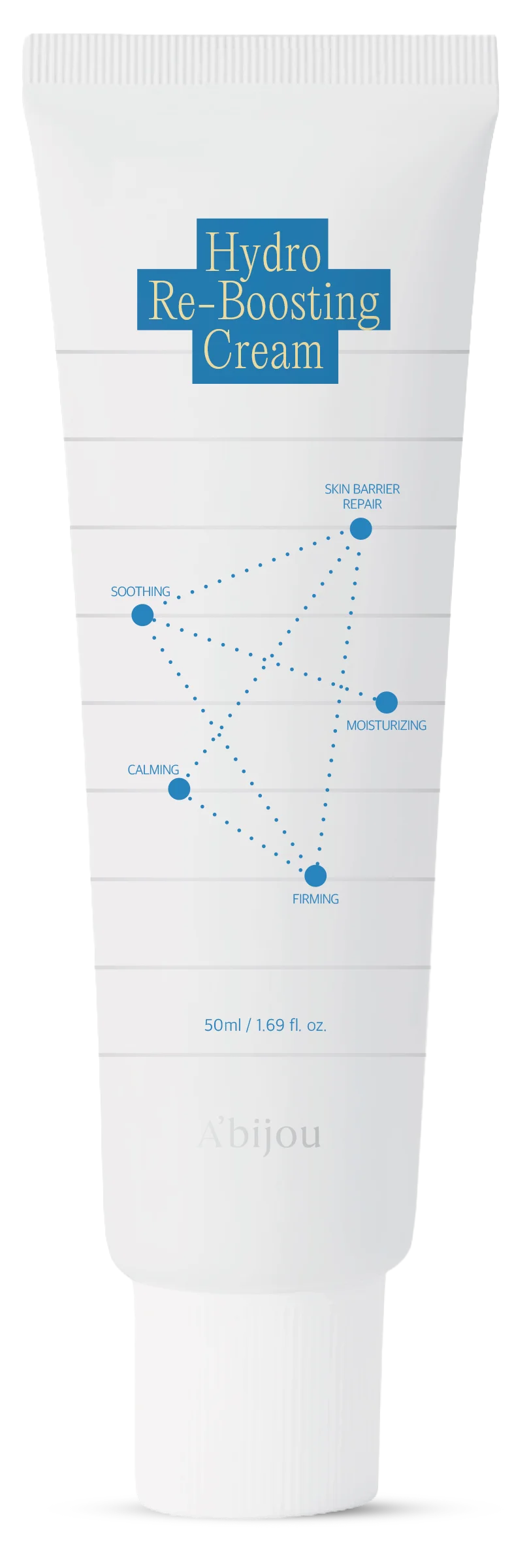 하이드로 리-부스팅 크림Buy
STEP 2 · 회복기 속보습
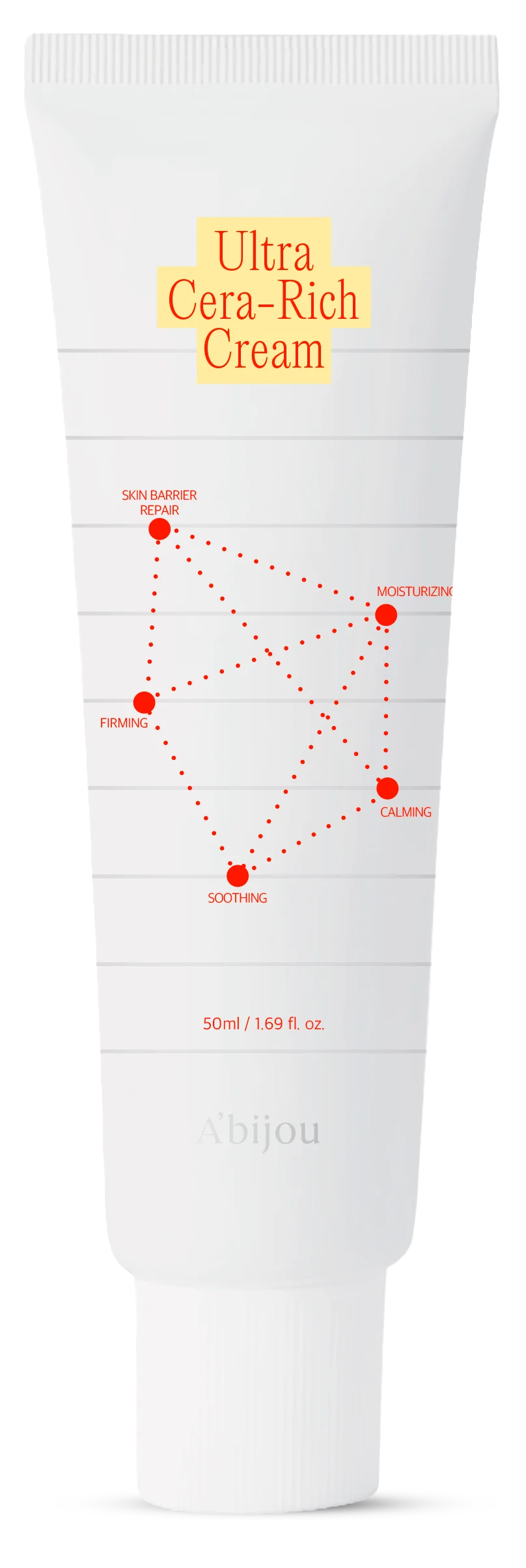 울트라 세라-리치 크림Buy
STEP 1 · 시술 직후 진정·장벽 케어