
How to Choose Cholesterol Based on Cosmetic Ingredient Labels
The skin barrier is known to form its healthiest lipid membrane structure when ceramides, cholesterol, and fatty acids are combined in a ratio of about 3:1:1. Rather than a product with a high amount of cholesterol alone, the real criterion for selection is whether it is balanced with ceramides and fatty acids. Even if cholesterol appears near the top of the ingredient list, if ceramides and fatty acids aren't included together, you can't expect much barrier-care effect.
When looking at cosmetic ingredient labels, the phrase 'contains cholesterol' often catches the eye. While it's common knowledge that cholesterol is good for the skin barrier, it can be confusing to know exactly what criteria to use when choosing.
To cut to the conclusion, cholesterol isn't an ingredient that should be judged as a 'standalone spec.' Understanding the lipid structure of the skin's stratum corneum makes it easy to see why.
The Role of Cholesterol in the Skin Barrier
The skin's stratum corneum is often compared to bricks (corneocytes) and mortar (intercellular lipids). This mortar-like intercellular lipid is composed of ceramides, cholesterol, and fatty acids layered together in a certain ratio.
Among these, cholesterol is known to be involved in maintaining the flexibility and stability of the lipid layer. If ceramides form the framework of the lipid layer, cholesterol is closer to helping that structure withstand temperature changes without breaking down.
The problem is that simply adding a lot of cholesterol doesn't strengthen the skin barrier. Studies suggest that if the ratio of the three ingredients is off, the lipid layer structure can actually become unstable, making 'balance' the key concept.
What to check when choosing cholesterol from the ingredient list
First, check whether cholesterol is listed alone or combined with ceramides and fatty acids. All three ingredients need to be present together in a product to approximate the composition of skin lipids.
Second, it's also good to look at the types of ceramides included. If multiple types such as Ceramide NP, NS, AS, AP, and EOP are combined together, this can be seen as a design that responds more broadly to the multilayered structure of the skin's stratum corneum.
Third, if an ingredient is listed too far down in the full ingredient list, keep in mind that its actual content may be low. Just because an ingredient name appears doesn't guarantee a meaningful amount.
Fourth, rather than relying on marketing phrases like 'high concentration,' it's more helpful for actual usage feel and care purposes to check the mixing ratio along with the presence of moisturizing and soothing ingredients (such as panthenol and allantoin).
Signs of a weakened barrier and how they unfold over time
When the barrier is damaged, tightness and fine flaking often appear early on, followed by redness and sensitivity. This pattern can be especially pronounced after procedures or strong stimulation.
In the first 1 to 3 days right after irritation, redness and a warm sensation tend to stand out, so it's important to focus on soothing and barrier protection. From day 4 onward, redness usually subsides but inner tightness and dryness often persist, so it's natural to shift toward moisture-focused care during this period.
Try dividing your home care into stages like this
Step 1 (1–3 days right after irritation or a procedure): Apply a cream formulated with ceramides, panthenol, and allantoin generously without rubbing, focusing on areas with redness and warmth, and let it absorb.
Step 2 (recovery period from day 4 onward): If redness has subsided but inner tightness remains, switch to a moisture-focused cream designed with a high concentration of panthenol and five types of ceramides to deeply hydrate the stratum corneum.
Since these two periods require different care priorities, dividing your routine into stages according to timing may be more effective than trying to address everything with a single product from start to finish.
Home care makes a difference in post-procedure recovery
Based on this stage-by-stage approach, the ZXQMAGAZINETERM Aviju Cream ZXQ was designed with a 2-STEP system. For the first 1–3 days right after irritation, the Ultra Cera-Rich Cream, formulated with five types of ceramides along with cholesterol and fatty acids, focuses on soothing redness and caring for the barrier. From day 4 onward, when inner tightness remains, the Hydro Re-Boosting Cream, containing 30,000ppm panthenol, continues with moisture-focused care. Both products have been tested and classified as non-irritating in human skin primary irritation tests, though individual results may vary.
물리적 자극으로 손상된 장벽이 손상 전 수준으로 회복되는 데 도움. 개인차가 있을 수 있습니다.
출처 P&K 피부임상연구센타 시험성적서 (PNK-26224-RI2R)
손상된 장벽이 손상 전 수준으로 회복되는 데 도움. 개인차가 있을 수 있습니다.
출처 P&K 피부임상연구센타 시험성적서 (PNK-26223-RI1R)
사용 24시간 후에도 보습 수치 유지에 도움. 개인차가 있을 수 있습니다.
출처 P&K 피부임상연구센타 시험성적서 (PNK-26223-RI1R)
FAQ
- Is a product with a higher cholesterol content always better?
- Not necessarily. Cholesterol is known to approach a composition similar to skin lipids when present in a certain ratio alongside ceramides and fatty acids. A high cholesterol content alone doesn't necessarily mean a greater barrier-care effect, so it's important to check whether all three ingredients are combined together.
- Between ceramides and cholesterol, which ingredient should I prioritize?
- Rather than prioritizing one over the other, what matters more is whether they are formulated together. Ceramides are known to form the structure of the lipid layer, while cholesterol is known to help maintain its flexibility, so it's helpful to choose a product that contains both alongside fatty acids.
- When should I switch barrier-care products after a procedure?
- Generally, it's natural to focus on soothing and barrier-protecting products for the first 1 to 3 days right after irritation or a procedure, then switch to moisture-focused products from around day 4, once redness has subsided but tightness remains. However, recovery speed can vary from person to person.
- Why does the position of cholesterol on the full ingredient list matter?
- Since full ingredient lists are generally arranged in order of highest to lowest content, if cholesterol appears near the end of the list, its actual content may be low. Rather than just checking whether an ingredient name exists, it's better to look at its listed order along with the other ingredients it's combined with.
Related products
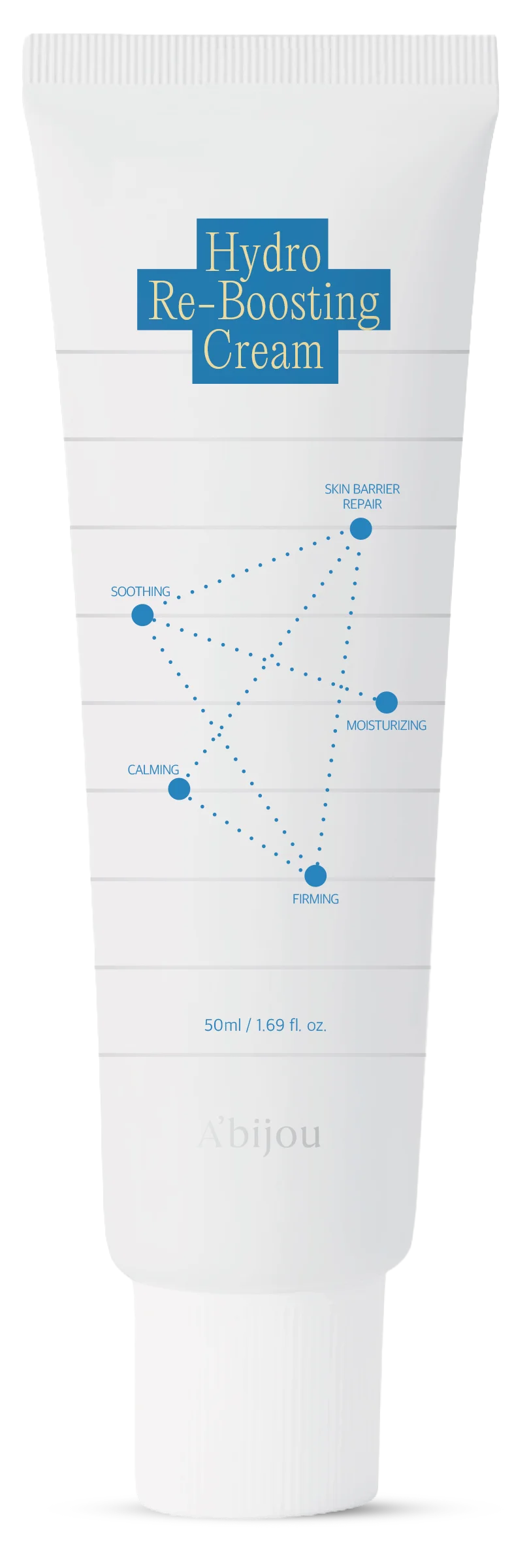 하이드로 리-부스팅 크림Buy
STEP 2 · 회복기 속보습
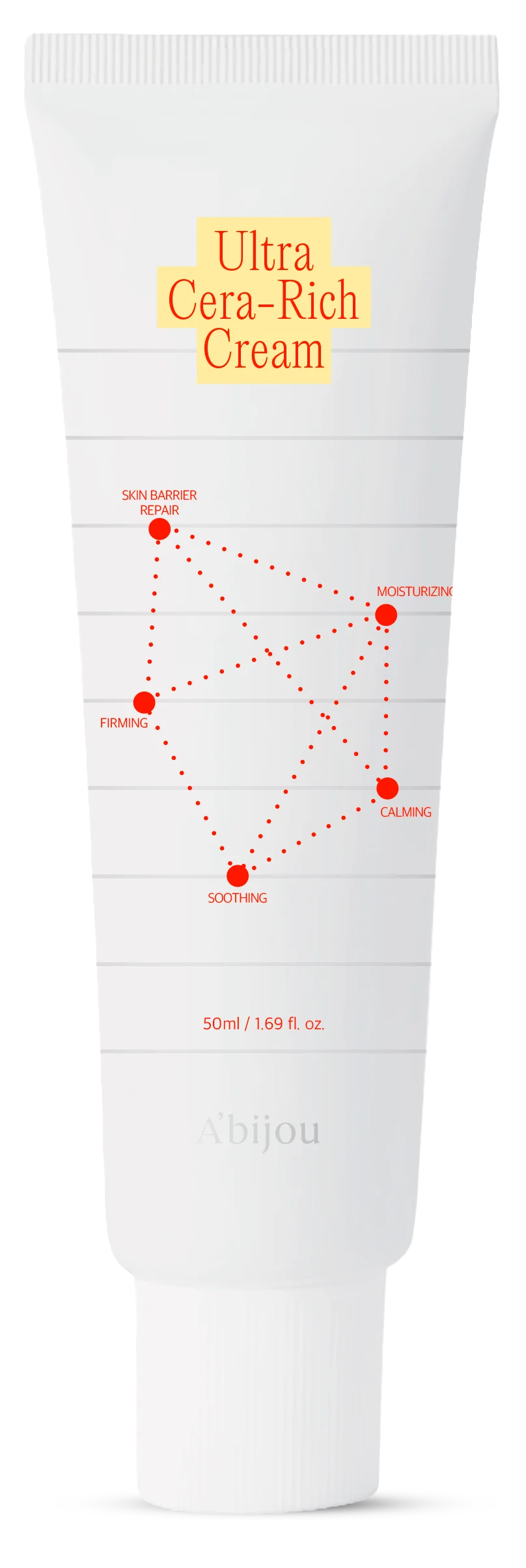 울트라 세라-리치 크림Buy
STEP 1 · 시술 직후 진정·장벽 케어