
Which Skin Type Suits Cholesterol? A Complete Guide to Its Properties and Uses
Cholesterol is not an ingredient suited to only certain skin types—together with ceramides and fatty acids, it forms the skin's surface lipid layer and supports barrier care as a fundamental component. It can be especially helpful for dry skin, skin that has become sensitive to irritation, or skin with a weakened barrier after procedures, and its role becomes more apparent when used alongside ceramides and fatty acids.
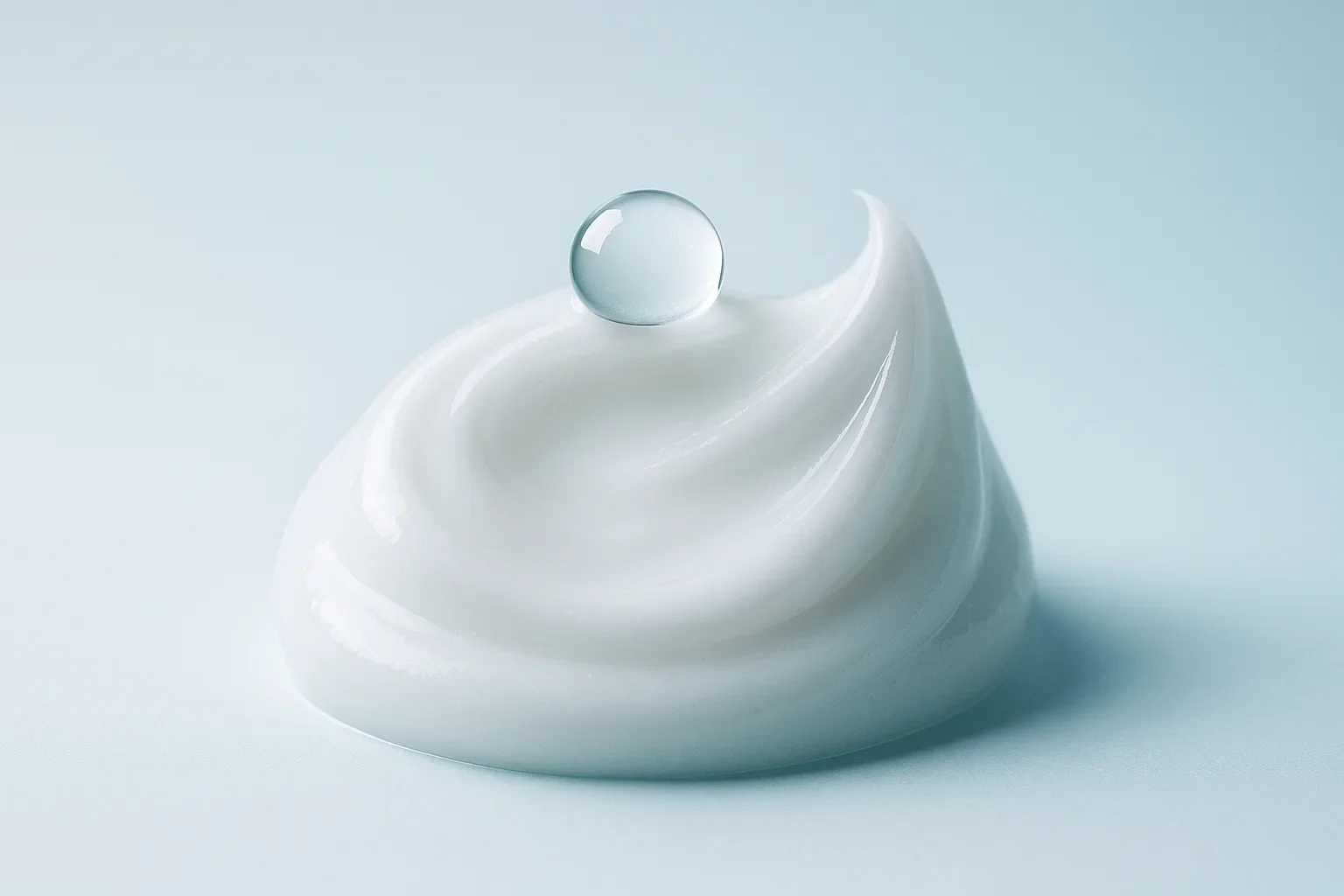
"Wouldn't cosmetics containing cholesterol not suit oily skin?" Many people have this misconception. However, the cholesterol used in cosmetics has a structure very similar to the lipid components already present in our skin's stratum corneum, so rather than skin type, whether the barrier is in a "weakened state" or not becomes a more important criterion.
- 11-3 days right after irritationFocus on calming redness/heat and forming a protective layer
- 2From day 4 onwardCare for tightness and flaking, replenish deep hydration
- 3EverydayMaintain barrier condition with ceramide, cholesterol, and fatty acids
What Role Does Cholesterol Play?
The skin's stratum corneum forms a tightly packed layer, like cement between bricks, made up of three lipids—ceramide, cholesterol, and fatty acids—intertwined in a specific ratio. When this structure remains intact, less moisture escapes and external irritants penetrate less easily.
Among these, cholesterol is a component involved in maintaining the flexibility and stability of the lipid layer together with ceramide. Rather than acting alone, when it is balanced together with ceramide and fatty acids, it can form a composition similar to the skin's natural lipids and help with barrier care.
In other words, rather than being an ingredient exclusive to a specific skin type, cholesterol is more accurately understood as a component needed for skin whose barrier has become thin or weakened.
Skin types that may want to consider cholesterol-formulated products
Skin that stays persistently dry with flaking, or feels tight after cleansing, may have a thinned lipid layer, making it a good match for moisturizing products containing cholesterol.
Similarly, in situations where the skin barrier is temporarily weakened—such as right after lifting procedures or skin booster treatments—or in skin made sensitive by seasonal changes or frequent exfoliation, a combination of ceramide, cholesterol, and fatty acids can help form a protective moisture film that shields skin from irritation.
Conversely, even skin with a stable oil-water balance continuously uses up lipid components, so whether a cholesterol-formulated product suits it isn't really a matter of 'not fitting oily skin,' but rather how lightly it has been formulated.
Skin condition and care points that change over time
The first 1–3 days right after a procedure are when redness, heat, and slight irritation remain, making the barrier at its most sensitive. During this period, priority should go to care that minimizes irritation while covering the surface with lipid ingredients.
From day 4 onward, as redness subsides, tightness and flaking within the skin start to become more noticeable. At this point, it's natural to shift the care stage toward replenishing deep moisture alongside barrier recovery.
The same approach applies to general dry or seasonal-change skin: focusing on soothing and protection right after irritation, then shifting to moisture replenishment afterward, helps manage overall skin condition.
Divide your home care into stages like this
Stage 1 (immediately after irritation to day 3): After cleansing and toning, apply a cream formulated with ceramide, cholesterol, and fatty acids together in a thick layer without rubbing, letting it absorb. Areas with redness or heat are best patted gently to help absorption.
Stage 2 (from day 4 onward): Once redness has subsided and inner tightness is felt, switch to a richer, more moisturizing product to shift care toward replenishing moisture deep within the stratum corneum. Layering extra product over flaking areas can help.
In general, avoiding hot water cleansing, excessive exfoliation, and high-alcohol products, while maintaining sun protection, forms the basic foundation for keeping the barrier in good condition.
The ceramide-cholesterol-fatty acid formulation design of ZXQMAGAZINETERM-AB-Zju CreamZXQ
ZXQMAGAZINETERM-AB-Zju CreamZXQ is composed of two stages aligned with the post-procedure recovery flow. For the first 1–3 days right after a procedure, ZXQMAGAZINETERM-Ultra Cera-Rich Cream (clinical name Ultra Cera-VjuZXQ), which combines 5 types of ceramide, cholesterol, and fatty acids in a ratio similar to the skin's own lipids, helps with redness and irritation care. From day 4 onward, when inner tightness is felt, care continues with ZXQMAGAZINETERM-Hydro Re-Boosting Cream (clinical name Hydro Renew-VjuZXQ) for deep moisture and skin texture care within the stratum corneum. Both products are based on a ceramide-cholesterol-fatty acid composition, but the formulation balance has been designed differently to match the skin condition at each stage.
Post-procedure recovery depends on home care
The skin barrier isn't restored by cholesterol alone; it tends to function properly when balanced together with ceramides and fatty acids. Designed according to this lipid composition principle to be used differently depending on the stage, ABIB's two cream lineup allows you to choose the step that fits your skin condition and timing.
물리적 자극으로 붉어진 피부의 붉은기 진정에 도움. 개인차가 있을 수 있습니다.
출처 P&K 피부임상연구센타 시험성적서 (PNK-26224-RI2R)
물리적 자극으로 손상된 장벽이 손상 전 수준으로 회복되는 데 도움. 개인차가 있을 수 있습니다.
출처 P&K 피부임상연구센타 시험성적서 (PNK-26224-RI2R)
손상된 장벽이 손상 전 수준으로 회복되는 데 도움. 개인차가 있을 수 있습니다.
출처 P&K 피부임상연구센타 시험성적서 (PNK-26223-RI1R)
피부 각질층 속 수분 케어에 도움. 개인차가 있을 수 있습니다.
출처 P&K 피부임상연구센타 시험성적서 (PNK-26223-RI1R)
FAQ
- Can cholesterol ingredients be used on oily skin too?
- Cholesterol itself is not an ingredient that makes skin feel heavy. If a product is formulated with a light ratio of ceramides and fatty acids alongside cholesterol, oily skin can also try it for barrier care purposes. However, if the texture feels heavy, it's recommended to start with a small amount.
- Are cholesterol and ceramide the same ingredient?
- They are different ingredients. While ceramide serves as the main framework of the lipid layer, cholesterol and fatty acids are supporting lipids that help keep that structure flexible. When all three are combined together, a composition similar to the skin's natural lipids is completed.
- Is it okay to apply cream containing cholesterol after a procedure?
- Yes, during the period right after a procedure when the barrier is weakened, a cream formulated with ceramide, cholesterol, and fatty acids together can help act as a protective layer covering the skin. However, it's best to follow your physician's guidance first, depending on the treatment area and method.
- How long do I need to use cholesterol-formulated products to feel the effect?
- Since the skin barrier isn't built overnight, consistent use is important. In clinical trials, barrier-related changes were observed at various points, from immediately after a single use following irritation up to two weeks of use, though individual differences may exist.
Related products
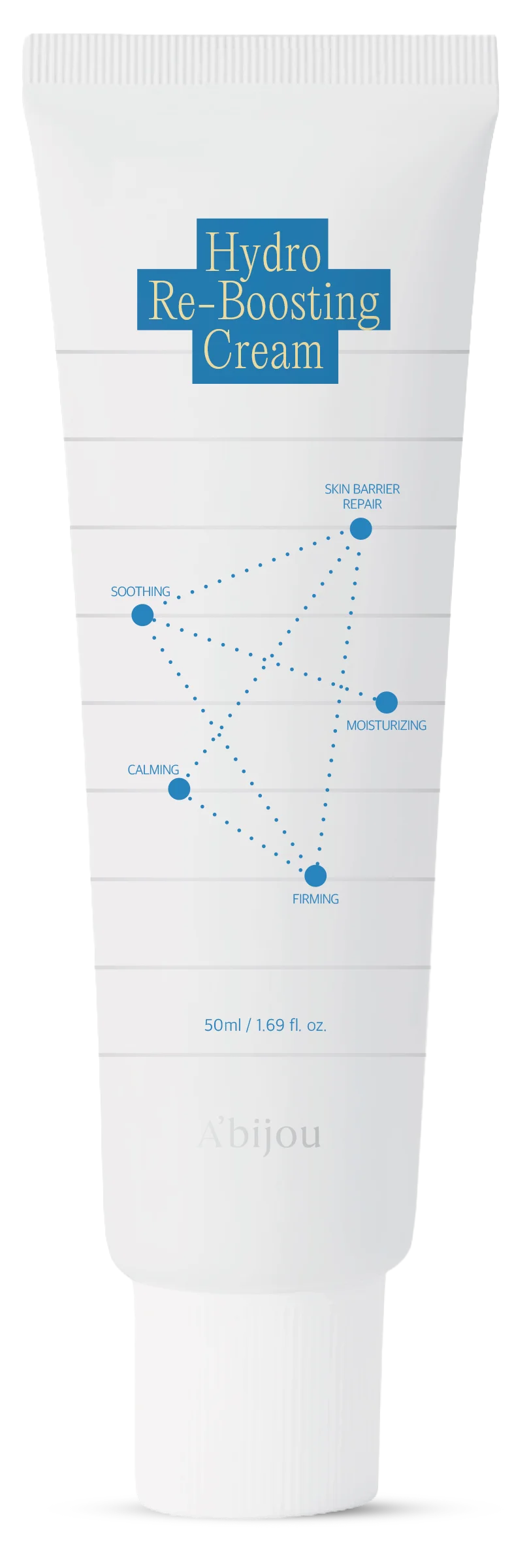 하이드로 리-부스팅 크림Buy
STEP 2 · 회복기 속보습
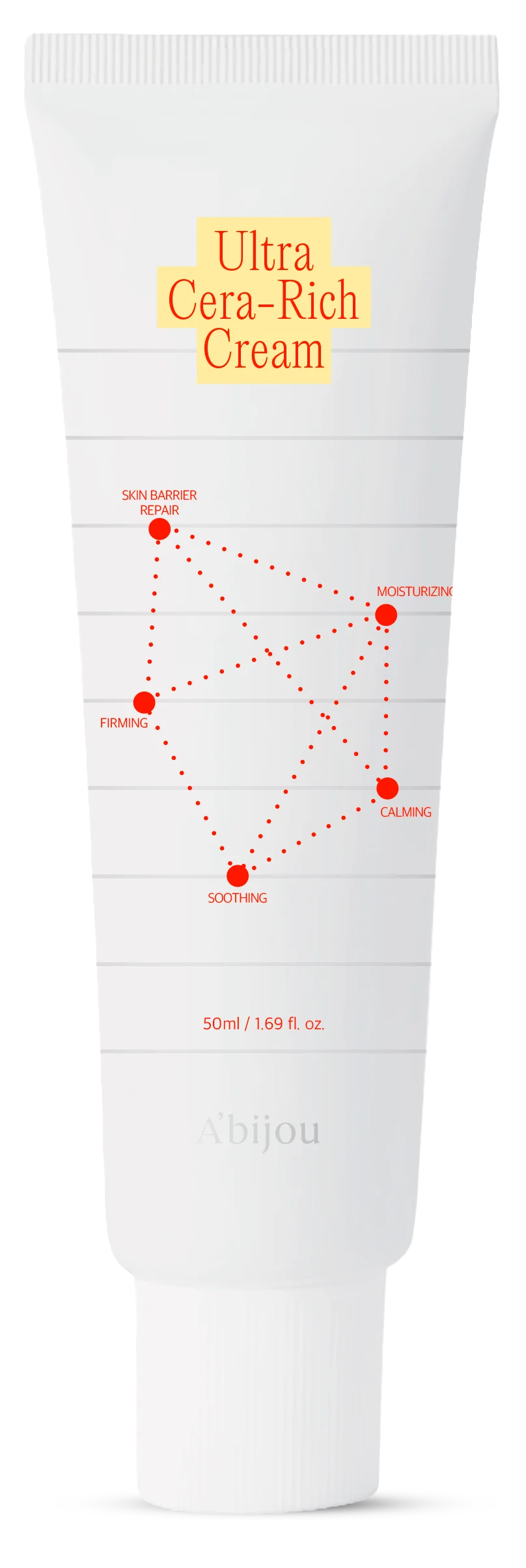 울트라 세라-리치 크림Buy
STEP 1 · 시술 직후 진정·장벽 케어