
Cholesterol in Cosmetics: What Should You Watch Out For? Ingredient Misconceptions and Its Real Role
The 'cholesterol' listed on cosmetic ingredient labels has nothing to do with blood cholesterol—it is one of the key components that make up skin lipids and may help support the skin barrier. However, having a lot of cholesterol alone, without ceramides or fatty acids, isn't necessarily better; the ratio and combination matter more. This blend becomes especially important during periods when the skin barrier is weakened, such as after a procedure, making it key to choose products with a well-balanced formulation.

Many people are surprised to see the word 'cholesterol' on an ingredient label. It may feel unfamiliar to find that name, which you're used to hearing at health checkups, also appearing in cosmetics. To get straight to the point, the cholesterol found in cosmetics plays an entirely different role from the cholesterol circulating in your blood. Today, we'll go over why this ingredient is used and what points you should pay attention to.
What role does cholesterol play in the skin?
The stratum corneum, the outermost layer of our skin, is made up of three lipids—ceramides, cholesterol, and fatty acids—intertwined in a specific ratio to form a brick-and-mortar-like structure. When this structure is tightly packed, moisture doesn't escape as easily and external irritants penetrate less.
The cholesterol blended into cosmetics is used to supplement components similar to this natural lipid structure of the skin, with the aim of supporting barrier care. In other words, it's closer to the concept of replenishing components that resemble those originally present in the skin.
Caution ① Having cholesterol alone isn't the be-all and end-all
There's an important point to note here. Cholesterol isn't an ingredient that works alone—it performs its role when combined with ceramides and fatty acids in a specific ratio. Just because cholesterol appears near the top of an ingredient list doesn't always mean the barrier care effect will be significant. In fact, a product containing cholesterol alone without ceramides or fatty acids has difficulty fully mimicking the skin's lipid structure.
When choosing a product, a more meaningful criterion is checking whether 'ceramide + cholesterol + fatty acid' are all listed together, and whether that formulation is well-balanced.
Caution ② Formulation matters even more for certain skin conditions
When your skin is normally healthy, whether or not a product contains cholesterol may not be strongly noticeable. However, it's a different story after lifting procedures or laser treatments, or during periods when the barrier has weakened due to exfoliation care or frequent friction. During these times, the skin's own ability to produce lipids may temporarily decline, so the quality of the externally supplemented lipid blend can affect recovery speed and how the skin feels.
So, especially right after a procedure or during periods of heightened sensitivity to irritation, it helps to develop the habit of checking 'how harmoniously ceramide, cholesterol, and fatty acids are blended' rather than simply 'whether cholesterol is included.'
Barrier care priorities by stage
The first 1-3 days right after a procedure are a period when redness and heat sensation tend to appear together, so lipid blend care that considers both soothing and barrier protection takes priority. Once the recovery phase begins from day 4 onward, redness subsides, but inner dryness—such as tightness or fine flaking—often becomes more noticeable, making it natural to place a bit more emphasis on deep hydration care at this stage.
Even without having undergone a procedure, when you feel your barrier has weakened due to seasonal changes or frequent friction, applying the same principle of tending to lipid-blend ingredients can be helpful.
Things worth checking in home care
First, follow the order of replenishing moisture with toner after cleansing, then applying a cream formulated with lipid ingredients. Second, during periods of redness or heat sensation, applying a generous layer without rubbing helps reduce irritation. Third, it's also a good strategy to shift stages—from soothing-focused products to deep hydration-focused products—depending on the timing.
Home care determines post-procedure recovery
This is the principle behind the 2-STEP composition of ZXQMAGAZINETERM1ZXQ Cream. For the first 1-3 days right after a procedure, the Ultra Cera-Rich Cream—formulated with 5 types of ceramides, cholesterol, and fatty acids in a ratio similar to the skin's own lipids—helps with redness and barrier care, while from day 4 onward during the recovery phase, the focus shifts to the Hydro Re-Boosting Cream for tightness and deep hydration care. Both products blend cholesterol together with ceramides and fatty acids rather than alone, designed so that the cholesterol listed in the ingredients actually has real meaning.
물리적 자극으로 손상된 장벽이 손상 전 수준으로 회복되는 데 도움. 개인차가 있을 수 있습니다.
출처 P&K 피부임상연구센타 시험성적서 (PNK-26224-RI2R)
손상된 장벽이 손상 전 수준으로 회복되는 데 도움. 개인차가 있을 수 있습니다.
출처 P&K 피부임상연구센타 시험성적서 (PNK-26223-RI1R)
FAQ
- Does the cholesterol in cosmetics affect blood cholesterol levels?
- No. The cholesterol applied to skin through cosmetics is a component that makes up the lipid structure of the stratum corneum, and its absorption pathway and role differ from cholesterol circulating in the blood. It is unrelated to your body's cholesterol levels.
- Is a cream with a higher cholesterol content always better?
- Not necessarily. Cholesterol fully resembles the skin's lipid structure only when present in a certain ratio alongside ceramides and fatty acids. Checking whether all three components are combined together is more meaningful than focusing on the content number alone.
- I have oily skin—can I still use a cream containing cholesterol?
- Oily skin also needs the same lipid structure in the stratum corneum. However, the texture may feel heavy, so it's recommended to choose a formulation suited to your skin condition and the season.
- Why does a balanced lipid blend become more important after a procedure?
- Right after a procedure, the skin barrier can be temporarily weakened, reducing its ability to produce lipids on its own. During this period, using a product with a well-balanced blend of ceramides, cholesterol, and fatty acids can help support barrier care.
- Can sensitive skin also react to cholesterol as an ingredient?
- Cholesterol itself is known to have a relatively low potential for irritation since it resembles the skin's own components. However, individual differences can occur depending on the overall formulation and combination with other ingredients, so it's safer to test a small amount when using it for the first time.
Related products
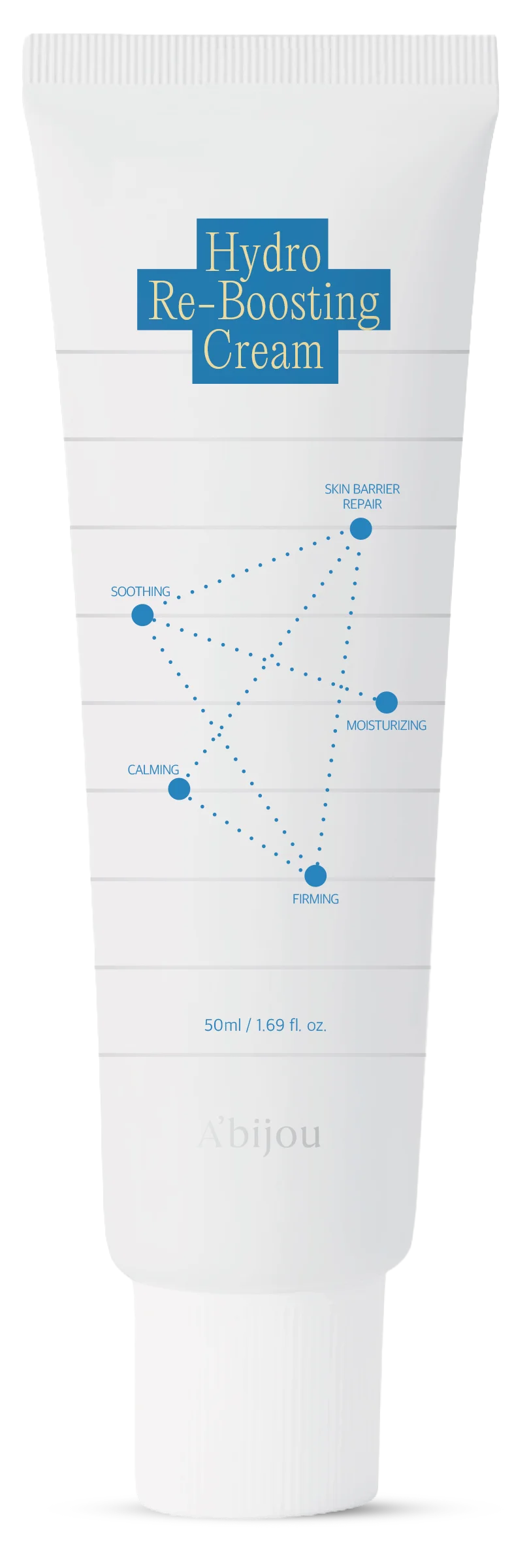 하이드로 리-부스팅 크림Buy
STEP 2 · 회복기 속보습
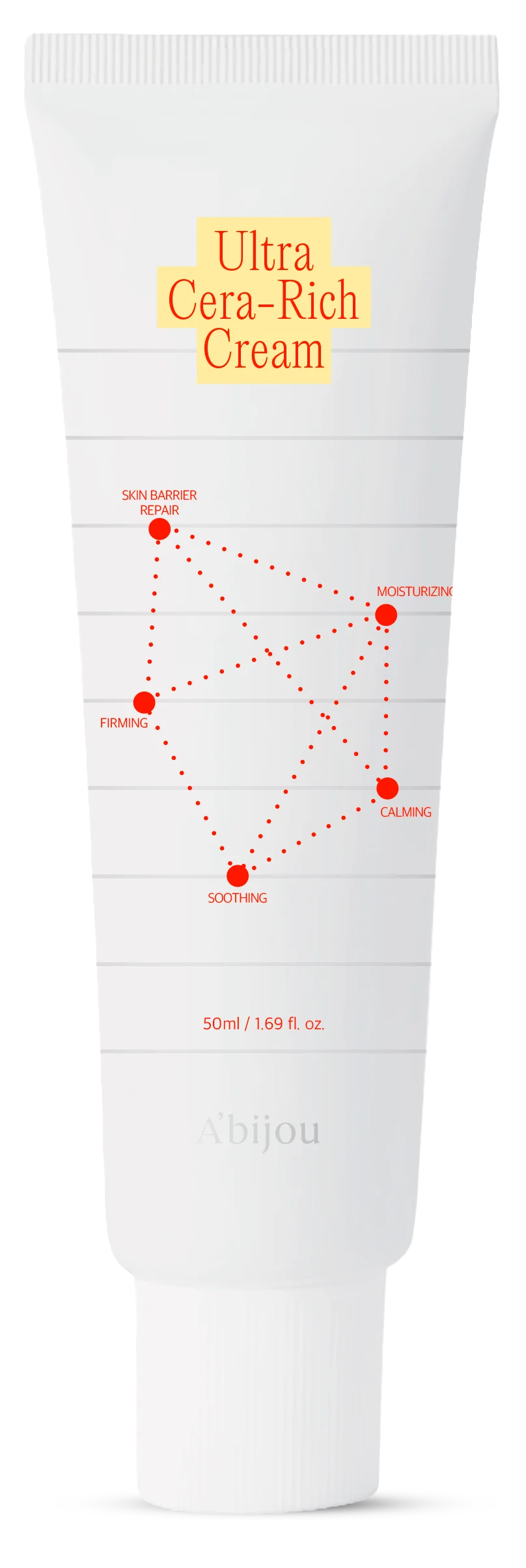 울트라 세라-리치 크림Buy
STEP 1 · 시술 직후 진정·장벽 케어