
Complete Guide to Applying Coenzyme Q10 (Step-by-Step Skincare Order)
Since Coenzyme Q10 tends to have a relatively larger molecular size and blends well with oil-based ingredients, it is generally recommended to apply toner first to absorb moisture and low-molecular-weight ingredients, followed by essence/serum, then the Coenzyme Q10 product, and finally finish with a cream. In short, while following the 'thin texture to thick texture' principle, the key is to use Coenzyme Q10 mainly at the serum/ampoule stage and seal it in with a cream.
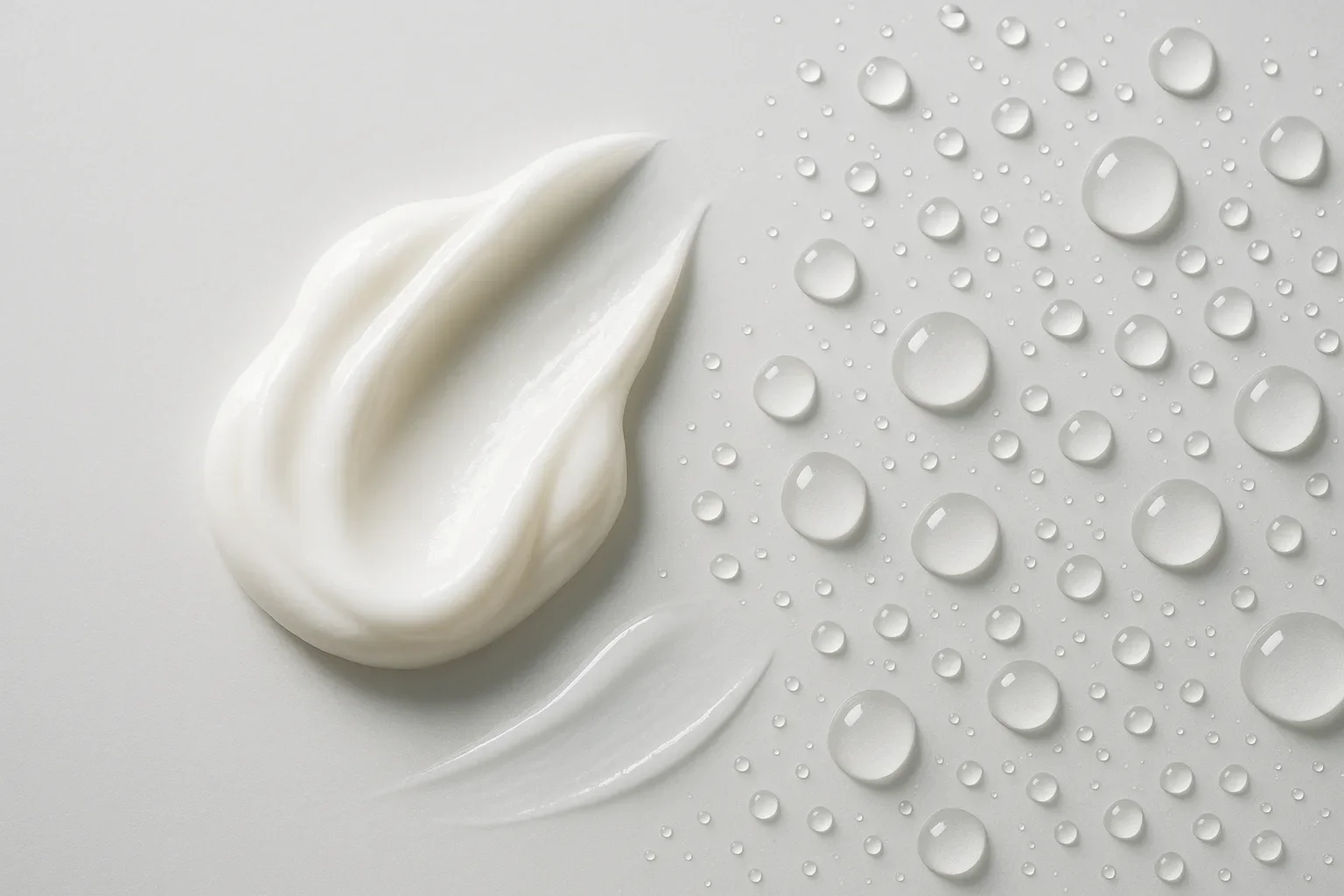
Why Does the Application Order of Coenzyme Q10 Matter
Coenzyme Q10 (ubiquinone) is a fat-soluble ingredient, so the speed and way it absorbs into the skin differ from moisture-based ingredients. In skincare, the basic principle is generally to apply products 'from thin texture to thick texture,' since lighter formulas need to settle into the skin first so that heavier formulas applied afterward can seal them in and aid absorption.
Since Coenzyme Q10 comes in various forms such as serums, ampoules, and creams, the order may vary slightly depending on the formula. However, in general, it is commonly recommended to use it 'after the hydration stage (toner, essence) and before cream (the oil-based finishing step).'
Basic Order: How to Apply After Cleansing
The most basic order is as follows. 1) After cleansing, use a toner to prep the skin and supply moisture. 2) Apply an essence or serum containing low-molecular-weight active ingredients. 3) Use a serum or ampoule containing Coenzyme Q10 at this stage. 4) Finally, apply a cream to seal in the previously applied ingredients and prevent them from evaporating.
If your coenzyme Q10 product is in cream form, apply other functional serums first and use it as the final finishing cream in your routine. Even if the order isn't strictly followed, it won't cause major skin problems, but maintaining a consistent texture order can help each ingredient settle evenly.
For post-procedure or irritated skin, 'condition' matters more than 'order'
Right after lifting procedures or skin booster treatments, or during periods when skin becomes sensitive, it's important to first check whether your skin is in a state to tolerate active ingredients like coenzyme Q10 without irritation, rather than immediately applying them in the usual order and amount.
For about 1 to 3 days after a procedure, redness, warmth, and sensitivity may still remain, so it's recommended to prioritize low-irritation soothing and barrier care products during this time, and reintroduce functional ingredients like coenzyme Q10 in order once the redness and sensitivity have calmed down.
In other words, the key to home care is checking 'is my skin ready to accept active ingredients right now' rather than simply 'what is the correct order to apply them.'
How to set up your home care order by stage
① 1-3 days right after the procedure: This is a period when redness and warmth may remain, so the priority should be soothing and barrier care. During this time, it's better to simplify your routine with gentle moisturizing and soothing products rather than active ingredients like coenzyme Q10.
② Recovery period from day 4 onward: As redness subsides, you may start to feel tightness or dryness in the skin. From this point, add deep moisturizing care products, and once your skin condition feels stable, you can reintroduce functional serums like coenzyme Q10 back into your routine in order.
③ Regular routine: Maintain the basic order of toner → essence/serum (including coenzyme Q10) → cream, but stay flexible enough to return to soothing steps whenever irritation occurs due to seasonal changes or skin condition.
Step-by-step home care checklist
1. After cleansing, use toner to smooth the skin texture and provide initial hydration.
2. If redness or irritation remains, prioritize soothing and barrier care products over active ingredient serums.
3. If your skin is stable, apply coenzyme Q10 serum (or cream) and finish with a cream.
4. If you feel tightness or dryness, finish by layering a cream focused on deep hydration.
5. Regardless of order, sunscreen should always be the final essential step in your daily routine.
Home care determines post-procedure recovery
An active ingredient routine including coenzyme Q10 ultimately settles more effectively once the skin is 'ready' to accept it. During the 1-3 days right after a procedure when redness and warmth remain, you might consider prioritizing soothing and barrier care with an Ultra Cera-Rich Cream, then adding deep moisturizing care with a Hydro Re-Boosting Cream during the recovery period from day 4 onward when tightness or dryness is felt, and once your skin condition stabilizes, reintroducing functional products like coenzyme Q10 back into your routine in order.
FAQ
- Can I apply Coenzyme Q10 before toner?
- Generally, it's recommended to first apply a hydrating toner to prep the skin, then use Coenzyme Q10 at the serum stage. However, the order may vary depending on the product's formula or brand instructions, so it's good to also check the product's usage guide.
- Should Coenzyme Q10 cream be applied last?
- Yes, if the Coenzyme Q10 product is in cream form, it's generally applied last, after other serums and essences. The cream helps seal in the previously applied ingredients so they don't evaporate.
- Can I apply Coenzyme Q10 right after a procedure?
- For about 1 to 3 days right after a procedure, the skin may still show redness and sensitivity. During this period, it's recommended to prioritize soothing and barrier-care products over active ingredients, and reintroduce Coenzyme Q10 once the skin condition has stabilized.
- Can I use Coenzyme Q10 together with other functional ingredients?
- It is possible to use them together, but layering multiple active ingredients at once can put a burden on the skin. It's best to add them one at a time while observing your skin's condition, and adjust the frequency of use if you feel any irritation.
Related products
 하이드로 리-부스팅 크림Buy
STEP 2 · 회복기 속보습
 울트라 세라-리치 크림Buy
STEP 1 · 시술 직후 진정·장벽 케어