
Coenzyme Q10 Compatibility After Procedures: Is It Safe to Use Together?
Coenzyme Q10 is an antioxidant care ingredient, and using it after a procedure isn't strictly prohibited, but since skin becomes sensitive right after treatment, timing adjustments are needed as it could cause irritation. It's safer to prioritize soothing and barrier care immediately after the procedure, then gradually incorporate it once redness and sensitivity have subsided.
Many people wonder whether they can continue using their usual coenzyme Q10 product after receiving a lifting or laser procedure. To conclude first, coenzyme Q10 itself is not an ingredient that directly conflicts with procedures, but the key is adjusting the timing of use considering the skin's condition right after the procedure.
Coenzyme Q10 and Post-Procedure Skin: Why Compatibility Matters
Coenzyme Q10 is a substance naturally produced in the skin, and in cosmetics it is mainly used for antioxidant care purposes. However, right after a procedure, skin may temporarily retain redness and sensitivity due to heat energy or minor stimulation. During this period, rather than adding new active ingredients, priority should be given to soothing and barrier care to stabilize the irritated skin.
Especially right after lifting or heat-energy procedures (Ultherapy, Thermage, Shurink, Onda, Titanium, InMode, etc.), the skin surface temporarily retains heat and the barrier is weakened, so ingredients that usually suit your skin well may feel irritating. If you're unsure whether it's okay to use Coenzyme Q10 products, taking a short break for a few days right after the procedure can be one option.
Post-Procedure Progress: Observing Skin Changes Day by Day
In the first 1 to 3 days right after the procedure, redness, heat, and mild tightness tend to stand out. During this period, it's best to minimize use of ingredients that could be irritating and focus on soothing and barrier care.
From day 4 to 7, as redness and sensitivity gradually subside, the skin often shifts into a phase of inner dryness and tightness. From this point on, it's natural to shift the focus toward moisture-centered care.
Once your skin condition has stabilized to some degree, you can start reintroducing your existing antioxidant care products, including Coenzyme Q10, starting with small amounts. However, since recovery speed varies greatly depending on individual skin condition and the type of procedure, if redness or irritation still remains, it's safer to delay resuming a bit longer.
Setting the Order for Step-by-Step Home Care
Right after the procedure, soothing care that is gently patted in after cleansing to avoid irritation should come first. During this period, it's recommended to use products focused on ingredients that help soothe redness and support barrier care, rather than active ingredients like Coenzyme Q10, high-concentration vitamin C, or retinol.
During the recovery phase, as sensitivity begins to settle, switch to moisture-centered care that addresses inner tightness and dryness. Even at this stage, while monitoring your skin's response, it's better to add functional ingredients like Coenzyme Q10 one at a time rather than several at once, as a way to reduce irritation.
Above all, the soothing and barrier care during the first few days after the procedure often determines the overall recovery flow. How you manage this period can make it much easier to later combine other ingredients smoothly.
Setting the Order with a 2-Step Post-Procedure Recovery Routine
ZXQMAGAZINETERMAvium CreamZXQ is a home care solution designed in 2 steps to match the post-procedure recovery timeline. It is designed so that during the first 1 to 3 days right after the procedure, ZXQMAGAZINETERMUltra Cera-Rich CreamZXQ (STEP1), focused on soothing redness and heat and supporting the barrier, is used, and from day 4 onward during the recovery phase, ZXQMAGAZINETERMHydro Re-Boosting CreamZXQ (STEP2), which helps with inner moisture and skin texture condition care, is used.
If you want to reintroduce antioxidant ingredients like Coenzyme Q10, one approach is to first stabilize your skin with this 2-step routine and then consider combining them in sequence.
Post-Procedure Recovery Depends on Home Care
In the first few days after a procedure, rather than adding ingredients that could be irritating, it's recommended to stabilize the skin with ZXQMAGAZINETERMUltra Cera-Rich CreamZXQ, which focuses on soothing redness and barrier care, and then during the recovery phase, replenish inner moisture with ZXQMAGAZINETERMHydro Re-Boosting CreamZXQ, naturally finding the right time to combine it with existing care ingredients like Coenzyme Q10.
FAQ
- Can I apply coenzyme Q10 cream on the day of the procedure?
- For the first 1-3 days after a procedure, skin remains sensitive, so it's safer to use products focused on soothing and barrier care rather than new active ingredients. It's recommended to resume coenzyme Q10 products only after redness and irritation have fully subsided.
- Can I use coenzyme Q10 and ceramide together?
- Ceramide has a composition similar to skin lipids and can help with barrier care, so combining it shouldn't cause much issue. However, right after a procedure, it's recommended to stabilize barrier care first rather than mixing several ingredients at once, then gradually add others.
- Do I need to consider coenzyme Q10 compatibility after skin booster procedures as well?
- After skin booster procedures like Rejuran or Juvelook, deep hydration and skin condition care should take priority in the early stages as well. It's best to delay resuming coenzyme Q10 until redness or irritation has disappeared.
- How can I tell if I've entered the recovery phase?
- When redness and warmth subside, and instead you start feeling tightness or dryness, this can be seen as a sign of entering the recovery phase. From this point, you can consider resuming existing ingredients along with moisture-focused care.
- You mentioned individual differences—how much can they vary?
- Recovery speed and reactions can vary significantly between individuals depending on the type of procedure, skin condition, and degree of irritation. If redness or irritation persists longer than usual, it's recommended to consult a dermatologist rather than forcing the addition of new ingredients.
Related products
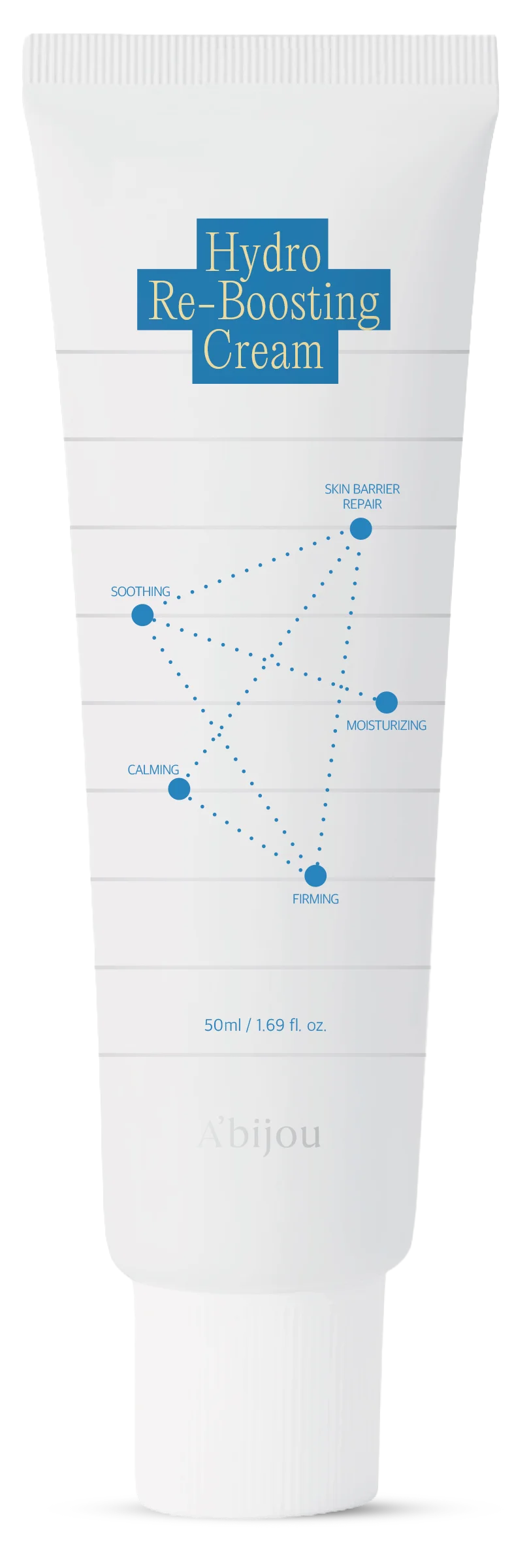 하이드로 리-부스팅 크림Buy
STEP 2 · 회복기 속보습
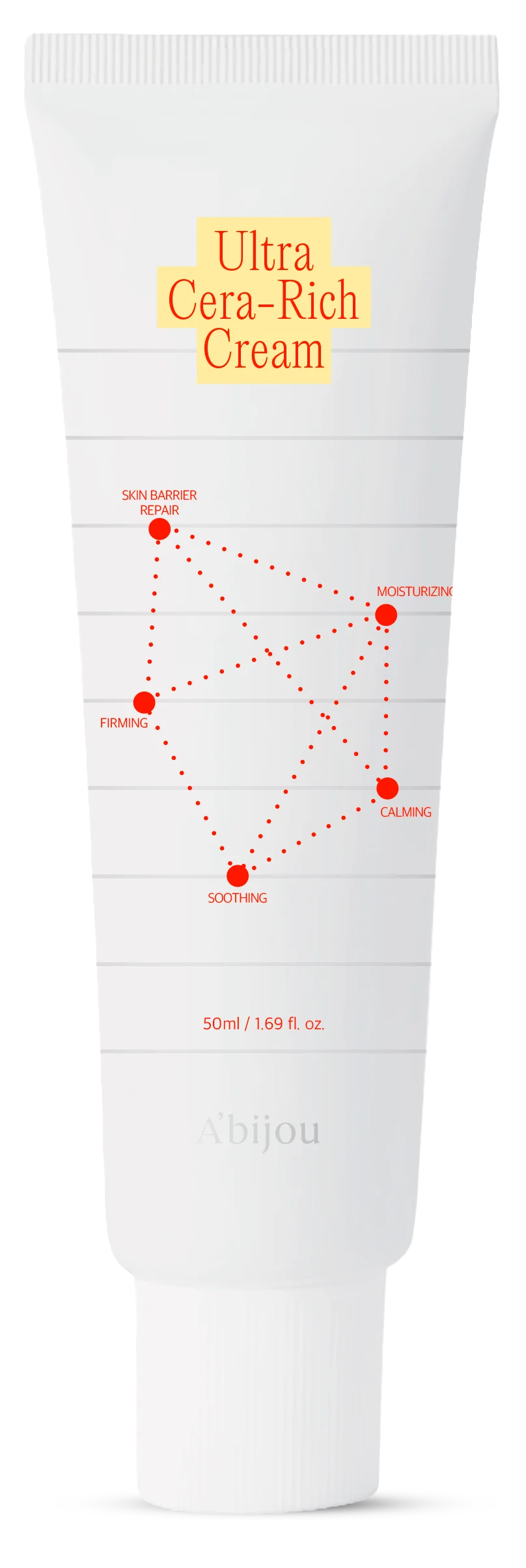 울트라 세라-리치 크림Buy
STEP 1 · 시술 직후 진정·장벽 케어