
Coenzyme Q10 Cosmetics: What Should You Watch Out For?
Coenzyme Q10 is generally a mild ingredient, but high-concentration products or overly oily formulations can feel heavy on trouble-prone or pore-clogging-prone skin, so it's important to consider both usage amount and skin condition together. During sensitive periods, such as right after a procedure, it's safer to switch to a mild routine focused on soothing and hydration rather than layering active ingredients that may cause irritation.
Coenzyme Q10 (ubiquinone) is well known as an antioxidant care ingredient and is widely used in anti-aging lines. However, contrary to the perception that 'natural-derived means always mild,' depending on the formulation, concentration, and the user's skin condition, some people experience trouble or a feeling of heaviness, so there are a few things worth knowing in advance.
Why Does Coenzyme Q10 Require Caution?
Coenzyme Q10 is a fat-soluble ingredient, so it's often dissolved into oil or cream formulations. Because of this, applying an oily formulation thickly on oily or trouble-prone skin can sometimes lead to a feeling of clogged pores or breakouts. This is less about the ingredient itself being problematic and more about the formulation's texture and amount used not matching the skin type.
In addition, when Coenzyme Q10 is formulated at high concentrations, or used together with other active ingredients such as retinol or vitamin C, irritation may occur when the skin barrier is weak. It's worth remembering that ingredients that were usually fine can cause sensitive reactions during periods when the skin's protective barrier is temporarily thinned, such as right after exfoliating or laser procedures.
Reactions That Vary Depending on the Sensitive Period and Recovery Stage
The first 1 to 3 days right after a lifting or laser procedure are when the skin barrier is at its weakest. During this period, it's safer to focus on soothing and hydration rather than using strongly active ingredients, including Coenzyme Q10.
After day 4, as redness and heat subside, the skin enters a recovery phase marked by tightness and dryness. Even during this period, rather than introducing antioxidant ingredients like coenzyme Q10 right away, it's recommended to wait until the barrier has stabilized somewhat before testing with small amounts and gradually increasing usage.
Even in general daily use, if you're trying a coenzyme Q10 product for the first time, it's safer to apply it to a small area for a few days rather than the whole face, check for any irritation or stinging, and then expand the area of use.
Try Approaching Step-by-Step Home Care Like This
① If you're before or after a procedure, or during a period when your skin is sensitive, please pause the use of active ingredients such as coenzyme Q10, retinol, and high-concentration vitamin C, and focus on soothing and moisturizing care.
② If you're starting a coenzyme Q10 product after your skin has stabilized, watch for reactions over a few days using a small amount, and if the oiliness feels burdensome, switching to a lighter formula is also an option.
③ Regardless of the period, first filling the barrier with ingredients similar to the skin's own lipids, such as ceramides and panthenol, makes the skin condition much more comfortable when it comes to accepting functional ingredients afterward.
Recovery After a Procedure Depends on Home Care
During sensitive periods like right after a procedure, soothing and barrier care take priority over active ingredients like coenzyme Q10. AB:Zoo's Ultra Cera-Rich Cream is a STEP1 product focused on redness and barrier care for days 1-3 right after a procedure, while the Hydro Re-Boosting Cream is a STEP2 product that addresses tightness and dryness from day 4 onward once redness has subsided. Once your skin has stabilized, we recommend gradually adding active ingredients like coenzyme Q10 in small amounts to find the routine that suits your skin.
FAQ
- Is Coenzyme Q10 safe to use on sensitive skin?
- The ingredient itself is widely used for antioxidant care, but depending on the oiliness or concentration of the formulation, it may be burdensome for sensitive skin. It's recommended to test with a small amount first before expanding the range of use.
- Can I use Coenzyme Q10 and retinol together?
- Using both ingredients at high concentrations simultaneously can sometimes cause irritation, so it's safer to initially separate the times of use or alternate them while observing your skin's reaction.
- When can I start using Coenzyme Q10 products after a procedure?
- For the first few days after a procedure, redness and the skin barrier are sensitive, so it's recommended to focus on soothing and hydrating care first, then restart with a small amount once the redness subsides and the skin stabilizes.
- I developed a breakout after using Coenzyme Q10—is it an allergy?
- It's not necessarily an allergy—it could be that the oiliness of the formulation clogged pores or that too much was used. If symptoms persist, it's best to stop use and consult a dermatologist.
Related products
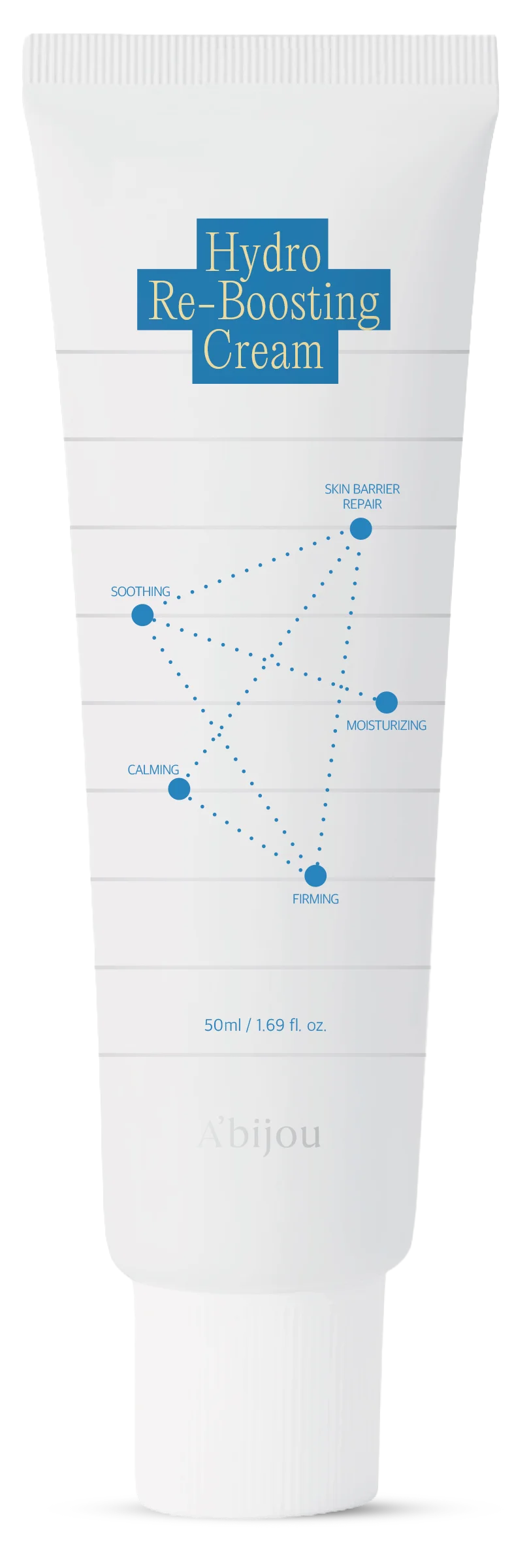 하이드로 리-부스팅 크림Buy
STEP 2 · 회복기 속보습
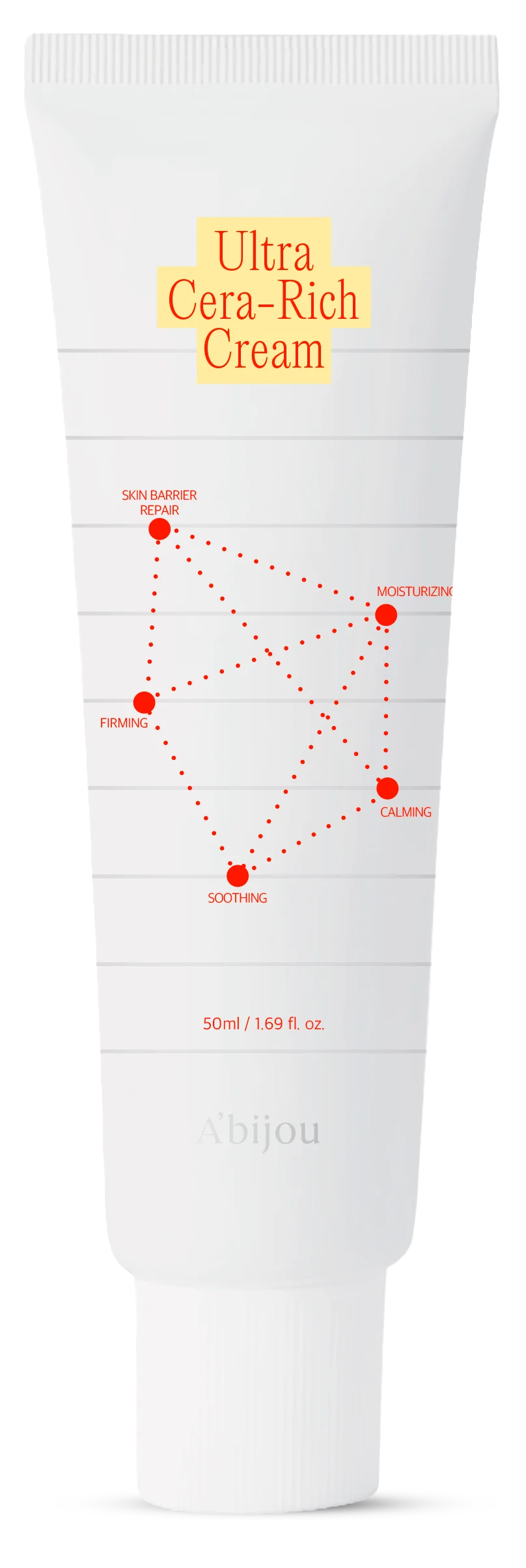 울트라 세라-리치 크림Buy
STEP 1 · 시술 직후 진정·장벽 케어