
Coenzyme Q10 Principle and Effects: Why Is It Good for Skin?
Coenzyme Q10 is an antioxidant ingredient involved in the process by which our body's cells produce energy, and when applied to the skin, it is known to help with skin condition care and skin texture management. Since the amount synthesized in the body decreases with age, supplementing it through cosmetics is mentioned as one management method. However, it's also worth noting that during periods when skin is sensitive, such as right after a procedure, soothing irritation and barrier care should take priority over active ingredients.
'Coenzyme Q10 (ubiquinone)', frequently seen in cosmetic ingredient lists or descriptions of functional products, is originally known as a substance involved in energy metabolism within the mitochondria of cells. Although it is naturally synthesized in the body, it is reported that the amount decreases with age, leading to attempts to supplement it externally through cosmetic ingredients.
This article will summarize the principle by which coenzyme Q10 is explained to work on the skin, how the actual perceived progress may appear, and the home care routine worth following alongside using this ingredient.
Coenzyme Q10: What Role Does It Play in the Skin?
Coenzyme Q10 is classified as one of the representative fat-soluble antioxidant substances. Skin is continuously exposed to external factors such as UV rays, fine dust, and oxidative stress, and this ingredient is often formulated into cosmetics as one that helps maintain skin condition under such environments.
Coenzyme Q10 is also known to be related to the energy metabolism of skin cells, so it is often included together in products aimed at elasticity or skin texture care. However, it's important to understand this distinction as a function of a cosmetic ingredient, not as something implying medical treatment or cellular reconstruction.
Some lifting and anti-aging care products formulate coenzyme Q10 together with vitamin E, niacinamide, and other ingredients, designed to help refine skin tone and texture.
How many days should you observe progress after use?
Coenzyme Q10 is less an ingredient that provides immediate visual change and more a concept of managing skin condition through consistent use. During the initial 1–2 weeks of use, the skin may be adjusting to this ingredient, and significant change may not be felt yet.
Around the 4-week mark, depending on the individual, some report a feeling that skin texture is more refined or that dryness/flakiness is reduced, but the timing and degree of this may vary from person to person. In particular, if the skin barrier is weakened or has recently been exposed to irritation, it is better to prioritize soothing and moisturizing before antioxidant ingredients.
Step-by-step home care — order comes before ingredients
Even when using products containing functional ingredients like coenzyme Q10, it is important to follow an order suited to the skin's condition. First, cleanse and tone the skin, and if the skin is sensitive or still shows redness or irritation, it is better to first apply a thin layer of a soothing-focused product to stabilize the skin.
After redness and heat have subsided to some extent, a feeling of tightness or dryness may remain, and at this stage it helps to switch to care focused on deep moisturizing. Functional ingredients such as coenzyme Q10 and niacinamide are often guided to be used in combination after the skin condition has stabilized to some degree, as a way to reduce irritation.
In particular, immediately after skin has been exposed to stimulation such as lifting or laser procedures, it is recommended to first address soothing and barrier care before functional ingredients, and then shift to deep moisturizing and condition care as the skin enters the recovery phase.
Recovery after procedures is determined by home care
As such, after a procedure or irritation, 'the order suited to the current skin condition' matters more than functional ingredients like coenzyme Q10. ZXQMAGAZINETERM AB Zoo ZXQ Cream is structured in two steps in line with this flow: for 1–3 days right after a procedure, when redness and heat remain, the Ultra Cera-Rich Cream focused on soothing and barrier care is used; and from day 4 onward, once redness has subsided and tightness or dryness is felt, the Hydro Re-Boosting Cream, which helps with deep moisturizing and condition care, is used.
FAQ
- Is it okay to apply coenzyme Q10 every day?
- In general, products containing coenzyme Q10 for antioxidant purposes are often designed for daily use. However, if your skin is sensitive or has just been irritated, it's best to prioritize soothing and moisturizing care first, and combine it once your skin condition has stabilized.
- Can I use coenzyme Q10 and ceramide together?
- Yes, antioxidant ingredients like coenzyme Q10 and barrier care ingredients like ceramide are known to be fine to use together. However, during periods when irritation remains, such as right after a procedure, it's better to prioritize barrier care first, and add functional ingredients afterward once the condition stabilizes, as this order can help reduce irritation.
- When can I start feeling the effects of coenzyme Q10?
- Given the nature of the ingredient, it's closer to a concept of ongoing condition management through consistent use rather than an immediate change. Since the timing of perceived effects can vary from person to person, it's recommended to observe your skin condition over a period ranging from a few weeks to longer.
- Is it okay to use coenzyme Q10 products after a procedure?
- Since the skin is in a sensitive state right after a procedure, it's better to prioritize soothing redness and barrier care over functional ingredients. It's recommended to gradually reintroduce the functional products you were previously using once the redness and irritation have sufficiently subsided.
Related products
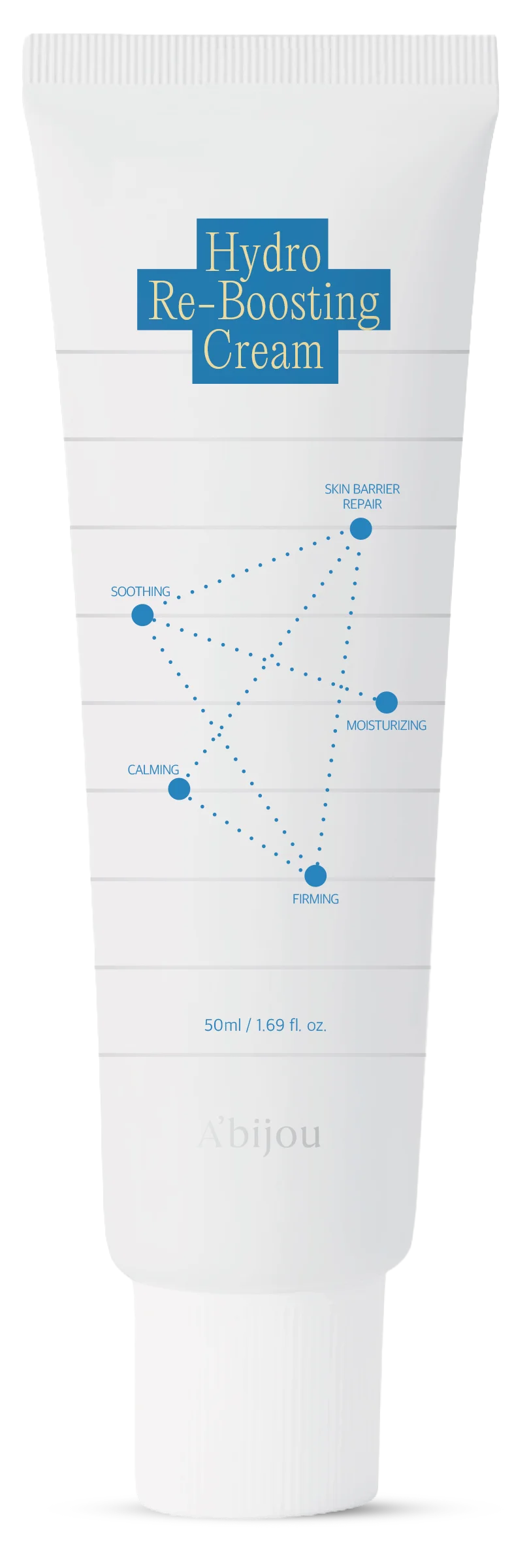 하이드로 리-부스팅 크림Buy
STEP 2 · 회복기 속보습
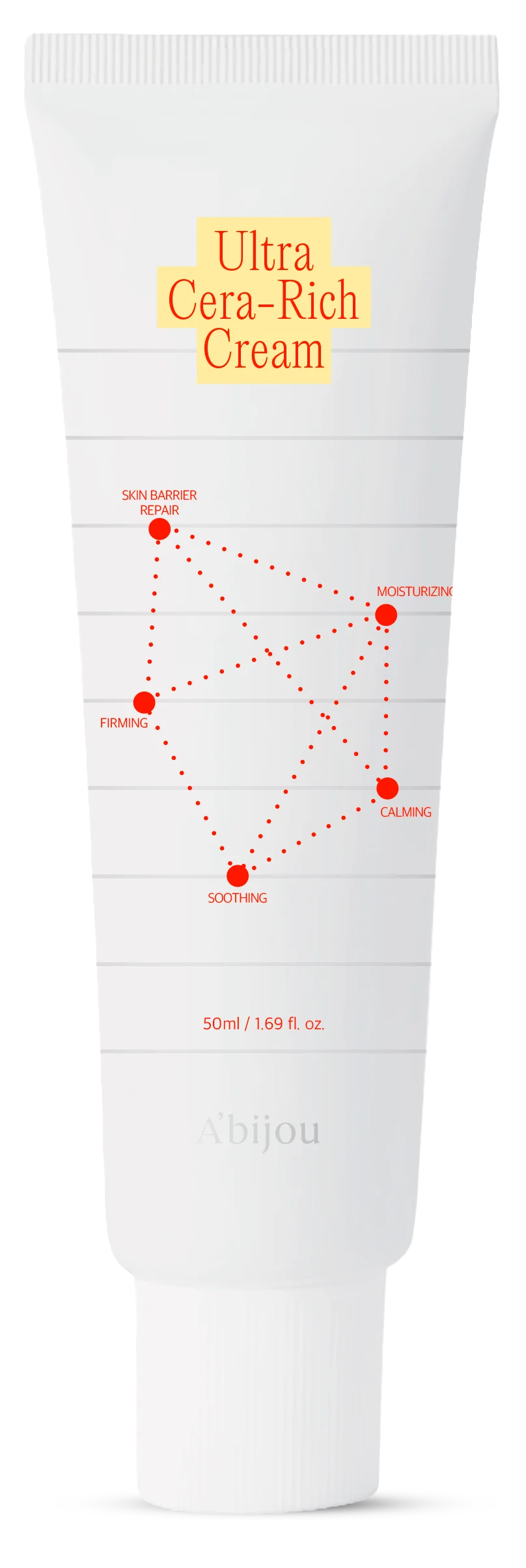 울트라 세라-리치 크림Buy
STEP 1 · 시술 직후 진정·장벽 케어