
Collagen Content vs. Composition: What Determines Treatment Efficacy?
When researching skin elasticity or lifting-related products and treatments, people often focus on 'what percentage of collagen is included,' but what truly matters is the collagen's 'composition' and how it reaches and sustains in the skin. Higher content does not necessarily proportionally improve skin condition care effects, and ingredient formulation together with skin barrier status must be considered. This article clarifies the difference between collagen content and composition, and guides you through pre- and post-treatment skin conditioning methods.
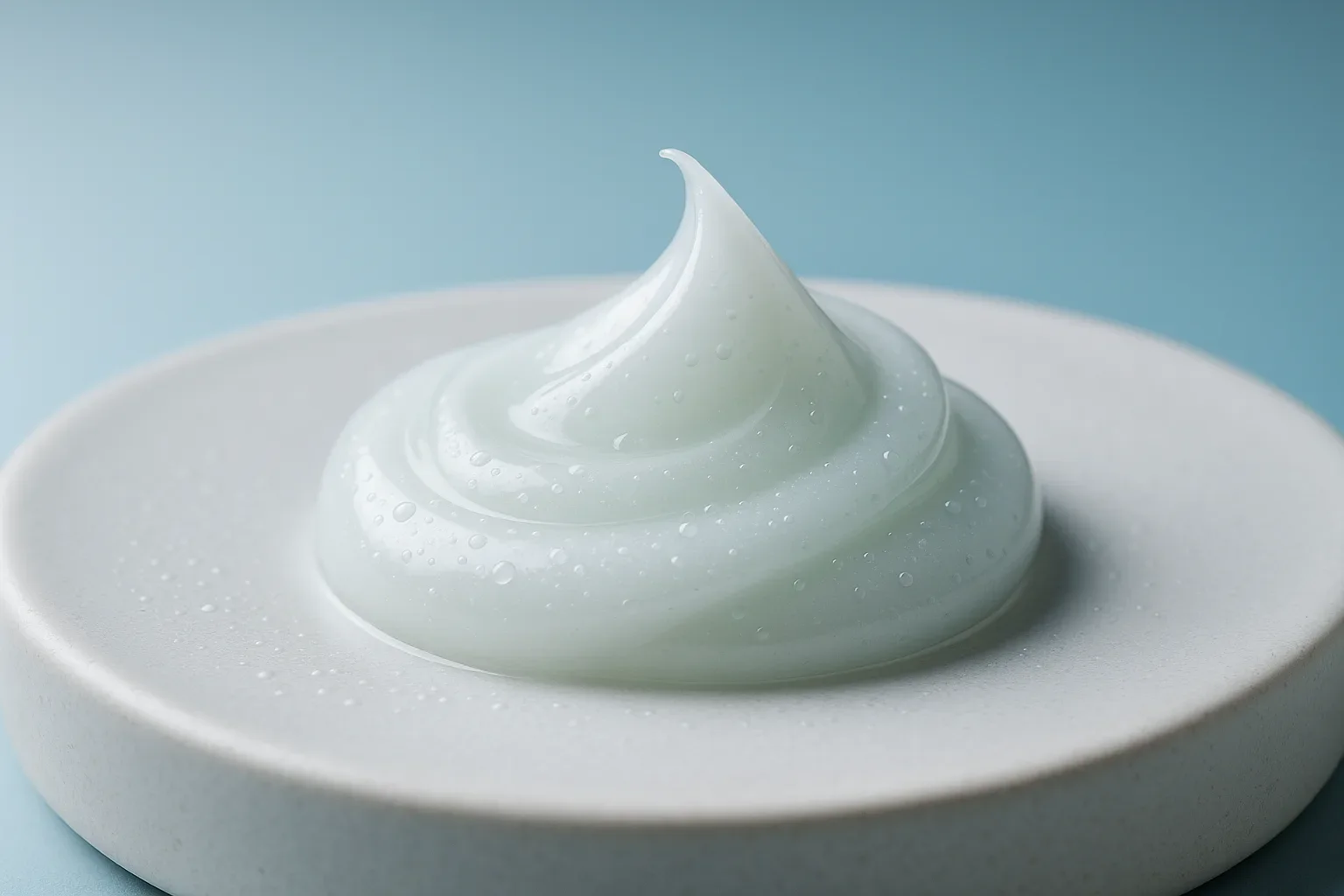
When searching for cosmetic or treatment information, you often encounter phrases like 'containing X% collagen.' Higher numbers seem more appealing, but from a dermatological perspective, collagen is not a component that works well on skin simply because there's more of it.
Collagen has a large molecular size, making it difficult to penetrate through to the dermis layer even when applied to the skin surface. Therefore, collagen in cosmetics is mostly processed into low-molecular or coated forms, and the 'composition' of this processing method along with other accompanying ingredients ultimately determines actual feel and skin condition care direction.
Why collagen content is not everything
Collagen in the skin doesn't exist on its own but intertwines with water, lipids, and other proteins to form a network structure. When this structure breaks down, the skin's ability to retain water—its barrier function—wavers before the quantity of collagen itself becomes the limiting factor.
Therefore, simply marking 'contains X% collagen' does not reveal how that collagen acts on the skin or in what balance it is formulated with other hydrating and soothing ingredients. Products designed with compositions similar to skin lipids—such as ceramides, cholesterol, and fatty acids—often engage more directly in skin barrier care.
Especially after lifting procedures or skin booster treatments, the skin can temporarily become sensitive and barrier function may decline, making the overall ingredient composition and ability to reduce irritation more important criteria for judgment than collagen content alone.
Post-procedure skin condition and care focus points by stage
In the 1–3 days immediately following lifting or laser procedures, the skin is sensitive with heat sensation and redness. At this stage, light-textured care that protects the skin without irritation and helps calm redness takes priority over collagen or highly nourishing ingredients.
From day 4 onward, as redness subsides, the skin transitions to a phase where internal tightness and dryness become more pronounced. During this period, management focused on deep hydration and skin texture care is needed, and this is when the composition of various hydrating and elasticity-care ingredients, including collagen, becomes meaningful.
In other words, rather than choosing a 'high-collagen product,' it is more rational to identify which recovery stage your skin is currently in and select a product with a composition suited to that stage.
Stage-by-stage home care approach
Stage 1 (period with irritation and heat sensation): Protecting the skin by applying thinly without rubbing is the priority. Cleansing should also be done briefly with lukewarm water in a minimally irritating manner.
Stage 2 (redness subsides and internal tightness is felt): Switch to a product with balanced hydration and elasticity-care ingredients to address both skin texture and deep hydration.
If these two stages are not distinguished and heavy, highly nourishing products are used from the start, they may actually irritate sensitized skin, making stage-appropriate formulation selection important.
Why ingredient composition determines stage-specific care
Abijou cream reflects these stage-specific differences with a 2-step system. During the sensitive period immediately after procedures, the Ultra Sera-Rich Cream emphasizes irritation relief and barrier care with 5 types of ceramides and panthenol; after redness subsides, the Hydro Re-Boosting Cream combines panthenol, niacinamide, and ceramides for continued support.
Both products prioritize not collagen content itself, but rather a foundation of skin-lipid-similar ceramides, cholesterol, and fatty acid composition, designed to support hydration and skin texture care tailored to skin condition at each stage.
Post-procedure recovery is determined by home care
For post-procedure skin, approaching the question as 'what composition is needed now' rather than collagen content is more practical. From this perspective, Abijou Cream is divided into the Ultra Sera-Rich Cream (STEP 1) for the sensitive period immediately after procedures and the Hydro Re-Boosting Cream (STEP 2) for deep hydration and skin texture care after redness subsides.
물리적 자극으로 붉어진 피부의 붉은기 진정에 도움. 개인차가 있을 수 있습니다.
출처 P&K 피부임상연구센타 시험성적서 (PNK-26224-RI2R)
물리적 자극으로 손상된 장벽이 손상 전 수준으로 회복되는 데 도움. 개인차가 있을 수 있습니다.
출처 P&K 피부임상연구센타 시험성적서 (PNK-26224-RI2R)
피부결 정돈에 도움. 개인차가 있을 수 있습니다.
출처 P&K 피부임상연구센타 시험성적서 (PNK-26223-RI1R)
사용 24시간 후에도 보습 수치 유지에 도움. 개인차가 있을 수 있습니다.
출처 P&K 피부임상연구센타 시험성적서 (PNK-26223-RI1R)
FAQ
- Is a product with high collagen content always better?
- Not necessarily. Because collagen has a large molecular size, the processing method and composition of ingredients formulated with it can have a greater impact on actual feel and skin condition care direction than content alone.
- Can I apply collagen ingredients right after treatment?
- During the first 1-3 days after treatment, when redness and heat sensation indicate a sensitive period, it's better to use a lightweight formulation with minimal irritation that aids calming rather than highly nourishing ingredients. As recovery progresses, it's recommended to gradually increase hydration and elasticity care components.
- How are ceramides and collagen different?
- If collagen is a structural protein in the skin's dermis, ceramides are lipid components that fill spaces in the stratum corneum to prevent water loss. Since these components play different roles, the necessary composition may vary depending on timing and skin condition.
- What's the standard for using Ultra Sera-Rich versus Hydro Re-Boosting?
- Generally, during the first 1-3 days after treatment, Ultra Sera-Rich cream focusing on calming and barrier care is recommended, and from day 4 onward when redness subsides, Hydro Re-Boosting cream emphasizing internal hydration and skin texture care is used. This can be adjusted based on individual skin condition.
Related products
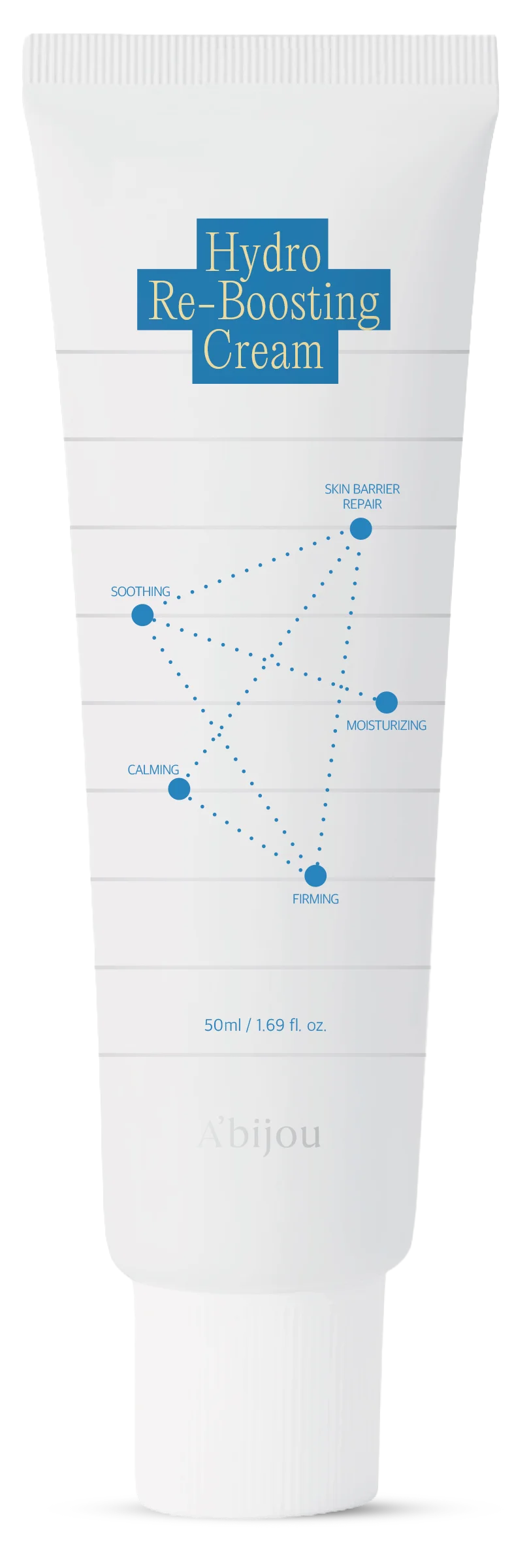 하이드로 리-부스팅 크림Buy
STEP 2 · 회복기 속보습
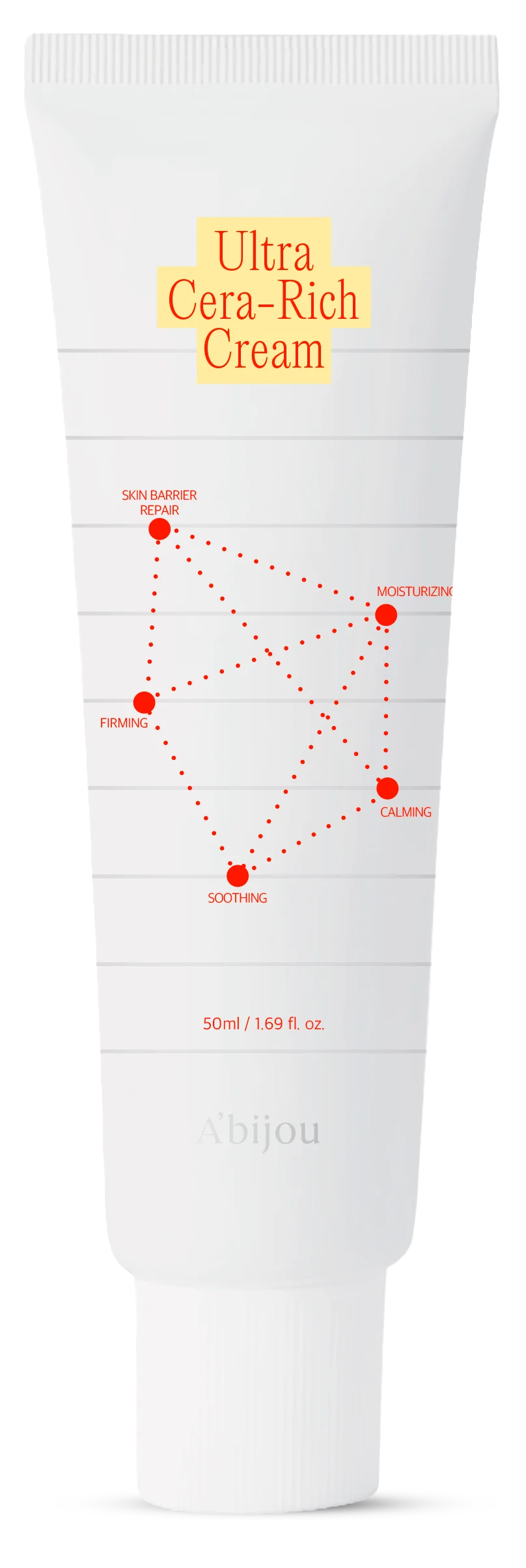 울트라 세라-리치 크림Buy
STEP 1 · 시술 직후 진정·장벽 케어