
Essential Precautions to Know Before Collagen Injections and Procedures
Collagen-related procedures (injections, skin boosters, lifting treatments) require careful post-procedure management as much as the procedure itself. Immediately after treatment, you may experience redness, heat sensation, and tingling; a few days later, tightness and flaking may appear, requiring different care at each stage. Avoid aggressive massage and concurrent use of high-irritant ingredients; the key is supporting recovery through soothing and hydrating home care.
There are various procedures to supplement collagen or create an environment for collagen production. From skin boosters called collagen injections to lifting treatments that use thermal energy to stimulate the dermis, though methods differ, they share a common point: skin becomes temporarily sensitive immediately after treatment.
Without proper understanding of precautions during this period, redness and irritation can persist longer, or skin condition may feel unstable. Today, we'll outline what to watch for before and after collagen procedures and how to care for your skin at each recovery stage.
- 1Day of treatment to day 3Redness, heat sensation, sensitivity—prioritize soothing care
- 2Days 4–7Surface redness fades, tightness and flaking begin—switch to deep hydration care
- 3Weeks 1–2Skin texture and barrier gradually stabilize—avoid irritating ingredients
- 4After week 2Overall condition recovers—gradually return to your regular routine
Why does skin become sensitive after the procedure? Understanding the changes
Collagen injections and lifting procedures work by using fine needle stimulation or thermal energy to trigger a response in the dermis. During this process, the skin's surface temporarily loses protective function, and its ability to retain moisture can also decrease.
That's why immediately after the procedure, your skin tends to react sensitively to cleansing or light friction that would normally cause no trouble. Redness, stinging, and tightness appearing together is due to this reaction. While this is a natural part of the procedure itself, how you care for your skin during this period can affect your skin's condition afterward, making proper management essential.
Post-procedure recovery varies by timeline
From the day of the procedure through about 3 days, redness and heat sensation are most pronounced. Light stinging or sensitivity may occur, so care that minimizes irritation is necessary.
From day 4 onward, visible redness subsides, but many people experience tightness and dryness beneath the skin's surface. This is also the period when fine flaking may appear or skin texture may feel rougher.
Over the following 1-2 weeks, skin gradually stabilizes, but if irritating ingredients or aggressive massage are applied during this recovery process, skin condition can become unstable again, so caution is needed.
Step-by-step home care: manage it this way
Days 1-3 immediately after the procedure, 'calming' is the top priority. Cleanse with lukewarm water briefly, and it's best to take a break from irritating exfoliation, high-concentration retinol, and acidic ingredients. Applying cream thinly without rubbing, as if layering it on, helps protect the skin.
From day 4 onward, you should gradually shift focus to 'deep hydration.' While surface irritation has subsided, moisture and the skin barrier are still recovering, so this is the time for hydrating care that seeps between skin layers rather than a lightweight formula that merely sits on the surface.
Sun protection is a habit you must maintain throughout the entire period, regardless of the procedure area. Irritated skin can react more sensitively to pigmentation.
Post-procedure care determines the results
Even with the same procedure, skin recovery speed and condition can vary depending on how you care for it afterward. That's why there's growing interest recently not just in the procedure itself, but in 'how you spend the days immediately following the procedure.'
The early stage when redness remains and the recovery phase when inner tightness begins require different things from your skin, so adjusting your care approach according to the timeline is a rational approach.
Post-procedure recovery: home care makes the difference
Considering these timeline-based differences, Abjue cream is structured in a 2-STEP system. For days 1-3 immediately after the procedure, use Ultra Sera-Rich Cream, which focuses on calming and barrier care; from day 4 onward when redness subsides and inner tightness begins, use Hydro Re-Boosting Cream, which emphasizes deep hydration and skin texture care. Clinical testing confirmed that Ultra Sera-Rich helps calm redness and restore barrier function immediately after a single use following physical irritation, while Hydro Re-Boosting helps with redness, barrier, hydration, and skin texture care after 2 weeks of use (individual results may vary).
물리적 자극으로 붉어진 피부의 붉은기 진정에 도움. 개인차가 있을 수 있습니다.
출처 P&K 피부임상연구센타 시험성적서 (PNK-26224-RI2R)
물리적 자극으로 손상된 장벽이 손상 전 수준으로 회복되는 데 도움. 개인차가 있을 수 있습니다.
출처 P&K 피부임상연구센타 시험성적서 (PNK-26224-RI2R)
화학적 자극으로 붉어진 피부 진정에 도움. 개인차가 있을 수 있습니다.
출처 P&K 피부임상연구센타 시험성적서 (PNK-26223-RI1R)
피부결 정돈에 도움. 개인차가 있을 수 있습니다.
출처 P&K 피부임상연구센타 시험성적서 (PNK-26223-RI1R)
FAQ
- How long does the sensitive state persist after a collagen injection?
- While individual responses vary, redness and heat sensation are typically most pronounced for 1–3 days immediately after treatment. From day 4 onward, many experience tightness and flaking beneath the surface. The skin generally begins to stabilize around the 2-week mark.
- Can I use exfoliants or retinol immediately after the procedure?
- Right after treatment, your skin's barrier function is compromised, so it's best to avoid exfoliants, high-concentration retinol, and acidic ingredients for a while. During the calming phase, the key is to avoid adding irritation.
- The redness has subsided, but why is my skin suddenly feeling tight?
- Even after visible irritation signs fade, moisture levels and barrier function deep in the skin may still be recovering. During this phase, shifting care toward deep hydration is beneficial.
- Can I apply any cream after the procedure?
- Products with strong fragrance or irritating ingredients can stress sensitized skin. Right after treatment, focus on soothing and barrier care; a few days later, switch to gentle formulations emphasizing deep hydration, adjusting to each stage.
Related products
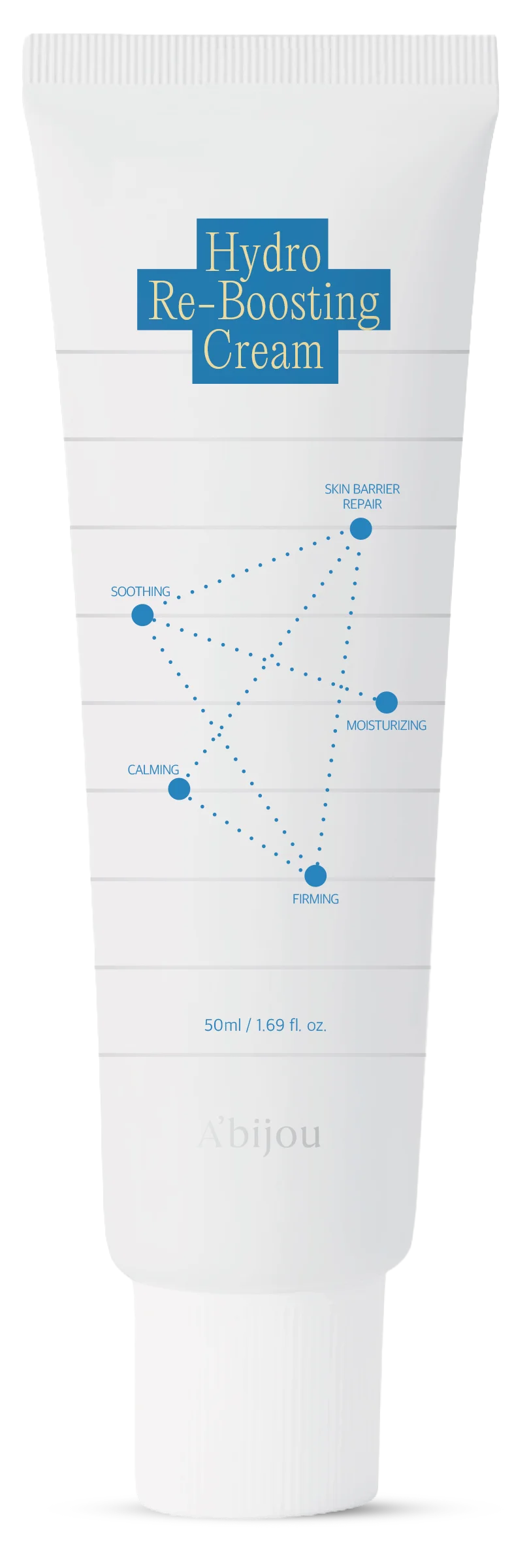 하이드로 리-부스팅 크림Buy
STEP 2 · 회복기 속보습
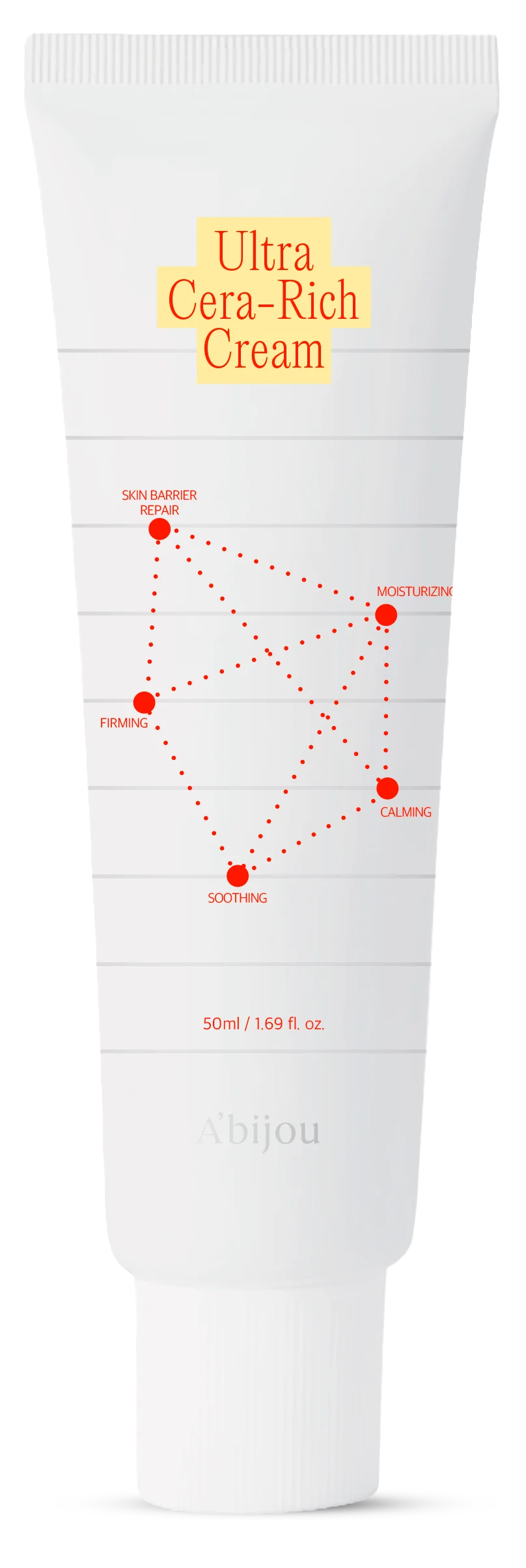 울트라 세라-리치 크림Buy
STEP 1 · 시술 직후 진정·장벽 케어