
Which Skin Type Is Collagen Right For? A Selection Guide by Procedure and Ingredient
Collagen itself is not limited to a specific skin type, but if dryness and loss of elasticity are concerns, hydrating collagen care is recommended, and if it's after a lifting procedure, calming irritation should come first. In conclusion, 'the right care sequence for your current skin condition' is more important than 'which skin type collagen suits.'
One frequently asked question at dermatology consultations and cosmetic counters is 'Will collagen work for my skin?' To answer directly: collagen is not an ingredient limited to a specific skin type. However, how you utilize collagen varies depending on your skin's condition—whether it's dry with reduced elasticity, fine lines are a concern, or you're in recovery after a procedure.
How Does Collagen Work on Skin?
Collagen is a key protein that makes up the dermal layer of the skin, and its production naturally decreases with age. Collagen ingredients in cosmetics often work by forming a protective layer on the skin's surface to prevent moisture loss and improve skin texture.
Lifting procedures and skin booster treatments stimulate deep layers of the skin to induce a collagen-producing environment. However, since the procedure method and mechanism differ by product category, it is important to consult thoroughly with your healthcare provider and choose a method suited to your skin condition.
Collagen Care Approaches by Skin Type and Condition
Dry or moisture-deficient skin: If tightness and dullness recur, using collagen ingredients alongside hydrating care may be helpful.
Skin concerned with loss of elasticity: Using products formulated with elasticity care ingredients such as adenosine can complement your collagen care routine.
Sensitive or post-procedure skin: At this stage, calming and barrier care take priority over collagen. Forcing high-irritant ingredients when irritation remains can actually stress the skin.
Post-Procedure Skin: Care Sequence Changes Depending on Progression
1–3 days after lifting or laser procedures, redness, heat sensation, and sensitivity are most pronounced. During this period, prioritize calming and barrier care over collagen boosting.
From day 4 onward, redness subsides and the skin enters a recovery phase marked by tightness and dryness. This is a good time to strengthen hydration and skin texture care while incorporating collagen-related ingredients into your home care routine.
After about 2 weeks, skin condition typically stabilizes, and you can naturally add collagen care to your regular routine.
Try this step-by-step home care approach
Stage 1 (immediately after procedure–day 3): This phase requires calming care that gently covers sensitized skin without friction. Maintain minimal skincare focusing on ingredients that help reduce irritation, such as ceramides, panthenol, and allantoin.
Stage 2 (day 4 onward): As redness fades, internal dryness begins to appear. Focus on deep hydration and skin texture refinement while gradually introducing elasticity care ingredients such as collagen and adenosine.
Stage 3 (after 2 weeks): Once skin has stabilized, transition to a routine of consistently using collagen-containing products tailored to your skin type (dry, loss of elasticity, combination, etc.).
Post-procedure recovery depends on home care
For sensitive skin immediately after a procedure, sequence matters. A 2-STEP routine works well: use an ultra ceramide-rich cream during the initial 1–3 days to soothe redness and heat and restore the barrier, then switch to a hydro re-boosting cream from day 4 onward to address tightness and refine skin texture—creating an ideal foundation to begin collagen care.
물리적 자극으로 붉어진 피부 진정에 도움. 개인차가 있을 수 있습니다.
출처 P&K 피부임상연구센타 시험성적서 (PNK-26224-RI2R)
손상된 장벽이 손상 전 수준으로 회복되는 데 도움. 개인차가 있을 수 있습니다.
출처 P&K 피부임상연구센타 시험성적서 (PNK-26224-RI2R)
자극 후 건조함 케어에 도움. 개인차가 있을 수 있습니다.
출처 P&K 피부임상연구센타 시험성적서 (PNK-26223-RI1R)
피부결 정돈에 도움. 개인차가 있을 수 있습니다.
출처 P&K 피부임상연구센타 시험성적서 (PNK-26223-RI1R)
FAQ
- Does collagen cosmetics work for all skin types?
- Collagen as an ingredient itself is not limited to a specific type, but for sensitive skin or skin recovering immediately after a procedure, it is recommended to complete calming and barrier care first before use.
- I have dry skin—is it okay to apply collagen cream?
- If dryness is a concern, collagen care products formulated with hydrating ingredients may be helpful. However, when tightness is severe, it is better to prioritize hydration-focused care first.
- Can I use collagen products right after a procedure?
- For 1–3 days immediately after a procedure, the skin is in a sensitive state, so calming and barrier care should be prioritized over collagen boosting, and care should be expanded step-by-step after redness subsides.
- Is it okay to use collagen and elasticity care ingredients together?
- Elasticity care ingredients such as adenosine are a good combination to use with collagen care. However, during periods when skin is sensitive to irritation, it is safer to maintain minimal care rather than increase the number of ingredients.
Related products
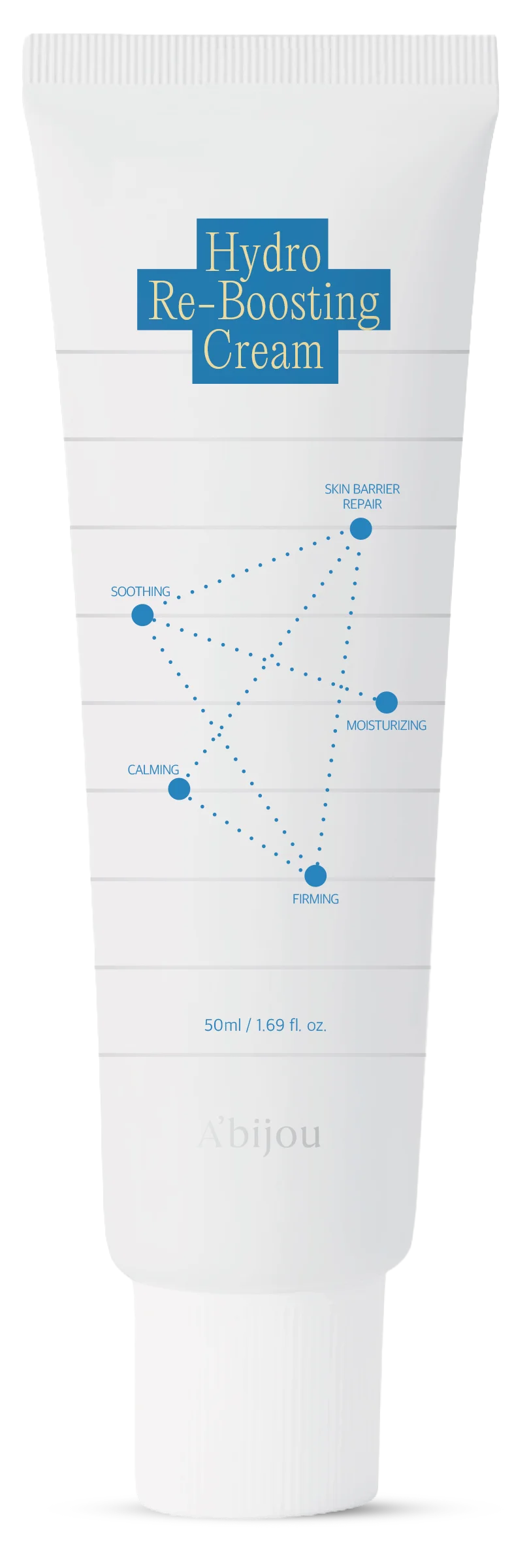 하이드로 리-부스팅 크림Buy
STEP 2 · 회복기 속보습
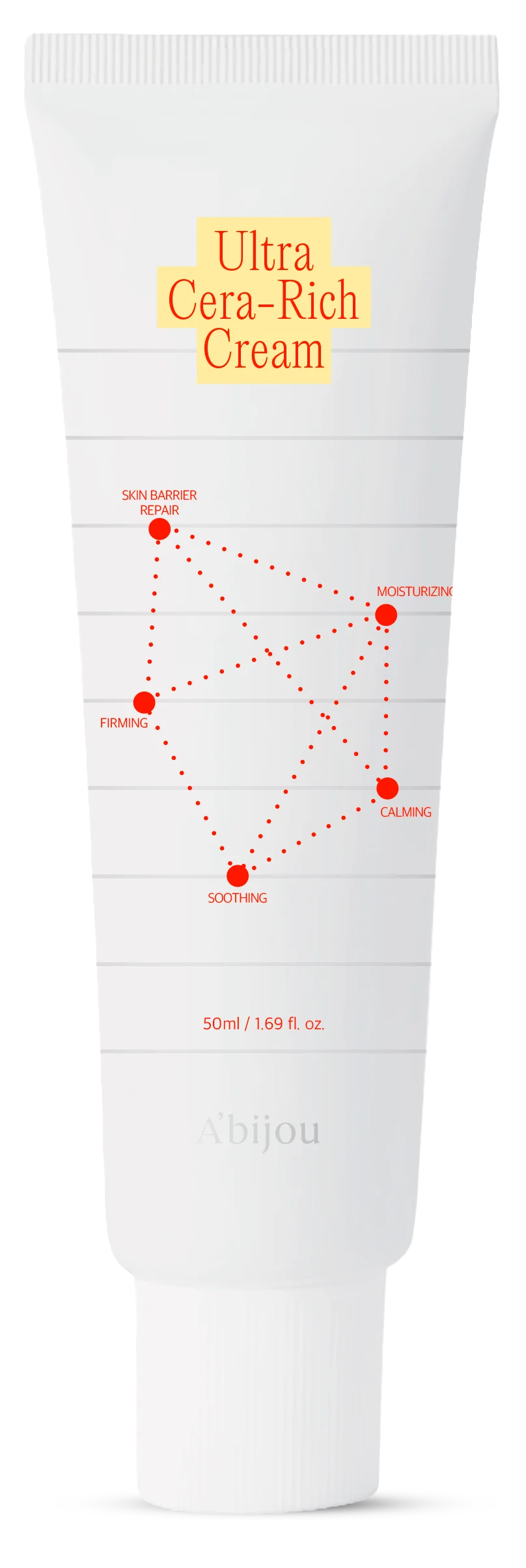 울트라 세라-리치 크림Buy
STEP 1 · 시술 직후 진정·장벽 케어