
Causes of Skin Elasticity Loss and Improvement Treatments: Know Properly and Respond
Elasticity loss appears gradually as collagen and elastin density decrease and the skin's supportive structure weakens. Lifting treatments can stimulate these structural changes and help with elasticity care, but the skin goes through a sensitive period for a few days after the procedure, so home care during this time determines the outcome. Today, we'll go through everything step by step, from the causes of elasticity loss to the post-treatment progression and stage-by-stage home care.
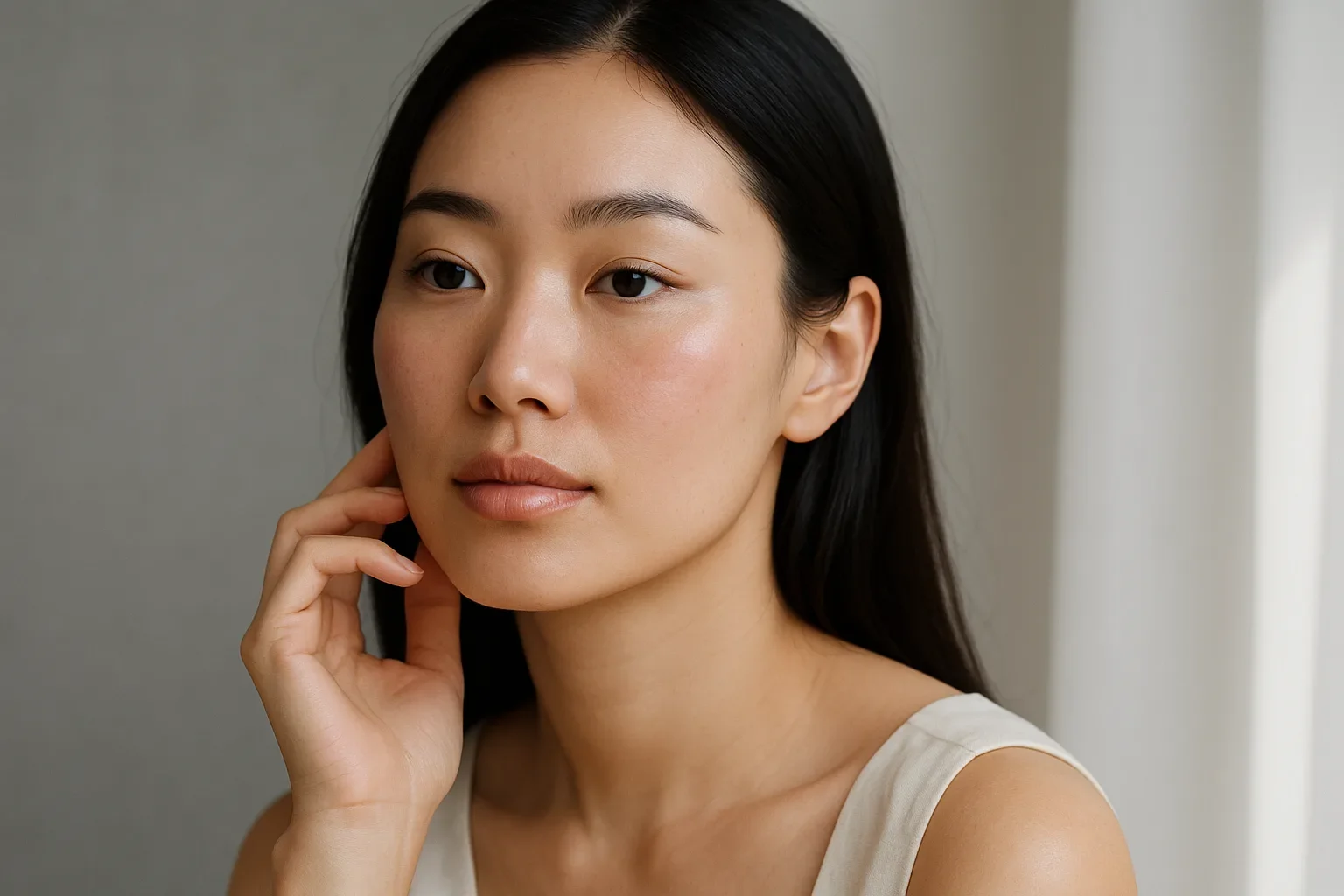
Have you ever noticed, while looking in the mirror, that your facial contours aren't quite what they used to be? Elasticity loss isn't something that happens suddenly one day — it progresses quietly beneath the skin's surface until it becomes noticeably visible at some point.
There's no need to worry too much. Once you understand the causes, it becomes much clearer how to approach the issue. In this article, we'll look at why elasticity loss occurs, what kind of progression to expect if you're considering a treatment, and how to care for your skin throughout that process.
- 11–3 Days Right After TreatmentWarmth and redness, a period sensitive to irritation
- 2Around Day 4Redness eases, tightness and fine flaking begin
- 3Recovery Period (Day 4 onward)Shift toward deep moisturizing and texture-focused care
Why Does Elasticity Loss Happen?
Skin elasticity comes from the structure in which collagen and elastin in the dermis are intertwined like a dense net, supporting the skin. However, as we age, the activity of the cells that create this structure naturally slows down, and when combined with external factors like UV exposure and lifestyle habits, the net gradually becomes looser.
On top of this, when the SMAS layer that supports the deep layers of the skin sags, and the skin barrier thins due to reduced moisture and lipids, these factors overlap to cause changes that are felt as 'loss of elasticity,' such as sagging cheeks and a blurred jawline.
Since these structural changes are hard to reverse with surface moisturizing alone, lifting procedures that stimulate collagen production through heat energy or internal skin stimulation are often mentioned as options.
How do lifting procedures proceed
Lifting procedures that use heat energy, like Ultherapy, Thermage, Shurink, and InMode, as well as skin boosters like Rejuran and Juvelook, all share one thing in common. That is, for several days immediately after the procedure, the skin becomes more sensitive than usual.
You may feel warmth or redness at the treated area, and even slight stimulation can cause tingling. This period can be understood as the skin responding to stimulation and preparing to recover. As time passes, the redness tends to subside, and then many people move into a stage where they feel tightness or dryness beneath the skin.
In other words, the 'warmth and redness stage' and the 'inner dryness stage' occur at different times and require different care. Knowing this difference and responding accordingly is key to making recovery more comfortable.
The progression by stage unfolds like this
The first 1 to 3 days after the procedure are when the skin is most sensitive. You may feel warmth, redness, and slight tightness, and even minor friction can easily cause stinging. During this period, care should focus on minimizing stimulation and covering and protecting the skin.
From day 4 onward, redness and warmth tend to subside considerably, but many people move into an inner dryness stage where the skin feels tight inside and fine flaking appears. During this period, it's good to switch to care that strengthens the barrier while filling in deep moisture.
Recovery speed and symptoms felt can vary from person to person. Rather than rushing, it's important to observe which stage your skin is currently in and adjust your care accordingly.
Home care by stage, organized like this
During the 1 to 3 days after the procedure, when warmth and redness are present, avoid irritating ingredients and rubbing friction, and lightly layer on soothing ingredients instead. For cleansing, we recommend using lukewarm water briefly and patting the skin dry.
From day 4 onward, when you feel inner tightness and flaking, move on to moisturizing care that fills in sufficient hydration along with lipid ingredients that make up the barrier. If this period isn't properly cared for, inner dryness often remains even if the skin looks fine on the surface.
For both periods, it's safer to choose formulas that are less irritating than usual, and products free of fragrance or specific irritating ingredients.
Why choosing the right cream for each stage matters
Even the same 'moisturizing cream' can feel different on the skin depending on the period and purpose for which it was made. AVIJU Cream is a recovery solution composed of 2 steps tailored to these differences by stage.
Ultra Cera-Rich Cream is designed for use during the 1 to 3 days right after a procedure, when heat sensation and redness are present. Its lipid ingredients, including 5 types of ceramides, have a composition similar to skin lipids and can help with barrier care. Hydro Re-Boosting Cream is a product designed for the recovery period from day 4 onward, when tightness and flaking may be felt, focusing on deep hydration and skin texture care with panthenol and niacinamide, among other ingredients.
Whether it's a lifting procedure or a skin booster, taking care of soothing right after the procedure and hydration during the recovery period in a step-by-step manner can help with overall skin condition management.
Post-Procedure Recovery Depends on Home Care
Since soothing care right after a procedure and deep hydration care during the recovery period serve different purposes, using separate products suited to each stage rather than relying on a single cream for the entire period can help reduce the burden on the skin. The Abiju Cream's Ultra Cera-Rich (STEP1) and Hydro Re-Boosting (STEP2) are recovery solutions designed to match this 2-step flow, so if you're considering home care after a procedure, this may be worth referring to.
물리적 자극으로 붉어진 피부의 붉은기 진정에 도움. 개인차가 있을 수 있습니다.
출처 P&K 피부임상연구센타 시험성적서 (PNK-26224-RI2R)
물리적 자극으로 손상된 장벽이 손상 전 수준으로 회복되는 데 도움. 개인차가 있을 수 있습니다.
출처 P&K 피부임상연구센타 시험성적서 (PNK-26224-RI2R)
화학적 자극으로 붉어진 피부 진정에 도움. 개인차가 있을 수 있습니다.
출처 P&K 피부임상연구센타 시험성적서 (PNK-26223-RI1R)
자극 후 건조함 케어에 도움. 개인차가 있을 수 있습니다.
출처 P&K 피부임상연구센타 시험성적서 (PNK-26223-RI1R)
FAQ
- Can elasticity loss occur even if you're not that old?
- Yes, collagen and elastin production naturally begins to slow gradually from the late 20s, and when combined with factors like UV exposure, lack of sleep, and dry skin conditions, elasticity loss can be felt regardless of age.
- How many days does redness usually last after a treatment?
- This varies by individual, but in many cases redness and warmth are noticeable for about 1 to 3 days before gradually subsiding. However, this can differ depending on skin condition or the type of treatment, so if discomfort persists for a long time, it's best to consult the clinic where you had the procedure.
- Is it okay to apply a thick moisturizing cream right after the treatment?
- During the initial 1 to 3 days, gentle care that is low in irritation and focused on protecting the skin should come first. Rather than heavy formulas, apply soothing formulas in a thin layer, and once you move into the recovery period when you feel tightness, it's recommended to reinforce moisturizing.
- Can home care alone help improve elasticity?
- Home care helps maintain skin condition and supports recovery after a treatment, but this is a different approach from reversing structural elasticity loss itself. Regardless of whether you get a treatment, consistently caring for moisture and the skin barrier can help manage overall skin condition.
Related products
 하이드로 리-부스팅 크림Buy
STEP 2 · 회복기 속보습
 울트라 세라-리치 크림Buy
STEP 1 · 시술 직후 진정·장벽 케어