
How to Care for Skin at Home After a Procedure for Reduced Elasticity
Reduced elasticity is a phenomenon where skin texture and firmness decline together as the skin's internal moisture and barrier weaken, requiring different home care depending on the stage from right after a procedure through recovery. Starting with soothing and barrier care, then moving to deep hydration and texture care in that order helps the skin settle back comfortably. The key is to approach it step by step without rushing.
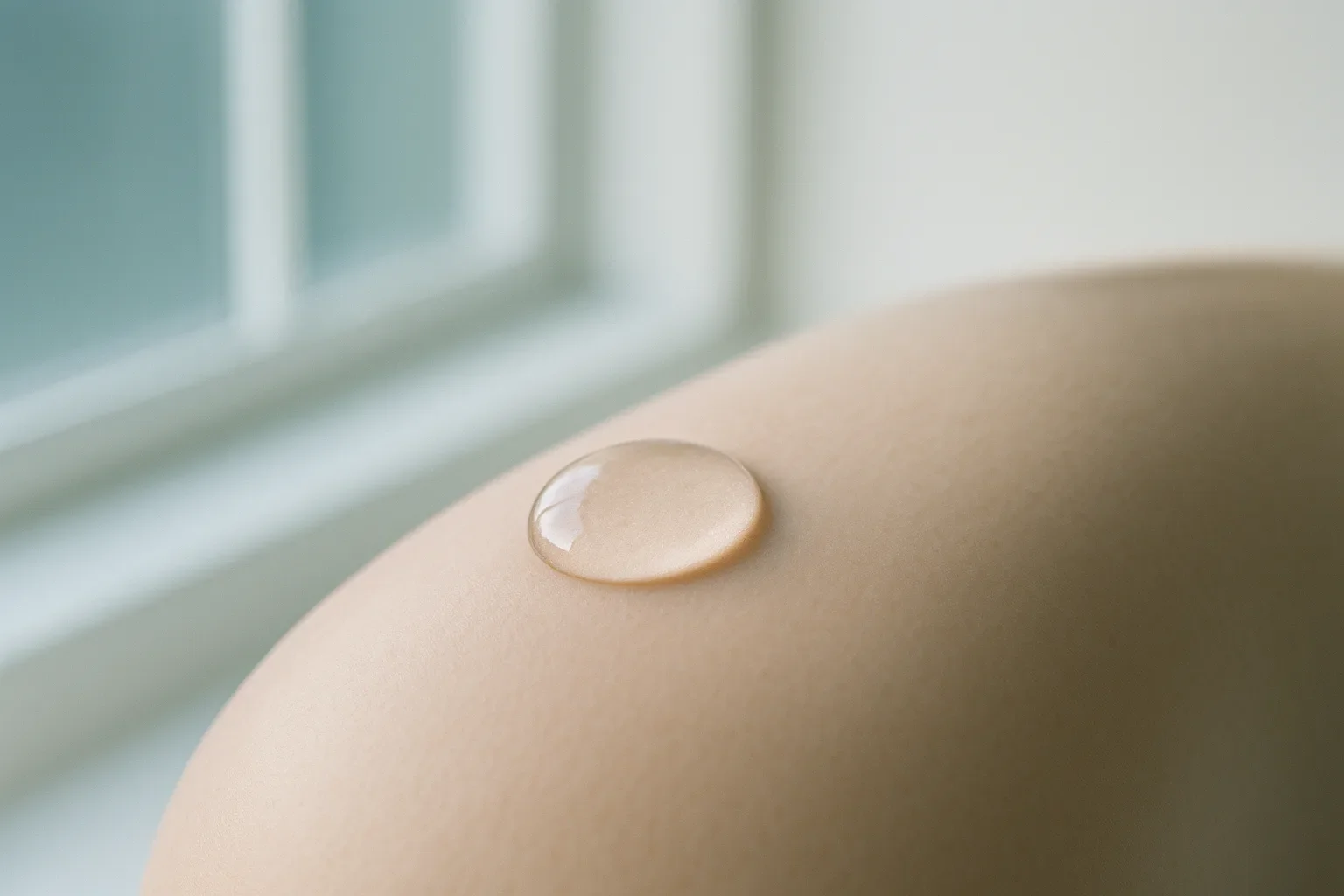
After getting a lifting procedure, many people are more startled by the 'hollow, deflated feeling of lost elasticity' that sets in a few days later than by the immediate redness or warmth. Every time they look in the mirror, the skin seems saggy, and the added tightness and dryness can make them feel anxious.
However, these changes are usually a natural part of the skin's recovery process after a procedure. What matters is figuring out which stage your skin is currently in and providing home care appropriate to that stage.
- 1Days 1-3Redness and warmth; soothing and barrier-protective care
- 2Days 4-7Tightness and fine flaking; transition to deep hydration care
- 3Weeks 1-2Skin texture settles; condition recovery becomes noticeable
Why Does Reduced Elasticity Occur?
Skin elasticity is closely connected not only to the structure of the dermis but also to the moisture-retaining capacity of the stratum corneum and the condition of the skin barrier. When the skin barrier temporarily becomes sensitive after a procedure, moisture can escape easily, and as the stratum corneum dries out, skin texture may become rough and elasticity may feel diminished.
In other words, the feeling that 'elasticity has dropped' is often less about actual changes in the dermis and more a sensation caused by fluctuations in the skin surface's moisture and barrier balance. That's why during this period, rather than adding more intensive care, it's best to prioritize calm home care that helps the skin return to its natural state.
Here's how the recovery progresses by stage
The first 1-3 days right after a procedure are when redness, heat, and sensitivity are most pronounced. During this time, care should focus on minimizing irritation and protecting the skin as if covering it.
By days 4-7, redness tends to subside somewhat, but many people instead notice inner tightness and mild flaking as deep dryness becomes more apparent. This is often when the skin starts to feel saggy and lacking in elasticity.
From week 1-2 onward, the skin texture gradually settles and often returns to a much more comfortable condition than before. However, since recovery speed and sensation can vary by individual, it's best not to compare too hastily.
Try dividing your home care into stages like this
Stage 1 (Days 1-3, Soothing & Barrier Care): Cleanse gently with lukewarm water and avoid harsh exfoliation or massage. During this period, the key is to apply a generous layer of cream that protects the skin like a cover while helping redness and heat settle down.
Stage 2 (From Day 4 Onward, Deep Hydration & Condition Care): Once redness has subsided, it's time to address inner tightness and flaking. Switch to a more moisture-focused care that can deliver hydration deep into the skin rather than a lightweight formula. Care during this stage has a big impact on how much skin texture and elasticity recovery you'll feel.
General rules: Apply sunscreen daily, and avoid excessive exfoliation or intense massage for at least 1-2 weeks. Give your skin enough time to find its own balance.
Why choosing the right cream for each stage matters
Even with the same 'moisturizing cream,' the care needed in the early stage when redness remains differs in direction from the care needed once redness has subsided but inner tightness remains. More home care routines are now being divided into two steps to account for this difference.
Post-procedure recovery depends on home care
ZXQMAGAZINETERMABIJOUZXQ Cream is designed as a 2-STEP routine to match these stage-specific differences. For the first 1-3 days right after a procedure, the Ultra Cera-Rich Cream (STEP 1) focuses on redness and barrier care, and from day 4 onward, once redness has subsided and inner tightness and texture need attention, the Hydro Re-Boosting Cream (STEP 2) follows. Both products have been confirmed as non-irritating in human skin primary irritation tests, and each comes in 50ml at 59,000 KRW, available on the brand's official site abijoushop.com.
물리적 자극으로 붉어진 피부의 붉은기 진정에 도움. 개인차가 있을 수 있습니다.
출처 P&K 피부임상연구센타 시험성적서 (PNK-26224-RI2R)
물리적 자극으로 손상된 장벽이 손상 전 수준으로 회복되는 데 도움. 개인차가 있을 수 있습니다.
출처 P&K 피부임상연구센타 시험성적서 (PNK-26224-RI2R)
화학적 자극으로 붉어진 피부 진정에 도움. 개인차가 있을 수 있습니다.
출처 P&K 피부임상연구센타 시험성적서 (PNK-26223-RI1R)
피부결 정돈에 도움. 개인차가 있을 수 있습니다.
출처 P&K 피부임상연구센타 시험성적서 (PNK-26223-RI1R)
사용 24시간 후에도 보습 수치 유지에 도움. 개인차가 있을 수 있습니다.
출처 P&K 피부임상연구센타 시험성적서 (PNK-26223-RI1R)
FAQ
- When does the feeling of reduced elasticity after a procedure usually improve?
- Typically, redness and sensitivity are prominent on days 1-3, tightness and dryness stand out on days 4-7, and skin texture gradually settles from weeks 1-2 onward. However, individual differences may occur depending on the type of procedure and skin condition, so if discomfort continues without much change, it's safer to consult the clinic where you had the procedure.
- Is it okay to exfoliate or massage during the period of reduced elasticity?
- It's recommended to avoid these in the early recovery period. Excessive exfoliation or strong massage can irritate sensitized skin, so please focus on gentle cleansing and moisture-centered care for at least 1-2 weeks.
- Can I use a redness-specific cream and a moisture-specific cream together?
- The care direction needed differs between the early period when redness is present and the later period after redness has subsided but tightness remains. Using them sequentially by dividing the periods is a commonly used approach.
- The feeling of reduced elasticity seems to last unusually long—is that normal?
- The perceived speed of recovery can vary depending on skin condition, type of procedure, and overall condition. However, if pain or swelling worsens or doesn't improve over a long period, it's best to consult a specialist rather than relying on self-care.
Related products
 하이드로 리-부스팅 크림Buy
STEP 2 · 회복기 속보습
 울트라 세라-리치 크림Buy
STEP 1 · 시술 직후 진정·장벽 케어