
How to Properly Start Home Care for Under-Eye Wrinkles
Under-eye wrinkles appear because the skin around the eyes is thinner than other areas and has fewer sebaceous glands, making it more vulnerable to dryness and the effects of facial expressions. There is no home care method that eliminates them instantly, but consistently replenishing moisturizing and elasticity-supporting ingredients while reducing UV exposure and friction through lifestyle habits can help manage the condition of the under-eye skin. The key is 'a consistent routine that prevents internal dryness.'
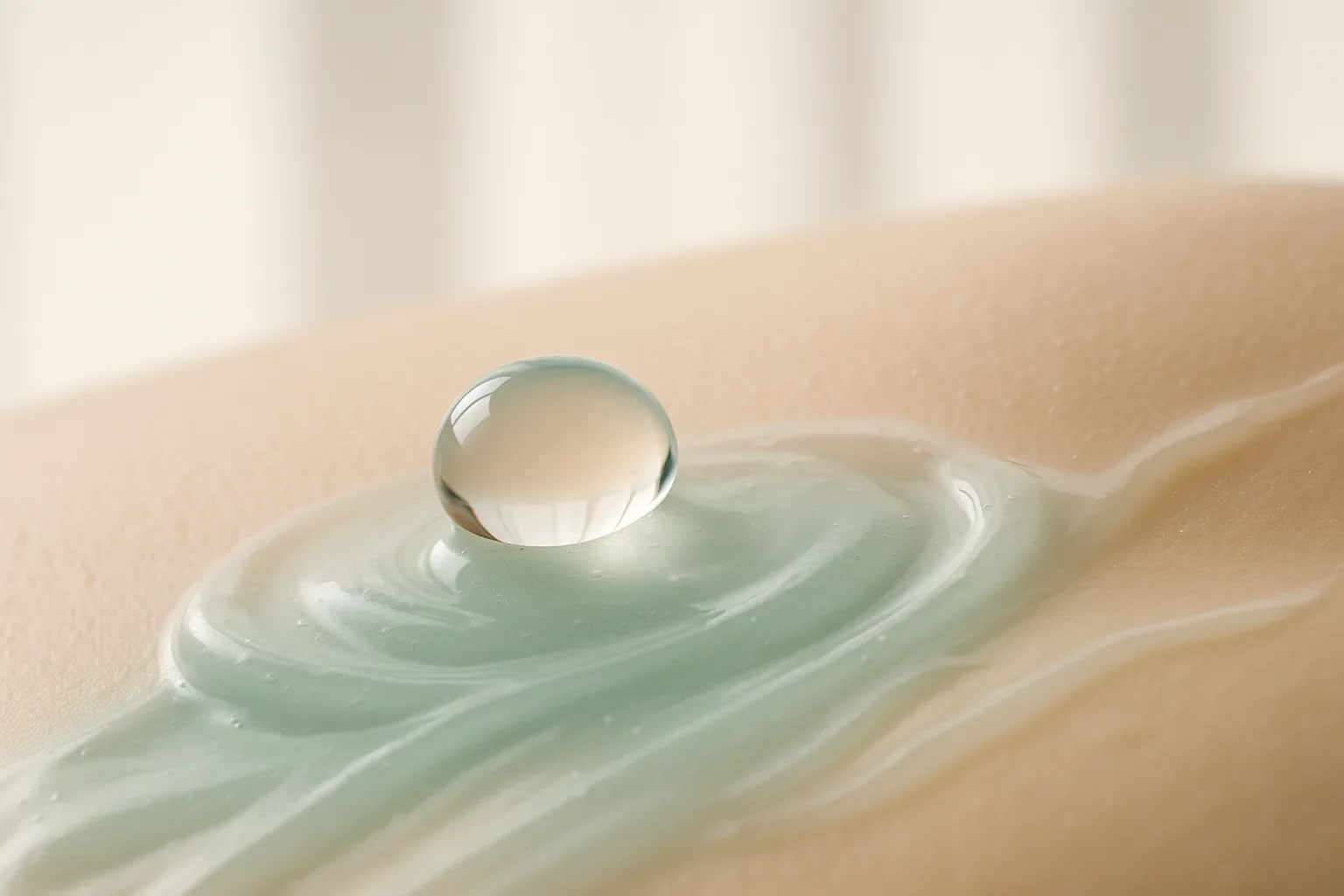
Many people find themselves bothered by the fine lines settled around their eyes every time they look in the mirror. The skin around the eyes is thinner than other areas of the face and has fewer sebaceous glands and less moisture-retaining capacity, making it the area where wrinkles tend to show up first with even small expression changes or dryness.
In this article, we've organized the causes of under-eye wrinkles, how they change over time, and step-by-step home care methods you can practice at home.
Why Do Under-Eye Wrinkles Tend to Appear First?
The skin around the eyes is, on average, thinner than other areas of the face, and its low sebaceous gland density means it has a weaker ability to retain oil and moisture on its own. On top of this, the muscle movements around the eyes—blinking thousands of times a day—add repeated micro-creasing that accumulates over time.
When combined with UV exposure, dry indoor environments, and insufficient hydration, moisture and elasticity-related components within the skin decrease, which can make under-eye wrinkles appear more pronounced. In other words, under-eye wrinkles can be seen as a phenomenon caused not by a single factor but by a combination of structural characteristics and environmental factors.
Changes in Under-Eye Skin by Stage
In your 20s, wrinkles often appear as 'dynamic wrinkles' that show only briefly when making expressions and then disappear. Building moisturizing habits from this stage can help manage overall skin condition.
From your 30s onward, it becomes more common for these to gradually shift into 'static wrinkles' that remain visible even without expressions. At this stage, a routine of consistently replenishing moisture and elasticity-care ingredients becomes even more important.
From your 40s onward, the elasticity of the under-eye skin itself may decrease, making wrinkles appear deeper. While sun protection and moisturizing care remain the basics, it may also be worth considering a consultation with a specialist.
Step-by-step under-eye home care, here's how to start
Step 1, sun protection is essential. The under-eye area is also one of the spots most easily missed when applying sunscreen. It's important to apply it carefully around the eyes and remember to reapply.
Step 2, gently pat in an eye cream or moisturizing product that replenishes hydration and nourishment using your fingertips. Patting rather than rubbing can be gentler on the thin skin around the eyes.
Step 3, also check your lifestyle habits. Habits like rubbing your eyes hard, insufficient sleep, and tension around the brow and eyes from excessive smartphone use can all put a burden on the skin around the eyes.
Step 4, maintaining overall facial moisture balance is also important. Rather than caring for the under-eye area alone, under-eye skin tends to stabilize together when the skin barrier of the entire face is kept healthy.
A moisturizing habit that replenishes from deep within the skin is key
The most important thing in under-eye wrinkle home care is not 'surface hydration' but 'deep hydration.' Rather than a product that simply makes the skin's surface look moist, what matters is an ingredient composition that delivers moisture deep into the stratum corneum and keeps it there longer.
Especially during a recovery period after a procedure or a season change when the skin barrier is more sensitive than usual, choosing a product that addresses both moisturizing and barrier care together can be helpful.
Home care determines recovery after a procedure
In this context, the 2-STEP composition of the ZXQMAGAZINETERMABJUZXQ cream is worth referencing. In the period right after a lifting or laser procedure when redness and warmth remain, STEP1 Ultra Cera-Rich Cream provides soothing and barrier care, while during the recovery period when redness has subsided but a feeling of tightness remains, STEP2 Hydro Re-Boosting Cream continues with deep hydration and skin texture care. The Hydro Re-Boosting Cream has been confirmed in human application tests to help with sustained hydration, deep moisture in the stratum corneum, and skin texture refinement, making it a useful reference for a moisturizing routine covering the entire face, including the under-eye area, during home care. Even without a planned procedure, if you often feel dryness, managing your skin condition with a product focused on deep hydration is also an option.
FAQ
- Can under-eye wrinkles be completely eliminated with home care alone?
- Home care can help manage dryness and uneven skin texture around the eyes, but this is a different concept from completely eliminating wrinkles that have already become deeply set. It's more realistic to focus on maintaining skin condition through consistent moisturizing and lifestyle management.
- Do I need to use products specifically made for the eye area?
- Since the skin around the eyes is thinner and more sensitive than other areas, dedicated eye products are often recommended. However, if a facial moisturizer is gentle and has confirmed moisturizing power, lightly extending its use to the eye area can also be an option.
- When is a good time to start under-eye wrinkle home care?
- Starting moisturizing and sun protection habits before wrinkles become visibly noticeable—that is, from the stage when they only slightly appear during facial expressions—can help with managing skin condition.
- Should I continue the same under-eye home care routine after a procedure?
- Immediately after a procedure, calming redness and heat is the priority, and it's common to transition to moisture-focused care once the redness has subsided. Since the necessary care may differ by stage, it's a good idea to adjust products according to the recovery phase.
Related products
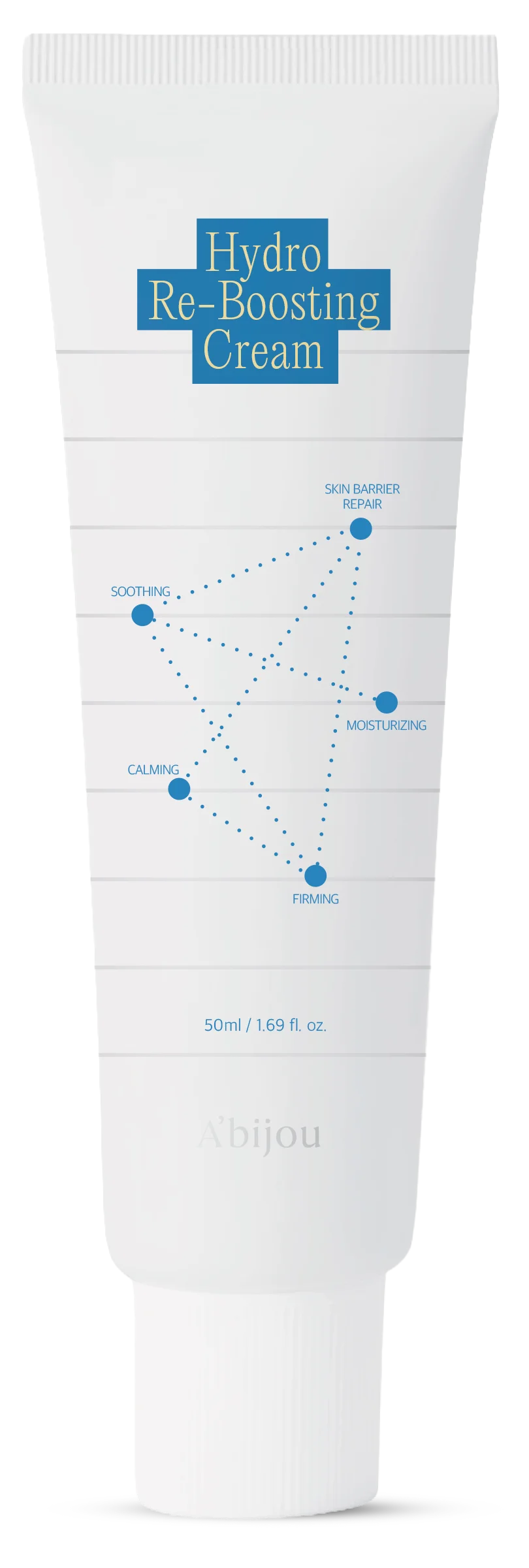 하이드로 리-부스팅 크림Buy
STEP 2 · 회복기 속보습
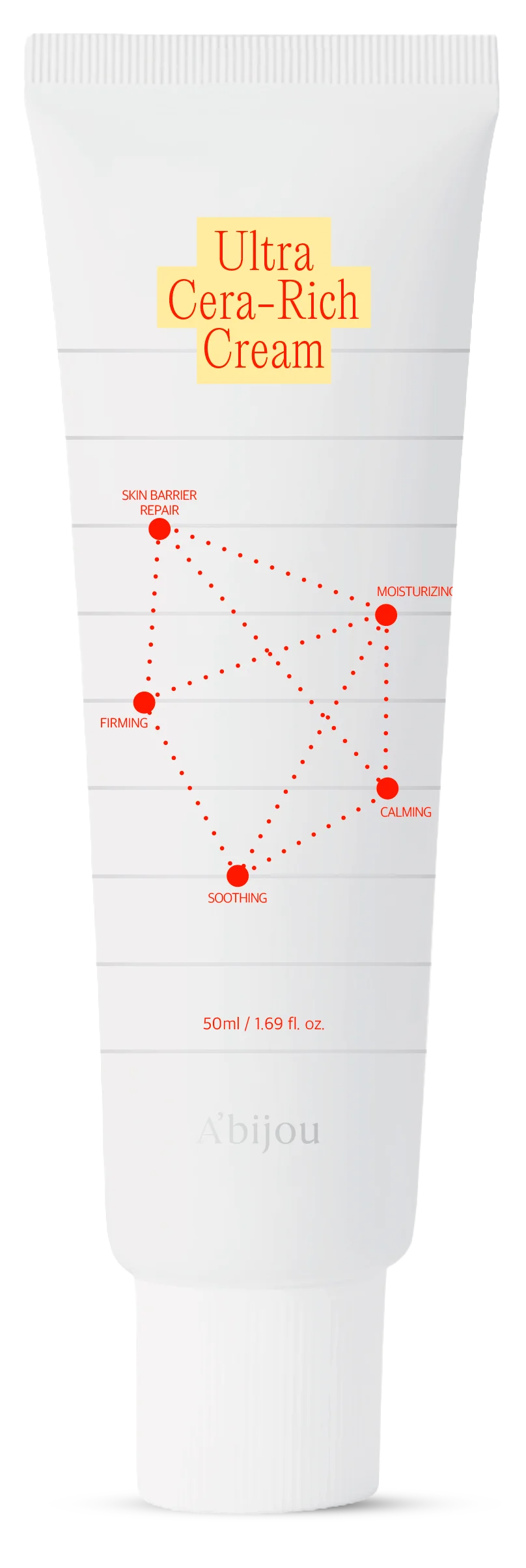 울트라 세라-리치 크림Buy
STEP 1 · 시술 직후 진정·장벽 케어