Comparing Forehead Wrinkle Treatment Options: From Botox to Lifting Procedures
Forehead wrinkles are divided into dynamic wrinkles caused by expression habits and static wrinkles caused by reduced skin elasticity, and depending on the cause, different approaches are chosen: Botox, lifting procedures (Ultherapy, Thermage, Shurink, InMode, etc.), or skin boosters (Rejuran, Juvelook, etc.). Regardless of which procedure is received, what determines the result is skin care in the days following the treatment, which should be supported by step-by-step home care.
Forehead wrinkles are broadly divided into two types. 'Dynamic wrinkles,' which appear only when frowning or raising the eyebrows, are caused by muscle contraction, so muscle-relaxing treatments like Botox are mainly considered. On the other hand, 'static wrinkles,' which remain even without an expression, result from reduced skin elasticity and dermal density, and are often addressed with heat energy-based lifting procedures or skin boosters that help stimulate collagen production.
Understanding which type your forehead wrinkles are closer to, and how the approach differs by treatment type, allows for a more accurate conversation during a consultation.
- 1Immediately after treatmentRedness, warmth, and sensitive skin condition
- 2Days 1–3Stage focused on soothing and protective care
- 3Day 4 onwardRedness subsides, tightness and dryness begin
- 4Recovery periodStage for deep moisture and skin texture care
Why Forehead Wrinkles Form and How They Differ
Dynamic wrinkles form when repeated contraction of the frontalis (forehead muscle) etches a crease line into the skin. They can appear early, regardless of age, in people with strong expression habits.
Static wrinkles are closely related to overall changes in skin structure, including decreased collagen and elastin, reduced skin thickness, and loss of subcutaneous fat. If wrinkles remain even without making an expression, the main cause is likely reduced elasticity in the skin itself rather than the muscles.
In reality, the two types are often mixed, so during consultation, dermatologists and plastic surgeons typically assess the wrinkle pattern based on expression and propose a treatment direction accordingly.
Comparing the Characteristics of Each Treatment Option
Botox is used to temporarily reduce muscle contraction signals to alleviate dynamic wrinkles, and since its effects gradually fade, repeated treatments at regular intervals are necessary.
Heat energy-based lifting treatments such as Ultherapy, Thermage, Shurink, Onda, Titanium, and InMode work by delivering heat to the deep layers of the skin to promote collagen remodeling, and are considered options when both static wrinkles and skin sagging are concerns. Since the depth and method of energy delivery vary by device, it is important to make a selection based on skin condition in consultation with a specialist.
Skin boosters such as Rejuran, Juvelook, Revive, and Laetigen Collagen Booster work by injecting ingredients that help create a hydrating and restructuring environment within the skin, caring for skin texture and elasticity overall, often focusing more on improving skin condition than on wrinkles themselves.
Regardless of the treatment, the duration of effects and the recovery process can vary depending on individual skin condition, lifestyle habits, and post-treatment care.
What Changes Can You Expect in the Days After Treatment
Immediately after heat energy-based lifting treatments, redness and a slight sensation of warmth may be felt in the treated area, and this tends to be most noticeable from right after the procedure through days 1 to 3. During this period, the skin becomes sensitive to external stimuli, and some people may experience stinging even from washing their face or friction.
From day 4 onward, the initial redness and warmth gradually subside, but a new feeling of tightness and dryness deep within the skin may appear instead. This is a period when internal dryness becomes more noticeable as the skin barrier recovers, requiring moisture-focused care.
Even after Botox or skin booster treatments, temporary redness or minor irritation at the injection site may occur, and the speed and pattern of recovery can vary by individual.
A Step-by-Step Home Care Guide by Period
The period from right after the procedure through days 1 to 3 is a stage of 'covering and protecting' the skin. The priority is to avoid irritating ingredients or strong friction, and to stabilize the skin with a low-irritation cream focused on soothing and barrier care.
From day 4 onward, it is advisable to switch to an 'inner moisturizing' stage that addresses tightness and dryness. Switching to a product that can deliver moisture deep into the skin, even with a light texture, can help refine skin texture.
In both stages, it is recommended to lightly tone the skin after cleansing, then gently pat in the product—especially around irritated areas—rather than rubbing.
Post-Treatment Care: Which Products Should You Choose
Since the skin's care needs change depending on the period after treatment, a reasonable approach may be a two-step regimen tailored to each stage, rather than relying on a single cream to cover the entire process.
Abijou Cream is a 2-STEP recovery solution designed to match these phase-specific skin changes. For days 1 to 3 right after heat-based lifting treatments such as Ultherapy, Thermage, or Shurink, the 'Ultra Cera-Rich Cream' focuses on soothing and barrier care, while for the recovery period after skin booster treatments like Rejuran or Juvelook, or from day 4 onward, the 'Hydro Re-Boosting Cream' focuses on deep hydration and skin texture care. Each is 50ml, priced at 59,000 KRW, and available at the official online store abijoushop.com.
Post-treatment recovery depends on home care
Regardless of the type of treatment, the recovery process follows a common flow of 'soothing followed by hydration.' Abijou Cream is a 2-STEP solution consisting of the Ultra Cera-Rich Cream for days 1 to 3 right after treatment and the Hydro Re-Boosting Cream for the recovery period from day 4 onward, allowing step-by-step use according to changes in skin condition after forehead wrinkle treatments.
물리적 자극으로 붉어진 피부가 진정되는 데 도움. 개인차가 있을 수 있습니다.
출처 P&K 피부임상연구센타 시험성적서 (PNK-26224-RI2R)
손상된 장벽이 손상 전 수준으로 회복되는 데 도움. 개인차가 있을 수 있습니다.
출처 P&K 피부임상연구센타 시험성적서 (PNK-26224-RI2R)
사용 24시간 후에도 보습 수치 유지에 도움. 개인차가 있을 수 있습니다.
출처 P&K 피부임상연구센타 시험성적서 (PNK-26223-RI1R)
피부결이 자극 전 수준으로 정돈되는 데 도움. 개인차가 있을 수 있습니다.
출처 P&K 피부임상연구센타 시험성적서 (PNK-26223-RI1R)
FAQ
- For forehead wrinkles, is Botox or a lifting procedure more effective?
- The approach differs depending on whether the wrinkles are dynamic (visible only when making an expression) or static (remaining even without an expression). An accurate judgment should be made after a specialist directly examines the skin condition during a consultation.
- Can I apply a moisturizing cream right after a lifting procedure?
- Since the skin is in a sensitive state immediately after the procedure, it is recommended to first use products focused on soothing and barrier care with minimal irritation, and then switch to moisture-focused products once a sense of tightness begins to appear.
- Do skin booster treatments require the same care as lifting procedures?
- While skin boosters may cause relatively less irritation at the injection site, the need for internal hydration and condition care after the procedure is the same. Deep moisture care suited to the recovery period can be helpful.
- How long do the effects of forehead wrinkle treatments last?
- The duration can vary depending on the type of procedure and the individual's skin condition and lifestyle habits, so it is best to confirm this directly with the treating specialist during a consultation.
Related products
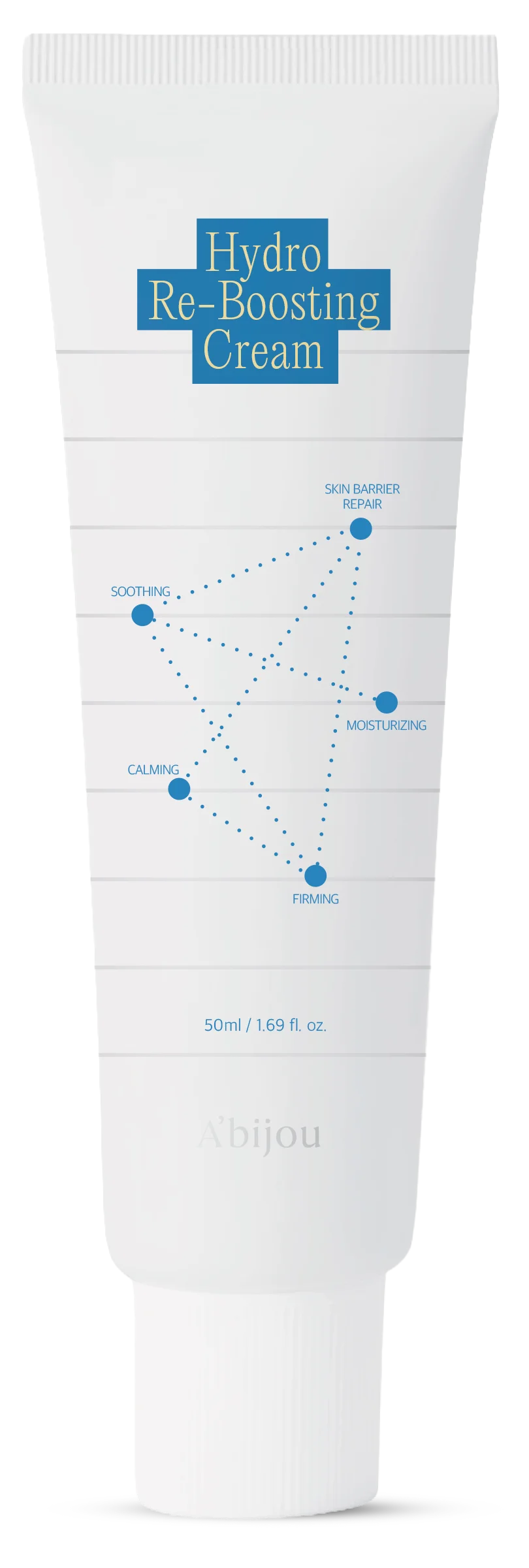 하이드로 리-부스팅 크림Buy
STEP 2 · 회복기 속보습
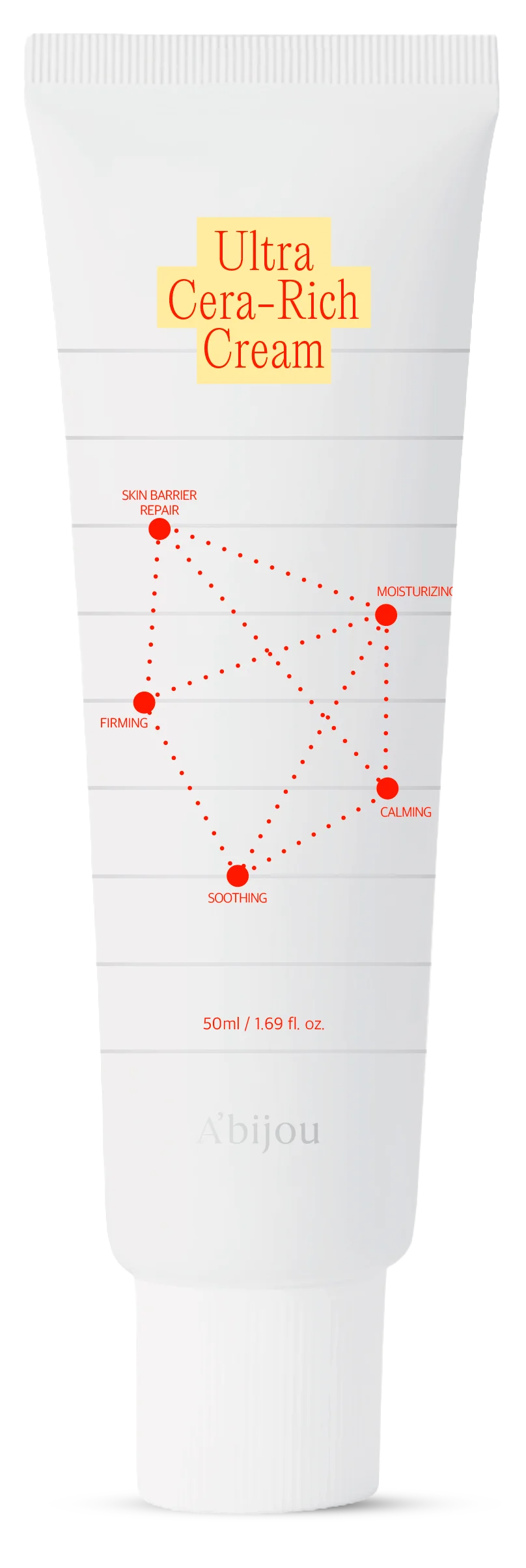 울트라 세라-리치 크림Buy
STEP 1 · 시술 직후 진정·장벽 케어