
Understanding the Causes of Forehead Wrinkles and Treatment Options
Forehead wrinkles are divided into dynamic wrinkles caused by facial expressions and static wrinkles that become fixed over time, with repeated muscle contractions and reduced collagen and elasticity being the main causes. To improve them, approaches tailored to the cause are used, such as Botox, lifting procedures, and skin boosters, and regardless of the procedure, home care that manages the skin barrier and hydration afterward is a key variable that determines the results.
Many people start searching online because they're bothered by the horizontal lines becoming more visible on their forehead every time they look in the mirror. Forehead wrinkles aren't simply due to age; they're a change that appears due to a combination of expression habits, skin elasticity, and the condition of the dermis layer.
This article summarizes the mechanisms behind forehead wrinkles, how they change over time, and the treatment directions considered for improvement. Rather than making definitive claims about the effects of any specific procedure, the purpose is to provide information that helps readers understand the causes and make choices suited to themselves.
- 1Days 1-3 Immediately After the ProcedureRedness and warmth, soothing-focused care (Ultra Cera-Riche)
- 2Recovery Period from Day 4 OnwardInner tightness and slight dryness, deep hydration-focused care (Hydro Re-Boosting)
- 3Skin Texture Refinement PeriodA stage where skin texture and condition gradually stabilize
Why Do Forehead Wrinkles Form?
Forehead wrinkles are broadly divided into two types. 'Dynamic wrinkles,' which appear only when raising the eyebrows or making a surprised expression, and 'static wrinkles,' where the lines remain even without any expression. Dynamic wrinkles occur when the frontalis muscle (forehead muscle) repeatedly contracts, creating creases on the skin surface, and when this movement accumulates over years, the collagen structure in the dermis becomes imprinted with that shape, solidifying into static wrinkles.
When this is combined with the decrease in collagen and elastin production that comes with aging, along with the thinning of the skin's elasticity and thickness, wrinkles appear deeper and more pronounced even with the same expression. UV exposure, dry skin condition, and sleeping habits (such as sleeping face-down) are also cited as factors that can influence how quickly wrinkles become set.
How forehead wrinkles change by age
In the 20s, it often begins as faint lines that are only slightly visible when making an expression. At this stage, being mindful of habitual facial expressions and maintaining proper moisturizing care alone can help slow the rate at which wrinkles deepen.
From the mid-to-late 30s onward, cases increase where faint lines remain even after relaxing the expression. During this period, treatments that ease repeated muscle contractions or treatments that help care for the skin's own elasticity are often considered together.
After the 40s, static wrinkles become more pronounced and often appear alongside skin sagging, so it is common to consider a combined approach of muscle relaxation and lifting/elasticity care. However, since skin condition and wrinkle depth vary greatly between individuals, it is advisable to check your exact condition through a consultation with a specialist.
Treatment directions considered for improving forehead wrinkles
If dynamic wrinkles are the main concern, treatments that ease excessive muscle contraction are mainly discussed, and if static wrinkles and sagging are present together, heat-energy-based lifting treatments (radiofrequency and ultrasound types) that help skin elasticity and collagen production, or skin booster treatments that care for the skin's own volume and texture, are considered together.
Regardless of which treatment is chosen, a commonly important point is that immediately after the procedure, the skin is temporarily sensitive and its barrier is weakened. How the skin is managed during this period can affect the overall recovery process and skin condition, so it is recommended to learn about 'post-procedure care' as much as about the procedure itself.
How the skin changes after the procedure
Immediately after lifting-type procedures, warmth and redness are often accompanied, and after skin booster procedures, temporary sensitivity and slight dryness from needle stimulation may appear. The initial 1 to 3 days are generally a period requiring soothing, and from day 4 onward, the focus shifts to a period where deep moisturizing care to address tightness and inner dryness becomes important.
Understanding this flow of change and providing home care suited to each period can help you experience the results of the procedure more comfortably.
Dividing home care by period
① Days 1-3 immediately after the procedure: This is the period when the skin is most sensitive. It is best to pat the skin gently to absorb products after cleansing without rubbing, and focus on calming redness and warmth with a low-irritation, soothing formula.
② Recovery period after day 4: Even if the skin appears calm on the surface, it is often still dry underneath. During this period, it is a natural flow to switch to a formula focused on deep hydration and skin texture care.
Switching products to match this 2-step flow may feel cumbersome, but providing care suited to each stage of recovery for stimulated skin can ultimately lead to a more comfortable recovery.
Home care determines recovery after a procedure
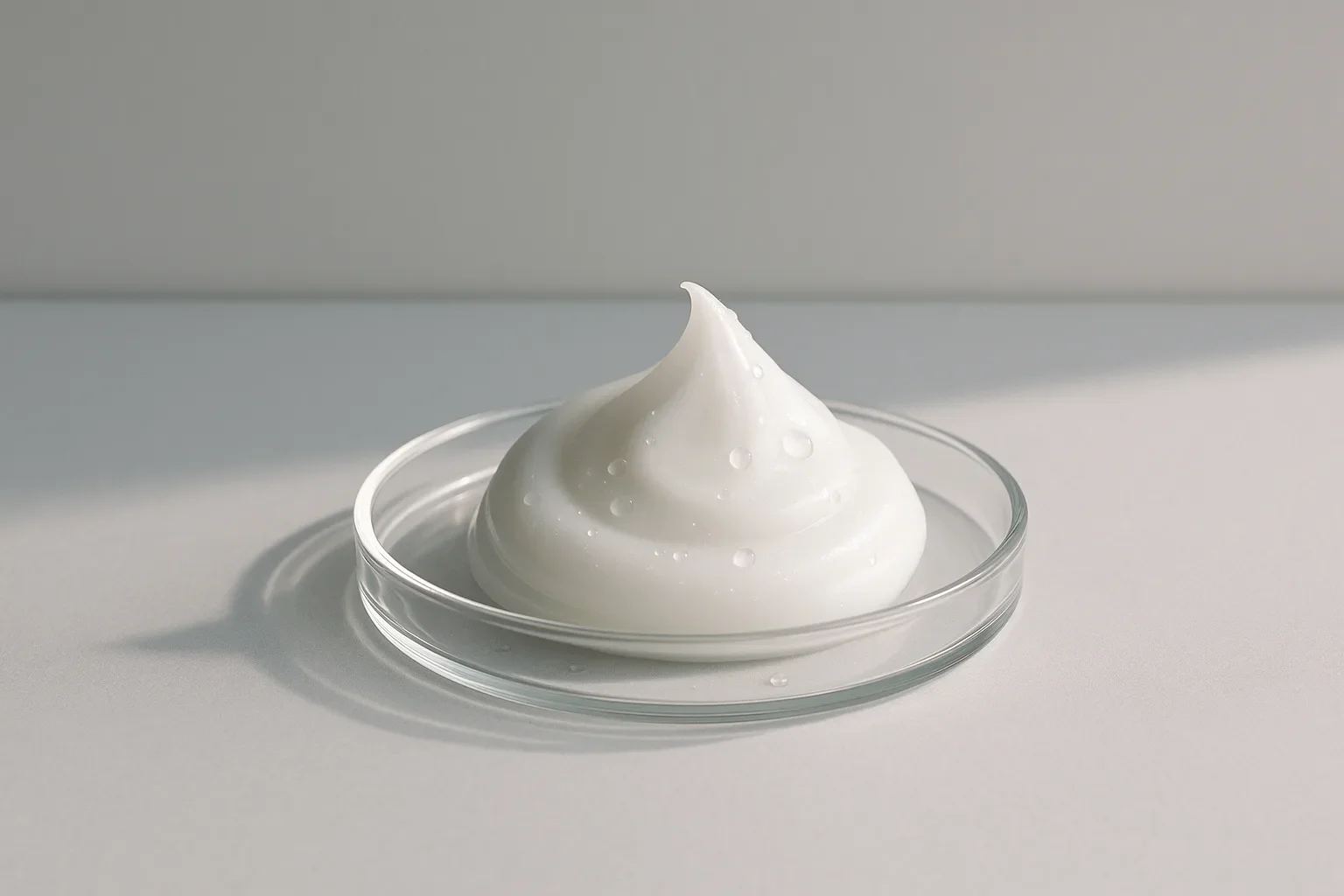
In line with this flow, ABZU Cream is composed of a 2-step recovery solution after a procedure. For the first 1 to 3 days right after the procedure, the 'Ultra Cera-Rich Cream,' focused on soothing redness and barrier care, is used, and during the recovery period after day 4, the 'Hydro Re-Boosting Cream,' which helps with deep hydration and skin texture care, is used. If you are considering Botox or lifting procedures, we recommend looking into the Ultra Cera-Rich Cream, and if you are considering skin booster procedures such as Rejuran or Juvelook, we recommend looking into the Hydro Re-Boosting Cream.
물리적 자극으로 붉어진 피부의 붉은기 진정에 도움. 개인차가 있을 수 있습니다.
출처 P&K 피부임상연구센타 시험성적서 (PNK-26224-RI2R)
물리적 자극으로 손상된 장벽이 손상 전 수준으로 회복되는 데 도움. 개인차가 있을 수 있습니다.
출처 P&K 피부임상연구센타 시험성적서 (PNK-26224-RI2R)
화학적 자극으로 붉어진 피부 진정에 도움. 개인차가 있을 수 있습니다.
출처 P&K 피부임상연구센타 시험성적서 (PNK-26223-RI1R)
사용 24시간 후에도 보습 수치 유지에 도움. 개인차가 있을 수 있습니다.
출처 P&K 피부임상연구센타 시험성적서 (PNK-26223-RI1R)
FAQ
- At what age do forehead wrinkles start to appear?
- There is significant individual variation, but depending on expression habits, fine dynamic wrinkles can start appearing from one's 20s. Static wrinkles, which remain even when the face is relaxed, often appear from the mid-to-late 30s onward, but the timing can vary depending on skin elasticity and lifestyle habits.
- If I get a forehead wrinkle treatment once, will the effect last a long time?
- It's difficult to say definitively, as the duration can vary depending on the type of procedure, individual skin condition, and expression habits. For accurate expected duration and retreatment intervals, it's best to consult with the specialist performing the procedure.
- Can I wear makeup right after the procedure?
- This varies depending on the treated area and type of procedure, so following the guidance of your medical provider is most accurate. Generally, since the skin is in a sensitive state right after a procedure, it's recommended to first apply gentle, soothing care and adjust the timing of makeup according to the guidance given.
- How long do redness and dryness last after the procedure?
- This varies by procedure type and individual differences, but typically redness and a warm sensation are prominent during the first 1-3 days, and from day 4 onward, while redness subsides, inner dryness is often felt. If symptoms persist for a long time or worsen, it is safest to contact the clinic where you received the treatment.
- Is there anything I can do in daily life to prevent forehead wrinkles?
- Consciously reducing the unconscious habit of raising your eyebrows, along with consistent sun protection and moisturizing care, can help slow down the rate at which wrinkles deepen.
Related products
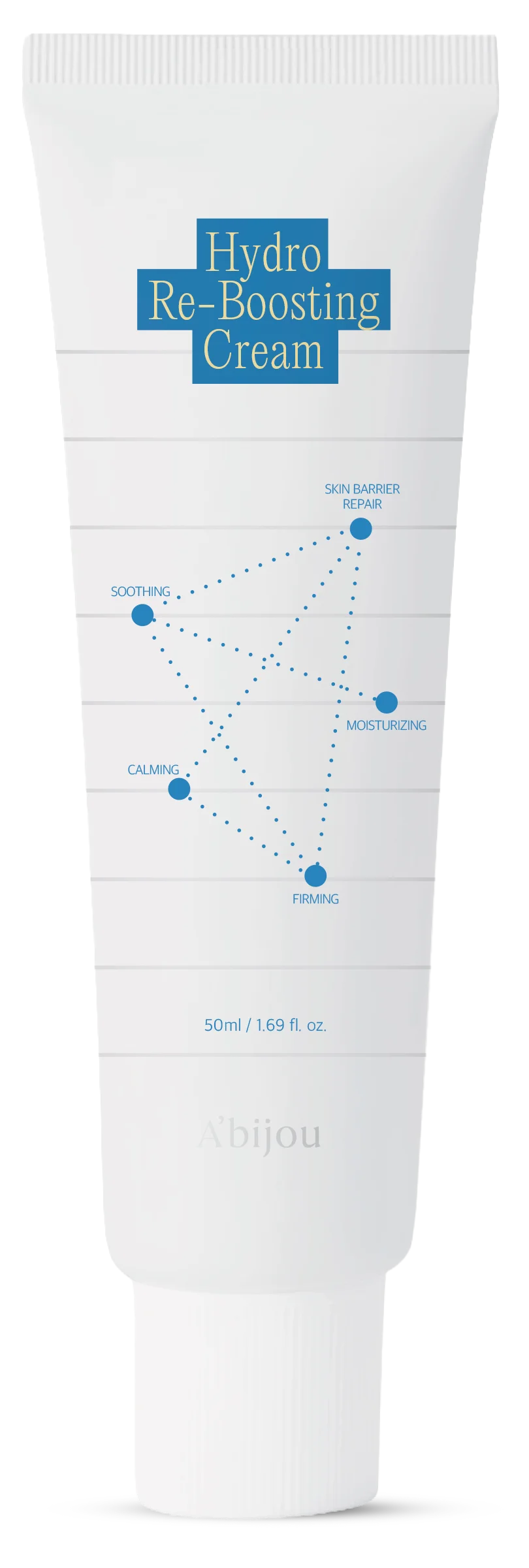 하이드로 리-부스팅 크림Buy
STEP 2 · 회복기 속보습
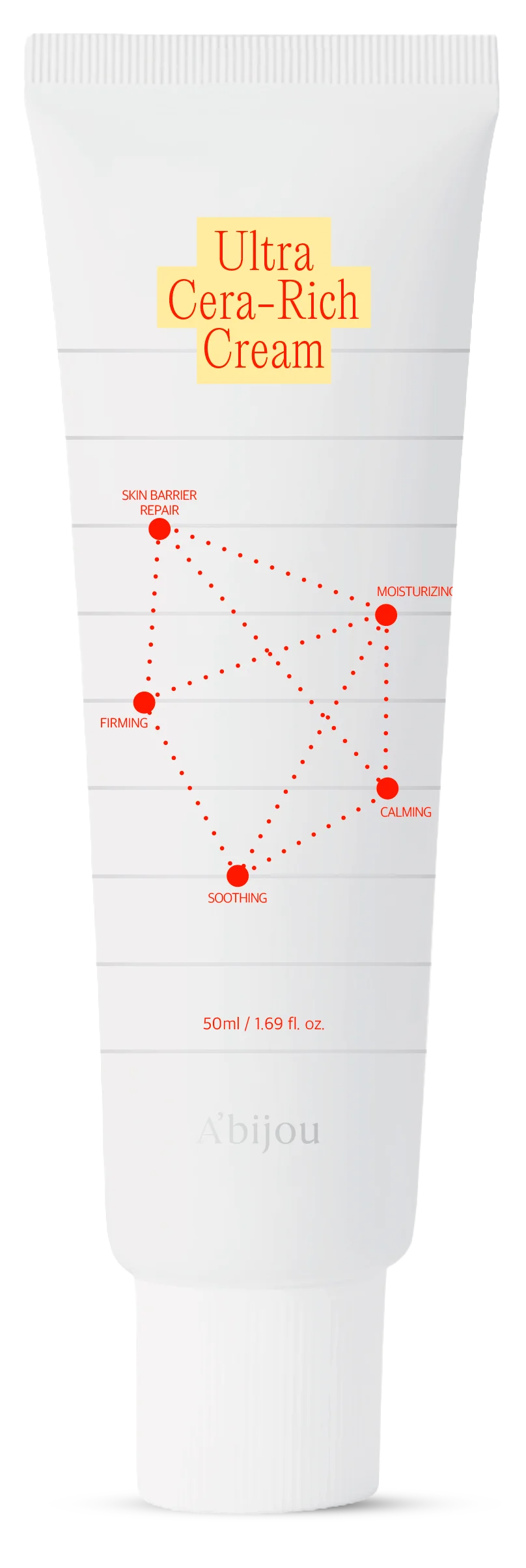 울트라 세라-리치 크림Buy
STEP 1 · 시술 직후 진정·장벽 케어