
Gembur Lifting: Effects, Procedure, and How Long It Lasts
Gembur Lifting is a thread lifting procedure that uses spring-shaped absorbable threads inserted into the skin to add volume to sunken areas and refine sagging lines. Since the effects, duration, and downtime vary significantly by individual, it is advisable to consult a specialist before deciding whether to undergo the procedure.
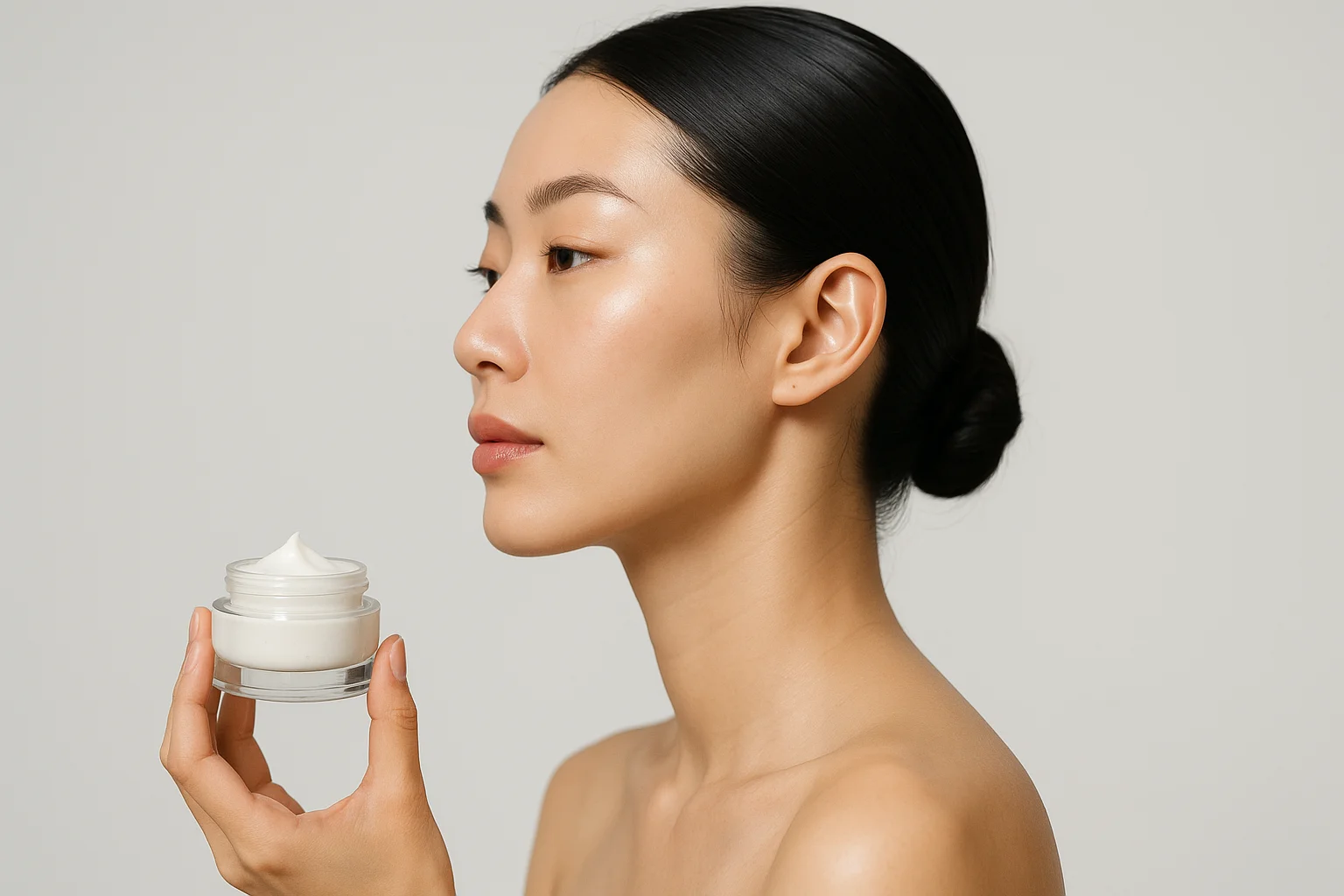
Many people consider thread lifting procedures when they want to address sagging facial lines or a sunken appearance in the cheeks. Among these, 'Gembur Lifting' is introduced as a procedure that uses compressed spring-shaped threads to fill in volume.
This article provides neutral information on the principles behind Gembur Lifting, how it differs from other thread lifting procedures, the treatment process and recovery period, and points to consider for home care after the procedure.
- 1상담 및 디자인리프팅 방향·부위 설계
- 2마취표면 마취, 필요시 국소 마취 병행
- 3실 삽입스프링형 녹는 실을 피부층에 삽입
- 4정리 및 안내삽입부 정리, 시술 후 주의사항 안내
- 5일상 복귀당일 가능하나 붓기·멍 있을 수 있음
What Is Gembur Lifting? How It Differs from Other Thread Lifting Procedures
Gembur Lifting is a procedure that aims to create three-dimensional volume in sunken areas by inserting tightly coiled, spring-shaped absorbable threads (scaffold-type threads) into the skin layers. Unlike cog threads or mint threads, which are generally described as working by 'pulling and fixing,' Gembur Lifting is introduced as a method closer to 'filling in,' and is explained as acting like a supporting structure (pillar) that holds up tissue within the dermis.
The inserted threads are absorbed by the body over time, and this process is intended to induce a response in the surrounding tissue. However, it should be noted that this explanation is based on materials provided by individual clinics for introducing the procedure, and has not been confirmed through independent, large-scale clinical studies.
While Cog Lifting focuses on supporting sagging areas with barbs, and Mint Lifting focuses on achieving stronger fixation through a 360-degree barb structure, Gembur Lifting is introduced as a procedure that focuses on managing both volume and the impression of firmness. Since individual differences are significant in determining which thread is more suitable for one's skin condition, it is advisable to make this decision through consultation with a specialist.
Expected Effects of Gembur Lifting (Individual Differences Apply)
Gembur Lifting aims to help support sagging lines, refine facial contours, and manage skin texture and a firmer impression. However, this describes the purpose and direction of the procedure, and the actual degree of perceived change may vary depending on the type and design of thread used, the treatment area, and individual skin conditions.
Immediately after the procedure, some physical tightness may be felt due to thread insertion, but changes resulting from tissue response are described as tending to appear gradually over time rather than immediately. It is difficult to predetermine whether or to what extent effects will occur, and individual differences should be taken into account.
Procedure Process and Duration
Gembur Lifting is generally described as proceeding through consultation and design, surface anesthesia (with local anesthesia combined if needed), insertion of absorbable threads, cleanup and guidance at the insertion sites, and return to daily activities. The procedure time varies by treatment area and typically takes about 30 to 60 minutes.
As this procedure involves inserting threads using a needle or cannula, the degree of pain and the specific process may vary depending on the treatment area and individual skin condition, so it is recommended to receive a thorough explanation during the pre-procedure consultation.
Downtime, Recovery Period, and Duration
Anesthesia is administered during the procedure, and pain afterward is generally known to be mild, though this varies by individual. Swelling or bruising may appear for several days up to about two weeks, and while returning to daily activities is often possible on the same day, it should be noted that swelling or bruising may still be present.
The duration of the effect is known to vary considerably depending on the type of thread used, the treatment area, and the individual's skin condition and lifestyle habits. It is often described as lasting about 1 to 2 years, but this should be understood as a reference figure with significant individual variation rather than an absolute number. The recommended interval for repeat procedures is also generally around 1 to 2 years, and should be determined through consultation based on individual condition.
Thread lifting procedures are described as having a relatively faster recovery compared to surgical incision procedures, but compared to non-invasive treatments, they belong to a category that requires general precautions such as bruising, swelling, and infection risk due to needle insertion. It is important to fully inform the medical provider of your health condition, medications you are taking, and any history of allergies before the procedure.
Why Home Care During the Post-Procedure Recovery Period Matters
The thread insertion area is in a sensitive state immediately after the procedure, and how the skin condition is managed during this period can affect the speed of recovery from swelling and bruising, as well as the overall perceived skin condition afterward. In particular, during the several days to two weeks when swelling and bruising may remain, care is needed to minimize irritation and maintain a stable skin barrier.
During this period, it is advisable to focus on gentle care centered on soothing and moisturizing, avoid vigorous massage or strong pressure, and avoid excessive heat exposure such as saunas or steam rooms, while following the guidance of your medical provider.
Post-Procedure Recovery Is Shaped by Home Care
During periods when the skin is sensitive, such as immediately after the procedure, it can help to use products focused on barrier care with minimal irritation. The ABIJU Cream is composed of 2 steps: STEP1 Ultra Cera-Rich can be used during the sensitive period right after the procedure to soothe redness and support the skin barrier, while STEP2 Hydro Re-Boosting can be used during the later recovery period for deep hydration care. However, this is simply a general home care aid, and the guidance of your treating medical provider should always take priority regarding disinfection and care methods for the treatment area, as well as the timing of product use.
Medically reviewed by 아비쥬의원 의료진. (September 10, 2026)