Understanding the Causes of Glabellar Frown Lines and Treatment Options
Glabellar frown lines are expression lines that form from the repeated contraction of the muscles between the eyebrows (corrugator and procerus muscles) combined with reduced skin elasticity. In the early stages, Botox-type treatments are commonly used to control muscle movement, and when the wrinkles are deeper or accompanied by skin sagging, lifting and elasticity treatments are often considered together. Regardless of the type of procedure, skincare in the days following the treatment greatly affects recovery speed and comfort.
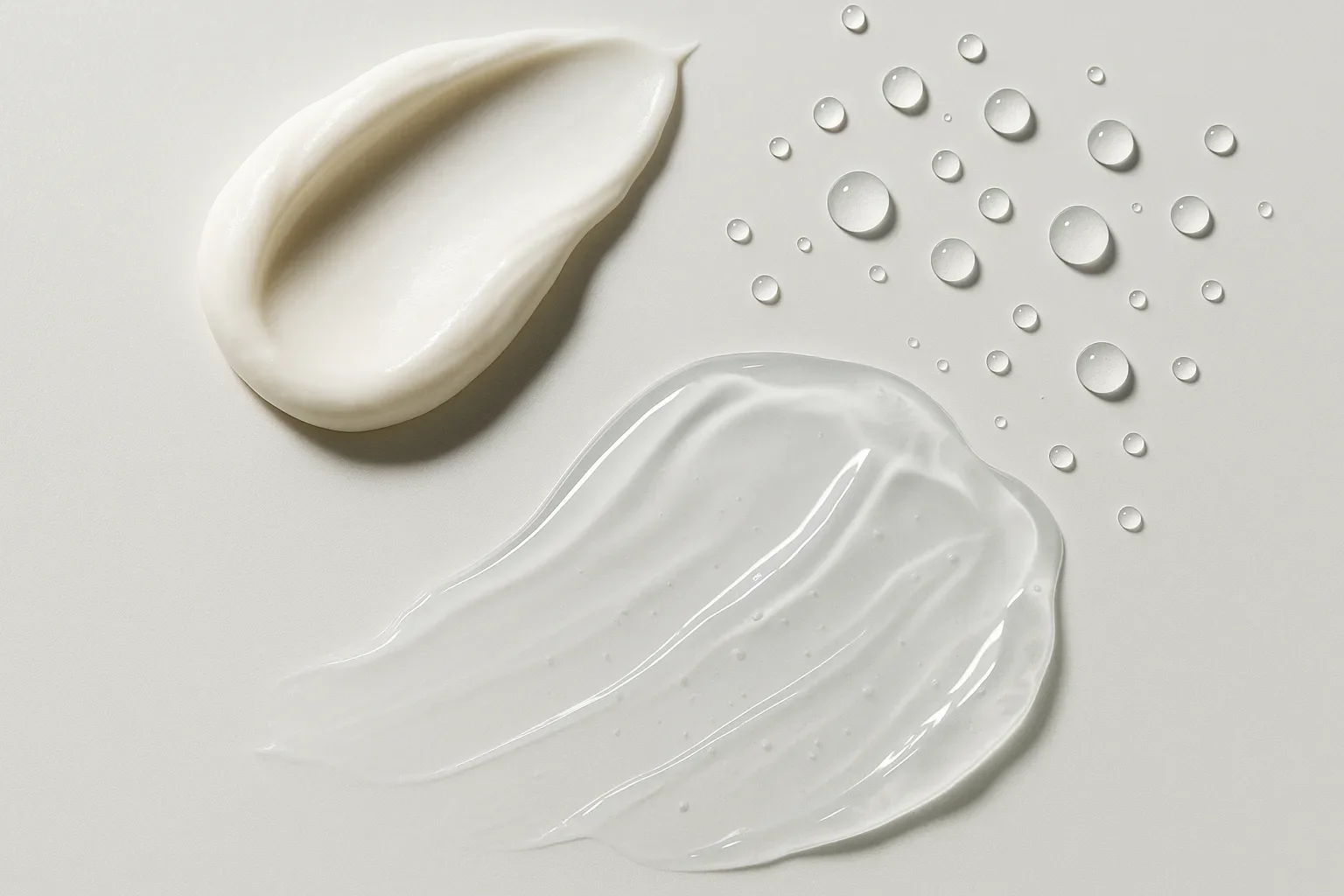
Glabellar frown lines refer to the vertical or horizontal wrinkles that form between the eyebrows, above the nose. They naturally appear when frowning or concentrating, but once the marks remain even after relaxing the expression, many people begin to consider corrective treatments.
Why Do Glabellar Frown Lines Form?
The glabellar area contains the corrugator muscle (which draws the eyebrows together) and the procerus muscle (which wrinkles the bridge of the nose). Each time a frowning expression is repeated, these muscles contract and create creases in the skin. While skin elasticity allows these creases to smooth out quickly at a young age, as collagen and elastic fibers decrease with age, the creases begin to remain visible.
When factors such as UV exposure, dry skin, sleep habits, and an increased frequency of frowning due to stress are added, the wrinkles can become more pronounced. In other words, glabellar frown lines often result from the combination of two factors: 'muscle movement' and 'reduced skin elasticity.'
How Do Corrective Treatments Work?
Treatments for glabellar frown lines are broadly divided into two approaches: those that reduce muscle movement and those that enhance the skin's own elasticity and density. The former approach controls excessive contraction of the expression muscles to slow the deepening of wrinkles, while the latter stimulates collagen production within the skin or uses thermal energy to stimulate tissue, improving skin texture and elasticity.
Depending on the depth of the wrinkles and skin condition, the two methods may be used alone or in combination. Whichever method is chosen, the skin tends to be more sensitive than usual for several days right after the procedure, so it's important to consult with a specialist to determine the approach that suits your skin type and lifestyle.
Post-procedure recovery: how many days should you pay attention?
While it varies by procedure type, generally from right after the treatment through days 1 to 3, you may experience mild redness, stinging, and warmth. During this period, the skin barrier is temporarily weakened, so it can react more sensitively than usual to cleansing or friction.
From day 4 onward, the redness and warmth gradually subside, but it's common to feel tightness and dryness deep in the skin instead. This can be seen as a stage where the skin rebalances its moisture and oil levels during recovery, and during this time, focusing on deep hydration care rather than stimulation can be helpful.
Step-by-step home care: try this approach
For days 1 to 3 right after the procedure, it's best to keep cleansing brief with lukewarm water and pause the use of irritating cleansers or exfoliating products. During this period, the key is to gently apply a low-irritant moisturizing product as if covering the skin, to help it calm down.
During the recovery phase from day 4 onward, the skin may look fine on the surface but often still has underlying dryness, so it's good to switch to moisturizing care that hydrates from within. Neglecting this period can lead to flaking or a lasting feeling of roughness, so maintaining a consistent moisturizing routine is important.
Sun protection is essential during both periods, and it's advisable to make a habit of reapplying a low-irritant sunscreen when going outside.
Customized hydration by stage: the 2-step approach of ABIJOU Cream
Since the skin's care needs change by stage after glabellar wrinkle improvement procedures, it's more efficient to switch products according to the stage rather than relying on a single product for the entire process. ABIJOU Cream is designed as a 2-STEP system to match this flow.
It is designed so that during the period right after the procedure (days 1 to 3) when redness and warmth are felt, you use 'Ultra Cera-Rich Cream (STEP1)', and during the recovery phase from day 4 onward when tightness and dryness remain, you use 'Hydro Re-Boosting Cream (STEP2)', allowing you to choose according to each stage, from after lifting/thermal energy procedures to after skin booster procedures.
Post-procedure recovery depends on home care
Right after lifting/thermal energy procedures, focus on calming redness and warmth with Ultra Cera-Rich Cream (STEP1), and from day 4 onward or after skin booster-type procedures, refer to continuing deep hydration and skin texture care with Hydro Re-Boosting Cream (STEP2). Both products are 50ml, priced at 59,000 KRW, and available on the official online store (abijoushop.com).
물리적 자극으로 붉어진 피부 진정에 도움. 개인차가 있을 수 있습니다.
출처 P&K 피부임상연구센타 시험성적서 (PNK-26224-RI2R)
손상된 장벽이 손상 전 수준으로 회복되는 데 도움. 개인차가 있을 수 있습니다.
출처 P&K 피부임상연구센타 시험성적서 (PNK-26224-RI2R)
자극 후 건조함 케어에 도움. 개인차가 있을 수 있습니다.
출처 P&K 피부임상연구센타 시험성적서 (PNK-26223-RI1R)
사용 24시간 후에도 보습 수치 유지에 도움. 개인차가 있을 수 있습니다.
출처 P&K 피부임상연구센타 시험성적서 (PNK-26223-RI1R)
FAQ
- Can glabellar frown lines improve with home care alone, without treatment?
- For shallow, early-stage expression lines, consistent moisturizing and sun protection habits may help slow their progression. However, if the lines remain visible even when the face is relaxed, it is advisable to consult a specialist to determine whether treatment is needed.
- When can I start wearing makeup after the procedure?
- This varies depending on the type of treatment and skin condition, so it is safest to follow the guidance of your medical provider first. Generally, light makeup can be started once redness and minor irritation have subsided.
- How many days of redness after the procedure is considered normal?
- While individual differences exist, redness and warmth are usually most noticeable on days 1 to 3 and gradually subside afterward. If the symptoms persist longer or worsen, it is best to contact the clinic where the procedure was performed.
- What ingredients are good to use in skincare products after the procedure?
- In the early stage, low-irritation products containing soothing and calming ingredients such as allantoin and panthenol can be helpful, while during the recovery stage, ingredients like ceramides and niacinamide that support the skin barrier and texture may be beneficial.
Related products
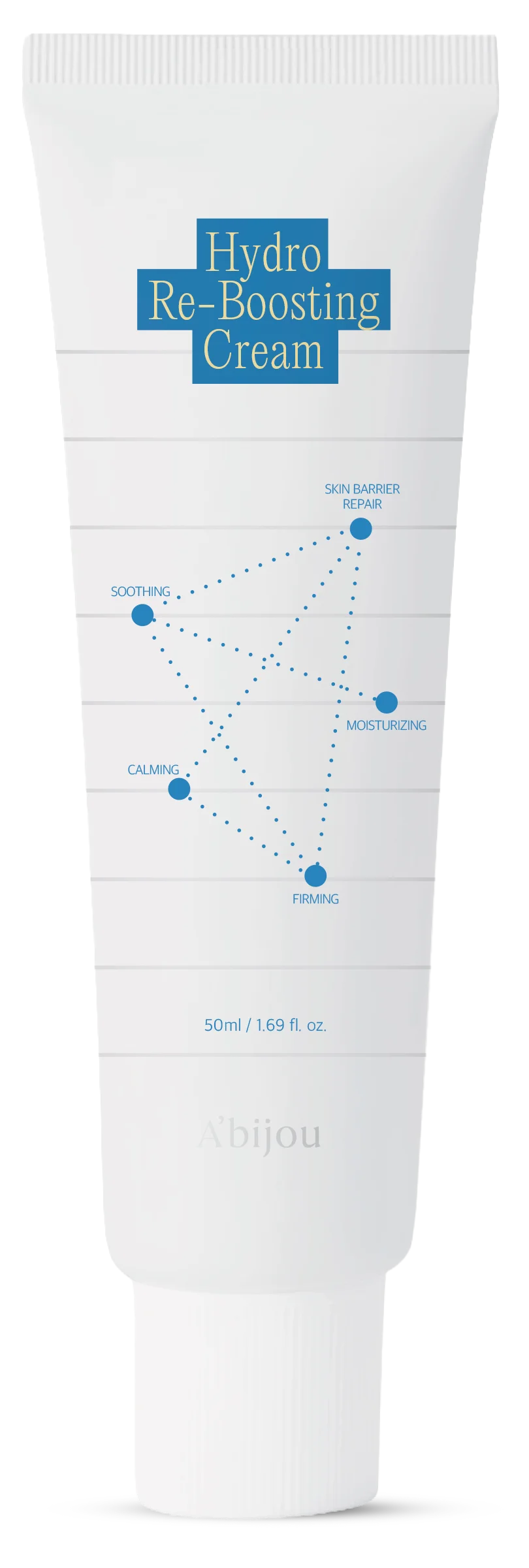 하이드로 리-부스팅 크림Buy
STEP 2 · 회복기 속보습
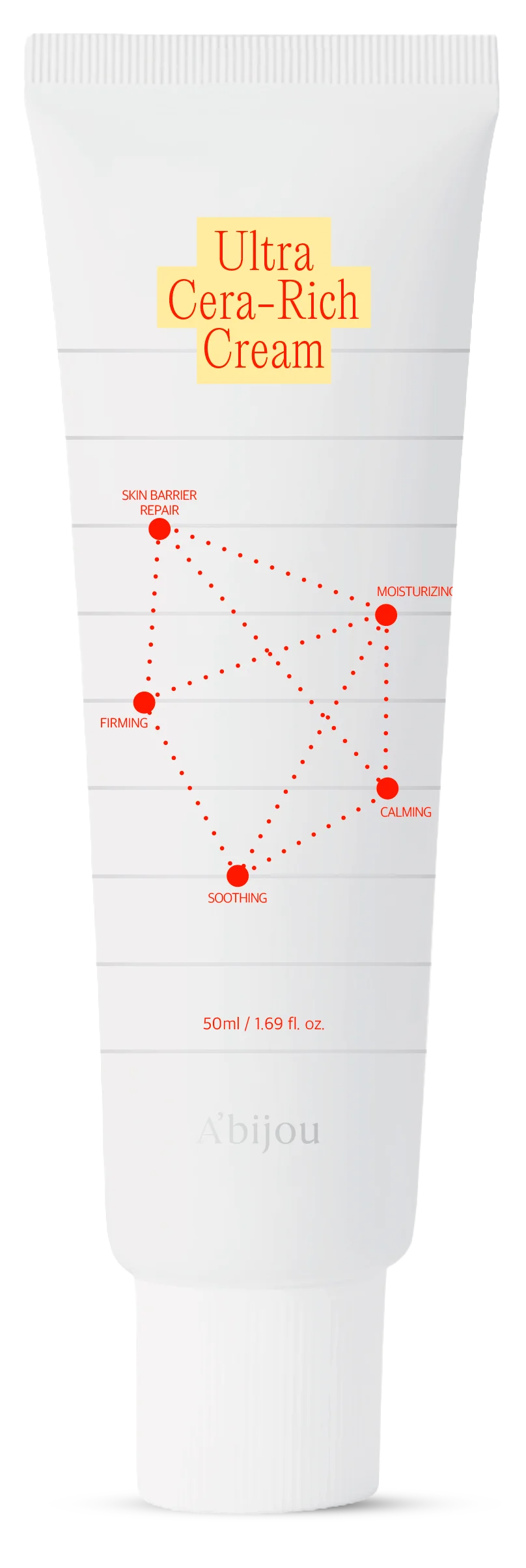 울트라 세라-리치 크림Buy
STEP 1 · 시술 직후 진정·장벽 케어