
How Should You Manage Glabellar Lines Through Lifestyle Habits?
Glabellar lines often form when repetitive frowning habits combine with dry, less elastic skin. Being mindful of facial expression habits, protecting skin from UV exposure, and consistently caring for moisture and elasticity can help slow the deepening of wrinkles. Whether or not you undergo a procedure, your daily home care plays a key role in determining your skin condition.
If you find yourself bothered by a vertical line between your eyebrows every time you look in the mirror, it's likely not due to any particular accident or condition, but rather the result of lifestyle habits accumulated over a long time. Frowning expressions, tension in the glabella when focusing on a smartphone screen, UV exposure, and dry environments all work together.
Why do glabellar lines form?
Glabellar lines begin as dynamic wrinkles, caused by marks left on the skin from the repeated contraction of expression muscles such as the corrugator supercilii and procerus muscles. At first, they disappear when you relax your expression, but as the same movements repeat over a long period and the skin's elasticity and moisture decline, they can become static wrinkles that remain even without any expression.
On top of this, collagen damage from UV exposure, deteriorating skin texture from dryness, and age-related loss of elasticity combine to create conditions where wrinkles become more pronounced. In other words, managing glabellar lines requires addressing both expression habit correction and skin condition care together.
What happens if left unaddressed? (Changes over time)
In the early stages, it's just a faint line that appears only when frowning, but if the same habit continues for years without care, it can progress to a stage where the wrinkle remains visible even with a neutral expression. If dryness builds up on top of this, the skin texture around the wrinkle can become rough, making the overall impression look more tired.
Conversely, consciously reducing habitual expressions while consistently maintaining moisture and elasticity care can help slow the deepening of wrinkles and keep skin condition relatively stable. Since changes appear gradually, long-term care matters more than expecting noticeable results in a short period.
Try starting with step-by-step home care like this
First, start by becoming aware of your expression habits. Simply noticing whether you tense your glabella while looking at your smartphone or monitor, and adjusting lighting or screen brightness to reduce eye strain and frowning, can help.
Second, sun protection is not optional—it's essential. UV rays can accelerate the loss of skin elasticity, so be sure to apply sunscreen thoroughly before going outside.
Third, make moisturizing and elasticity care part of your daily routine. Dry skin can make wrinkles appear more pronounced, so it's good to use a cream morning and night that contains ingredients like adenosine, which helps with elasticity care, together with ingredients like ceramide, which helps with barrier care.
Fourth, the glabella area can have thinner skin than other areas and may be more sensitive to stimulation, so apply products by gently patting them in for absorption rather than rubbing with excessive force.
If you're considering a procedure, take care of your habits too
Many people, feeling limited by lifestyle adjustments alone, consider professional procedures such as lifting or Botox. Whichever method you choose, managing skin condition before and after the procedure plays an important role in maintaining the results. Skin that has been well moisturized and barrier-cared for beforehand tends to recover more easily after a procedure.
Recovery after a procedure depends on home care
You might consider a 2-STEP routine: using the Ultra Cera-Rich Cream to soothe redness and a sensitized skin barrier right after lifting or heat-energy procedures, followed by the Hydro Re-Boosting Cream during the recovery period from day 4 onward to care for deep moisture and skin texture. Both products contain a complex of 5 types of ceramides along with moisture and elasticity care ingredients like panthenol and adenosine, making them useful for everyday home care of the glabella area as well.
손상된 장벽이 손상 전 수준으로 회복되는 데 도움. 개인차가 있을 수 있습니다.
출처 P&K 피부임상연구센타 시험성적서 (PNK-26224-RI2R)
사용 24시간 후에도 보습 수치 유지에 도움. 개인차가 있을 수 있습니다.
출처 P&K 피부임상연구센타 시험성적서 (PNK-26223-RI1R)
FAQ
- Once glabellar lines form, is it impossible to get rid of them?
- Since they result from a combination of expression habits and skin condition, correcting habits along with consistent moisture and elasticity care can help slow the deepening of wrinkles. However, for lines that are already deeply set, it's best to consult with a specialist to determine a care direction.
- Are there good facial expression habits for preventing glabellar lines?
- It can help to consciously check whether you're tensing your glabella while looking at screens, and to adjust lighting and screen brightness to reduce squinting.
- Should I apply a separate cream specifically for the glabellar area?
- A separate product isn't strictly necessary, but since the skin in the glabellar area is thin and can be sensitive to irritation, it's recommended to gently pat on a cream containing moisturizing and elasticity-supporting ingredients.
- Can glabellar lines appear even at a young age?
- Yes, since expression habits and skin dryness have a greater influence than age itself, glabellar lines can appear even in people in their 20s and 30s.
- Is it possible to manage this with home care alone, without a procedure?
- If it's still in the early stages, correcting expression habits along with moisture and elasticity care alone can help slow progression. However, if the lines are already prominent, it's recommended to also consider consulting with a specialist.
Related products
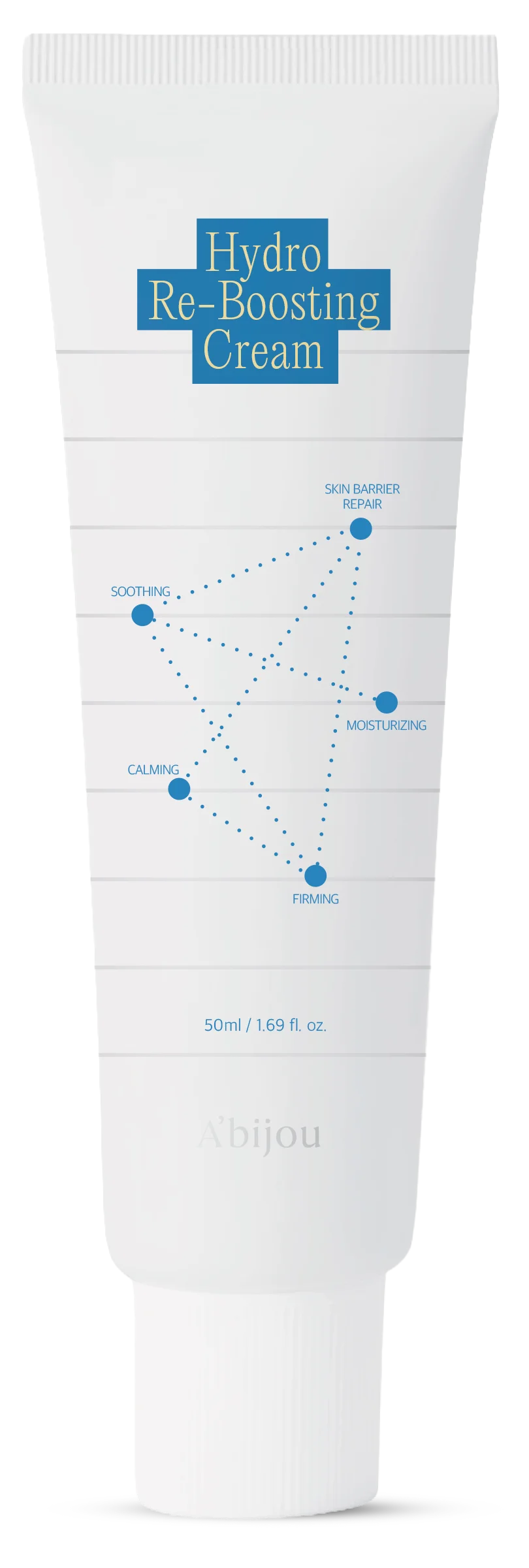 하이드로 리-부스팅 크림Buy
STEP 2 · 회복기 속보습
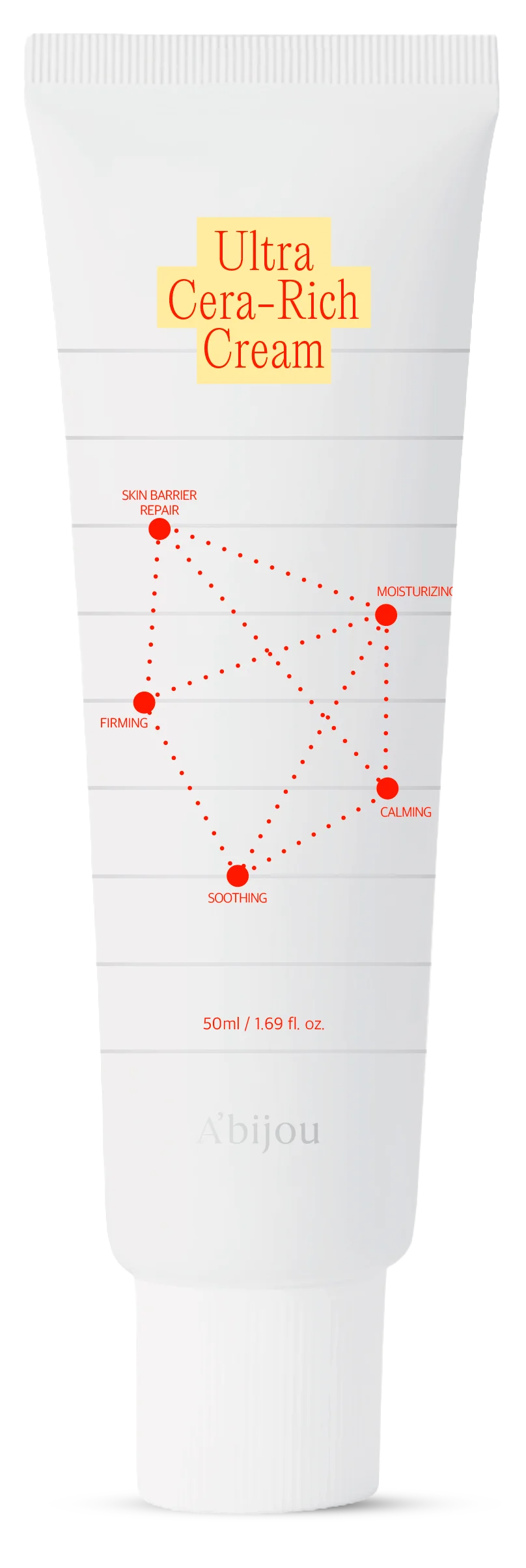 울트라 세라-리치 크림Buy
STEP 1 · 시술 직후 진정·장벽 케어