
How to Care for Glabellar Wrinkles with Ingredients: What Should You Look For?
Glabellar wrinkles are an area prone to settling in as a result of repeated facial expressions, especially when skin elasticity and hydration decline. Consistently using wrinkle-improvement ingredients registered in functional cosmetics, along with hydration and barrier care, forms the basis of home care. If you're considering a procedure, managing skin condition before and after can also affect the results.
Glabellar wrinkles form when repeated contractions of the muscles between the eyebrows (corrugator and procerus muscles) during frowning or concentrating leave wrinkle lines on the skin. At a young age, these are 'dynamic wrinkles' that disappear once the expression relaxes, but as skin elasticity and moisture decline, they can progress into 'static wrinkles' that remain visible even without any expression.
On top of this, a weakened skin barrier and accumulated dryness can make wrinkles appear more pronounced. That's why caring for glabellar wrinkles requires an approach that addresses both muscle movement and the skin's own elasticity and hydration condition.
- 11–3 days right after the procedureFocus on soothing redness/heat and barrier care
- 2From day 4 onwardManage tightness and dryness, shift to deep hydration care
- 3Consistent daily careMaintain a routine combining elasticity/texture ingredients with hydration
Why do glabellar wrinkles form and why do they deepen?
The primary cause of glabellar wrinkles is habitual facial expression. Repeated frowning creates creases on the skin's surface, and these creases become imprinted on the dermis's elastic structures, such as collagen and elastin, as if remembered.
On top of this, as collagen production decreases and the skin's moisture retention capacity declines with age, an environment is created where the same facial expressions can more easily leave deeper wrinkles. UV exposure and dry conditions are also cited as factors that can accelerate the loss of skin elasticity.
In other words, it's more realistic to approach glabellar wrinkle care not as 'eliminating wrinkles' but as 'managing the skin's condition so that it maintains elasticity and hydration, making wrinkles less noticeable.'
Key Points for Glabellar Wrinkle Care by Ingredient
Among wrinkle-improving ingredients registered in functional cosmetics, adenosine is one of the most representative. Adenosine is known as an ingredient that helps care for skin elasticity, and is commonly used in daily care for areas where expression wrinkles repeatedly form, such as the glabella and eye area.
Niacinamide is an ingredient that helps refine skin texture and tone, and is used as a supportive element in making the texture of wrinkled areas appear smoother.
Moisturizing and barrier ingredients like panthenol and ceramide should not be overlooked either. Since dry skin can make wrinkles appear more pronounced, pairing elasticity ingredients with moisturizing ingredients is the basic formula for glabellar wrinkle home care.
Ceramides, cholesterol, and fatty acids have a composition similar to skin lipids, and can help keep the skin barrier dense, reducing moisture loss. When the barrier is stable, the skin can be expected to appear firmer overall.
How Glabellar Wrinkle Care Differs by Stage
Results from glabellar wrinkle care don't appear overnight. Generally, when moisturizing and elasticity ingredients are used consistently, a sense of refined surface texture can be felt relatively quickly, but changes in wrinkle depth are known to require several weeks or more of consistent care.
During periods of severe dryness (such as seasonal transitions or times with heavy exposure to heating/cooling), wrinkles may appear more pronounced, so it can help to increase the emphasis on moisturizing care more than usual.
If you are considering or have received skin booster treatments such as Rejuran or Juvelook, or procedures like Botox for glabellar wrinkles, managing skin condition after the procedure can affect how well the results are maintained, so it's advisable to pay closer attention to home care.
Step-by-Step Home Care Routine
Step 1: After cleansing, first use a toner to refine the skin's texture and lightly absorb moisture. Since areas with frequent expressions, like the glabella, tend to develop rough texture easily, it's good to allow thorough absorption starting from the toner step.
Step 2: Apply a small amount of product containing functional ingredients like adenosine and niacinamide to the glabellar area, gently patting it in for absorption. Patting rather than rubbing helps reduce irritation.
Step 3: Finish with a moisturizing and barrier cream to prevent moisture loss. The skin needs to be hydrated from within for the surface texture to appear smooth and refined.
Step 4: Don't forget to apply sunscreen. UV rays are known as an external factor that can accelerate the loss of skin elasticity, making this an essential step in glabellar wrinkle care as well.
For post-procedure home care, manage it by dividing it into 2 steps
If you've received a skin booster or lifting procedure for glabellar wrinkle care, it's advisable to divide your management approach into stages, as the skin condition differs between right after the procedure and during the subsequent recovery period.
For the first 1 to 3 days right after the procedure, redness or a warm sensation may remain, so it's good to focus on soothing and barrier care while minimizing irritation. From day 4 onward, inner dryness may surface, so switching to deep moisturizing care can be helpful.
Recovery after the procedure is determined by home care
If you've had a procedure on the glabellar wrinkle area, you may consider a 2-step routine: right after the procedure, focus on calming redness and irritation with Ultra Cera-Rich Cream (STEP1), and from day 4 onward, once redness has subsided, continue with deep moisturizing and skin texture care using Hydro Re-Boosting Cream (STEP2). Even if you haven't had a procedure, if the glabellar area usually feels dry and rough in texture, these can be used for moisturizing and barrier care purposes.
손상 전 수준으로 회복되는 데 도움. 개인차가 있을 수 있습니다.
출처 P&K 피부임상연구센타 시험성적서 (PNK-26224-RI2R)
손상된 장벽이 손상 전 수준으로 회복되는 데 도움. 개인차가 있을 수 있습니다.
출처 P&K 피부임상연구센타 시험성적서 (PNK-26224-RI2R)
사용 24시간 후에도 보습 수치 유지에 도움. 개인차가 있을 수 있습니다.
출처 P&K 피부임상연구센타 시험성적서 (PNK-26223-RI1R)
피부결이 자극 전 수준으로 정돈되는 데 도움. 개인차가 있을 수 있습니다.
출처 P&K 피부임상연구센타 시험성적서 (PNK-26223-RI1R)
FAQ
- Can glabellar wrinkles be removed with cosmetics alone?
- Cosmetics help support elasticity, hydration, and skin texture care, but completely removing deeply set wrinkles is beyond the scope of cosmetics. However, consistent hydration and elasticity care can help manage skin condition so wrinkles appear less pronounced.
- Can adenosine and niacinamide be used together?
- Both ingredients are commonly used in functional cosmetics and are considered a safe combination, often used together since they serve different purposes—elasticity care and texture/tone care. However, it's recommended to test with a small amount first to check skin reaction before expanding use.
- Can I apply functional cream right after a glabellar wrinkle procedure?
- Right after a procedure, skin can be sensitive, so it's better to first use soothing and barrier-focused products rather than high-concentration functional ingredients that could cause irritation, then gradually introduce functional products once redness has subsided.
- How long does it take to see results from home care for glabellar wrinkles?
- Surface-level changes like texture or tightness may be noticeable relatively quickly, though this can vary by individual, and consistent care tends to help maintain skin condition over time.
Related products
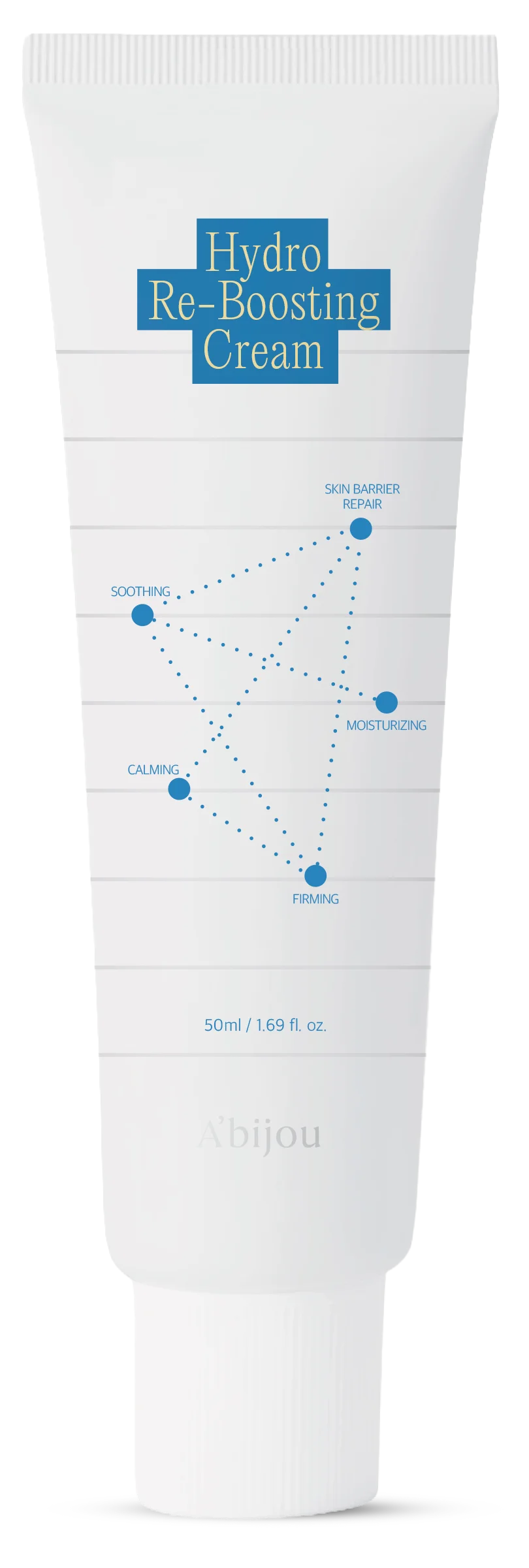 하이드로 리-부스팅 크림Buy
STEP 2 · 회복기 속보습
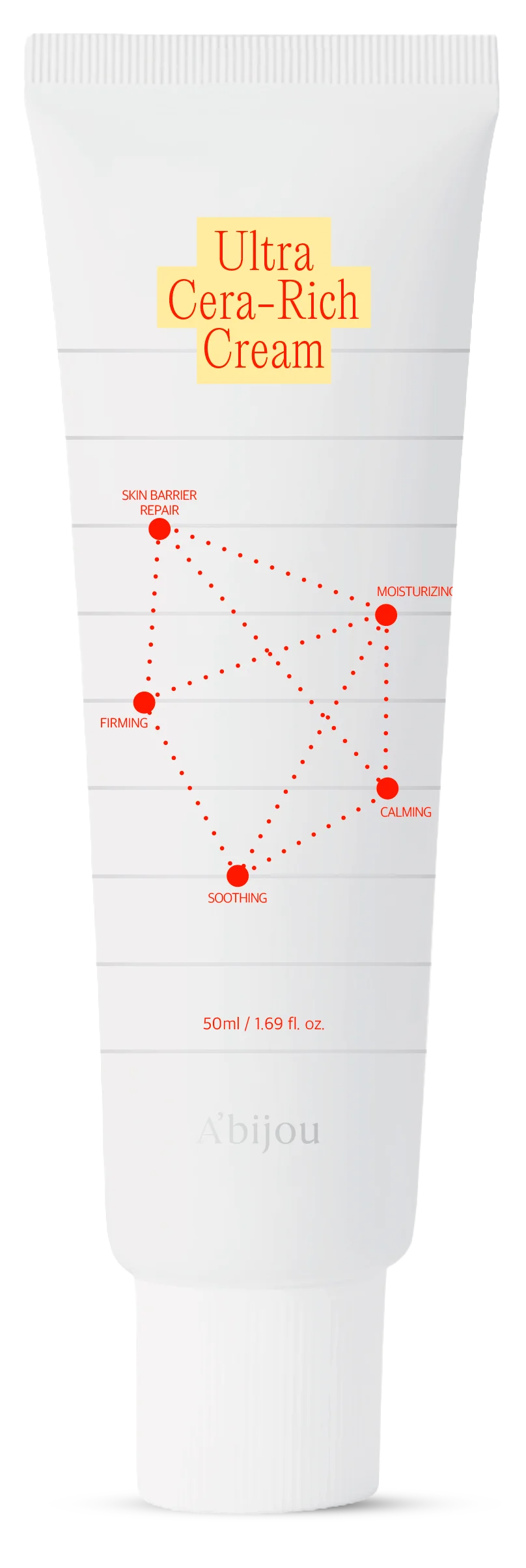 울트라 세라-리치 크림Buy
STEP 1 · 시술 직후 진정·장벽 케어