
Comparing Glabellar Wrinkle Treatment Options: What's the Difference Between Botox, Fillers, and Lifting Lasers?
Glabellar wrinkles are divided into dynamic wrinkles caused by facial expression habits and static wrinkles that remain due to the skin's own loss of elasticity, and the approach differs among Botox, fillers, and lifting lasers (Thermage, Shurink, Ultherapy, etc.) depending on the wrinkle pattern. Rather than a single treatment, combinations tailored to the situation are often used, and regardless of the treatment, stable skin care after the procedure through home care plays an important role in maintaining results.
Vertical wrinkles that form between the eyebrows (often called '11-shaped wrinkles') are frequently caused by repeated muscle movement from habitual frowning expressions. At first they tend to appear only when making expressions, but over time they tend to progress into static wrinkles that remain even at rest.
That's why, when considering how to address glabellar wrinkles, it helps to first determine whether your wrinkles are currently at the expression-wrinkle stage or have progressed to the static-wrinkle stage set into the skin. This article compares the differences in how commonly discussed glabellar wrinkle treatment options work, and summarizes the skin care points that are commonly important after any of these procedures.
- 1Days 1–3 after the procedureRedness, warmth, tingling; focus on soothing care
- 2Days 4–7Redness eases, tightness and dryness begin, shift to moisturizing
- 3Several weeks laterThe period when changes in skin texture and elasticity gradually appear
- 4Results-visible periodMaintaining condition through consistent care
Why Glabellar Lines Form and How They Differ
Glabellar lines can broadly be divided into two mechanisms. The first is dynamic wrinkles caused by repeated contraction of the corrugator muscle that moves when frowning, and the second is static wrinkles that remain even without facial expression once such movement accumulates over time, weakening the skin's own elasticity and dermal structure.
At the dynamic wrinkle stage, approaches that reduce muscle movement itself are often discussed, while in cases that have progressed to static wrinkles, heat energy-based lifting procedures that stimulate collagen remodeling in the deeper layers of the skin are often considered together. In other words, rather than one procedure being 'better' than another, it is more accurate to understand that the approach varies depending on the nature of the wrinkle.
Comparing How Different Procedure Options Work
Muscle relaxation-type procedures focus on temporarily reducing the movement of the muscle that causes frowning, slowing down the deepening of expression wrinkles. These are characterized by a gradual onset of effect, requiring repeat treatment after a certain period.
Volume replenishment-type procedures fill in the depressed areas of wrinkles, making wrinkles appear less pronounced immediately. This approach is closer to filling the depressed space rather than changing the deep structure of the skin.
Lifting and heat energy-based procedures, represented by Thermage, Shurink, Ultherapy, Onda, Titanium, InMode, and others, aim to deliver heat to the deeper layers of the skin to induce collagen production and improve the skin's own elasticity. This category tends to show gradual changes over weeks to months rather than immediate change from a single session.
In actual clinical practice, these approaches are often designed alone or in combination depending on the degree of glabellar lines and skin condition, and which combination is suitable should be accurately determined after consulting with a specialist who directly examines the skin condition.
Post-Procedure Progress: What Changes Appear Over the Following Days
In the first 1 to 3 days immediately after the procedure, regardless of the type of procedure, reactions such as redness, mild swelling, warmth, and tingling may appear in the treated area. In particular, lifting procedures that deliver heat energy may cause a temporary rise in skin surface temperature and more pronounced redness right after the procedure.
From day 4 onward, noticeable redness or swelling generally subsides, but the skin enters a recovery phase where it remains sensitive and prone to dryness underneath. Since the skin barrier is not yet fully stabilized during this period, it is best to avoid irritating ingredients or excessive exfoliation.
Over the following weeks, changes in wrinkles or elasticity gradually begin to appear depending on the type of procedure, and maintaining stable skin condition during this period can also affect how the overall results are perceived.
Home Care by Stage: Here's How to Approach It
Since the skin is most sensitive in the first 1 to 3 days immediately after the procedure, it is best to wash the face gently with lukewarm water, avoid irritating cleansing or exfoliation, and prioritize moisturizing care focused on soothing the skin.
From day 4 onward, as redness subsides, many people start to feel tightness and dryness deep within the skin instead. During this period, shifting your care focus from soothing to deep hydration can help support skin condition recovery.
It's best to avoid habits like frequently touching or rubbing the treated area, sun exposure, and activities that rapidly raise skin temperature, such as saunas or hot baths, during the recovery period. Ultimately, regardless of which procedure you had, the key principle of home care during recovery is 'minimize irritation, and keep hydration sufficient.'
Post-procedure care determines the outcome
While the recovery process varies slightly depending on the method chosen for glabellar wrinkle treatment, soothing care right after the procedure and hydration care afterward are commonly cited as factors that make the overall recovery process more comfortable. It's worth remembering that how you care for your skin after the procedure can affect overall satisfaction just as much as the pre-procedure effects.
Post-procedure recovery is determined by home care
After lifting or thermal energy-based procedures, a 2-STEP routine can help: using products focused on soothing and barrier care during the 1-3 days when redness and warmth remain, then switching to products focused on deep hydration and skin condition care during the recovery period from day 4 onward. ZXQMAGAZINETERMABJUZXQ Cream is composed along this flow, with STEP1 Ultra Cera-Rich Cream (soothing and barrier care right after the procedure) and STEP2 Hydro Re-Boosting Cream (deep hydration care during recovery), allowing you to switch products according to your post-procedure schedule.
열 자극으로 붉어진 피부 진정에 도움. 개인차가 있을 수 있습니다.
출처 P&K 피부임상연구센타 시험성적서 (PNK-26224-RI2R)
물리적 자극으로 손상된 장벽이 손상 전 수준으로 회복되는 데 도움. 개인차가 있을 수 있습니다.
출처 P&K 피부임상연구센타 시험성적서 (PNK-26224-RI2R)
자극 후 건조함 케어에 도움. 개인차가 있을 수 있습니다.
출처 P&K 피부임상연구센타 시험성적서 (PNK-26223-RI1R)
사용 24시간 후에도 보습 수치 유지에 도움. 개인차가 있을 수 있습니다.
출처 P&K 피부임상연구센타 시험성적서 (PNK-26223-RI1R)
FAQ
- For glabellar wrinkle treatment, which is more effective, Botox or a lifting laser?
- It depends on the nature of the wrinkle. For dynamic wrinkles that appear only when making expressions, an approach that reduces muscle movement is often considered, while for static wrinkles visible even at rest, a lifting-type approach that boosts skin elasticity is often considered alongside it. For an accurate assessment, it's best to consult a specialist who can directly examine your skin condition.
- Is the effect of a glabellar wrinkle treatment visible right away?
- It depends on the type of treatment. Volume-filling methods tend to show relatively immediate changes, while lifting or heat-energy based treatments work by inducing collagen production, so changes tend to appear gradually over several weeks to months.
- How should I care for my skin in the first few days after the procedure?
- In the first 1 to 3 days after the procedure, redness and warmth may remain, so it's best to avoid harsh cleansing or exfoliation and prioritize moisturizing care focused on soothing and barrier care.
- The redness has gone down, but why does my skin still feel tight?
- From around day 4 after the procedure onward, even if the visible redness has subsided, the skin barrier may not yet be fully stabilized, so many people experience a sense of tightness or dryness. During this period, it can help to shift your care routine toward deep moisturizing.
- Is it okay to receive multiple treatments at once?
- Whether to combine treatments is something a specialist should determine based on your skin condition and wrinkle pattern. However, regardless of the combination, soothing and moisturizing care during the recovery period afterward is commonly considered an important factor.
Related products
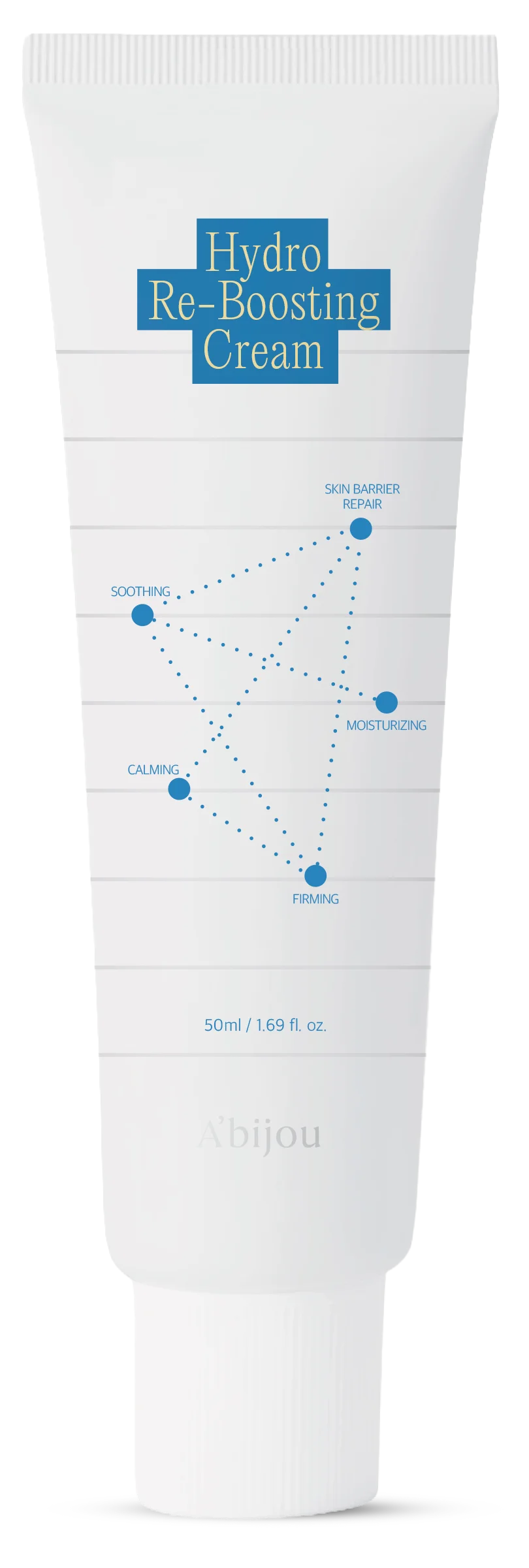 하이드로 리-부스팅 크림Buy
STEP 2 · 회복기 속보습
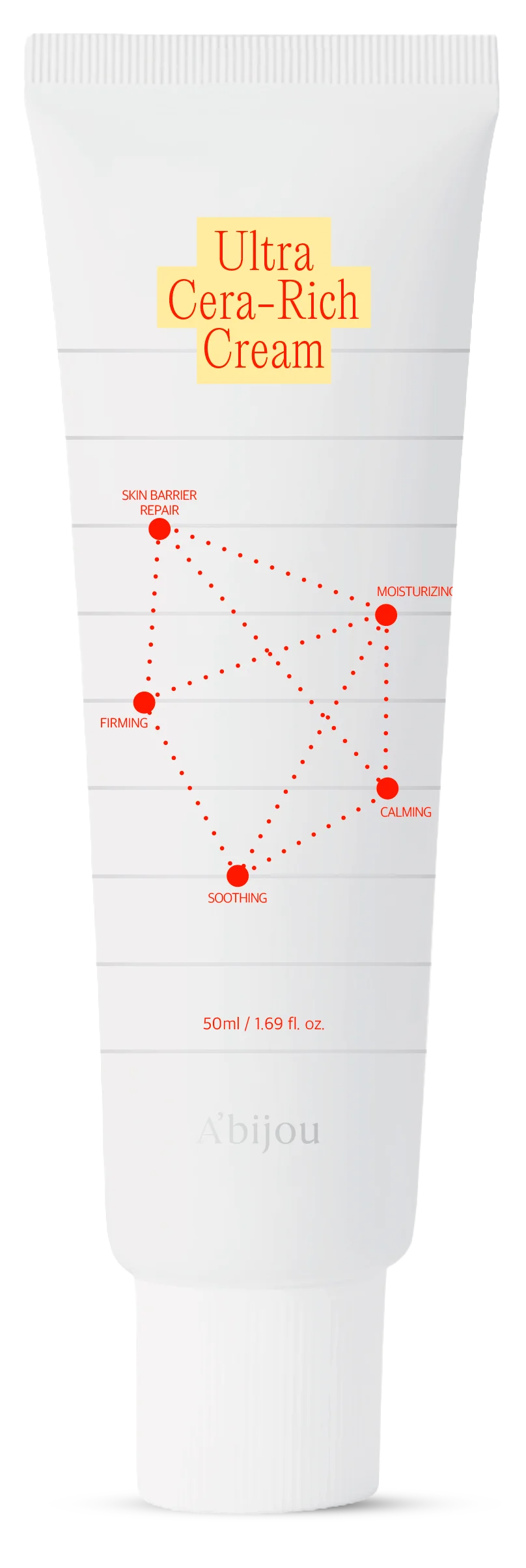 울트라 세라-리치 크림Buy
STEP 1 · 시술 직후 진정·장벽 케어