
Glutathione Content vs Composition: Which Matters More?
For ingredients like glutathione or ceramides, how they are blended often matters more for actual skin experience than 'what percentage' they contain. Rather than choosing based solely on high-content labeling, it's more accurate to check whether the ratio resembles skin lipid composition and whether the combination with other ingredients helps with absorption and stability. This article examines the difference between content and composition, and why this concept matters for post-procedure home care.
When looking at cosmetic ingredient lists, phrases like 'high content' or 'blended at X percent' tend to catch the eye first. But for ingredients applied to skin, 'how they are combined' can matter just as much as the numbers in creating a difference in felt experience. Especially for ingredients like glutathione, which are sensitive to stability and blending ratios, looking at the composition design is a more meaningful approach than simply comparing content.
- 1Days 1-3 right after the procedureFocus on calming redness and heat, with low-irritation composition
- 2Recovery phase, from day 4 onwardCare for tightness and dryness, switching to a moisture-hydrating composition
- 3Ongoing careMaintaining skin texture and barrier condition
Why higher content isn't always better
The content of an ingredient is merely a figure showing how much is included in the product; it doesn't determine how well that ingredient absorbs into the skin or how stably it works. For example, even if a certain ingredient has a high proportion, if it's not balanced with other ingredients within the overall composition, it can actually lead to slower absorption or a lingering feeling on the skin.
Conversely, even if the content is relatively low, a composition designed with a ratio similar to skin lipids can penetrate the skin barrier naturally, making the care effects easier to feel in many cases. That's why, when checking ingredients, it's important to develop the habit of checking not just the '% number' but also 'which ingredients are combined together and in what ratio.'
Representative cases where composition matters — ceramide, cholesterol, fatty acids
A representative example is ceramide. Rather than simply increasing the content of ceramide as a single ingredient, various studies have mentioned that when ceramide, cholesterol, and fatty acids are combined in a ratio similar to the lipid structure of the skin's stratum corneum, it can help with skin barrier care. This means that a composition mimicking the skin's original lipid structure can be more advantageous in terms of perceived effect and stability than simply high content.
The same applies to glutathione. Rather than the content of the ingredient itself, the stabilization technology or combination with other moisturizing and soothing ingredients often determines the texture and absorption feel when it actually touches the skin. So when checking an ingredient list, it's a reasonable criterion to look at the overall composition balance rather than the number of a single ingredient.
Post-procedure skin: the period when composition becomes more important
Right after lifting procedures or skin booster treatments, the skin becomes more sensitive than usual, so what matters more is not how much of an ingredient is applied, but whether the composition absorbs without irritation and helps support the barrier. During the 1-3 days right after the procedure, redness and heat may remain, so a low-irritation composition should be prioritized, and from day 4 onward during the recovery period, switching to a hydrating and moisturizing composition that fills in tightness and dryness is a way to enhance the perceived effect.
Since the composition needed changes by period like this, rather than continuing to apply one cream, a 2-step home care approach that distinguishes between immediate post-procedure use and recovery-period use is increasingly being recommended.
Step-by-step home care, here's how to approach it
In Step 1 (immediately after the procedure to day 3), it's good to choose a composition focused on low-irritation ingredients that help calm redness and heat. After cleansing and smoothing the skin texture with toner, applying thin layers over areas with remaining irritation and letting it absorb is a manageable method.
In Step 2 (from day 4 onward), as redness subsides and tightness and dryness become more noticeable, it's natural to switch to a composition that helps with hydration and skin texture care. During this period, checking whether the composition fills moisture deep into the stratum corneum can lead to a difference in perceived effect.
Post-procedure recovery is determined by home care
For this reason, ZXQMAGAZINETERM Aviju ZXQ cream focused on composition design instead of competing on content. For the 1-3 days right after the procedure, the Ultra Cera-Rich Cream, formulated with 5 types of ceramide, cholesterol, and fatty acids in a ratio similar to skin lipids, helps with redness and barrier care, and from day 4 onward during the recovery period, it continues with the Hydro Re-Boosting Cream, designed so that the panthenol and ceramide composition helps with deep moisture in the stratum corneum and skin texture care, forming a 2-STEP set. Both products confirmed the perceived effects of their compositions through human clinical trials.
물리적 자극으로 붉어진 피부의 붉은기 진정에 도움. 개인차가 있을 수 있습니다.
출처 P&K 피부임상연구센타 시험성적서 (PNK-26224-RI2R)
손상된 장벽이 손상 전 수준으로 회복되는 데 도움. 개인차가 있을 수 있습니다.
출처 P&K 피부임상연구센타 시험성적서 (PNK-26224-RI2R)
자극 후 건조함 케어에 도움. 개인차가 있을 수 있습니다.
출처 P&K 피부임상연구센타 시험성적서 (PNK-26223-RI1R)
피부결 정돈에 도움. 개인차가 있을 수 있습니다.
출처 P&K 피부임상연구센타 시험성적서 (PNK-26223-RI1R)
FAQ
- Is higher glutathione content always better?
- Higher content doesn't necessarily mean better results. The blending ratio with other ingredients and stabilization methods can have a greater impact on absorption and feel, so it's good to check both content and composition together.
- How should I check composition on an ingredient list?
- Rather than focusing on the number for a single ingredient, it helps to look at the ratio of ingredient groups blended together, such as ceramides, cholesterol, and fatty acids, and whether they're designed to resemble the skin's lipid structure.
- After a procedure, which should I prioritize: content or composition?
- For skin that's sensitive right after a procedure, a low-irritation composition that absorbs without stimulation should be the priority. As you move into the recovery phase, switching to a composition that fills in moisture can help with the felt experience.
- Do I really need separate creams for right after a procedure and for the recovery phase?
- It's not essential, but since the skin needs different compositions depending on the stage, using different products at different times can be more suitable for both calming redness and deep moisture care.
Related products
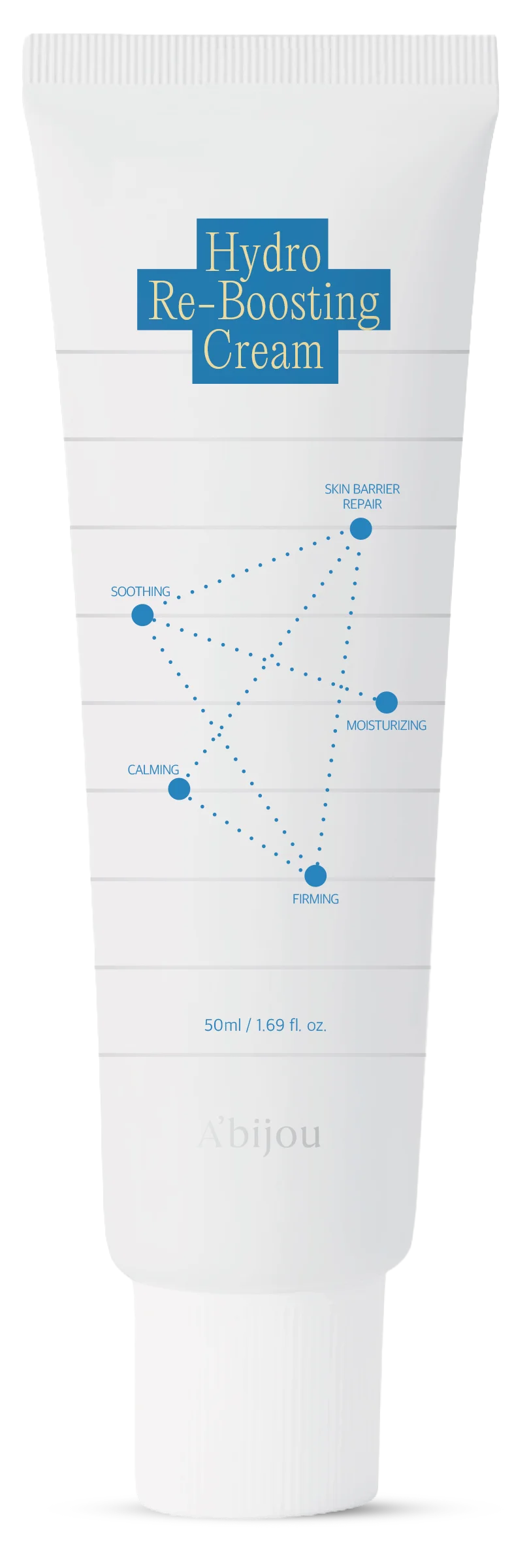 하이드로 리-부스팅 크림Buy
STEP 2 · 회복기 속보습
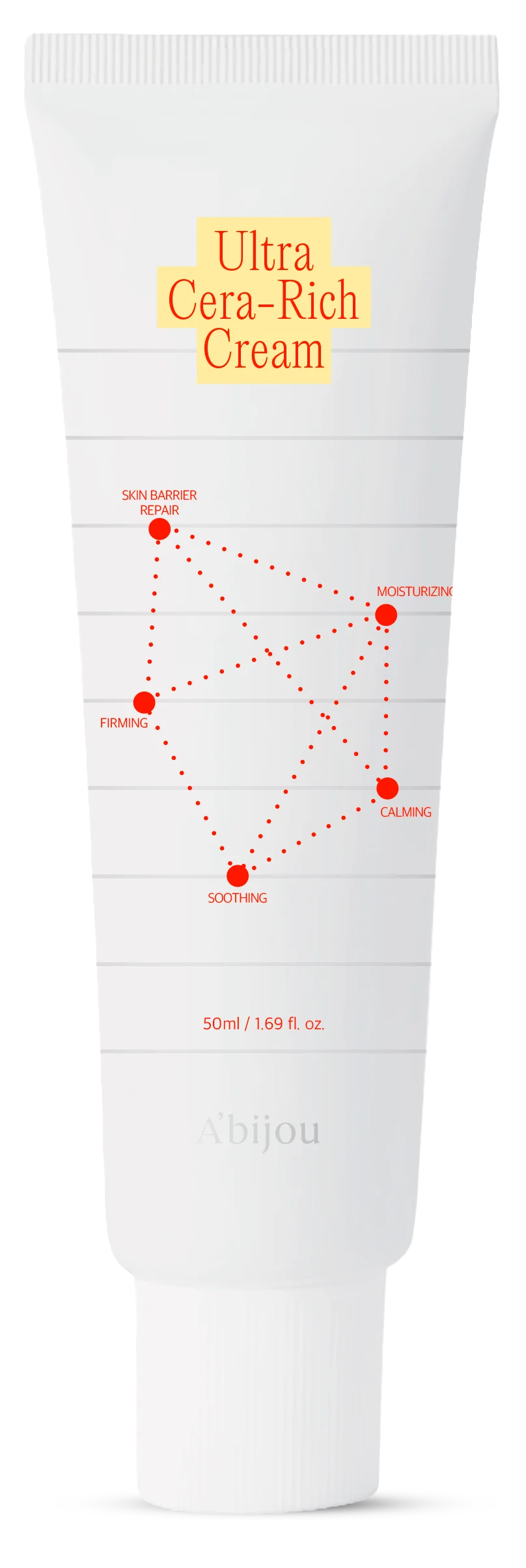 울트라 세라-리치 크림Buy
STEP 1 · 시술 직후 진정·장벽 케어