
Order of Applying Purslane Extract: Skincare Steps to Follow
Purslane extract (an ingredient often confused with other plant-derived soothing ingredients such as echinacea extract) is generally applied after toner/essence and before cream in a skincare routine, in terms of absorption efficiency. However, the exact order depends on the product's formulation (watery vs. thick), so it's safest to check the recommended usage on the product label first. This article explains general skincare layering principles and why order matters for irritated skin.
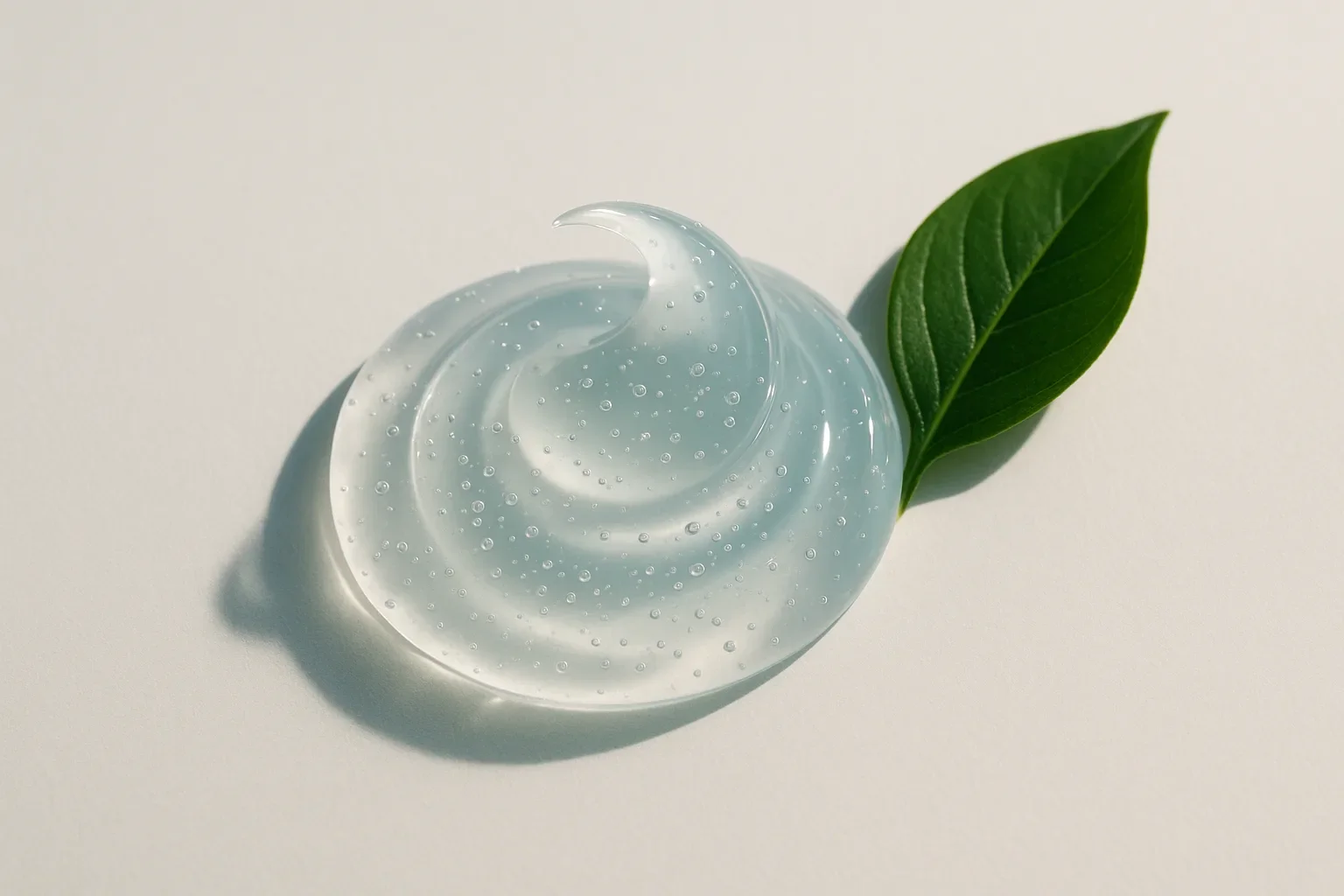
Purslane is a plant that has long been used to soothe the skin, and in cosmetics, it is incorporated in extract form as an ingredient that helps with skin-soothing care. However, 'when to apply purslane extract' is a more confusing question than it seems, because it depends not on the ingredient itself but on the product's formulation and the order of the overall routine.
- 1CleansingPrepping the skin's surface
- 2Toner/MistWatery soothing products
- 3Essence/SerumStep for functional ingredients such as purslane extract
- 4CreamFinal step for barrier support and moisture
Why does the order of applying purslane extract matter?
It is generally known that applying skincare products in order from thinnest to thickest is advantageous for absorption efficiency. You first apply products with a high water content and low viscosity to prep the skin texture, then finish with oilier, higher-viscosity products to lock in moisture.
If the product containing purslane extract is a watery formulation like a toner or mist, it should be applied first right after cleansing; if it's an essence or serum type, after toner; and if it's blended into a cream, it's natural to use it as the last step of the routine. In other words, there isn't a fixed order simply 'because it's purslane extract' — rather, the formulation of the product containing the ingredient determines the order.
During periods of sensitive skin, something more important than order
If your skin feels red, tight, or stings even at small stimuli after cleansing, minimizing irritation matters more than the order of steps itself. The priority is to gently pat products in for absorption without rubbing, and to avoid layering too many steps at once.
Especially for a few days right after cleansing, the skin barrier may be temporarily sensitive. During this period, a simple routine can help: applying a soothing product thinly and gently after toner, then covering it with a cream that supports barrier care.
Home Care Routine by Stage
Right after cleansing, first calm the skin texture with a watery soothing product, then lightly apply a small amount of a product containing purslane extract at the essence/serum stage if available. Finally, finish with a cream formulated to support barrier care and moisturizing at the cream stage—this is key to preventing moisture loss.
On days when your skin is especially sensitive or red, minimizing steps and condensing the three purposes—soothing, moisturizing, and barrier care—into a single product each can also be a good approach.
Choosing Creams by Recovery Stage for Irritated Skin
The first 1 to 3 days right after skin irritation are a period when redness and heat are prominent. During this time, a cream that adheres thinly to the skin, covers it from external stimuli, and focuses on soothing redness and barrier care can help.
From day 4 onward, redness and irritation have subsided somewhat, but the skin moves into a recovery phase where it may feel tight and dry inside. During this period, it's natural to switch to a cream focused on deep moisturizing and skin texture care.
Home Care Determines Post-Procedure Recovery
For home care after a procedure or irritation, choosing the right cream for the stage matters more than the exact order of steps. ABZOO Cream is designed in two stages to match this flow: the 'Ultra Cera-Rich Cream,' focused on soothing redness and barrier care, for the first 1 to 3 days right after irritation, followed by the 'Hydro Re-Boosting Cream,' focused on deep moisturizing and skin texture care, for the recovery phase from day 4 onward.
물리적 자극으로 붉어진 피부의 붉은기가 손상 전 수준으로 회복되는 데 도움. 개인차가 있을 수 있습니다.
출처 P&K 피부임상연구센타 시험성적서 (PNK-26224-RI2R)
물리적 자극으로 손상된 장벽이 손상 전 수준으로 회복되는 데 도움. 개인차가 있을 수 있습니다.
출처 P&K 피부임상연구센타 시험성적서 (PNK-26224-RI2R)
자극 후 건조함이 손상 전 수준으로 회복되는 데 도움. 개인차가 있을 수 있습니다.
출처 P&K 피부임상연구센타 시험성적서 (PNK-26223-RI1R)
거칠어진 피부결이 손상 전 수준으로 회복되는 데 도움. 개인차가 있을 수 있습니다.
출처 P&K 피부임상연구센타 시험성적서 (PNK-26223-RI1R)
FAQ
- Should purslane extract be applied before serum or cream?
- The product's formulation, not the ingredient itself, determines the order. If it's a serum type, apply after toner; if it's a cream type, apply as the last step of your routine.
- Is it okay to layer multiple soothing products?
- During periods when skin is sensitive, it may help to reduce irritation by keeping your routine simple with a minimal number of products that don't overlap in purpose, rather than adding more steps.
- Can I apply cream right after using a purslane extract product?
- Yes, it's generally natural to finish with cream after the essence/serum step has absorbed, and it's best to gently pat the product in rather than rubbing to help absorption.
- Should I follow the same order after a procedure?
- Right after a procedure, it's recommended to minimize steps and focus mainly on soothing, barrier-supporting creams. For specifics, it's safest to follow the guidance provided by the clinic where you had the procedure.
Related products
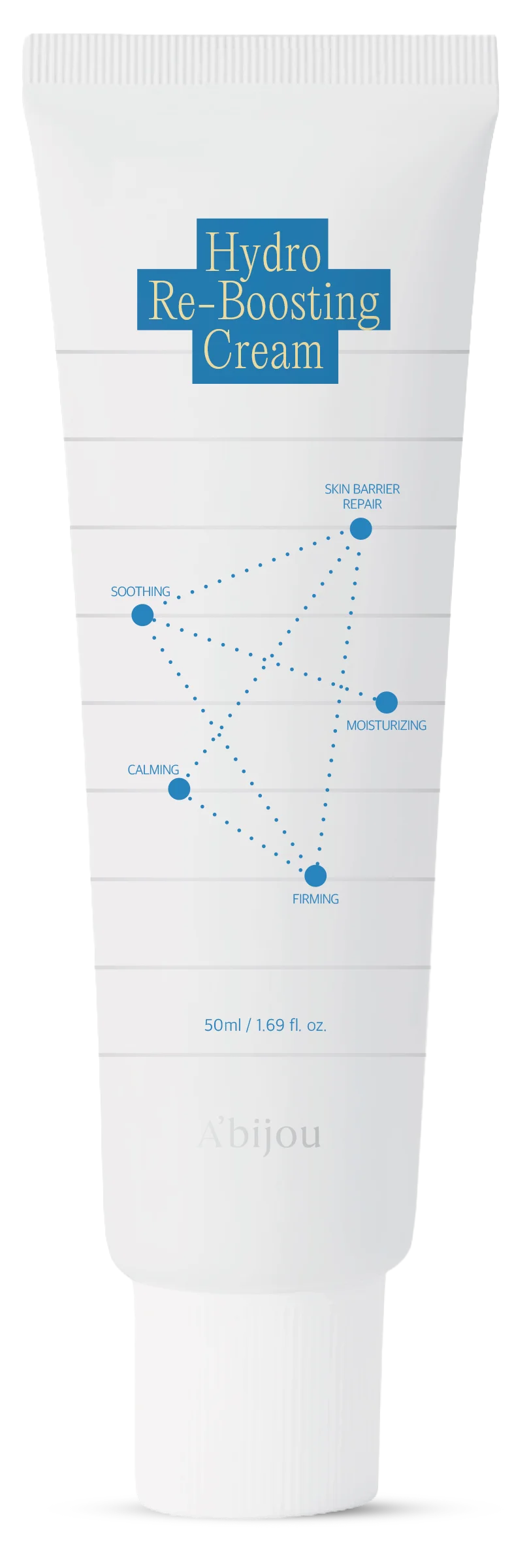 하이드로 리-부스팅 크림Buy
STEP 2 · 회복기 속보습
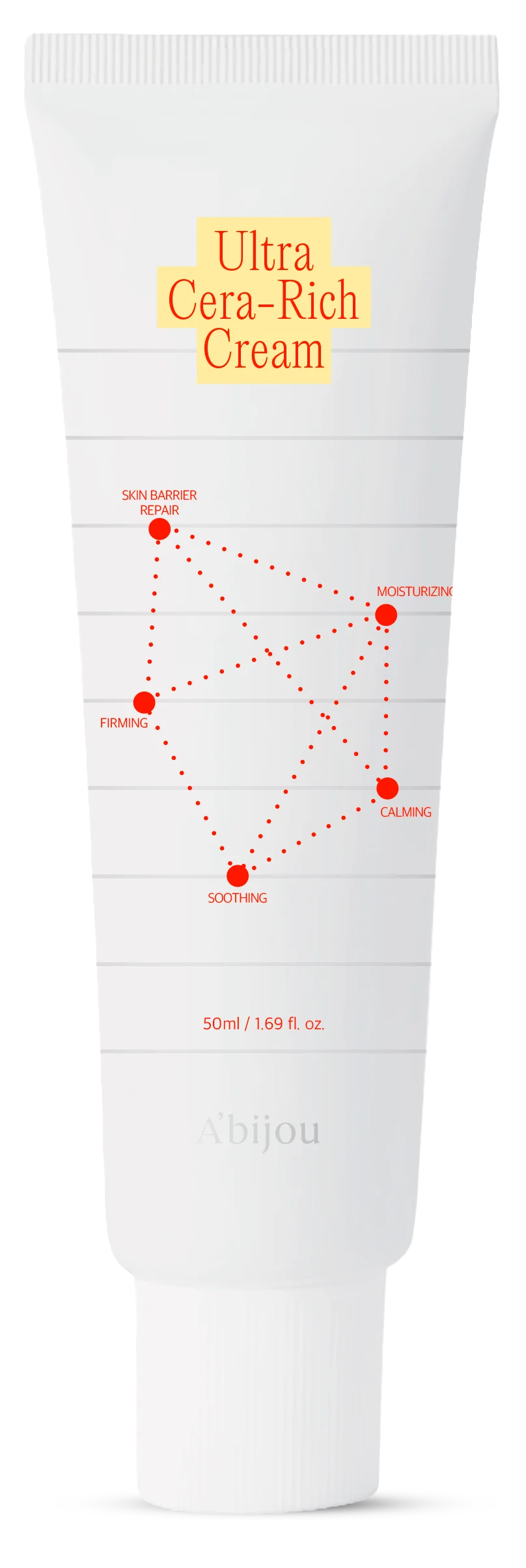 울트라 세라-리치 크림Buy
STEP 1 · 시술 직후 진정·장벽 케어